
The unpleasant kitchen sink smell can turn a clean kitchen into a less inviting space. So, how to get rid of odor in kitchen sink drain? Fortunately, tackling a smelly sink drain is usually straightforward and doesn’t require expensive products. Many common household items can effectively eliminate odors and perform drain cleaning.
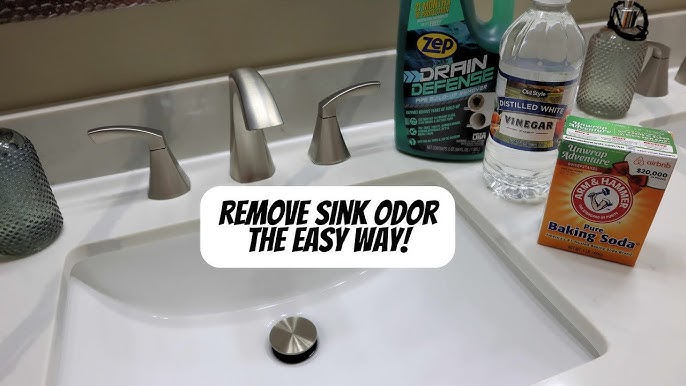
Image Source: i.ytimg.com
Why Does My Kitchen Sink Drain Smell?
Before we dive into the solutions, let’s figure out why your kitchen sink drain is emitting that foul odor. The primary culprits are usually:
- Food Scraps and Grease: This is the most common reason. When you wash dishes, tiny bits of food, grease, and oils go down the drain. These particles cling to the inside of the pipes. Over time, they accumulate and start to decompose, creating a putrid smell.
- Bacteria and Mold Growth: The damp environment within your drain pipes is a perfect breeding ground for bacteria and mold. These microorganisms feed on the organic matter (food scraps, grease) and release gases that cause the unpleasant odor.
- Trapped Debris in the Garbage Disposal: If you have a garbage disposal, food particles can get stuck in its grinding chamber or under the rubber splash guard. This trapped food will rot and smell.
- Sewage Gas Backflow: In some cases, the smell might be due to sewer gases escaping through the drain. This can happen if the P-trap (the U-shaped pipe under your sink) dries out, or if there’s a blockage further down the sewer line.
- Dead Pests: While less common, it’s possible a small rodent or insect has died in your drain pipes, leading to a distinct, unpleasant odor.
Easy Fixes for a Smelly Sink Drain
Dealing with a smelly sink doesn’t have to be complicated. Here are some effective and easy fixes using common household items:
1. The Classic Baking Soda and Vinegar Power Duo
This is a tried-and-true method for sink odor removal and gentle drain cleaning. It’s effective because baking soda is alkaline and abrasive, while vinegar is acidic. When combined, they create a fizzing reaction that helps break down grease and grime.
How to do it:
- Pour Baking Soda: Start by pouring about half a cup to a full cup of baking soda directly down the drain. Make sure it goes as far down as possible.
- Add Vinegar: Slowly pour about a cup of white vinegar into the drain. You’ll see and hear a fizzing reaction.
- Let it Sit: Cover the drain opening with a stopper or a wet cloth to keep the reaction contained within the pipes. Let it sit for at least 30 minutes, or even an hour for tougher odors.
- Flush with Hot Water: After the time is up, pour a kettle of boiling water down the drain. This helps flush away the loosened debris and residue.
Why it works: The baking soda helps absorb odors, and its abrasive texture helps scrub away grime. The vinegar’s acidity dissolves grease and kills bacteria. The fizzing action helps dislodge particles. This is a great natural drain cleaner.
2. Boiling Water Flush
Sometimes, all your drain needs is a good flush with very hot water. This can help melt away grease and flush out minor blockages that might be causing the odor.
How to do it:
- Boil Water: Boil a full kettle or pot of water.
- Pour Slowly: Carefully pour the boiling water directly down the drain. Do this in stages, allowing the hot water to work its way through the pipes.
Important Note: If you have PVC pipes, be cautious about pouring boiling water directly. While generally safe, repeated exposure to extreme heat isn’t ideal for PVC. If you’re concerned, let the water cool slightly, or use very hot tap water instead.
3. Baking Soda and Hot Water
This is a simpler version of the baking soda and vinegar method, focusing on odor absorption and flushing.
How to do it:
- Baking Soda: Pour half a cup of baking soda down the drain.
- Hot Water: Follow with a pot of hot (not necessarily boiling) water.
- Repeat if Necessary: You can repeat this process a few times if the odor persists.
4. Lemon Juice or Citrus Peels
The acidity of lemon juice can help cut through grease, and the natural citrus oils are excellent drain deodorizers. Plus, it leaves a pleasant fresh scent.
How to do it (Citrus Peels):
- Run through Garbage Disposal: If you have a garbage disposal, toss in a few lemon, lime, or orange peels. Run the disposal with cold water. The peels will get ground up, cleaning the disposal blades and deodorizing the drain.
- Lemon Juice Flush: If you don’t have a garbage disposal, pour about half a cup of lemon juice down the drain. Let it sit for about 30 minutes, then flush with hot water.
5. Salt and Baking Soda Combination
Salt acts as an abrasive and can also help absorb odors.
How to do it:
- Mix: Combine half a cup of salt with half a cup of baking soda.
- Pour: Pour this mixture down the drain.
- Wait: Let it sit for at least 30 minutes.
- Flush: Flush with hot or boiling water.
6. Using Ice Cubes
This method is particularly good if you have a garbage disposal. The ice cubes help scour the disposal chamber and tighten any loose parts, while the cold water can help solidify some of the grease, making it easier to grind and flush away.
How to do it:
- Fill with Ice: Fill your garbage disposal with ice cubes.
- Run Disposal: Turn on the cold water and then run the garbage disposal.
- Add Citrus (Optional): You can add citrus peels or a few drops of dish soap along with the ice for extra cleaning and deodorizing power.
Dealing with a Clogged Drain and Odor
Sometimes, the odor is a symptom of a more significant issue: a clogged drain. When water doesn’t drain properly, stagnant water and trapped food particles can lead to severe odors.
1. The Plunger
A good old-fashioned plunger is your first line of defense against a minor clog.
How to use it:
- Create a Seal: Ensure there’s enough water in the sink to cover the rubber cup of the plunger. If not, add some.
- Form a Seal: Place the plunger over the drain opening, creating a tight seal. If you have a double sink, block the other drain with a wet cloth or stopper.
- Plunge Vigorously: Plunge up and down forcefully several times.
- Check Drainage: Lift the plunger. If the water drains, the clog is likely cleared. If not, repeat the process.
- Follow with Hot Water: After plunging, pour hot water down the drain to flush away any remaining debris.
2. Cleaning the Garbage Disposal (If Applicable)
A smelly garbage disposal is a common problem.
Steps to clean:
- Safety First: NEVER put your hand into the garbage disposal. Always turn off the power switch to the disposal at the breaker box before cleaning.
- Remove Debris: Use tongs or pliers to remove any visible food particles or debris from the disposal chamber.
- Clean the Splash Guard: The rubber splash guard is a prime spot for gunk to accumulate. Use an old toothbrush and some dish soap to scrub it thoroughly.
- Ice and Salt Scrub: Run a few ice cubes and a handful of coarse salt through the disposal. This helps scrub the blades and chamber. Follow with cold water and a few citrus peels.
- Vinegar and Baking Soda: Pour half a cup of baking soda into the disposal, followed by a cup of vinegar. Let it fizz for 10-15 minutes, then flush with cold water and turn the power back on.
3. Manual Drain Cleaning Tool (Auger or Snake)
If plunging doesn’t work, a drain auger or snake can be more effective for reaching deeper clogs.
How to use it:
- Access the Drain: You may need to remove the sink stopper or the P-trap (the U-shaped pipe) to access the drain pipe directly.
- Insert the Snake: Feed the end of the auger into the drain pipe.
- Crank and Push: As you push the snake forward, crank the handle. This helps the auger hook onto or break up the clog.
- Retract and Clean: Once you feel resistance or the clog breaking up, slowly retract the snake, pulling out the debris.
- Flush: Run hot water down the drain to clear any remaining residue.
Drain Maintenance for Long-Term Odor Prevention
Regular drain maintenance is key to preventing future kitchen sink smells and keeping your drains flowing smoothly.
Regular Flushing
- Weekly Hot Water Flush: Once a week, pour a pot of hot water down your kitchen drain. This helps prevent grease and soap scum buildup.
- Monthly Baking Soda/Vinegar Treatment: Perform the baking soda and vinegar treatment once a month to keep your drains clean and odor-free.
Proper Disposal Habits
- Avoid Pouring Grease: Never pour cooking grease, oil, or fats down the drain. Wipe greasy pans with paper towels before washing, or collect the grease in a container and dispose of it in the trash.
- Scrape Plates: Scrape food scraps from plates into the trash or compost bin before rinsing them in the sink.
- Limit Starchy and Fibrous Foods: Foods like pasta, rice, potato peels, and celery can expand with water and contribute to clogs. Dispose of these in the trash.
- Use a Drain Strainer: A simple drain strainer catches larger food particles, preventing them from entering the drain pipes. Empty and clean the strainer regularly.
Cleaning Your Garbage Disposal
- Regular Cleaning: Clean your garbage disposal monthly using the methods described earlier (ice, salt, baking soda, vinegar, citrus).
- Don’t Overload: Avoid putting large amounts of food down the disposal at once. Grind food in small batches with plenty of cold water.
What NOT to Do
- Harsh Chemical Drain Cleaners: While these might seem like a quick fix, they can be harsh on your pipes and the environment. They can also be dangerous if misused. The natural methods are often just as effective for odor removal.
- Ignoring the Problem: A persistent smell or slow drain could indicate a more serious issue that needs attention before it causes bigger problems.
Frequently Asked Questions (FAQ)
Q: How often should I use baking soda and vinegar in my drain?
A: For regular drain maintenance and to prevent odors, using the baking soda drain and vinegar drain treatment once a month is usually sufficient. If you’re dealing with a strong odor, you can do it more frequently until the smell is gone.
Q: Can I use bleach to clean my kitchen sink drain?
A: While bleach can kill bacteria and mask odors, it’s not the best long-term solution for drain cleaning. It’s harsh, can damage pipes over time, and doesn’t effectively break down grease and food particles that cause the underlying odor. Plus, mixing bleach with other cleaners (especially those containing ammonia or acids like vinegar) can create dangerous fumes. It’s better to stick to natural drain deodorizer options.
Q: My sink is still smelly after trying these methods, what should I do?
A: If the odor persists despite your best efforts, the problem might be more complex. It could be a deeper clog, a faulty P-trap, or an issue further down the sewer line. In such cases, it’s advisable to call a plumber to diagnose and fix the problem.
Q: Why does my sink smell like rotten eggs?
A: The “rotten egg” smell is often due to hydrogen sulfide gas, which is produced when sulfur-containing organic matter decomposes in an anaerobic (oxygen-free) environment. This is common in drains where food waste and grease accumulate. The cleaning methods mentioned above should help eliminate this smell.
Q: Is it safe to pour boiling water down my drain?
A: For most standard plumbing systems, pouring boiling water down the drain occasionally is safe. However, if you have older pipes or PVC pipes, it’s best to let the water cool slightly to avoid potential damage. Very hot tap water is usually a safe alternative.
By following these easy fixes and incorporating regular drain maintenance into your routine, you can effectively get rid of that unpleasant kitchen sink smell and keep your kitchen fresh and clean.