
Can you get burned in the kitchen? Yes, kitchen accidents are common, and burns are among the most frequent. Learning how to avoid burns in the kitchen safely is crucial for everyone who cooks or spends time in the kitchen. This comprehensive guide offers proven burn prevention strategies, essential kitchen safety tips, and advice on handling potential fire hazards and hot surfaces. We will cover everything from safe food preparation to what to do if a burn occurs, ensuring your kitchen remains a safe haven.
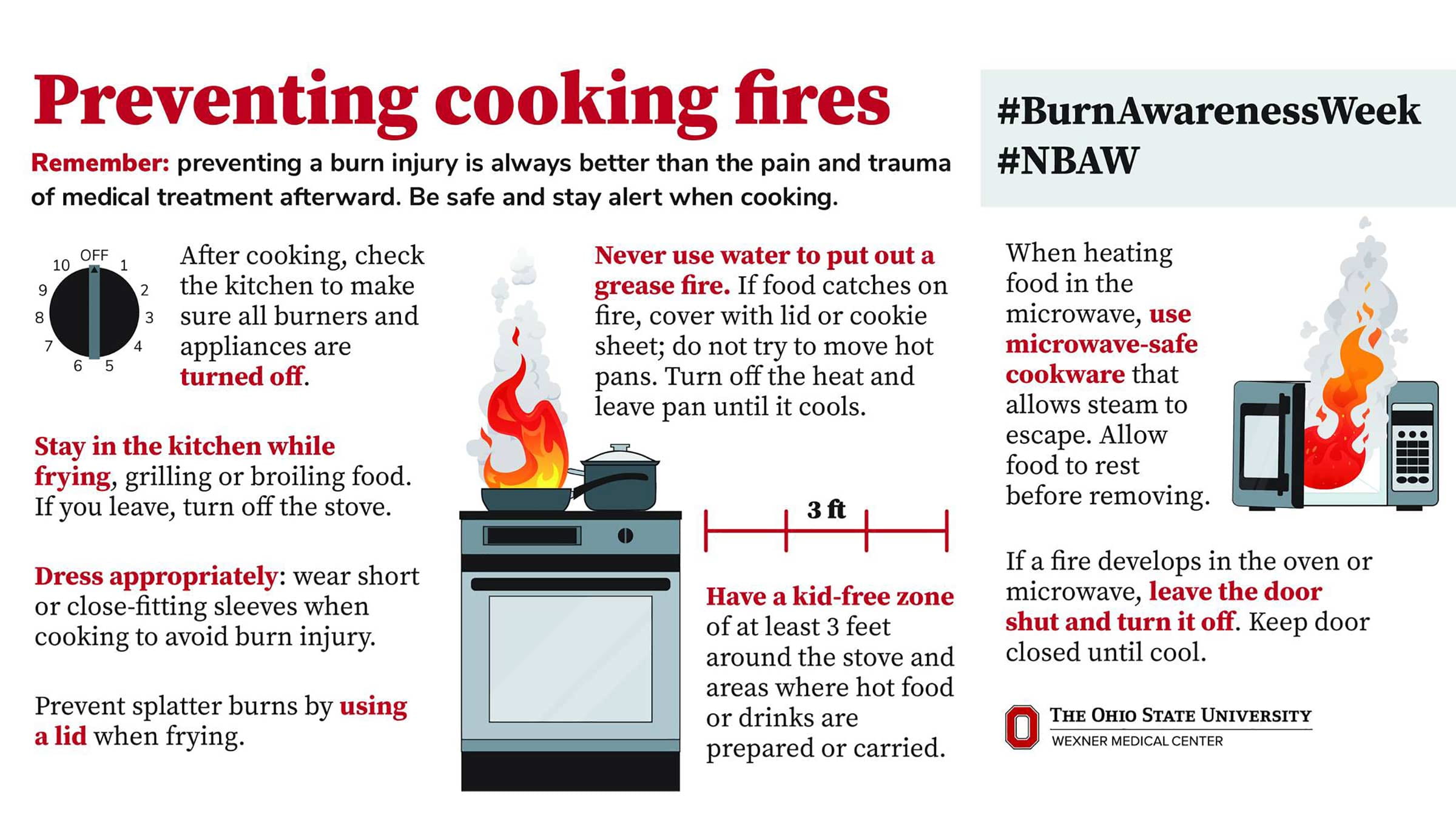
Image Source: health.osu.edu
Why Kitchen Burn Prevention Matters
The kitchen is often called the heart of the home, a place for nourishment and connection. However, it’s also a space with inherent risks. Heat, sharp objects, and electrical appliances all contribute to potential dangers. Burns, whether from hot liquids, steam, or direct contact with hot surfaces, can range from minor discomfort to severe injury. Focusing on burn prevention is not just about following rules; it’s about creating a mindful approach to cooking and food preparation that protects you and your loved ones. Ignoring basic kitchen safety tips can lead to painful kitchen accidents that could have been easily avoided.
The Science Behind Burns
A burn is an injury to the skin or other tissues caused by heat, friction, chemicals, electricity, or radiation. In the kitchen, the most common cause is thermal burns from contact with hot objects, liquids, or steam. The severity of a burn depends on the temperature, the duration of contact, and the area of the body affected.
- First-degree burns: Affect only the outer layer of skin (epidermis). They cause redness, pain, and mild swelling. A mild sunburn is an example.
- Second-degree burns: Affect the epidermis and part of the dermis (the layer beneath). They cause redness, pain, swelling, and blistering.
- Third-degree burns: Destroy the epidermis and dermis, and may extend into the subcutaneous tissue. They may appear white, charred, or leathery and may not be painful because nerve endings are destroyed.
Common Kitchen Burn Hazards and How to Dodge Them
Many everyday kitchen activities can lead to burns if not approached with caution. Identifying these hazards is the first step toward effective burn prevention.
Hot Liquids and Steam
Oils, boiling water, and hot soups are prime culprits for scalds. Steam escaping from kettles or pots can also cause serious burns.
- Handling hot liquids:
- Always use oven mitts or pot holders when handling hot pots, pans, or dishes.
- When adding ingredients to hot oil or water, do so gently and away from you to avoid splattering.
- Never overfill pots or pans, especially when cooking with oil.
- Turn pot handles inward on the stove so they are not easily knocked over.
- Use a long-handled ladle or spoon when serving hot liquids.
- Pour hot liquids away from yourself and others, especially children.
- Steam:
- When opening lids from pots and pans, lift the lid away from your face to allow steam to escape safely.
- Be cautious when opening oven doors; step back as you open it to avoid the blast of hot air and steam.
- Avoid using microwave ovens to heat liquids for extended periods without stirring, as superheated liquids can erupt when disturbed.
Hot Surfaces and Appliances
Stovetops, ovens, toasters, and even hot plates can cause severe burns.
- Stovetops:
- Keep the stovetop clear of flammable materials like dish towels, paper towels, and curtains.
- Use the back burners when possible, especially when children are present.
- Ensure pot handles don’t extend over the edge of the stovetop.
- Never leave cooking unattended, especially when using high heat or deep frying.
- Ovens:
- Use oven mitts or pot holders to remove items from the oven.
- Allow baked goods or dishes to cool slightly before handling them.
- Keep children away from the oven while it is in use.
- Other Appliances:
- Toasters, electric grills, and waffle makers can get very hot. Use caution when removing food and never touch the heating elements directly.
- Allow appliances to cool completely before cleaning or storing them.
Splattering Oil During Cooking
Deep frying or pan-frying with oil presents a significant burn risk due to splattering.
- Safe frying practices:
- Ensure food is as dry as possible before adding it to hot oil. Moisture causes splattering.
- Use a deep fryer with a lid or a splatter screen.
- Never put frozen food directly into hot oil; thaw and dry it first.
- If oil catches fire, never use water to extinguish it. Smother the flames with a metal lid or baking soda. Turn off the heat source if it’s safe to do so.
- Always use long-handled tongs or a spider strainer to handle food in hot oil.
Microwave Burns
While microwaves seem convenient, they can also cause burns, often from uneven heating or exploding food.
- Microwave safety:
- Stir food halfway through cooking to ensure even heating.
- Use microwave-safe containers and cover them loosely to allow steam to escape.
- Be cautious when removing containers from the microwave, as they can be very hot.
- Never microwave certain items like metal, aluminum foil, or containers with tightly sealed lids, as these can cause sparks or explosions.
- Watch out for “superheated” water, which can boil violently when disturbed. Stir water before heating it in the microwave, or place a wooden spoon or chopstick in the cup.
Advanced Kitchen Safety Tips for Prevention
Beyond the everyday precautions, a more proactive approach to kitchen safety tips can further reduce the risk of kitchen accidents and burns.
Creating a Safe Cooking Environment
A well-organized and mindful kitchen space is key to effective burn prevention.
Maintaining a Clutter-Free Workspace
- Keep countertops clear of anything that isn’t essential for your current task.
- Store flammable items like dish towels, paper towels, and potholders away from the stove and other heat sources.
- Ensure easy access to your fire extinguisher and baking soda.
Proper Use of Utensils and Equipment
- Long Handles: Opt for cooking utensils with long handles to keep your hands and arms away from heat and splattering.
- Quality Potholders and Oven Mitts: Invest in thick, heat-resistant potholders and oven mitts. Check them regularly for holes or worn spots that could allow heat to transfer.
- Cutting Boards: Use stable cutting boards that won’t slide. Place a damp cloth or paper towel underneath if needed.
- Knives: Keep knives sharp. Dull knives require more force, increasing the chance of slipping and causing injury.
Managing Hot Surfaces
- Oven Doors: Do not lean on open oven doors.
- Cooling Racks: Use cooling racks for hot items from the oven or stovetop to prevent contact with hot surfaces.
- Appliance Placement: Ensure appliances like toasters or electric kettles are placed on a stable, heat-resistant surface and away from the edge of the counter.
Smart Food Preparation Techniques
The way you prepare food directly impacts your safety.
Prepping Ingredients Safely
- Washing Produce: Ensure fruits and vegetables are thoroughly dried after washing before adding them to hot oil or cooking surfaces to minimize splattering.
- Marinating: Always marinate food in the refrigerator, not on the counter, to prevent bacterial growth. This is also a crucial aspect of food safety.
- Thawing: Thaw frozen foods in the refrigerator, in cold water, or in the microwave, never at room temperature, to maintain food safety.
Cooking Precautions
- Oil Temperature: Use a thermometer to monitor oil temperature when frying. Too-hot oil can ignite.
- Lid Control: Keep lids handy for smothering potential grease fires.
- Stove Management: Never leave cooking pots unattended. If you must leave the kitchen, turn off the stove.
- Child Supervision: Keep children at least three feet away from a hot stove and oven. Consider using back burners and turning pot handles inward.
Utilizing Safety Equipment
Having the right safety equipment readily available can make a significant difference in preventing or mitigating kitchen accidents.
- Fire Extinguisher: Keep a multi-purpose (Class K or ABC) fire extinguisher in your kitchen and know how to use it. Check its expiration date and pressure regularly.
- Smoke Detector and Carbon Monoxide Detector: Ensure these are installed, tested monthly, and have fresh batteries.
- First-Aid Kit: Stock a basic first-aid kit with burn-specific items like sterile gauze and a non-stick dressing.
- Splatter Screens: These mesh covers help prevent hot oil splatters from escaping pots and pans.
- Oven Mitts and Pot Holders: As mentioned, these are essential for handling hot items.
Addressing Fire Hazards in the Kitchen
Fire hazards are a significant concern in kitchens. Understanding how to prevent and manage them is paramount for burn prevention and overall safety.
Common Kitchen Fire Starters
- Unattended Cooking: This is the leading cause of kitchen fires.
- Grease Fires: Grease buildup on stoves or in exhaust hoods can easily ignite.
- Flammable Materials Near Heat: Dish towels, oven mitts, and paper products left too close to open flames or hot surfaces.
- Electrical Malfunctions: Faulty wiring in appliances or extension cords.
- Overheated Appliances: Ovens or toasters left on too long or malfunctioning.
Preventing Kitchen Fires
- Stay Alert: Never cook when you are drowsy or have consumed alcohol.
- Cleanliness: Regularly clean your stovetop, oven, and exhaust hood to remove grease buildup.
- Safe Appliance Use: Ensure appliances are in good working order and follow manufacturer instructions.
- Clearance: Keep flammable items away from heat sources.
- Watch the Heat: Use appropriate heat settings and never leave cooking unattended.
What to Do If a Fire Starts (The PASS Method)
If a fire does break out, remember the PASS method for using a fire extinguisher:
- Pull the pin.
- Aim low at the base of the fire.
- Squeeze the lever slowly and evenly.
- Sweep the nozzle from side to side.
Important: If the fire is small and contained, and you feel safe doing so, try to extinguish it. If the fire is spreading, evacuate immediately and call the fire department from a safe location.
Handling Specific Kitchen Accident Scenarios
Sometimes, despite our best efforts, kitchen accidents happen. Knowing how to react can minimize injury.
Minor Burns
For minor burns (first-degree or small second-degree burns), immediate action is key.
Immediate Actions for Minor Burns
- Cool the Burn: Immediately run cool (not cold) water over the burn for 10-20 minutes. Do not use ice, as it can further damage the skin.
- Remove Constrictions: Gently remove any jewelry or tight clothing from the affected area before swelling occurs.
- Cover the Burn: Apply a clean, dry, non-stick dressing or sterile gauze.
- Pain Relief: Over-the-counter pain relievers like ibuprofen or acetaminophen can help manage pain and swelling.
- Avoid Home Remedies: Do not apply butter, oil, toothpaste, or other folk remedies, as they can trap heat and increase infection risk.
When to Seek Medical Attention for Burns
You should seek medical attention if:
- The burn is larger than the palm of your hand.
- The burn is deep (second or third-degree) with blistering or charring.
- The burn is on the face, hands, feet, major joints, or genitals.
- There are signs of infection (increased pain, redness, swelling, pus).
- You are unsure of the severity of the burn.
Scalds from Hot Liquids
Scalds from hot liquids require the same immediate cooling treatment as other thermal burns.
- Stop, Drop, and Roll: If clothing is saturated with hot liquid and still on the person, do not try to remove it immediately. Cool the burn through the clothing.
- Cooling: As with other burns, cool the affected area with running water for at least 10 minutes.
- Medical Evaluation: Even minor scalds can be serious, especially in children. It’s often wise to have them checked by a medical professional.
Keeping Vulnerable Populations Safe
Children and the elderly are particularly susceptible to burns and require extra attention to burn prevention.
Protecting Children in the Kitchen
- Supervision is Key: Never leave young children unattended in the kitchen, especially when cooking is in progress.
- The “Kid-Free Zone”: Establish a “kid-free zone” of at least three feet around the stove and other dangerous appliances.
- Appliance Locks: Consider using oven door locks and knob covers.
- Hot Liquids: Keep hot liquids and foods out of reach. Do not drink from cups or bowls that have been in the microwave without testing the temperature first.
- Electrical Safety: Cover unused electrical outlets.
Safety for the Elderly
- Assistive Devices: Ensure easy-to-grip utensils and pot holders are available.
- Memory Aids: Reminders for turning off appliances can be helpful.
- Physical Limitations: Consider kitchen layouts that minimize the need for reaching or bending.
- Vision Impairment: Ensure good lighting and clear labeling of appliances.
Table: Burn Prevention Checklist
Here’s a handy checklist to help you maintain a safe kitchen environment.
| Area of Focus | Actionable Steps |
|---|---|
| Cooking Practices | – Never leave cooking unattended. – Use long handles on pots and pans. – Turn pot handles inward. – Dry food before frying. – Use splatter screens. – Keep flammable items away from stove. |
| Appliance Safety | – Allow appliances to cool before cleaning. – Use caution with microwaves. – Check toaster slots for debris. – Unplug appliances when not in use. |
| Hot Liquids/Steam | – Use oven mitts/pot holders. – Lift lids away from your face. – Pour liquids away from yourself. – Be cautious of steam from ovens. |
| Fire Safety | – Keep a fire extinguisher and baking soda accessible. – Check smoke detectors regularly. – Clean grease traps and hoods. |
| General Kitchen | – Maintain a clutter-free workspace. – Keep hot items out of reach of children. – Ensure good lighting. – Have a first-aid kit with burn supplies. |
| Food Preparation | – Dry produce thoroughly. – Thaw food properly. – Ensure safe handling of raw meats (part of food safety). |
Frequently Asked Questions (FAQ)
Q1: What is the most common cause of kitchen burns?
A1: The most common cause of kitchen burns is unattended cooking, followed by contact with hot surfaces, liquids, and steam.
Q2: Can I use water to put out a grease fire?
A2: No, never use water to put out a grease fire. Water causes the burning grease to splatter, spreading the fire. Smother the flames with a metal lid or baking soda, or use a Class K or ABC fire extinguisher.
Q3: How long should I cool a burn with water?
A3: For minor burns, cool the affected area under cool running water for at least 10-20 minutes.
Q4: Who is most at risk for kitchen burns?
A4: Children and the elderly are most at risk for kitchen burns due to their vulnerability and potential for reduced mobility or awareness.
Q5: What are some essential safety equipment for the kitchen?
A5: Essential safety equipment includes a fire extinguisher, smoke detector, oven mitts, pot holders, and a well-stocked first-aid kit.
By incorporating these kitchen safety tips and practicing diligent burn prevention in all aspects of food preparation and cooking, you can significantly reduce the risk of kitchen accidents and enjoy a safer culinary experience. Remember that food safety also plays a role in preventing accidents, such as ensuring foods are properly thawed to avoid splattering. Always be mindful of hot surfaces, potential fire hazards, and the importance of having the right safety equipment readily available.