
Ever feel like your eyes are playing tricks on you after staring at code for too long? You’re not alone. Many programmers know the struggle of squinting at tiny text or dealing with colors that just don’t look right. Choosing the perfect monitor for coding feels like a big decision, and it’s easy to get lost when there are so many choices out there.
The right monitor can make a huge difference. It can help you see your code clearly, reduce eye strain, and even boost your productivity. But with so many features to consider – like screen size, resolution, and refresh rate – figuring out what truly matters for programming can be a real headache. You want a screen that works *with* you, not against you.
In this post, we’re going to break down exactly what makes a great programming monitor. We’ll explore the key features that programmers love and give you the inside scoop on how to pick a screen that will make your coding sessions more comfortable and efficient. Get ready to say goodbye to eye fatigue and hello to a clearer, more enjoyable coding experience.
Our Top 5 Programming Monitor Recommendations at a Glance
Top 5 Programming Monitor Detailed Reviews
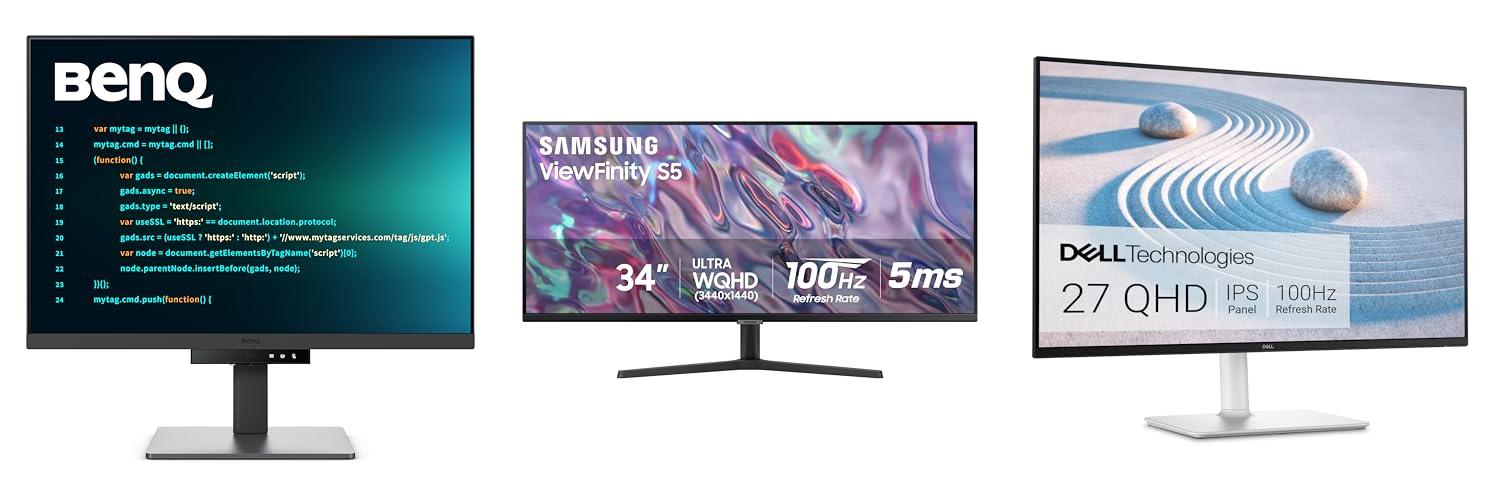
1. BenQ RD280U 28.2” 4K 3840×2560 3:2 Programming Monitor

Rating: 9.1/10
The BenQ RD280U 28.2” 4K 3840×2560 3:2 Programming Monitor is built for coders. Its special Nano Matte Panel stops annoying glare. This helps you focus better on your code. It has special coding modes that make your code easier to read. The MoonHalo Backlight adds a cool, comfy glow to your workspace. This monitor also helps you sit and work comfortably for a long time. It protects your eyes, especially when you work at night.
What We Like:
- The Nano Matte Panel really cuts down on glare, making it easier to see your screen.
- Coding Modes make different parts of your code stand out, so it’s simpler to spot mistakes.
- The MoonHalo Backlight creates a nice, soft light that’s easy on your eyes.
- It’s designed for comfort, so you can code for hours without feeling tired.
- Eye-Care features, like Night Hours Protection and Brightness Intelligence Gen2, keep your eyes feeling fresh.
- The 90W USB-C port is super handy for charging your laptop and connecting devices with one cable.
- KVM switch lets you control multiple computers with one keyboard and mouse.
What Could Be Improved:
- The 3:2 aspect ratio, while good for coding, might feel a bit tall for watching movies or playing games.
- Some users might find the price point a bit high compared to standard monitors.
This BenQ monitor is a fantastic tool for anyone who spends a lot of time coding. It truly helps you work more comfortably and efficiently.
2. SAMSUNG 34″ ViewFinity S50GC Series Ultra-WQHD Monitor

Rating: 9.3/10
Get ready to see everything with the SAMSUNG 34″ ViewFinity S50GC Series Ultra-WQHD Monitor. This big screen makes multitasking easy. You can do more work and enjoy your entertainment without missing a detail. It’s a great upgrade for your desk.
What We Like:
- DO MORE ON ONE SCREEN: The 21:9 aspect ratio gives you lots of space. Ultra WQHD helps you multitask smoothly on one display.
- ENJOY A BILLION COLORS W/ INCREDIBLE DEPTH: HDR10 shows over 1 billion colors. This makes dark colors darker and bright colors brighter. Your content looks just like the creator intended.
- CARE FOR YOUR EYES DAY and NIGHT: The monitor senses your room’s light and adjusts its brightness. Eye Saver Mode cuts down on blue light. Flicker Free technology reduces eye strain.
- SEE CONTENT SMOOTHER, EVEN GAMING: The 100Hz refresh rate updates the screen quickly. This means less lag and blur when you play games, watch videos, or work on designs.
- STAY IN SYNC WITH THE ACTION: AMD Radeon FreeSync makes your monitor and graphics card work together. This stops screen tearing for smooth gaming and movies.
- 2 x HDMI 2.2 INPUTS plus 1 x DISPLAYPORT 1.2 INPUTS: You can see two things at once with PBP. Watch two projects or run two apps side-by-side. PIP lets you resize a second screen so you can monitor one thing while working on another.
- EXPAND YOUR VIEW, ENHANCE YOUR FOCUS: The nearly borderless screen helps you concentrate. It looks seamless if you use two monitors together. You see more without distractions.
What Could Be Improved:
- The monitor’s typical brightness is 300 cd/㎡, which might not be bright enough for very sunny rooms.
- The static contrast ratio is 3000:1, which is good, but higher contrast ratios can sometimes offer even deeper blacks.
This monitor offers a fantastic viewing experience for both work and play. Upgrade your setup and see the difference!
3. Dell S2725DS Monitor – 27 Inch

Rating: 9.1/10
The Dell S2725DS monitor brings sharp pictures and great sound right to your desk. Its 27-inch screen shows you lots of detail with its QHD resolution, which is almost twice as clear as Full HD. You can also enjoy your music or movies with the built-in 5W speakers that sound really good. Plus, this monitor is designed to be easy on your eyes, even after long hours of use.
What We Like:
- The QHD display shows images with amazing clarity and detail, making everything look better.
- You get clear and full sound from the integrated dual 5W speakers, so you don’t need extra speakers.
- It has a 100Hz refresh rate, which makes moving images look smooth, great for games or fast videos.
- The 1500:1 contrast ratio makes colors pop and blacks look deep.
- It’s certified for TÜV Rheinland 4-star eye comfort, helping to reduce eye strain.
- The monitor easily adjusts for height, tilt, swivel, and pivot, so you can find the perfect viewing angle.
- Its Ash White color looks stylish and modern.
What Could Be Improved:
- While the speakers are good, they might not be loud enough for everyone’s needs.
- The product description doesn’t mention specific connectivity options like HDMI or DisplayPort versions.
This Dell S2725DS monitor offers a fantastic visual and audio experience while prioritizing your eye health. It’s a solid choice for anyone wanting a high-quality display for work and entertainment.
4. Dell S2425HS Monitor – 23.8 Inch

Rating: 9.1/10
Meet the Dell S2425HS Monitor, a stylish and smart addition to any desk. This 23.8-inch monitor boasts a Full HD display with a fast 100Hz refresh rate, making everything look smooth and clear. Its modern design with super-thin borders lets you focus on the picture. Plus, it sounds great with built-in speakers and is designed to be easy on your eyes.
What We Like:
- The ultrathin bezels give you a big, clear picture without distractions.
- Built-in 2x5W speakers deliver impressive sound for movies and music.
- The IPS technology provides vibrant colors that look good from any angle, with 99% sRGB color coverage.
- Connecting devices is super easy with convenient ports, and the improved cable management keeps your desk tidy.
- The new joystick and shortcut buttons make navigating menus a breeze.
- Dual HDMI ports let you easily switch between your computer and gaming console.
- You can adjust the monitor’s height, tilt, swivel, and pivot for perfect viewing comfort.
- It has a TÜV Rheinland 4-star eye comfort certification, meaning it’s designed to reduce eye strain.
- ComfortView Plus lowers blue light, and the 100Hz refresh rate offers smooth visuals for casual gaming.
What Could Be Improved:
- While the speakers are good for everyday use, audiophiles might want more power.
- The 100Hz refresh rate is great for casual gaming, but serious gamers might prefer higher refresh rates.
This Dell monitor is a fantastic all-rounder, blending good looks with practical features for work and play. It’s a solid choice for anyone looking for a comfortable and visually pleasing experience.
5. Dell 27 Plus 4K Monitor – S2725QS – 27-inch 4K (3840 x 2160) 120Hz 16:9 Display

Rating: 9.4/10
Get ready for a super clear and smooth viewing experience with the Dell 27 Plus 4K Monitor. This 27-inch screen shows amazing 4K pictures, making everything look sharp and detailed. It’s great for both playing games and getting work done.
What We Like:
- Super Clear Pictures: The 4K resolution (3840 x 2160) shows everything with incredible detail. You’ll see colors that pop thanks to the 99% sRGB coverage.
- Super Smooth Motion: With a 120Hz refresh rate and AMD FreeSync Premium, games and videos look smooth. There are no annoying screen tears.
- Easy on Your Eyes: ComfortView Plus lowers the amount of blue light, which is easier on your eyes, especially when you’re looking at the screen for a long time.
- Great Sound: The built-in speakers sound much better than before. They give you more powerful and detailed audio.
- Sleek Design: The monitor has super thin borders and a nice Ash White color, making it look modern and clean on your desk.
What Could Be Improved:
- Limited Ports: While it has essential ports, some users might wish for more connectivity options.
- No USB-C: The absence of a USB-C port might be a drawback for those who prefer a single cable solution for charging and display.
This Dell monitor brings together stunning visuals, smooth performance, and a comfortable viewing experience. It’s a fantastic choice for anyone wanting a top-notch display for their setup.
Choosing the Right Monitor for Your Coding Adventures
Picking the perfect monitor for programming is like choosing the right tools for a builder. The right screen makes your work easier and more enjoyable. Let’s dive into what makes a great programming monitor.
Key Features to Look For
- Resolution: This tells you how sharp the picture is. For coding, higher resolution is better.
- 2560×1440 (QHD): This is a great sweet spot. You get more screen space than a regular HD monitor. Text looks crisp, and you can fit more code on the screen.
- 3840×2160 (4K UHD): This is super sharp. Everything looks amazing. You can see even more code and details. However, it might need a more powerful computer to run smoothly.
- Screen Size: Bigger screens give you more room to spread out your code windows.
- 27 inches: This is a popular size for programmers. It’s big enough to be comfortable without taking over your whole desk.
- 32 inches and up: These are for those who love a lot of screen real estate. You can have many windows open at once.
- Aspect Ratio: Most monitors are 16:9. Some programmers prefer a 21:9 or even 32:9 ultrawide monitor. These give you extra horizontal space, which is great for seeing long lines of code or having multiple documents side-by-side.
- Panel Type: This affects how colors look and how fast the screen can update.
- IPS (In-Plane Switching): These panels offer great color accuracy and wide viewing angles. This means colors look good from almost anywhere you sit. They are excellent for programming.
- VA (Vertical Alignment): These panels have better contrast than IPS, meaning blacks are darker. They are also good for programming.
- TN (Twisted Nematic): These are faster but have worse colors and viewing angles. They are usually not the best choice for programming.
- Refresh Rate: This is how many times the screen updates per second. For most programming, 60Hz or 75Hz is perfectly fine. Gamers need higher refresh rates, but coders don’t.
- Ergonomics: Can you adjust the monitor?
- Adjustable Stand: Look for stands that let you tilt, swivel, and change the height. This helps you find a comfortable position and avoid neck pain. Some monitors can even pivot into a vertical position (portrait mode), which is fantastic for reading long code files.
Important Materials and Build Quality
Most monitors are made of plastic. The important thing is how sturdy the build feels. A monitor that feels wobbly or cheaply made might not last as long. A good stand is also part of the build quality. It should feel solid and stable.
Factors That Improve or Reduce Quality
- Improves Quality:
- Matte Screen Finish: This reduces glare from lights or windows. Less glare means less eye strain.
- Good Color Accuracy: This makes everything on your screen look true to life.
- Blue Light Filter: This feature reduces the amount of blue light emitted by the screen. Blue light can make it harder to sleep if you code late at night. Many monitors have this built-in or can be adjusted.
- Flicker-Free Technology: This means the screen doesn’t flicker, which also helps reduce eye strain.
- Reduces Quality:
- Glossy Screen: These look nice but create a lot of distracting reflections.
- Poor Viewing Angles: If colors change a lot when you look at the screen from the side, it’s not ideal.
- Bad Backlight Bleed: This is when light leaks from the edges of the screen, especially on dark backgrounds. It can be very noticeable and annoying.
User Experience and Use Cases
A good programming monitor makes your job easier. You can see more of your code at once, reducing the need to scroll. Sharp text is easier to read for long periods. Comfortable adjustments help prevent physical discomfort.
- Software Development: You can have your code editor open on one side and a browser or documentation on the other. Ultrawide monitors are excellent for this.
- Data Science: Working with large datasets and complex visualizations is easier with a large, high-resolution screen.
- Web Design: Seeing how your website looks in different layouts is crucial. A good monitor helps with that.
- Learning to Code: Clear text and plenty of space make it less frustrating to learn new things.
Frequently Asked Questions (FAQ)
Q: What is the most important feature for a programming monitor?
A: Resolution is very important. Higher resolution means sharper text and more space to see your code.
Q: Should I get a big monitor for coding?
A: A bigger screen is usually better for programming. It lets you see more at once. 27 inches is a good starting point.
Q: Do I need a fast refresh rate for programming?
A: No, not really. For coding, a standard refresh rate like 60Hz or 75Hz is fine. Gamers need faster rates.
Q: What is an IPS panel, and is it good for coding?
A: An IPS panel shows colors well and looks good from different angles. Yes, it’s a great choice for programmers.
Q: What does “ergonomics” mean for a monitor?
A: Ergonomics means how comfortable the monitor is to use. This includes being able to adjust its height, tilt, and swivel.
Q: Should I worry about glare?
A: Yes, glare can cause eye strain. A matte screen finish helps reduce glare.
Q: What is portrait mode, and why is it good for coding?
A: Portrait mode means turning the monitor so it’s taller than it is wide. It’s great for reading long lines of code or documents.
Q: Is a 4K monitor worth it for programming?
A: A 4K monitor offers amazing sharpness and space, but it needs a good computer to run well. QHD (2560×1440) is often a better balance.
Q: Can blue light filters help me?
A: Yes, blue light filters can reduce eye strain, especially if you code at night. They can also help you sleep better.
Q: How important is screen size over resolution?
A: Both are important. A large screen with low resolution can still feel cramped. A small screen with high resolution might have tiny text. A good balance is key.
In conclusion, every product has unique features and benefits. We hope this review helps you decide if it meets your needs. An informed choice ensures the best experience.
If you have any questions or feedback, please share them in the comments. Your input helps everyone. Thank you for reading.