
Image Source: www.homebiogas.com
How To Dispose Kitchen Waste: Eco-Friendly Steps
What is kitchen waste? Kitchen waste, also known as food waste or organic waste, refers to discarded food items and related materials from food preparation and consumption. Can I recycle all kitchen waste? No, not all kitchen waste can be recycled, but a significant portion can be diverted from landfills through various eco-friendly methods. Who is responsible for managing kitchen waste? Ultimately, individuals, households, and communities are responsible for adopting responsible waste disposal practices.
Tackling kitchen waste is a crucial part of living a greener life. Much of what we throw away from our kitchens doesn’t need to end up in a landfill. By making smart choices, we can turn food scraps into valuable resources and reduce our environmental impact. This guide will walk you through simple, effective ways to manage your kitchen waste responsibly.
The Problem with Kitchen Waste in Landfills
When kitchen waste ends up in landfills, it creates several environmental problems. Without air, it decomposes slowly, producing methane, a potent greenhouse gas that contributes to climate change. Landfills also take up valuable space and can potentially contaminate soil and groundwater. This is why focusing on organic waste management is so important.
Embracing Eco-Friendly Kitchen Waste Disposal
The good news is that there are many eco-friendly steps you can take to deal with your kitchen waste. These methods not only help the planet but can also benefit your garden and your wallet. The core idea is to minimize food waste and find better ways to handle what’s left.
Step 1: Smart Shopping and Food Storage to Minimize Food Waste
The first and most effective step in responsible waste disposal is to prevent waste from happening in the first place.
Smart Shopping Habits
- Plan Your Meals: Before you go grocery shopping, plan out your meals for the week. This helps you buy only what you need and avoid impulse purchases that might go uneaten.
- Check Your Fridge First: Before making a shopping list, see what you already have. You might be surprised by forgotten items that can be used in your next meal.
- Buy Only What You Can Eat: Resist the urge to buy in bulk unless you are sure you will use it all. For perishable items, buy smaller quantities more frequently.
- Understand “Best By” and “Use By” Dates: “Best by” dates are about quality, not safety. Food is often still safe to eat after this date. “Use by” dates are typically for safety reasons.
Effective Food Storage
- Proper Refrigeration: Store fruits and vegetables at the correct temperatures. Some items do better in the crisper drawer, while others should be stored on shelves.
- Airtight Containers: Use airtight containers to keep food fresh for longer, preventing spoilage. This is especially helpful for leftovers.
- FIFO (First-In, First-Out): When putting away groceries, move older items to the front of the fridge and pantry so they get used first.
Step 2: Mastering Kitchen Bin Sorting for Food Waste Recycling
Once you’ve minimized waste, it’s time to think about what you do discard. Proper kitchen bin sorting is key to successful food waste recycling.
Setting Up Your Kitchen for Sorting
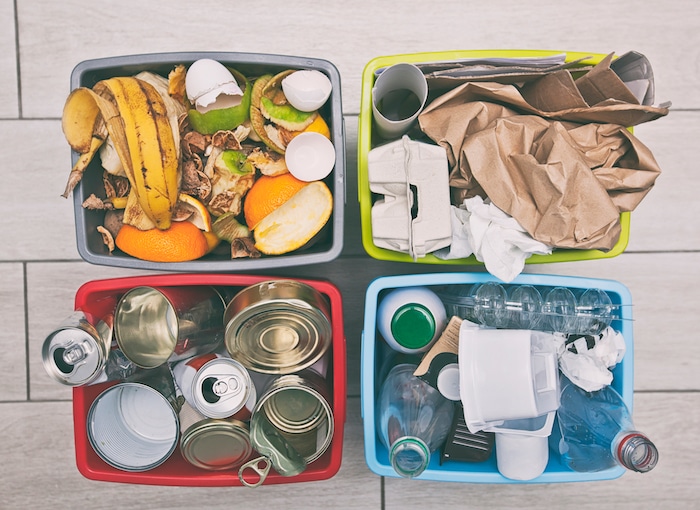
- Designated Bins: Have separate bins in your kitchen for different types of waste: recyclables, landfill waste, and organic waste (for composting kitchen scraps or collection).
- Small Compost Bin: A small, lidded bin on your countertop is perfect for collecting composting kitchen scraps throughout the day. Look for ones with charcoal filters to help control odors.
- Clear Labeling: Label your bins clearly to avoid confusion, especially if you have multiple people in the household.
What Goes Where?
Here’s a general guide for kitchen bin sorting:
| Waste Type | Examples | Disposal Method |
|---|---|---|
| Compostable | Fruit peels, vegetable scraps, coffee grounds, tea bags, eggshells, bread, pasta, rice, nuts, seeds | Composting (home or municipal), food waste collection |
| Recyclable | Glass bottles, plastic containers (check local guidelines), metal cans, paper, cardboard | Recycling bin |
| Landfill | Meat and dairy (unless accepted by local composting), oily foods, non-recyclable plastics, broken ceramics | General garbage bin |
| Hazardous Waste | Batteries, light bulbs, cleaning chemicals, expired medications | Special collection points |
Note: Always check your local council’s guidelines for what they accept for recycling and organic waste collection, as these can vary.
Step 3: Harnessing the Power of Composting Kitchen Scraps
Composting kitchen scraps is one of the most effective ways to divert food waste from landfills. It turns your kitchen discards into nutrient-rich compost that can be used to enrich soil. There are several composting methods to consider.
Home Composting Methods
- Outdoor Composting Bin: This is a classic method. You can buy a bin or build one yourself. Layer “greens” (kitchen scraps, grass clippings) with “browns” (dried leaves, shredded paper) and keep the mixture moist. This is a great way to handle larger volumes of organic waste management.
- Worm Composting (Vermicomposting): This method uses red wiggler worms to break down food scraps. It’s ideal for smaller spaces and can be done indoors or outdoors. Worm castings are an excellent fertilizer.
- Bokashi Composting: This is an anaerobic fermentation process that can handle a wider range of food scraps, including meat and dairy. It uses a special bran inoculated with microbes. The fermented material then needs to be buried in soil or added to a traditional compost bin.
- Electric Composter: These countertop appliances use heat and aeration to quickly break down food scraps into a dry, soil-like material within hours. While they use electricity, they significantly reduce the volume of food waste.
What Can Be Composted?
- Greens (Nitrogen-rich):
- Fruit and vegetable peels and scraps
- Coffee grounds and filters
- Tea bags (remove staples and plastic tags)
- Eggshells
- Grass clippings
- Browns (Carbon-rich):
- Dried leaves
- Shredded newspaper and cardboard
- Straw and hay
- Wood chips and sawdust (untreated wood)
What to Avoid Composting (Generally)
- Meat and dairy products (unless using Bokashi or specific high-temperature composters)
- Oily foods
- Diseased plants
- Weeds that have gone to seed
- Pet waste (can contain pathogens)
- Synthetics and non-biodegradable waste disposal items
Step 4: Utilizing Food Waste Recycling Services
If home composting isn’t feasible, many communities offer food waste recycling programs.
Municipal Food Waste Collection
- Curbside Collection: Some cities provide special bins for food scraps, which are collected regularly, similar to recycling.
- Drop-off Sites: Others have designated drop-off locations where residents can bring their food waste.
- Commercial Composting Facilities: The collected waste is then sent to large-scale composting facilities.
Checking Your Local Options
- Contact Your Local Council: This is the best way to find out about available kitchen waste collection services in your area. They can provide information on what is accepted and collection schedules.
- Community Gardens: Some community gardens have composting programs that accept food scraps from local residents.
Step 5: The Role of Garbage Disposals (with caution)
While garbage disposal tips can seem convenient, they are not always the most eco-friendly solution.
When and How to Use Garbage Disposals
- Check Local Regulations: Some municipalities do not allow food waste to be sent to wastewater treatment plants, as it can strain the system and may not be effectively treated. Always check your local rules.
- For Small Amounts of Biodegradable Waste: If your local regulations permit, garbage disposals can be used for small amounts of biodegradable waste disposal, particularly for items that are harder to compost at home, like small amounts of dairy or certain tough vegetable scraps.
- Grind Thoroughly: Ensure the disposal unit is running with cold water before, during, and after grinding to help flush the waste through the pipes.
- Avoid Fibrous Materials: Stringy vegetables like celery or corn husks can wrap around the disposal blades and cause jams.
- Limit Grease and Oil: Never pour grease or oil down the disposal, as it can solidify and clog pipes.
The Environmental Impact
When food waste is ground and sent to a wastewater treatment plant, it adds to the organic load. While modern plants can process some of this, it requires energy and resources. Furthermore, if the waste bypasses treatment or is discharged into waterways, it can lead to pollution. Therefore, composting kitchen scraps is generally considered a more sustainable approach to organic waste management.
Step 6: Reducing and Reusing Kitchen Waste
Beyond composting and recycling, there are other ways to handle your kitchen waste more sustainably.
Creative Reuse Ideas
- Citrus Peels: Use lemon and orange peels for cleaning – their natural oils can cut through grease and leave a fresh scent. They can also be candied or dried for flavoring.
- Vegetable Scraps for Broth: Keep a bag in your freezer for vegetable scraps (onion skins, carrot peels, celery ends) and use them to make delicious homemade vegetable broth.
- Coffee Grounds: Besides composting, coffee grounds can be used as a natural scrub for cleaning or as an exfoliant for skin.
- Eggshells: Crushed eggshells can be added to garden soil to provide calcium and deter pests like slugs.
Step 7: Choosing Biodegradable Waste Disposal Options
When purchasing products, consider those with biodegradable waste disposal in mind.
Understanding Biodegradability
- Compostable Packaging: Look for packaging labeled as “compostable” (either industrially or home compostable). These materials are designed to break down naturally.
- Avoid Single-Use Plastics: Where possible, opt for reusable items instead of single-use plastics that contribute to landfill waste.
Putting It All Together: A Holistic Approach to Kitchen Waste Collection
Effective kitchen waste collection isn’t just about throwing things away; it’s about a mindful approach from start to finish.
- Educate Yourself and Your Household: Ensure everyone in your home knows the rules for kitchen bin sorting and the importance of minimizing food waste.
- Regularly Review Your Habits: Periodically assess your kitchen waste. Are there recurring items you’re throwing away that could be prevented or repurposed?
- Stay Informed: Keep up-to-date with any changes in local food waste recycling programs or new sustainable disposal methods.
Table: Comparing Kitchen Waste Disposal Methods
| Method | Pros | Cons | Best For |
|---|---|---|---|
| Home Composting | Reduces landfill waste, creates valuable fertilizer, good for the environment. | Requires space and some effort, might have odor if not managed well. | Households with yards, gardeners, those wanting to create their own compost. |
| Municipal Collection | Convenient, large-scale processing, diverts significant waste. | Dependent on local services, not always available. | Households without space/time for home composting, urban dwellers. |
| Worm Composting | Excellent fertilizer, efficient for smaller spaces, can be done indoors. | Requires specific care for worms, limited capacity for large amounts. | Apartment dwellers, small households, those interested in vermicompost. |
| Bokashi Composting | Handles meat/dairy, compact, produces nutrient-rich liquid. | Requires purchase of bran, fermented product needs further processing. | Households with limited space, those wanting to compost all food scraps. |
| Garbage Disposal | Quick disposal of small food scraps. | Can strain wastewater systems, not always eco-friendly, can cause clogs. | Very limited use, only where permitted and for small quantities. |
Frequently Asked Questions (FAQ)
Q1: What are the most common types of kitchen waste?
The most common types of kitchen waste include fruit and vegetable scraps, coffee grounds, tea bags, eggshells, bread, grains, and leftovers.
Q2: Can I compost meat and dairy products?
Generally, it’s best to avoid composting meat and dairy in traditional home compost bins as they can attract pests and create odors. However, Bokashi composting systems and some high-temperature electric composters can handle these items. Always check your specific composting method’s guidelines.
Q3: How do I prevent my compost bin from smelling bad?
To prevent odors, maintain a good balance of “greens” (nitrogen-rich materials like food scraps) and “browns” (carbon-rich materials like dried leaves or shredded paper). Ensure your compost is not too wet, and turn it regularly to aerate it. Covering food scraps with a layer of brown material can also help.
Q4: What if my local area doesn’t have a food waste recycling program?
If municipal collection isn’t available, home composting is an excellent alternative. You can also explore local community gardens or farms that might accept food scraps.
Q5: Are “compostable” plastic bags safe for my compost bin?
Only use bags specifically certified as “home compostable” if you have a home compost system. “Industrially compostable” bags need to go to commercial composting facilities and may not break down properly in a home setup. Check the certifications carefully.
Q6: How can I make my kitchen waste collection more efficient?
Set up clearly labeled bins, keep a small countertop caddy for food scraps, and rinse recyclable items before placing them in their respective bins to prevent odors and contamination. Regular emptying of your bins is also key.
By adopting these eco-friendly steps for kitchen waste collection, you contribute to a healthier planet and a more sustainable lifestyle. From minimizing food waste through smart shopping to mastering composting kitchen scraps, every action makes a difference in effective organic waste management.