
Imagine a world filled with powerful gods, brave heroes, and epic quests. That’s the world of Greek mythology! From the mighty Zeus ruling Mount Olympus to the cunning Odysseus battling monsters, these ancient stories have captured imaginations for thousands of years. They explain the world, teach us about ourselves, and are just plain fun.
But when you want to dive into this fascinating realm, where do you even start? The sheer number of books about Greek mythology can feel overwhelming. Are you looking for a straightforward retelling of the myths, or do you want to explore the characters in more detail? Do you prefer stories for younger readers, or are you ready for more complex tales? It’s easy to feel lost in the labyrinth of titles.
Fear not, fellow adventurer! This guide is your trusty map through the world of Greek mythology books. We’ll explore some of the best options out there, breaking down what makes them great. By the end, you’ll have a clearer idea of which book will spark your imagination and transport you to ancient Greece.
Our Top 5 Books About Greek Mythology Recommendations at a Glance
Top 5 Books About Greek Mythology Detailed Reviews
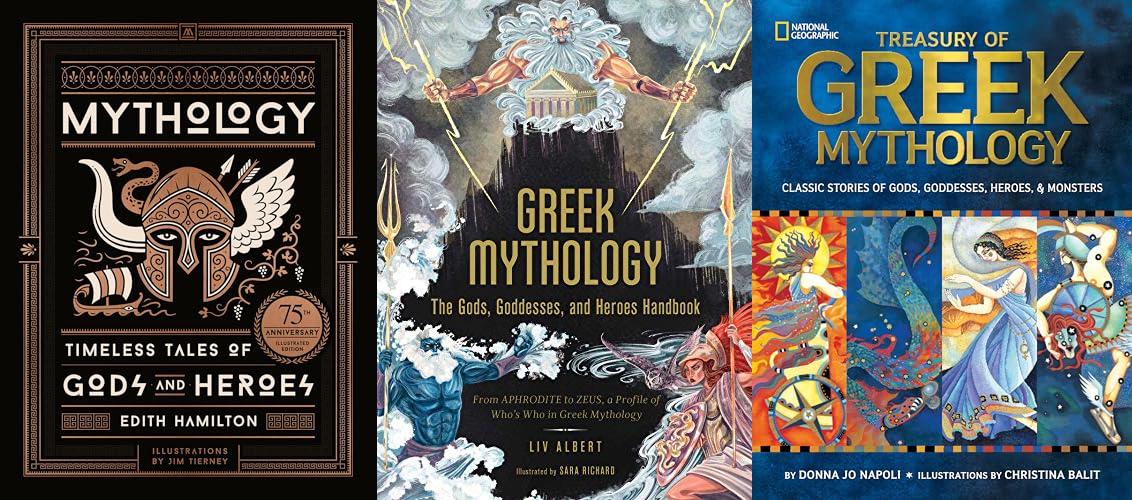
1. Mythology (75th Anniversary Illustrated Edition): Timeless Tales of Gods and Heroes

Rating: 9.4/10
Dive into the epic world of gods and heroes with this stunning 75th Anniversary Illustrated Edition of Mythology. This book brings ancient stories to life with beautiful pictures. It’s a treasure for anyone who loves to read and explore fascinating tales.
What We Like:
- A fantastic choice for any book lover.
- The stories are engaging and a joy to read.
- The book arrived in excellent condition, ready to be enjoyed.
- The illustrations add a special touch to the timeless myths.
- It’s a great way to learn about different cultures and their legends.
What Could Be Improved:
- Some readers might prefer a larger font size for extended reading sessions.
- While the illustrations are beautiful, a few more might have been welcome.
This edition is a wonderful way to experience classic myths. It’s a book that will be cherished for years to come.
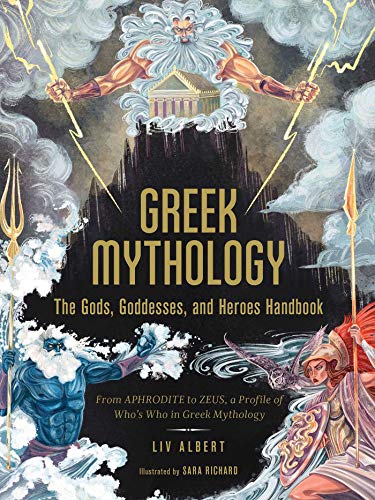
2. Greek Mythology: The Gods
Rating: 9.0/10
Dive into the epic world of ancient Greece with the “Greek Mythology: The Gods, Goddesses, and Heroes Handbook.” This book unlocks the stories of powerful deities and brave heroes. You will learn about figures from Aphrodite, the goddess of love, to Zeus, the king of the gods. It’s your guide to understanding the fascinating characters that shaped Greek myths.
What We Like:
- Clear and engaging profiles of each god, goddess, and hero.
- Easy-to-understand language, perfect for younger readers or newcomers to mythology.
- Comprehensive coverage, introducing a wide range of important figures.
- Helps build a strong foundation for understanding classic literature and art.
What Could Be Improved:
- More visual aids, like illustrations or maps, would enhance the learning experience.
- Deeper dives into specific myths or the relationships between deities could be explored further.
This handbook is an excellent starting point for anyone curious about Greek mythology. It makes learning about these ancient stories accessible and enjoyable.
3. Treasury of Greek Mythology: Classic Stories of Gods

Rating: 8.7/10
Embark on an epic journey through ancient Greece with the “Treasury of Greek Mythology: Classic Stories of Gods, Goddesses, Heroes & Monsters” from National Geographic Treasuries. This book brings to life the captivating tales of powerful gods, brave heroes, and terrifying monsters that have shaped stories for centuries. It’s an ideal introduction for young readers to the fascinating world of Greek myths.
What We Like:
- The stories are told in a clear and engaging way, making them easy for sixth and seventh graders to understand.
- Beautiful illustrations and vibrant images from National Geographic bring the myths to life.
- It covers a wide range of well-known myths, from Zeus’s thunderbolts to Hercules’s mighty labors.
- The book is well-organized, guiding readers smoothly through the complex relationships and adventures of the gods and heroes.
- It sparks imagination and encourages a love for history and storytelling.
What Could Be Improved:
- Some younger readers might find certain aspects of the myths a little intense, though the presentation is generally age-appropriate.
- More detailed maps of ancient Greece could enhance the geographical context of the stories.
This treasury is a fantastic gateway to the enduring legends of Greek mythology. It promises hours of educational and imaginative reading for young adventurers.
4. Ultimate Greek Mythology: Adventurous Stories

Rating: 8.6/10
Dive into the epic world of ancient Greece with “Ultimate Greek Mythology: Adventurous Stories, Fun Facts, Amazing History, and Beyond!” This book unlocks the thrilling tales of gods, goddesses, heroes, and monsters. You’ll explore the origins of myths and discover how they shaped history. It’s a journey packed with adventure and knowledge.
What We Like:
- The stories are super exciting and easy to follow.
- You learn lots of cool facts about Greek myths.
- The history part makes the myths even more interesting.
- It covers a wide range of topics beyond just the main stories.
- The book is engaging for young readers.
What Could Be Improved:
- More pictures would make the stories even more vivid.
- Some of the more complex relationships between gods could be explained more simply.
- A glossary of terms might be helpful for new readers.
This book is a fantastic way to spark a love for mythology. It offers a rich and entertaining experience for anyone curious about the ancient Greek world.
5. D’Aulaires’ Book of Greek Myths

Rating: 9.1/10
Discover the captivating world of ancient Greece with “D’Aulaires’ Book of Greek Myths.” This beautifully illustrated book brings to life the stories of gods, goddesses, heroes, and monsters that have shaped Western culture for centuries. It’s a treasure trove of mythology, perfect for young readers eager to explore epic tales of love, war, and adventure.
What We Like:
- The stunning, hand-drawn illustrations by D’Aulaire’s are simply breathtaking. They make the myths jump off the page.
- The stories are told in a clear and engaging way, making them easy for 6th and 7th graders to understand and enjoy.
- It covers a wide range of well-known myths, from Zeus and the Olympians to Hercules and Perseus.
- The book is organized logically, making it simple to navigate and find specific myths or characters.
- It sparks imagination and encourages a love for reading and history.
What Could Be Improved:
- Some of the more complex family trees of the gods might be a little confusing at first glance.
- While generally accessible, a few of the more mature themes present in some myths are handled with a light touch, which might leave older readers wanting a bit more depth.
This book is an essential addition to any home or school library, offering an enchanting gateway into the foundational stories of Greek mythology.
Unveiling the Myths: Your Guide to Books About Greek Mythology
Are you ready to journey to Mount Olympus and meet gods, goddesses, heroes, and monsters? Books about Greek mythology offer a fantastic way to explore ancient stories and epic adventures. Whether you’re a curious beginner or a seasoned myth-lover, this guide will help you find the perfect book.
1. Key Features to Look For
When choosing a book about Greek mythology, consider what you want to get out of it.
Storytelling Style
- Retellings: These books take classic myths and tell them in a fresh, engaging way. They often focus on making the stories accessible and exciting for modern readers.
- Encyclopedic Guides: These books offer a broad overview of many gods, heroes, and myths. They are great for quick reference and learning about many characters.
- Academic Texts: These are more in-depth books, often for older readers or those who want to study the myths closely. They might include original Greek texts or detailed historical analysis.
Content Coverage
- Specific Myths: Some books focus on one or two famous stories, like the tale of Perseus or the Trojan War.
- Major Gods and Goddesses: Other books dive deep into the lives and powers of the Olympian gods.
- Heroes and Quests: You might find books dedicated to the adventures of heroes like Hercules or Odysseus.
Illustrations and Visuals
- Artistic Renditions: Beautiful artwork can bring the myths to life. Look for books with paintings, drawings, or even photographs of ancient art.
- Maps and Family Trees: These can help you understand the relationships between the gods and the locations of ancient Greece.
2. Important Materials
The physical aspects of a book can also matter.
- Paper Quality: Good quality paper makes the book feel nice to hold and read. It also helps illustrations stand out.
- Binding: A sturdy binding ensures your book lasts a long time. Hardcover books are generally more durable than paperback.
- Cover Design: An appealing cover draws you in. It should hint at the exciting stories inside.
3. Factors That Improve or Reduce Quality
Several things make a Greek mythology book great or not so great.
What Makes a Book Great:
- Accurate Information: The book should present the myths faithfully, even when retold.
- Clear Language: The writing should be easy to understand, especially for younger readers. Complex words can be explained or avoided.
- Engaging Narration: A good storyteller makes you want to keep reading. They build excitement and connect you to the characters.
- Helpful Extras: Glossaries, indexes, and bibliographies improve a book’s usefulness.
What Can Make a Book Less Appealing:
- Confusing Plots: If the story jumps around too much or is hard to follow, it loses its magic.
- Dry Writing: A book that feels like a textbook can be boring.
- Inaccurate Details: Getting names or stories wrong takes away from the authenticity.
4. User Experience and Use Cases
Who is this book for, and how will they use it?
- For Young Readers (Ages 8-12): These books often have colorful illustrations and simplified language. They introduce the main gods and heroes in an exciting way. Kids can read them for fun or use them for school projects.
- For Teens and Young Adults: These retellings might explore deeper themes or have more complex characters. They are perfect for discovering more detailed stories and character motivations.
- For General Interest Readers: These books offer a good balance of information and storytelling. They are ideal for anyone wanting to learn about Greek mythology without needing to be an expert. You can read them cover-to-cover or dip into specific myths.
- As a Reference: A well-organized guide can be a go-to source when you encounter a myth or character you don’t know.
Frequently Asked Questions (FAQ)
Q: What are the main Key Features to look for in a Greek mythology book?
A: You should look for a clear storytelling style (like retellings or encyclopedic guides), good coverage of the myths you’re interested in, and appealing illustrations or visuals that help bring the stories to life.
Q: What kind of materials are important for these books?
A: Good quality paper makes the book pleasant to read, and a sturdy binding ensures it lasts. An attractive cover also adds to the overall appeal.
Q: What factors improve the quality of a Greek mythology book?
A: Accurate information, clear and engaging language, and helpful additions like glossaries or maps significantly improve a book’s quality. A skilled narrator makes the stories come alive.
Q: What factors can reduce the quality of a Greek mythology book?
A: Confusing plots, dry writing that feels like a textbook, and inaccurate details can make a book less enjoyable and lower its quality.
Q: How can I know if a book is written for my age group?
A: Look at the publisher’s recommended age range. Books for younger readers often have more pictures and simpler sentences. Books for older readers might have more complex language and deeper themes.
Q: Are there books that focus on specific Greek myths?
A: Yes, many books focus on individual myths like the story of Icarus, the adventures of Odysseus, or the creation myths. These are great for a deep dive into one story.
Q: What if I want to learn about all the gods and goddesses?
A: Look for encyclopedic guides or comprehensive overviews. These books usually have sections dedicated to each major god and goddess, explaining their powers and roles.
Q: Do illustrations make a big difference?
A: Illustrations can make a huge difference! They help you visualize the characters and scenes, making the myths more memorable and exciting, especially for younger readers.
Q: Can I use these books for school?
A: Absolutely! Many books about Greek mythology are excellent resources for school projects, reports, and learning about ancient history and literature.
Q: What is the difference between a retelling and an academic text?
A: A retelling focuses on telling the story in an engaging way for a broad audience. An academic text is more scholarly, often analyzing the myths or including original languages, and is usually for advanced study.
In conclusion, every product has unique features and benefits. We hope this review helps you decide if it meets your needs. An informed choice ensures the best experience.
If you have any questions or feedback, please share them in the comments. Your input helps everyone. Thank you for reading.