
A leaking kitchen sink can be a real nuisance, but can you fix a leaking kitchen sink yourself? Yes, in many cases, you can fix a leaking kitchen sink yourself with some basic tools and a little know-how. This guide will walk you through common culprits and how to tackle them swiftly to prevent further water damage under sink and costly plumbing repair kitchen sink bills.
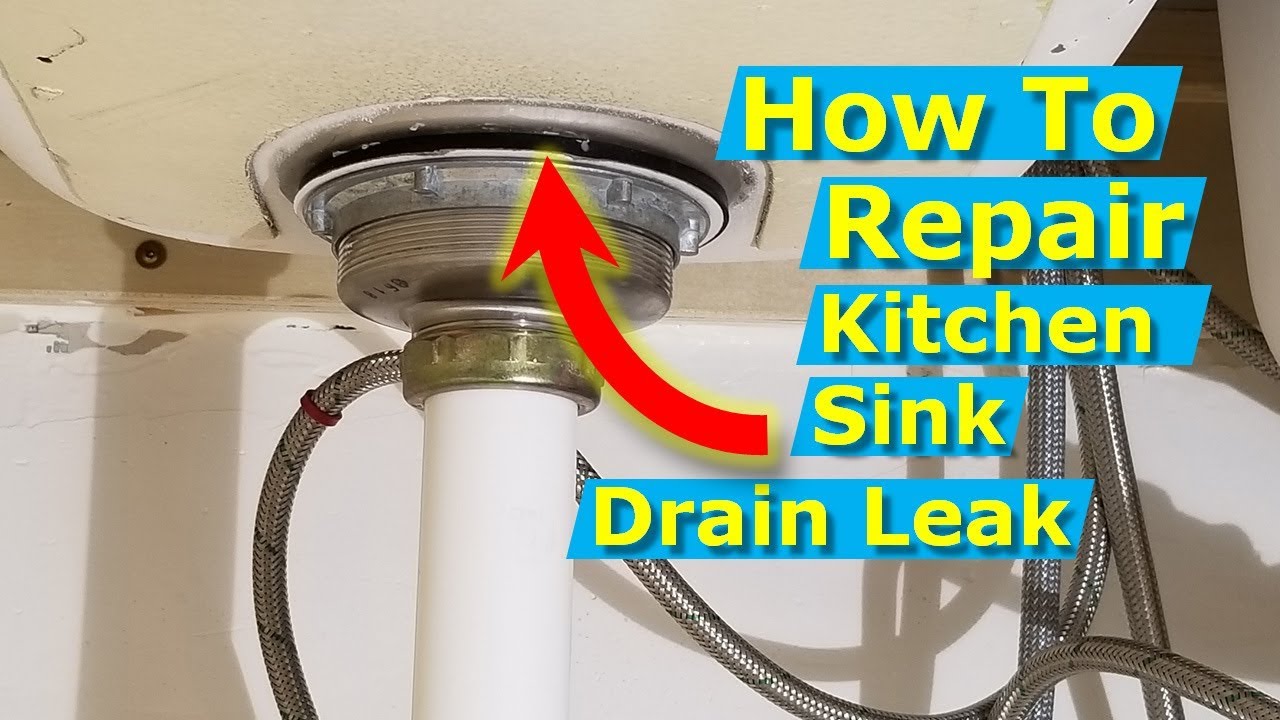
Image Source: i.ytimg.com
Pinpointing the Source of the Leak
Before you can fix a leak, you need to know where it’s coming from. Even a small kitchen sink drain leak or a dripping kitchen faucet can waste a surprising amount of water. Let’s identify the common areas to check:
Under the Sink: The Hub of Potential Problems
The area under your kitchen sink is often where the magic (or mayhem) happens. This is where you’ll find all the pipes, traps, and connections that carry water away.
- Sink Trap (P-Trap): This U-shaped pipe is designed to hold water, creating a seal that prevents sewer gases from entering your home. It’s a common spot for a leaky sink trap.
- Drain Pipes and Connectors: The pipes leading away from the trap can develop cracks or loose connections.
- Water Supply Lines: These flexible or rigid hoses connect your faucet to the hot and cold water shut-off valves. Leaks here can be serious and lead to significant water damage under sink.
- Garbage Disposal Connections: If you have a garbage disposal, check where it connects to the sink drain and the dishwasher.
- Dishwasher Drain Hose: Ensure the hose from your dishwasher to the drain is secure and not cracked.
- Shut-off Valves: These valves control the water flow to your faucet. Sometimes, the valves themselves can leak.
Above the Sink: The Faucet’s Domain
Your faucet is the most visible part of the sink, and leaks here are often obvious.
- Dripping Faucet: A constant drip from the spout usually means a worn-out washer, O-ring, or cartridge inside the faucet. This is a classic leaky faucet repair scenario.
- Loose Faucet Handle: A loose faucet handle might not seem like a leak, but it can allow water to seep into the faucet body and surrounding sink deck, leading to damage.
- Faucet Base: Water pooling around the base of the faucet can indicate a problem with the seals or mounting hardware.
Tools and Materials You’ll Likely Need
Having the right tools on hand will make your repair process much smoother. Here’s a basic list:
- Adjustable Wrench: For tightening and loosening various nuts and fittings.
- Pipe Wrench: Useful for gripping and turning pipes, especially if they are stubborn.
- Plumber’s Tape (PTFE Tape): Essential for creating watertight seals on threaded connections.
- Bucket or Basin: To catch any residual water when you disconnect pipes.
- Rags or Towels: For drying up spills and keeping your workspace clean.
- Flashlight: To illuminate those dark, cramped spaces under the sink.
- Replacement Parts: Depending on the leak source, you might need new O-rings, washers, cartridges, or even a whole new pipe fitting.
Step-by-Step Guide to Fixing Common Leaks
Let’s break down how to address the most frequent causes of a sink pipe leak.
1. Addressing a Dripping Kitchen Faucet
A dripping kitchen faucet is a common annoyance and a waste of water. The most likely culprits are worn-out internal parts.
How to Stop Sink Leak from the Faucet:
- Turn off the Water Supply: Locate the shut-off valves under the sink (usually one for hot and one for cold water). Turn them clockwise until they are snug. If you can’t find them or they don’t work, you’ll need to shut off the main water supply to your house.
- Disassemble the Faucet:
- Handle Removal: For most faucets, you’ll find a decorative cap on the handle. Pry this off gently with a flathead screwdriver. Underneath, there will be a screw holding the handle in place. Remove this screw.
- Cartridge or Stem Removal: Once the handle is off, you’ll see the faucet’s internal mechanism. This could be a cartridge (common in single-handle faucets) or a stem (in older two-handle faucets). There might be a retaining nut or clip holding it in place. Carefully remove these.
- Inspect and Replace: Examine the cartridge or stem. Look for any visible cracks or wear. Replace any worn O-rings or washers. It’s often easiest to take the old part to a hardware store to get an exact match.
- Reassemble the Faucet: Put everything back together in reverse order.
- Turn Water Back On: Slowly turn the shut-off valves back on. Check for leaks.
Table: Common Faucet Leak Causes and Fixes
| Faucet Type | Common Leak Source | Solution |
|---|---|---|
| Single-Handle | Cartridge | Replace cartridge, check O-rings |
| Two-Handle | O-ring, Washer, Valve Seat | Replace O-rings, washers, or valve seat |
| Pull-Out Sprayer | Hose connection, sprayer head O-ring | Tighten connection, replace O-ring |
2. Fixing a Leaky Sink Trap (P-Trap)
The P-trap can develop leaks due to loose connections or cracks.
How to Fix a Leaking Kitchen Sink Drain:
- Place a Bucket: Position a bucket directly beneath the P-trap to catch any water.
- Loosen Slip Nuts: The P-trap is typically held together by large plastic or metal nuts called slip nuts. Loosen these by hand or with an adjustable wrench. Turn counter-clockwise.
- Inspect the Trap: Once loosened, you can carefully remove the P-trap. Check the rubber washers inside the slip nuts. If they are cracked, brittle, or deformed, they need to be replaced. Also, inspect the trap itself for any cracks.
- Clean and Reassemble: Clean the inside of the trap and the connecting pipes. Ensure the new washers are seated correctly.
- Tighten Slip Nuts: Reattach the P-trap and tighten the slip nuts. Don’t overtighten, especially if they are plastic, as this can cause them to crack.
- Test for Leaks: Run water down the sink and check the P-trap connections for any drips.
3. Repairing Leaks in Drain Pipes and Connectors
Cracked pipes or loose fittings in your under sink plumbing can lead to a significant kitchen sink drain leak.
- Identify the Leaking Pipe/Connector: Carefully dry the pipes and follow the trail of water to its origin.
- Tighten Connections: For minor leaks at a joint, try gently tightening the connecting nut with an adjustable wrench.
- Temporary Fix (for minor cracks): If there’s a small crack in a plastic pipe, you can sometimes use waterproof repair tape specifically designed for plumbing. Wrap it tightly around the damaged area, following the manufacturer’s instructions. This is usually a temporary solution until you can replace the pipe.
- Replacing a Section of Pipe: If a pipe is significantly cracked or corroded, it’s best to replace the damaged section.
- Turn off Water: Crucial for any plumbing repair.
- Disassemble: Loosen the slip nuts connecting the damaged pipe section.
- Measure and Cut: Measure the old pipe section accurately. If it’s PVC, use a PVC pipe cutter to make clean cuts.
- Install New Pipe: Use new slip nuts and washers. For PVC, you’ll also need PVC primer and cement to create a strong bond. Follow the product instructions carefully.
- Test: Turn the water back on and check for leaks.
4. Fixing Leaks from Water Supply Lines
A leak in these lines can cause rapid water damage under sink.
- Locate the Shut-off Valve: Turn off the water supply to the faucet using the under-sink valves.
- Disconnect the Line: Place a bucket to catch water. Use an adjustable wrench to disconnect the supply line from the faucet and the shut-off valve.
- Inspect the Line: Check the rubber washers at both ends of the supply line. If they are damaged or missing, replace them. If the supply line itself is cracked or corroded, it needs to be replaced entirely.
- Replace the Line:
- Get the Right Size: Take the old line to the store to ensure you get the correct length and thread type.
- Connect: Attach the new supply line to the shut-off valve first, then to the faucet. Hand-tighten first, then use a wrench for a snug fit (usually about a quarter to a half turn past hand-tight).
- Test: Turn the water back on slowly and check for leaks at both connections.
5. Sealing Around the Faucet Base
Water pooling around the faucet base suggests a problem with the seal between the faucet and the sink.
- Tighten Faucet Mounting Nuts: Look under the sink where the faucet attaches. There are usually large nuts holding it in place. Try tightening these.
- Apply Plumber’s Putty or Silicone Sealant: If tightening doesn’t work, you may need to remove the faucet, clean the old sealant off the sink and faucet base, apply a fresh bead of plumber’s putty or silicone sealant around the faucet base, and then re-install the faucet.
When to Call a Professional Plumber
While many kitchen sink leaks are DIY-friendly, there are times when it’s best to call in an expert for plumbing repair kitchen sink.
- Persistent Leaks: If you’ve tried several fixes and the leak continues, it might be time for a professional.
- Major Pipe Damage: If you discover widespread corrosion or large cracks in your main drain or supply pipes, a professional plumber has the tools and expertise to handle it safely.
- Uncertainty: If you’re unsure about any step or uncomfortable with the repair, don’t risk making the problem worse.
- Main Shut-off Valve Issues: If you can’t find your main water shut-off valve or it’s not working, a plumber is needed.
Preventing Future Leaks
Prevention is key to avoiding future leaks and the stress they bring.
- Regular Inspection: Make it a habit to check under your sink and around your faucet periodically for any signs of moisture or drips.
- Don’t Over-tighten: When tightening nuts and fittings, remember that “snug” is usually enough. Over-tightening can damage seals and pipes.
- Use Plumber’s Tape: Always use plumber’s tape on threaded pipe connections to ensure a good seal.
- Avoid Harsh Chemicals: Do not pour harsh drain cleaners down your sink, as they can corrode pipes and damage seals over time.
- Address Small Leaks Promptly: Don’t ignore minor drips. A small leak can quickly turn into a major problem if left unattended, leading to more significant water damage under sink.
Frequently Asked Questions (FAQ)
Q: How often should I check for leaks under my sink?
A: It’s a good practice to check for leaks at least once every few months, and after any significant plumbing work is done.
Q: What is plumber’s putty used for?
A: Plumber’s putty is a soft, malleable compound used to create a watertight seal around plumbing fixtures like sink drains and faucet bases, preventing water from seeping into unwanted areas.
Q: Can I use duct tape to fix a leaky pipe?
A: While duct tape might offer a very temporary, emergency fix for a minor leak on a non-pressurized pipe, it’s not a reliable long-term solution. It’s best to use specialized plumbing tape or replace the damaged section for a proper repair.
Q: My faucet is constantly dripping, what’s the easiest way to stop it?
A: The most common reason for a dripping faucet is a worn-out washer or cartridge. Replacing these internal components is usually the quickest and most effective way to stop a dripping kitchen faucet.
Q: What can cause a sink pipe leak that isn’t at a connection?
A: Cracks or corrosion in the pipe material itself can cause leaks. This is more common with older metal pipes but can also happen with plastic pipes if they are damaged.
By following these steps, you can effectively address many common kitchen sink leaks and keep your kitchen dry and functional. Remember to always prioritize safety and call a professional if you’re ever in doubt.