
Can you repair a Moen kitchen faucet yourself? Yes, you absolutely can repair a Moen kitchen faucet yourself with a little guidance and the right tools. This comprehensive guide will walk you through common Moen kitchen faucet issues and provide easy-to-follow steps for fixing them, saving you time and money on professional plumbing services.
A leaky or malfunctioning Moen kitchen faucet can be a real nuisance. Dripping water wastes resources and can drive up your utility bills. Fortunately, most common Moen faucet problems are relatively simple to address with a DIY approach. This Moen faucet repair guide will equip you with the knowledge to tackle issues like a Moen kitchen sink faucet leak, a faulty handle, or a sputtering sprayer. We’ll cover everything from identifying the problem to gathering the necessary Moen faucet parts and executing the repairs.
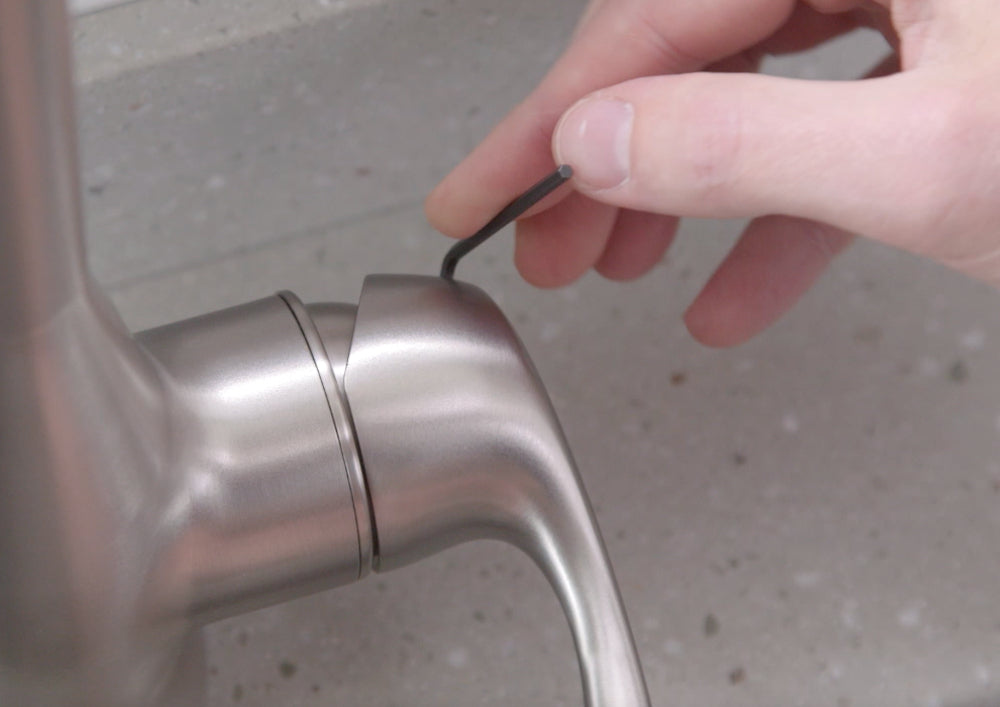
Image Source: shop.moen.com
Gathering Your Tools and Supplies
Before you begin any repair, it’s essential to have the right tools and supplies on hand. This will ensure a smoother and more efficient repair process.
Essential Tools for Moen Faucet Repair
- Adjustable Wrench: This is your go-to tool for loosening and tightening various nuts and fittings.
- Phillips and Flathead Screwdrivers: You’ll likely need both for removing handle screws and other components.
- Allen Wrench Set: Many Moen faucets use Allen screws to secure handles.
- Plumber’s Grease (Silicone-Based): This lubricant helps with smooth operation and seals.
- Rag or Towel: For cleaning up water and protecting surfaces.
- Bucket or Bowl: To catch any residual water when you disassemble parts.
- Penetrating Oil (Optional): For loosening stubborn or corroded parts.
- Utility Knife or Small Pry Bar: Useful for gently prying off decorative caps.
- Safety Glasses: To protect your eyes from debris.
Key Moen Faucet Parts to Have
While we’ll discuss specific parts for specific issues, it’s a good idea to be aware of some common replacements:
- Cartridge: This is the heart of your faucet, controlling water flow and temperature. A worn cartridge is a very common cause of leaks.
- O-Rings and Seals: These small rubber components prevent leaks. They can degrade over time.
- Aerator: This is the screen at the end of the spout that controls the water flow and reduces splashing.
- Sprayer Head and Hose: If your sprayer is malfunctioning.
Common Moen Kitchen Faucet Problems and Solutions
Let’s dive into the most frequent issues and how to fix them.
1. How to Fix a Dripping Moen Faucet
A constant drip is perhaps the most common and annoying faucet problem. This usually points to a worn-out internal component. The most likely culprit is the Moen faucet cartridge replacement.
Deciphering the Cause of a Dripping Faucet
- Worn Cartridge: This is the primary suspect. The internal seals and mechanisms within the cartridge can wear out over time, allowing water to seep through.
- Loose Parts: Sometimes, a loose connection or improperly seated component can cause a slow drip.
- Debris in the Valve Seat: Small particles of sediment can lodge themselves in the valve seat, preventing a complete seal.
Step-by-Step Guide for Moen Faucet Cartridge Replacement
This is a core skill for leaky Moen faucet troubleshooting.
Step 1: Turn Off the Water Supply
* Locate the shut-off valves under your sink. There should be one for hot water and one for cold.
* Turn these valves clockwise until they are fully closed.
* Turn on the faucet to release any remaining water pressure and ensure the water is off.
Step 2: Remove the Faucet Handle
* Look for a decorative cap on the handle. This often covers a screw. Gently pry off the cap with a flathead screwdriver or utility knife.
* Use the appropriate screwdriver (usually Phillips) or an Allen wrench to remove the screw holding the handle in place.
* Once the screw is removed, carefully pull the handle straight up and off the faucet stem. If it’s stuck, a gentle wiggle might help. Avoid forcing it.
Step 3: Remove the Handle Adapter or Bonnet Nut
* Beneath the handle, you’ll find a metal piece that secures the cartridge. This might be a handle adapter or a bonnet nut.
* Use an adjustable wrench to loosen and remove this part. Turn it counter-clockwise.
Step 4: Remove the Cartridge
* Now you should see the cartridge. Moen cartridges often have a clip or retaining nut holding them in place.
* For cartridges with a clip: Look for a small metal clip that slides into the faucet body. Use pliers or a screwdriver to gently pull this clip out.
* For cartridges with a retaining nut: Use your adjustable wrench to unscrew the retaining nut counter-clockwise.
* Once any securing mechanism is removed, you can pull the cartridge straight out. If it’s stuck, you might need a cartridge puller tool (available at hardware stores) designed specifically for Moen cartridges. This is a common part of Moen faucet repair.
Step 5: Inspect and Clean
* Examine the old cartridge for any signs of wear, damage, or mineral buildup.
* Inspect the inside of the faucet body for any debris or sediment. Clean it out with a soft cloth.
Step 6: Install the New Cartridge
* Ensure you have the correct replacement cartridge for your specific Moen faucet model. You can often find the model number on the faucet itself or in your original purchase documentation. Moen parts are often readily available.
* Lightly grease the O-rings on the new cartridge with plumber’s grease.
* Align the new cartridge with the faucet body, ensuring it’s oriented correctly (there’s usually a specific way it fits).
* Slide the new cartridge into place.
* Reinstall the clip or retaining nut to secure the cartridge.
Step 7: Reassemble the Faucet
* Replace the handle adapter or bonnet nut and tighten it with your wrench.
* Place the handle back onto the stem.
* Reinsert and tighten the handle screw.
* Snap the decorative cap back into place.
Step 8: Turn Water Back On and Test
* Slowly turn the water supply valves back on.
* Check for leaks around the handle and spout.
* Operate the faucet to ensure smooth water flow and proper temperature control.
2. Fixing a Leaky Moen Kitchen Sink Faucet (Other Leak Points)
While the cartridge is the most common cause of drips from the spout, leaks can occur elsewhere. This section helps with Moen kitchen sink faucet leak issues beyond the spout.
Troubleshooting Leaks from the Base of the Faucet
If water is pooling around the base of your faucet, it often indicates a problem with the O-rings or seals located where the spout connects to the faucet body.
Step-by-Step Guide for Spout Leaks at the Base
Step 1: Turn Off Water Supply
* As always, shut off the hot and cold water valves under the sink.
Step 2: Remove the Spout
* Look for a retaining ring or screw at the back or underside of the faucet where the spout meets the body.
* You might need to remove a decorative cover or cap first.
* Use an adjustable wrench or appropriate tool to loosen and remove this securing mechanism.
* Once loosened, twist and pull the spout upwards to remove it. It might require a gentle wiggle.
Step 3: Inspect and Replace O-Rings
* At the bottom of the spout, you’ll find one or more O-rings.
* Carefully remove the old O-rings. You might need a small flathead screwdriver or a pick tool.
* Clean the area where the O-rings sit on the spout and within the faucet body.
* Lubricate the new O-rings with plumber’s grease.
* Install the new O-rings, ensuring they are seated properly and not twisted.
Step 4: Reassemble the Faucet
* Slide the spout back into place, ensuring it aligns correctly.
* Reinstall the retaining ring or screw and tighten it.
* Replace any decorative covers.
Step 5: Turn Water Back On and Test
* Turn the water supply back on and check for leaks around the spout base.
Addressing Leaks from the Handle Area
If water is leaking from around the faucet handle, it could be a sign of a loose bonnet nut or a damaged O-ring on the valve stem.
Step 1: Turn Off Water Supply
* Shut off the hot and cold water valves.
Step 2: Remove the Handle
* Follow the steps outlined in section 1 (How to Fix a Dripping Moen Faucet) to remove the handle and any decorative components.
Step 3: Tighten the Bonnet Nut
* Once the handle is off, locate the bonnet nut that holds the cartridge assembly in place.
* Use an adjustable wrench to gently tighten this nut clockwise. Don’t overtighten, as this can damage the faucet.
* If tightening doesn’t stop the leak, you may need to remove the bonnet nut entirely, replace any O-rings or seals around the valve stem, and then reassemble.
Step 4: Reassemble and Test
* Reattach the handle, screw, and cap.
* Turn the water back on and check for leaks.
3. Moen Faucet Handle Repair
Sometimes, the faucet handle itself can become loose or wobbly. This is a straightforward Moen faucet handle repair.
Resolving a Loose or Wobbly Handle
Step 1: Locate and Remove the Handle Screw
* Look for the decorative cap on the handle. Pry it off gently.
* You’ll see a screw underneath. Use the appropriate screwdriver or Allen wrench to loosen and remove this screw.
Step 2: Remove the Handle
* Pull the handle straight up and off the faucet stem.
Step 3: Inspect the Handle and Stem
* Check the handle for any cracks or damage.
* Examine the faucet stem for any bent or stripped splines where the handle attaches.
Step 4: Tighten or Replace Components
* If the handle is just loose, ensure the screw is tightened securely when reattaching.
* If the splines on the stem are damaged, you might need to replace the entire stem assembly or, in some cases, the cartridge if the stem is part of it.
* If the handle itself is damaged, you’ll need to purchase a replacement handle compatible with your Moen model.
Step 5: Reassemble and Test
* Reattach the handle, screw it in, and replace the decorative cap.
* Test the handle’s stability and operation.
4. Moen Faucet Sprayer Fix
A common issue is a sprayer that doesn’t work correctly, either leaking, having low water pressure, or not retracting properly. This is often a Moen faucet sprayer fix that involves the sprayer head, hose, or diverter.
Addressing a Malfunctioning Sprayer
Step 1: Turn Off Water Supply
* Shut off the hot and cold water valves under the sink.
Step 2: Detach the Sprayer Hose
* Locate where the sprayer hose connects to the faucet body, usually under the sink.
* There might be a quick-connect fitting or a threaded connection. Disconnect it. Have a bucket ready as some water may drain out.
Step 3: Inspect the Sprayer Head and Hose
* Sprayer Head: Unscrew the sprayer head from the hose. Look for debris or mineral buildup around the spray holes. Clean these with a toothbrush or by soaking in vinegar. If the head is cracked or significantly damaged, it may need replacement.
* Sprayer Hose: Inspect the hose for any kinks, cracks, or leaks. A damaged hose will need to be replaced.
Step 4: Check the Diverter
* The diverter is a valve inside the faucet body that directs water to either the spout or the sprayer. If the sprayer isn’t working or the water is coming from both, the diverter might be the problem.
* The diverter is typically located within the faucet body, sometimes integrated with the cartridge. You might need to remove the handle and cartridge (as per section 1) to access and inspect or replace the diverter. Consult your faucet’s manual for its specific diverter location and removal.
Step 5: Replace Parts if Necessary
* If the sprayer head or hose is damaged, purchase exact replacements. Ensure you get the correct Moen faucet parts.
* If the diverter is faulty, replace it.
Step 6: Reassemble and Test
* Reconnect the sprayer hose to the faucet body. Ensure the connection is secure.
* If you disassembled further, reassemble the faucet components.
* Turn the water supply back on and test the sprayer function.
5. Replacing the Moen Faucet Aerator
A clogged aerator can cause reduced water flow and sputtering. This is a simple replace Moen faucet aerator task.
Cleaning or Replacing a Clogged Aerator
Step 1: Unscrew the Aerator
* At the tip of the faucet spout, you’ll see the aerator.
* Use an adjustable wrench or pliers (wrap the jaws with tape to prevent scratching) to unscrew the aerator counter-clockwise.
Step 2: Clean the Aerator
* Disassemble the aerator into its components (screen, washer, etc.).
* Rinse all parts under running water.
* Use a soft brush (like an old toothbrush) or soak the aerator parts in a solution of equal parts white vinegar and water for a few hours to dissolve mineral deposits.
* Rinse thoroughly and reassemble.
Step 3: Install the Aerator
* Screw the aerator back onto the faucet spout clockwise by hand. Tighten gently. If it’s still loose, use your wrench for a final snug turn.
Step 4: Test the Water Flow
* Turn on the water to check the flow. If the problem persists, and the aerator appears damaged or heavily corroded, it’s best to replace it with a new one.
Moen Faucet Maintenance Tips
Regular maintenance can prevent many common problems and extend the life of your faucet.
Proactive Care for Your Moen Faucet
- Regular Cleaning: Wipe down your faucet regularly with a soft, damp cloth to prevent mineral buildup and maintain its shine. Avoid abrasive cleaners that can scratch the finish.
- Check for Leaks Periodically: Even a small drip can indicate a problem. Get into the habit of checking your faucet for any signs of leaks.
- Address Minor Issues Promptly: Don’t ignore small problems like a stiff handle or a slightly reduced water flow. Addressing these early can prevent more significant issues later.
- Know Your Faucet Model: Keep a record of your Moen faucet model number. This will make it much easier to find the correct Moen faucet parts if you need replacements. You can usually find the model number on the faucet body, underneath it, or on the original packaging/manual.
- Use Water Softeners if Necessary: If you have hard water, consider a water softener for your home. This can significantly reduce mineral buildup in your faucet and other plumbing fixtures.
Frequently Asked Questions (FAQ)
Here are some common questions homeowners have about Moen faucet repair.
Q1: How do I know which Moen cartridge I need?
A1: The best way to determine the correct Moen cartridge is to identify your faucet model. Look for a model number etched on the faucet itself, typically on the back of the spout or the underside of the faucet body. You can also consult your original product manual or visit the Moen website and use their product identification tools. Bringing the old cartridge to a plumbing supply store can also help them match it.
Q2: Can I use a generic cartridge instead of a Moen branded one?
A2: While some generic cartridges might fit, it’s highly recommended to use genuine Moen faucet parts. Generic parts may not have the precise specifications or quality materials, leading to premature wear, leaks, or improper function. Using genuine parts ensures compatibility and longevity.
Q3: My faucet is old; is it worth repairing?
A3: Many Moen faucets are built to last. If the main body of the faucet is in good condition, repairing common issues like a leaky cartridge or worn O-rings is often much more cost-effective than replacing the entire faucet. For very old or heavily corroded faucets, replacement might be a better long-term solution, but try simple repairs first.
Q4: What if I can’t find the shut-off valves under my sink?
A4: If you can’t locate the shut-off valves under your sink, or if they are old and don’t work, you will need to turn off the main water supply to your house. This valve is usually located in the basement, garage, or near your water meter. If you are unsure about this, it’s best to call a professional plumber.
Q5: My faucet still drips after replacing the cartridge. What else could it be?
A5: If a new cartridge doesn’t solve the dripping issue, the problem might be with the valve seat. The valve seat is the surface inside the faucet body that the cartridge seals against. If it’s damaged, corroded, or has debris lodged in it, it can prevent a proper seal. You may need to try cleaning the valve seat carefully or use a valve seat grinding tool. If these steps don’t work, it might indicate a more significant internal issue requiring professional attention or faucet replacement.
By following these detailed steps and Moen faucet maintenance tips, you can confidently tackle most common issues, ensuring your Moen kitchen faucet operates smoothly and efficiently for years to come. Remember to always prioritize safety and, if in doubt, consult a professional plumber.