
Imagine your perfect day. Maybe you’re finishing homework, chatting with friends, or diving into your favorite game. For so many of us, a reliable laptop is the key to unlocking all these possibilities right from our homes. But when it comes time to buy a new one, it’s easy to feel a little lost. The sheer number of choices can be overwhelming, and figuring out what features actually matter can feel like a puzzle.
You want a laptop that’s fast enough for your tasks, has enough storage for all your files and games, and won’t break the bank. It’s a big decision, and the wrong choice can lead to frustration and wasted money. That’s where this guide comes in! We’re here to cut through the confusion and help you find a home laptop computer that truly fits your needs and your budget.
By the time you finish reading, you’ll understand the essential features to look for. We’ll break down what makes a good processor, how much RAM you really need, and how to pick a screen size that’s just right for you. Get ready to say goodbye to decision fatigue and hello to a laptop you’ll love using every day!
Our Top 5 Home Laptop Computer Recommendations at a Glance
| Image | Product | Rating | Links |
|---|---|---|---|
 |
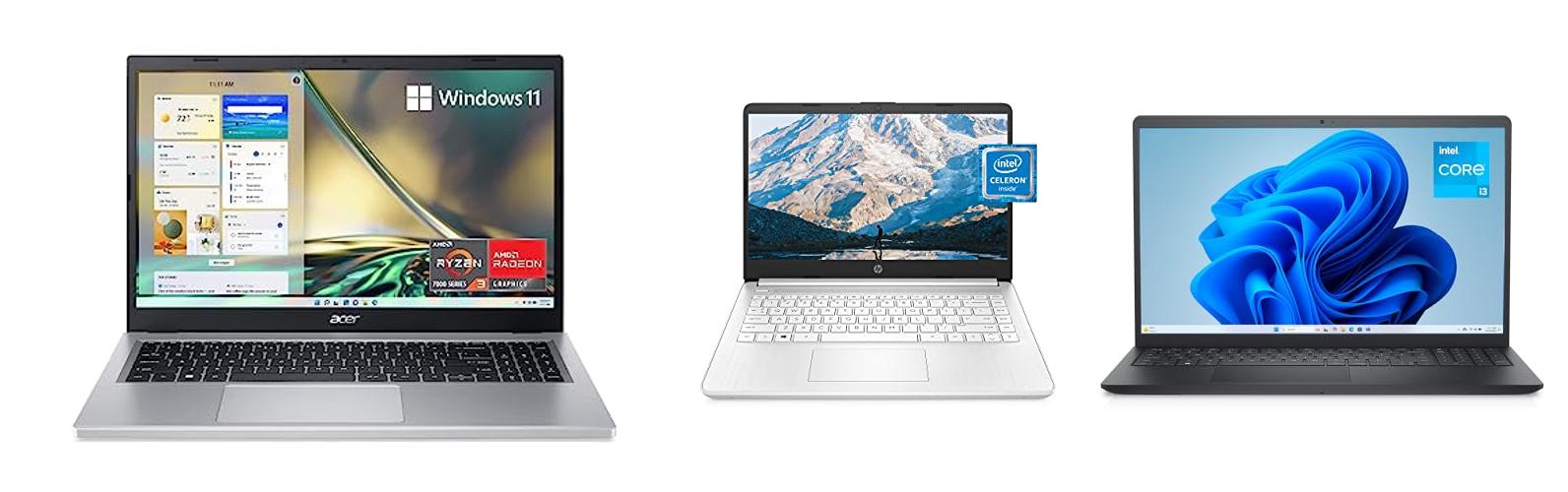
Acer Aspire 3 A315-24P-R7VH Slim Laptop | 9.0/10 | Check Price |
 |
HP 14 Laptop | 8.7/10 | Check Price |
 |
Dell Inspiron 3530 Laptop – 15.6-inch FHD (1920×1080) Display | 9.4/10 | Check Price |
 |
Lenovo Laptop Computers for Home Business Student Study | 8.9/10 | Check Price |
 |
HP Laptop Computer for Home Student Study | 8.8/10 | Check Price |
Top 5 Home Laptop Computer Detailed Reviews
1. Acer Aspire 3 A315-24P-R7VH Slim Laptop
Rating: 9.3/10
The Acer Aspire 3 A315-24P-R7VH Slim Laptop is a great choice for anyone looking for a reliable and portable computer for daily tasks. It packs a lot of power into a thin and light design, making it perfect for school, work, or just browsing the web at home.
What We Like:
- It’s super thin and light, so you can easily take it anywhere.
- The AMD Ryzen 3 processor and Radeon Graphics handle everyday tasks smoothly.
- The 15.6-inch Full HD IPS display shows sharp pictures and bright colors.
- It has fast Wi-Fi 6 for a strong internet connection.
- The improved cooling system keeps it from getting too hot during long use.
- The HD camera with noise reduction makes video calls clearer.
- It comes with modern ports like USB Type-C and HDMI.
What Could Be Improved:
- The 128GB NVMe SSD might fill up quickly if you store a lot of large files.
- This model does not have a backlit keyboard.
This Acer Aspire 3 offers a good balance of performance and portability for its price. It’s a solid option for families and students needing a dependable machine for everyday use.
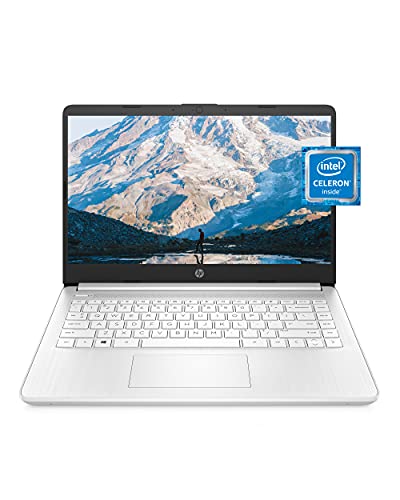
2. HP 14 Laptop
Rating: 8.5/10
Meet the HP 14 Laptop in Snowflake White, your new go-to device for everything you need to do. It’s super thin and light, so you can easily carry it wherever you go. The screen is big and bright, making it fun to watch videos or do your schoolwork. It runs on Windows 11 Home, so it’s easy to use right away. Plus, you get a whole year of Microsoft 365, which is a great bonus!
What We Like:
- It’s very thin and light, making it easy to take anywhere.
- The screen has almost no border, so you see more of what you love.
- The screen is a nice 14-inch HD size for clear viewing.
- It has a dual-core Intel Celeron N4020 processor that’s good for everyday tasks.
- It can smoothly play 4K videos and some games thanks to Intel UHD Graphics 600.
- It comes with 64 GB of storage and 4 GB of RAM for good performance.
- It includes a full year of Microsoft 365, which is a fantastic value.
What Could Be Improved:
- The 64 GB of storage might fill up quickly if you save a lot of big files.
- 4 GB of RAM is enough for basic tasks, but might be slow for very demanding programs.
This HP laptop is a smart choice for anyone needing a portable and capable machine for daily use and entertainment. It offers a great balance of features and affordability.
3. Dell Inspiron 3530 Laptop – 15.6-inch FHD (1920×1080) Display
Rating: 9.0/10
The Dell Inspiron 3530 Laptop is a great choice for everyday tasks. It has a clear 15.6-inch screen, a fast processor, and plenty of storage. This laptop is designed for comfort and convenience, making it ideal for school, work, or just browsing the web.
What We Like:
- Plenty of Ports: You can connect all your gadgets easily.
- Comfortable Typing: The roomy keyboard and number pad make typing and calculating a breeze. The calculator hotkey is a nice touch.
- Ergonomic Design: The lift hinge gives your wrists a comfortable angle for typing, which is great for long sessions.
- Clear Video Calls: The HD webcam makes you look good on calls.
- Eye Comfort: Dell ComfortView software reduces blue light, so your eyes stay comfortable during long movie marathons or study sessions. It’s certified by TUV Rheinland.
- Smart Performance: Adaptive thermals help the laptop run smoothly whether it’s on your desk or your lap. It intelligently adjusts its power and cooling.
- Fast Storage: The 512GB SSD means your laptop starts up quickly and programs load fast.
What Could Be Improved:
- Graphics: While Intel UHD Graphics are fine for everyday use, they might not be powerful enough for demanding games or professional video editing.
- Processor: The Intel Core i3-1305U is good for basic tasks, but for really heavy multitasking or complex programs, a more powerful processor might be needed.
This Dell Inspiron 3530 offers a solid experience for everyday users. Its thoughtful design and helpful features make it a reliable companion for your daily digital life.
4. Lenovo Laptop Computers for Home Business Student Study
Rating: 8.7/10
The Lenovo IdeaPad 1 is a versatile laptop built for home, business, and student use. Its 15.6-inch Full HD screen shows clear pictures, and the Cloud Grey color looks nice. This computer is ready for your daily tasks.
What We Like:
- It has a bright 15.6-inch Full HD screen that makes everything look sharp.
- The laptop comes with a large 1TB SSD, so you can store lots of files.
- 32GB of RAM means you can run many programs at once without slowing down.
- Wi-Fi 6 and Bluetooth 5.2 offer fast and reliable wireless connections.
- The keyboard includes a numeric keypad, which is handy for typing numbers.
- A built-in webcam with a privacy shutter is great for video calls.
- Windows 11 Pro is included, giving you extra features and security.
What Could Be Improved:
- The Intel Celeron N4500 processor is good for basic tasks but might struggle with very demanding programs.
- The USB Type-C port only supports data transfer, not charging or video output.
This Lenovo laptop is a solid choice for everyday computing. It offers a good balance of features for its price point.
5. HP Laptop Computer for Home Student Study
Rating: 8.7/10
The HP 14 Laptop is a solid choice for students and home users who need a reliable machine for schoolwork, browsing, and everyday tasks. It comes with a year of Office 365, which is a nice bonus. Plus, it’s easy to carry around, making it great for taking to class or a coffee shop.
What We Like:
- The Intel Processor N150 with Turbo Boost keeps things running smoothly for everyday use.
- 4GB of RAM is enough for multitasking like having a few tabs open and a document going.
- You get 128GB of fast UFS storage plus a 128GB Micro SD card, so you have plenty of space for your files.
- Wi-Fi 6 and Bluetooth 5.4 provide fast and stable connections.
- It has a good selection of ports, including USB Type-C, USB-A, and HDMI, for connecting your accessories.
- The lightweight design makes it super portable.
- The included 1-Year Office 365 subscription is a great value.
What Could Be Improved:
- 4GB of RAM might be a bit tight for really demanding tasks or heavy multitasking.
- The Intel Processor N150, while good for basic tasks, isn’t the most powerful chip available.
- Windows 11 in S mode can be limiting, as you can only install apps from the Microsoft Store.
This HP laptop offers a good balance of features and affordability for everyday student needs. It’s a practical option for anyone looking for a dependable computer for school and home.
Your Guide to Buying the Perfect Home Laptop
Finding the right laptop for your home can feel like a big decision. This guide will help you choose the best one for your needs. We’ll cover what to look for, what makes a laptop good, and how you’ll use it.
Key Features to Look For
When you’re shopping, keep these important parts in mind:
1. Processor (CPU): The Brain of the Laptop
The processor is like the laptop’s brain. It handles all the tasks. For everyday things like browsing the web, checking email, and watching videos, a mid-range processor is usually enough. If you plan to play games or edit videos, you’ll need a more powerful processor.
2. RAM (Memory): For Multitasking
RAM is like a workspace. More RAM means you can have many apps open at once without slowing down. For basic use, 8GB of RAM is good. If you do a lot of multitasking or use demanding programs, consider 16GB or more.
3. Storage (SSD vs. HDD): Where Your Files Live
This is where all your pictures, documents, and apps are saved. Solid State Drives (SSDs) are much faster than Hard Disk Drives (HDDs). Laptops with SSDs start up quicker and load apps faster. Most modern laptops use SSDs. Think about how much space you need. 256GB is a good starting point for many people.
4. Screen Size and Resolution: What You See
Laptop screens come in different sizes. Smaller screens (13-14 inches) are easier to carry. Larger screens (15-17 inches) give you more space to work and are better for watching movies. Screen resolution (like Full HD or 4K) affects how clear and sharp pictures look. Full HD (1920×1080) is great for most users.
5. Battery Life: Power On the Go
If you plan to use your laptop away from a power outlet, battery life is important. Look for laptops that promise at least 8-10 hours of battery life for a full day of use.
Important Materials and Build Quality
The materials used in a laptop affect how it feels and how long it lasts.
- Plastic: Many laptops use plastic. Good quality plastic can feel sturdy. Cheaper plastic might feel flimsy.
- Aluminum: Laptops made with aluminum often feel more premium and durable. They can be a bit heavier.
- Hinges: The hinges connect the screen to the keyboard. Strong hinges make the screen feel stable when you open and close it.
A well-built laptop feels solid. It doesn’t creak or bend easily. This shows it’s made with good materials and careful construction.
Factors That Improve or Reduce Quality
Several things can make a laptop better or worse.
What Improves Quality:
- Fast SSD: This makes everything feel snappier.
- Good Keyboard: A comfortable keyboard makes typing easier for long periods.
- Bright Screen: A bright screen is easier to see, even in sunny rooms.
- Good Speakers: Clear sound makes watching videos and listening to music more enjoyable.
What Reduces Quality:
- Slow Processor: The laptop will feel sluggish.
- Not Enough RAM: Apps will close on their own, or the laptop will freeze.
- Dim Screen: It’s hard to see what’s on the screen.
- Poor Build: The laptop might break easily.
User Experience and Use Cases
Think about how you will actually use your laptop.
For Schoolwork and Everyday Tasks:
If you need a laptop for writing papers, doing homework, browsing the internet, and video calls, a laptop with a good processor, 8GB of RAM, and an SSD will work well. A 14-inch or 15-inch screen is usually a good size.
For Entertainment and Media:
If you love watching movies and listening to music, look for a laptop with a sharp, bright screen and good speakers. A larger screen might be more enjoyable. A decent amount of storage is also helpful for downloading movies.
For Gaming or Creative Work:
For playing video games or editing photos and videos, you’ll need a more powerful laptop. This means a faster processor, more RAM (16GB or more), and sometimes a dedicated graphics card. These laptops can be more expensive.
Frequently Asked Questions (FAQ)
Q: What is the most important part of a laptop?
A: The processor is very important because it’s like the laptop’s brain and controls everything. The RAM is also crucial for running multiple programs smoothly.
Q: Should I get an SSD or an HDD?
A: An SSD is much better because it makes your laptop faster. It helps your laptop start up quickly and load apps faster.
Q: How much RAM do I really need?
A: For most people, 8GB of RAM is enough. If you do many things at once or use big programs, 16GB is better.
Q: What screen size is best for a home laptop?
A: A 14-inch or 15-inch screen is a good balance for most home users. It’s not too big to handle but offers enough space.
Q: Can I upgrade my laptop later?
A: Sometimes you can upgrade RAM or storage. It depends on the laptop model. It’s best to check before you buy if this is important to you.
Q: How do I know if a laptop is well-built?
A: A well-built laptop feels solid and doesn’t bend or creak when you use it. The screen should open and close smoothly.
Q: What does “resolution” mean for a screen?
A: Resolution tells you how many tiny dots (pixels) make up the picture on your screen. More pixels mean a sharper, clearer image.
Q: Is battery life really that important for a home laptop?
A: If you plan to move your laptop around your house or take it on short trips, then yes, good battery life is important. If it mostly stays plugged in, it’s less of a concern.
Q: What’s the difference between a budget laptop and an expensive one?
A: Expensive laptops usually have faster processors, more RAM, better screens, and are built with stronger materials. Budget laptops are good for basic tasks but might be slower or less durable.
Q: How do I choose between different brands?
A: Many brands make good laptops. It’s more important to focus on the features and specifications that match your needs rather than just the brand name.
In conclusion, every product has unique features and benefits. We hope this review helps you decide if it meets your needs. An informed choice ensures the best experience.
If you have any questions or feedback, please share them in the comments. Your input helps everyone. Thank you for reading.