
Image Source: i.ytimg.com
How To Sand Kitchen Cabinets: Expert Advice for a Flawless Refinish
Can you sand kitchen cabinets? Yes, you absolutely can sand kitchen cabinets, and it’s a crucial step for a beautiful and durable refinish. This comprehensive guide will walk you through everything you need to know to achieve smooth, perfectly prepped cabinet doors, whether you’re preparing them for paint, stain, or a new clear coat. We’ll cover the entire process, from initial cleanup to achieving a flawless surface, ensuring your cabinet refinishing project is a resounding success.
The Importance of Proper Sanding for Cabinet Refinishing
Sanding might seem like a tedious chore, but it’s the bedrock of a successful cabinet refinishing project. Skipping this step or doing it poorly is like building a house on shaky foundations. Without adequate sanding, your new paint might peel, your stain might blot, and your efforts will be wasted. Proper sanding creates a surface that adheres to the new finish, making it last longer and look professionally done. It’s the key to transforming old, worn cabinets into something truly spectacular. This process is essential for anyone looking to refresh their kitchen, providing a cost-effective alternative to full replacement.
Gathering Your Supplies: What You’ll Need for Sanding Cabinets
Before you dive into sanding, gather all your essential tools and materials. Having everything on hand will make the process smoother and more efficient.
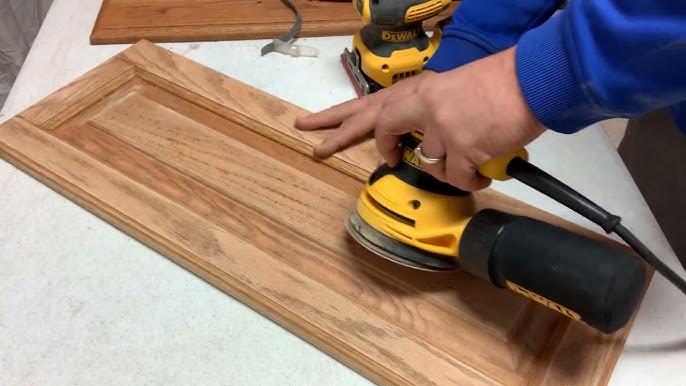
- Orbital Sander: A random orbital sander is highly recommended for larger, flat surfaces like cabinet doors. It’s efficient and produces a consistent finish.
- Detail Sander or Sanding Blocks: For smaller areas, edges, and intricate details, a detail sander or simple sanding blocks are invaluable.
- Sandpaper in Various Grits: You’ll need a range of grits to go from coarse removal to fine smoothing. Common grits include:
- 80-100 Grit: For removing old finishes or smoothing rough wood.
- 120-150 Grit: For general sanding and removing scratches from coarser grits.
- 180-220 Grit: For final smoothing before applying primer or stain.
- 220-320 Grit (or higher): For an ultra-smooth finish, especially if you’re applying a high-gloss paint.
- Tack Cloths: These sticky cloths are essential for removing all dust after sanding.
- Dust Masks or Respirator: Protect your lungs from fine wood dust.
- Safety Glasses: Shield your eyes from airborne particles.
- Gloves: Protect your hands.
- Vacuum Cleaner with Brush Attachment: For initial dust removal.
- Drop Cloths or Plastic Sheeting: To protect your floors and surrounding areas from dust.
- Denatured Alcohol or Mineral Spirits: For cleaning cabinets before sanding and after sanding.
- Screwdriver or Drill with Appropriate Bits: For cabinet hardware removal.
Step-by-Step Guide: How to Sand Kitchen Cabinets for a Flawless Finish
Follow these detailed steps to ensure your sanding wood cabinets process is thorough and effective, leading to a beautiful cabinet refinishing outcome.
Step 1: Preparation is Key: Cleaning and Disassembly
Thorough preparation is the most critical phase for any successful DIY project, especially cabinet refinishing steps. Rushing this can lead to a poor final product.
H3: Initial Cabinet Cleaning
Before you even pick up a sander, you need to clean your cabinets thoroughly. Kitchen cabinets accumulate grease, grime, and food particles over time.
- Remove all items from inside and on top of the cabinets.
- Wipe down all surfaces with a degreaser. A solution of warm water and a few drops of dish soap is a good starting point. For stubborn grease, you can use a specialized kitchen degreaser or a solution of TSP (trisodium phosphate) substitute mixed with water. Always test in an inconspicuous area first.
- Rinse the cabinets with clean water and a damp cloth.
- Allow the cabinets to dry completely. Moisture can interfere with the sanding process and the adhesion of your new finish.
H3: Cabinet Hardware Removal
This is a crucial step for achieving a uniform sanding surface and a professional look.
- Carefully remove all knobs, pulls, hinges, and any other hardware.
- Keep hardware organized. Place each set of hardware in a small plastic bag and label it with the corresponding cabinet door or drawer. This will save you a lot of headaches during reassembly.
- Consider replacing your hardware if you’re going for a whole new look. It’s much easier to do this during the refinishing process.
H3: Removing Doors and Drawers
For the most thorough sanding and best results, it’s highly recommended to remove cabinet doors and drawer fronts.
- Work in sections. If you have a lot of cabinets, tackle them a few at a time to avoid disrupting your entire kitchen.
- Label each door and drawer front with a piece of painter’s tape indicating its original location. This is vital for correct reassembly.
Step 2: The Sanding Process: From Coarse to Fine
Now it’s time to start sanding. The goal here is to create a smooth, uniform surface that will accept your new finish beautifully. This is where we focus on effective sanding techniques cabinets.
H4: Removing the Old Finish (If Necessary)
If your cabinets have a thick, peeling, or severely damaged finish, you might need to start with a coarser grit to strip it away.
- Start with 80-grit sandpaper if you have a lot of old paint or varnish to remove. Attach the sandpaper to your orbital sander.
- Sand with the grain of the wood. For most wood, this means sanding in long, straight strokes.
- Avoid excessive pressure. Let the sander do the work. Pressing too hard can create gouges that are difficult to remove.
- Work in manageable sections.
- Check your progress frequently. Once the old finish is mostly removed, move to a finer grit.
- For stubborn areas or intricate details, you might need a chemical stripper. Follow the product instructions carefully and ensure good ventilation. Always wear appropriate safety gear when using chemical strippers.
H4: Preparing for Painting Cabinets: The Smoothing Phase
If your cabinets are already in decent condition or you’ve just stripped them, you’ll focus on smoothing the wood and ensuring a perfect surface for paint. This is also the process for preparing cabinets for stain.
- Transition to 120-grit sandpaper. Use your orbital sander on flat surfaces and a detail sander or sanding block for edges and grooves.
- Continue sanding with the grain. Ensure you’re covering all surfaces evenly.
- Focus on removing any scratches left by the coarser grit.
- After sanding with 120-grit, clean the surface thoroughly. Use a vacuum with a brush attachment to remove as much dust as possible. Then, wipe down with a tack cloth.
- Move to 180-grit sandpaper. This grit is excellent for creating a smooth surface that paint or stain will adhere to exceptionally well.
- Sand all surfaces again with the 180-grit sandpaper. Pay close attention to edges and corners. The goal is to achieve smooth cabinet doors.
- Clean the surface again thoroughly with your vacuum and tack cloth.
- For a super-smooth, factory-like finish, especially with glossy paints, consider a final sanding with 220 or even 320-grit sandpaper. This step creates an incredibly smooth surface for the ultimate cabinet resurfacing look. Always clean thoroughly after each sanding stage.
H4: Special Considerations for Sanding Plywood Cabinets
If you have sanding plywood cabinets, a few extra points are worth noting:
- Plywood has layers. Sand gently to avoid sanding through the top veneer.
- Be mindful of the edges. The glue and veneer layers can be more prone to chipping or splintering.
- Use lighter pressure and higher grit sandpaper once the initial prep is done to avoid damaging the plywood surface.
- If the plywood has a laminate or veneer, you may need to be extremely careful, or even consider a different refinishing method if the veneer is thin.
Step 3: Dust Removal: The Unsung Hero of a Flawless Finish
Dust is the enemy of a good paint or stain job. Even the tiniest speck can ruin a smooth finish. Proper dust removal after sanding is paramount.
- Vacuum Thoroughly: Use your vacuum cleaner with a soft brush attachment to get into all the nooks and crannies.
- Wipe with a Damp Cloth: After vacuuming, lightly wipe down all surfaces with a damp (not wet) cloth. This will pick up any remaining fine dust.
- The Magic of Tack Cloths: This is where a good quality tack cloth comes into play. A tack cloth is a sticky, cheesecloth-like material that traps fine dust particles that other methods miss.
- Unfold the tack cloth but don’t completely flatten it.
- Gently dab and wipe all cabinet surfaces. Avoid rubbing, which can just spread the dust.
- Use a fresh tack cloth if the current one becomes visibly dirty or loses its tackiness.
- Repeat Dust Removal: It’s a good idea to do a final dust check and tack-cloth wipe just before you apply primer or stain.
Step 4: Inspecting Your Work
Before you move on to priming or staining, take a moment to inspect your sanded cabinets.
- Feel the surfaces: Run your hand over the doors and drawers. They should feel smooth to the touch.
- Look for any missed spots or rough areas. If you find any, give them a quick touch-up sand with the appropriate grit and then clean again.
- Check for dust one last time.
Common Sanding Mistakes to Avoid
Even with the best intentions, mistakes can happen. Here are some common pitfalls to steer clear of:
- Skipping the cleaning step: Grease and grime will clog your sandpaper and prevent a good finish.
- Using the wrong grit: Starting too coarse or not progressing to finer grits will result in a rough surface.
- Sanding against the grain: This will leave visible scratch marks that are difficult to remove.
- Pressing too hard: This can lead to gouges and uneven sanding.
- Not removing all the dust: Dust is the enemy of a smooth finish.
- Over-sanding: Especially on veneer or delicate wood, you can sand through the surface.
Frequently Asked Questions About Sanding Kitchen Cabinets
Here are some common questions people have when embarking on this project:
Q1: Do I really need to sand kitchen cabinets before painting?
A1: Yes, absolutely! Sanding creates a porous surface that allows the primer and paint to adhere properly. Without sanding, your paint is likely to chip or peel over time, especially in a high-traffic area like a kitchen.
Q2: Can I use a sanding sponge instead of sandpaper?
A2: Sanding sponges can be useful for detailed areas or tight corners, but they are generally not efficient enough for sanding entire cabinet doors or large surfaces. For overall cabinet refinishing, power sanders and traditional sandpaper are recommended.
Q3: How long does it take to sand kitchen cabinets?
A3: The time it takes can vary greatly depending on the size of your kitchen, the type of cabinets, and whether you’re using power tools or sanding by hand. For a standard-sized kitchen, using an orbital sander, you might expect to spend anywhere from 10-20 hours on the sanding and prep process alone.
Q4: What is the best grit sandpaper for cabinets?
A4: The “best” grit depends on the task. For removing old finishes, 80-100 grit is a good start. For general smoothing and preparing for primer or stain, 120-150 grit is excellent. For a final smooth finish before painting, 180-220 grit is ideal. For very high-gloss finishes, you might even go up to 320 grit.
Q5: Do I need to sand between coats of primer or paint?
A5: Yes, a light sanding between coats is highly recommended for a professional finish. Use a fine-grit sandpaper (220-320 grit) to knock down any raised grain or imperfections. This will ensure subsequent coats adhere smoothly and result in a silky-smooth final product. Remember to clean off all dust after each sanding.
By following these detailed steps and expert advice, you’ll be well-equipped to tackle the sanding of your kitchen cabinets. This foundational work is key to achieving a beautiful, durable, and professional-looking refinish that will transform your kitchen space. Remember, patience and attention to detail during the sanding phase will pay off significantly in the final result.