
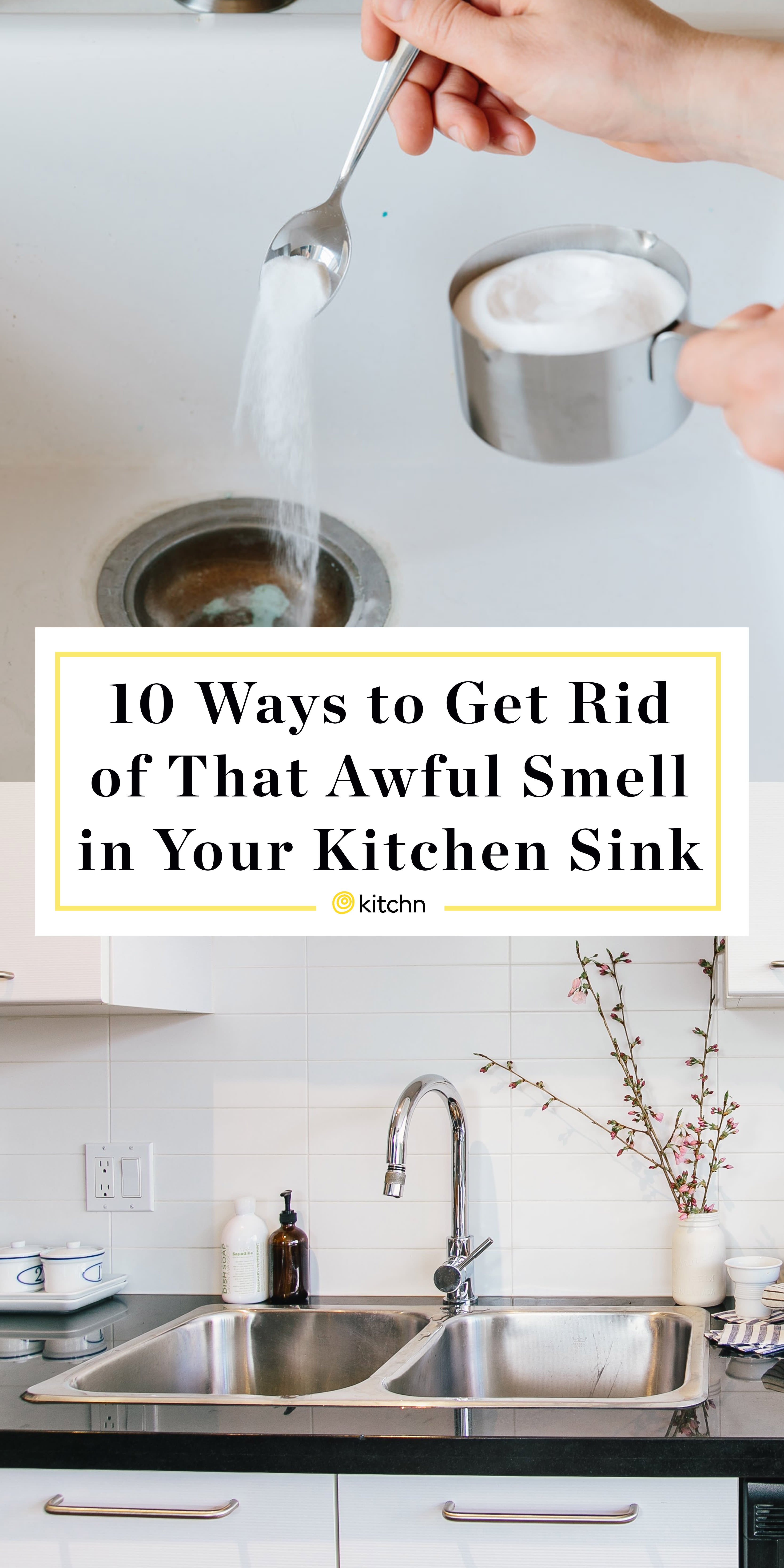
Image Source: cdn.apartmenttherapy.info
How To Get Rid Of Kitchen Drain Smell Fast: Simple Fixes
Does your kitchen sink smell bad? You’re not alone! A persistent, unpleasant sink odor is a common problem that can quickly turn your kitchen from a welcoming space into a source of embarrassment. Fortunately, you don’t always need a professional plumber or harsh chemicals to deodorize sink areas and eliminate drain odor. This guide will walk you through simple, effective, and often natural methods to banish those unwelcome plumbing smells and keep your kitchen fresh.
Why Do Kitchen Drains Smell?
Before we dive into the fixes, let’s quickly explore what causes that gunk and grime to build up and create those unpleasant odors. Understanding the root cause helps in preventing future issues and performing proper drain maintenance.
- Food Scraps and Grease: This is the most common culprit. Bits of food, oils, and fats that go down the drain don’t always make it through the pipes. They can stick to the sides, forming a sticky, smelly sludge. This sludge provides a perfect breeding ground for bacteria.
- Bacteria and Mold Growth: The moist environment inside your drains is ideal for bacteria and mold. As they feed on leftover food particles, they release gases that cause that rotten egg or sulfurous smell.
- Trapped Moisture: Even without a full clog, stagnant water can sit in P-traps or pipe bends, creating a damp environment where odors can develop.
- Garbage Disposal Issues: If you have a garbage disposal, food particles that get lodged inside can decompose, leading to strong odors. Even if it’s running, residue can build up. Regular cleaning is key for garbage disposal cleaner effectiveness.
- Sewer Gas: In some cases, a foul odor might indicate a problem with your home’s venting system or a break in the pipe, allowing sewer gases to escape. This usually presents as a more potent, sewage-like smell.
- Dry P-Trap: The P-trap is designed to hold water, creating a seal that prevents sewer gases from entering your home. If the sink isn’t used for a while, the water can evaporate, breaking the seal and allowing odors to rise.
Simple Fixes to Deodorize Your Kitchen Sink
Now, let’s get to the good stuff – how to tackle those sink odor issues head-on! These methods are generally safe for most plumbing systems and are often readily available in your pantry.
1. The Classic Baking Soda and Vinegar Power Duo
This is a time-tested, eco-friendly method that’s incredibly effective. The chemical reaction between baking soda (a base) and vinegar (an acid) creates a fizzing action that helps loosen grime and kill bacteria.
What you’ll need:
- 1/2 cup baking soda
- 1 cup white vinegar
- Hot water (boiling is best, but very hot tap water works too)
- A sink stopper or rag
- A kettle or pot for heating water
Steps:
- Clear the Drain: Make sure there are no large food particles or debris visible in the drain.
- Pour Baking Soda: Carefully pour the 1/2 cup of baking soda directly down the drain. Try to get as much as possible onto the sides of the drain opening.
- Add Vinegar: Immediately follow with the 1 cup of white vinegar. You’ll see a vigorous fizzing reaction.
- Seal the Drain: Quickly cover the drain with a stopper or a damp rag. This helps direct the fizzing action downwards into the pipes where the problem lies.
- Let it Work: Allow the mixture to sit and work its magic for at least 30 minutes, or even an hour for tougher odors.
- Flush with Hot Water: Remove the stopper and pour a kettle full of boiling hot water down the drain. This flushes away the loosened debris and residual baking soda and vinegar. If you can’t use boiling water, use the hottest tap water available.
Frequency: You can do this once a week as part of your drain maintenance routine to keep odors at bay.
2. Boiling Water Flush
Sometimes, the simplest solutions are the most effective. A good flush with boiling water can melt away grease and residue that contribute to plumbing smells.
What you’ll need:
- Kettle or large pot
- Boiling water
Steps:
- Boil Water: Bring a kettle or pot of water to a rolling boil.
- Pour Slowly: Carefully and slowly pour the boiling water directly down the drain. Pouring slowly allows the hot water more time to work on any accumulated grease or sludge.
- Repeat if Necessary: For stubborn odors, you might need to repeat this a couple of times.
Caution: While generally safe for most pipes, if you have very old or fragile pipes, or if you’ve recently used harsh chemicals, it might be wise to opt for very hot tap water instead of boiling water to avoid any potential damage.
3. Lemon or Citrus Peels
Citrus peels are fantastic natural deodorizers. The oils in the peels can help break down grease, and their natural fragrance masks any lingering unpleasant smells.
What you’ll need:
- Citrus peels (lemons, oranges, limes, grapefruits)
- Hot water
Steps:
- Gather Peels: Collect peels from lemons, oranges, or any other citrus fruit.
- Grind (Optional): You can either run the peels through your garbage disposal (if you have one) or chop them into smaller pieces.
- Flush with Hot Water: Pour a kettle of boiling hot water down the drain, followed by the citrus peels if you’re not using a garbage disposal. If using a disposal, run it with the peels and cold water, then follow with hot water.
Frequency: This is a great way to deodorize sink areas after a meal and is a pleasant-smelling alternative to stronger methods.
4. Baking Soda and Dish Soap
Dish soap is designed to cut through grease. Combined with baking soda, it’s a powerful, albeit slightly less fizzy, cleaning combination.
What you’ll need:
- 1/2 cup baking soda
- 1-2 tablespoons of liquid dish soap
- Hot water
Steps:
- Mix: Pour the baking soda down the drain.
- Add Dish Soap: Drizzle the dish soap over the baking soda.
- Let Sit: Allow this mixture to sit for about 15-20 minutes.
- Flush: Flush thoroughly with hot water.
5. Salt and Ice Cubes (for Garbage Disposals)
If your sink odor is linked to your garbage disposal, this is a clever way to clean it. The salt acts as a mild abrasive, and the ice cubes help to scrub the disposal blades and the inside walls.
What you’ll need:
- 1/2 cup of salt
- A handful of ice cubes
- Cold water
Steps:
- Add Salt and Ice: Pour the salt and ice cubes into the garbage disposal.
- Run Disposal: Turn on the cold water and run the garbage disposal until the ice and salt are completely ground up. The salt helps to scrub away stuck-on food particles and grease, while the ice hardens any grease, making it easier for the disposal blades to break it down.
- Flush: Once done, flush with a bit more cold water.
When Simple Fixes Aren’t Enough: Advanced Solutions
If you’ve tried the basic methods and the sink odor persists, it might be time for slightly more robust solutions or to investigate potential clogs.
1. Using a Dedicated Drain Cleaner (with Caution)
There are many commercial drain cleaner products available. These can be very effective at dissolving organic matter and grease that cause odors.
Types of Drain Cleaners:
- Enzymatic Cleaners: These use natural enzymes and bacteria to break down organic waste. They are generally slower-acting but are safer for pipes and the environment. They are excellent for regular drain maintenance and preventing clogs.
- Chemical Drain Cleaners: These use harsh chemicals like lye or sulfuric acid. They work quickly to dissolve blockages but can also damage pipes, especially older ones, and are harmful if not used with extreme care.
Important Considerations for Drain Cleaners:
- Read the Label: Always follow the manufacturer’s instructions precisely.
- Ventilation: Ensure the area is well-ventilated, as some chemicals can release strong fumes.
- Protective Gear: Wear rubber gloves and eye protection.
- Never Mix: Never mix different types of drain cleaners, as this can create dangerous chemical reactions.
- Not for Garbage Disposals: Many chemical drain cleaners can damage garbage disposal units. Check your disposal’s manual before using them.
- Consider Plumbing Type: Some cleaners are not suitable for PVC pipes or septic systems.
2. Using a Plunger to Unclog Drain and Eliminate Odor
A minor clog can trap food particles and stagnant water, leading to plumbing smells. A plunger can help dislodge these blockages.
What you’ll need:
- A cup plunger (the type with a flat bottom)
- A damp cloth or rag
- Hot water
Steps:
- Remove Sink Stopper: Take out the sink stopper.
- Fill Sink Slightly: Add enough water to the sink to cover the bottom of the plunger cup (about 1-2 inches). This helps create a seal.
- Seal Overflow (if applicable): If your sink has an overflow drain, block it with a damp cloth to ensure the suction is directed downwards.
- Plunge Vigorously: Place the plunger over the drain opening, ensuring a good seal. Push down and pull up sharply and rapidly for about 20-30 seconds.
- Check for Blockage: Remove the plunger and see if the water drains. You might hear a gurgling sound as the clog is released.
- Flush: Once you think the clog is cleared, flush the drain with hot water.
If the plunger doesn’t work, you might have a more significant clog that requires other methods or professional help.
3. Cleaning the Garbage Disposal
A dirty garbage disposal is a prime source of sink odor. Regular cleaning can prevent this.
What you’ll need:
- Ice cubes
- Citrus peels
- Salt
- Dish soap
- Baking soda
- Vinegar
- Cold water
Steps:
- Ice and Salt Method: As described above, grind ice and salt.
- Citrus Flush: Grind citrus peels with cold water.
- Baking Soda and Vinegar Soak: Pour baking soda down, followed by vinegar. Let it sit for 30 minutes, then flush with hot water.
- Dish Soap Scrub: Pour a few drops of dish soap into the disposal, turn on the cold water, and run it for about 30 seconds.
- Annual Deep Clean: For a more thorough clean, you can turn off the power to the disposal at the breaker box, then use a brush (like an old toothbrush) with some baking soda and hot water to scrub the inside of the disposal chamber and under the rubber splash guard. Be very careful and ensure the power is off!
4. Using a Drain Snake or Auger
If you suspect a clog is the cause of the smell and other methods haven’t worked, a drain snake can help reach and remove debris further down the pipe.
What you’ll need:
- A drain snake (also called a plumber’s snake or auger)
- Gloves
- A bucket or rags
Steps:
- Insert Snake: Feed the end of the snake into the drain opening.
- Feed and Turn: Push the snake further into the pipe, turning the handle as you go. This helps it navigate bends and hook onto or break up clogs.
- Retrieve Debris: Once you feel resistance, try to hook onto the clog and pull it back out.
- Flush: After removing the debris, flush the drain thoroughly with hot water.
Note: This requires a bit more skill and can be messy. If you’re not comfortable, consider hiring a plumber.
Preventative Measures: Long-Term Drain Maintenance
The best way to avoid sink odor and plumbing smells is through consistent drain maintenance. Here are some habits to adopt:
Table: Regular Drain Maintenance Schedule
| Task | Frequency | Why it helps |
|---|---|---|
| Baking Soda & Vinegar Flush | Weekly | Prevents buildup of grease and bacteria, keeping drains fresh. |
| Boiling Water Flush | Bi-weekly | Melts minor grease deposits and flushes out loose particles. |
| Garbage Disposal Cleaning | Monthly | Removes food debris and prevents odor-causing bacteria from growing. |
| Avoid Pouring Grease Down Drain | Always | Grease is a primary cause of clogs and sticky buildup in pipes. |
| Use a Sink Strainer | Always | Catches food scraps and prevents them from entering the drain. |
| Run Cold Water with Disposal | Always | Helps flush debris through the pipes more effectively. |
| Run Disposal Regularly | Daily (if used) | Prevents food from sitting and decomposing in the disposal unit. |
| Check for Leaks | Monthly | Leaks can cause moisture buildup and mold, contributing to odors. |
| Professional Inspection | Annually | A plumber can identify potential issues before they become major problems. |
What NOT to Put Down Your Kitchen Drain
Be mindful of what goes down your drain to avoid problems and maintain the health of your kitchen plumbing.
- Fats, Oils, and Grease (FOG): These solidify in pipes and create stubborn clogs.
- Coffee Grounds: They don’t dissolve easily and can accumulate.
- Eggshells: The slimy coating can stick to pipes.
- Fibrous Foods: Celery, corn husks, artichokes, and similar items can wrap around disposal blades and clog pipes.
- Pasta and Rice: These expand with water and can create blockages.
- Bones: Hard to grind and can damage disposal blades.
- Fruit Pits: Like bones, they are hard and can damage the disposal.
- Harsh Chemicals: Avoid mixing chemicals or using them excessively, as they can damage pipes.
When to Call a Professional Plumber
While most kitchen drain smells can be resolved with these DIY methods, there are times when you need expert help. Call a plumber if:
- The odor is persistent despite multiple cleaning attempts.
- You suspect a major clog that you cannot clear with a plunger or snake.
- Multiple drains in your house are backing up or smelling. This could indicate a main sewer line issue.
- You hear unusual gurgling sounds from drains, even when not using water.
- You notice water pooling around pipes under your sink.
- You are uncomfortable performing any of the more advanced cleaning or clog-clearing methods.
A plumber has the specialized tools and expertise to diagnose and fix more serious kitchen plumbing problems, ensuring your system functions correctly and safely.
Frequently Asked Questions (FAQ)
Q1: How often should I use the baking soda and vinegar method?
A1: For regular drain maintenance and to prevent sink odor, using the baking soda and vinegar method once a week is generally recommended. If you have a persistent smell, you can do it more often initially.
Q2: Can I use bleach to clean my drains?
A2: While bleach can kill bacteria, it’s not recommended for regular drain maintenance. Bleach can damage pipes over time, especially if they are old or made of certain materials. It also doesn’t effectively break down grease and food particles like enzymatic cleaners or baking soda/vinegar do. Furthermore, mixing bleach with other cleaners can create toxic fumes.
Q3: My garbage disposal smells, what’s the best way to fix it?
A3: For a smelly garbage disposal, try grinding ice cubes and salt, followed by citrus peels. You can also use the baking soda and vinegar method described earlier. Regular cleaning is key to preventing this issue. Ensure you’re also running cold water when using the disposal.
Q4: What if the smell is like rotten eggs?
A4: A rotten egg smell often indicates the presence of hydrogen sulfide gas, which is produced by bacteria. This usually means there’s organic matter trapped in your drain. The baking soda and vinegar method, or a thorough flush with boiling water, should help eliminate drain odor. If it persists, check your garbage disposal or consider a potential clog.
Q5: Is it safe to pour boiling water down my drain?
A5: For most modern plumbing systems (like PVC or copper), pouring boiling water down the drain is safe and effective for melting grease and clearing out buildup. However, if you have older pipes, particularly those made of plastic that might be brittle, or if you have concerns about your plumbing’s integrity, it’s safer to use very hot tap water.
By following these simple fixes and adopting good drain maintenance habits, you can effectively tackle sink odor and enjoy a fresh-smelling kitchen. Don’t let unpleasant plumbing smells disrupt your home; empower yourself with these easy solutions!