
Can you mix and match living room furniture? Absolutely! Mixing and matching furniture is a fantastic way to inject personality and uniqueness into your living room. It’s about more than just throwing different pieces together; it’s a thoughtful process of balancing styles, colors, and textures to create a cohesive and inviting space. This guide will walk you through the art of mixing and matching, offering practical tips and design principles to help you achieve your dream living room.
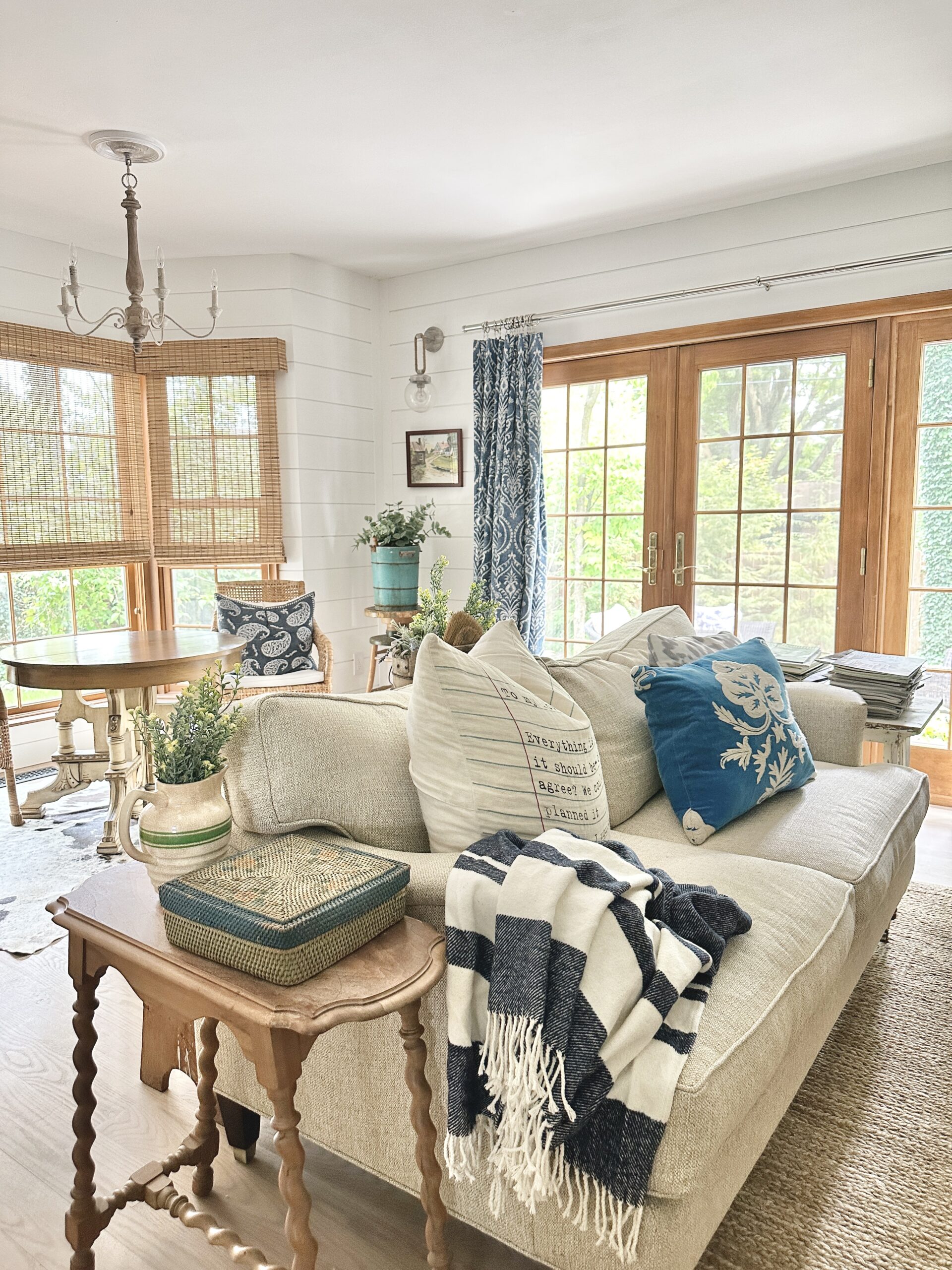
Image Source: bungalow47.com
Laying the Groundwork: Core Living Room Design Principles
Before you start pulling chairs and sofas from different sets, it’s good to have a few basic living room design principles in mind. These are the building blocks that will help you create a space that looks intentional, not accidental.
Establishing a Foundation
Every great room starts with a plan. Think about how you use your living room. Do you entertain often? Is it a cozy spot for movie nights? Or a combination of both? Your answers will guide your furniture choices.
- Functionality First: What activities will take place in the room? This determines the type and quantity of furniture needed.
- Scale and Proportion: Furniture should fit the size of your room. A massive sectional can overwhelm a small space, while tiny chairs can get lost in a large one.
- Focal Point: Every room benefits from a focal point – a fireplace, a large piece of art, or even a statement TV unit. Arrange your furniture to draw attention to it.
The Importance of Flow and Arrangement
How you arrange your furniture greatly impacts how the room feels and functions. Good furniture arrangement ideas create comfortable conversation areas and make it easy to move around.
- Conversation Zones: Group seating pieces so people can easily talk to each other without shouting.
- Traffic Patterns: Ensure there’s clear space for people to walk through the room without bumping into furniture.
- Symmetry vs. Asymmetry: While symmetry can create a sense of order, asymmetry can add visual interest. Don’t be afraid to break traditional rules.
The Art of Coordinating Furniture Styles
Mixing and matching doesn’t mean you have to sacrifice a sense of harmony. The key is to find threads that connect disparate pieces and create a cohesive living room.
Finding Common Ground
When you mix styles, look for elements that tie them together. This could be:
- Color: Using a consistent color or a limited color palette across different furniture pieces.
- Material: Repeating a particular wood tone or metal finish.
- Shape: Opting for pieces that share similar lines, whether curved or angular.
Balancing Furniture Styles: The Magic Formula
The goal isn’t to have everything match perfectly, but to have pieces that complement each other. Think of it as a conversation between your furniture.
- The 80/20 Rule: A common guideline is to have about 80% of your furniture in one dominant style and 20% in a contrasting or complementary style. This creates a curated look without being too matchy-matchy.
- Juxtaposition: Pairing a sleek, modern sofa with a vintage armchair can create a dynamic and interesting look. The contrast makes each piece stand out.
Interpreting Style Families
Different furniture styles have distinct characteristics. Recognizing these can help you pair them effectively.
- Traditional: Often features ornate details, dark woods, and classic silhouettes. Think Queen Anne or Chippendale.
- Modern: Characterized by clean lines, minimalist design, and neutral colors. Materials like metal and glass are common.
- Mid-Century Modern: Known for its organic shapes, tapered legs, and a blend of natural and manufactured materials.
- Bohemian (Boho): Eclectic and free-spirited, often incorporating vibrant colors, patterns, and a mix of textures.
- Rustic/Farmhouse: Emphasizes natural materials, distressed finishes, and comfortable, inviting designs.
Table: Pairing Furniture Styles
| Dominant Style | Complementary Style(s) | How to Make it Work |
|---|---|---|
| Modern | Mid-Century Modern | Use a modern sofa with mid-century accent chairs. Keep color palettes similar or complementary. |
| Traditional | Transitional | Pair a classic sofa with more streamlined, transitional accent chairs and tables. |
| Bohemian | Industrial | Mix a boho-inspired sofa with industrial metal side tables and a vintage rug. |
| Farmhouse | Scandinavian | Combine a cozy farmhouse armchair with a simple, light wood Scandinavian coffee table. |
| Eclectic | Any (with careful curation) | Focus on color, texture, and scale to ensure pieces work together harmoniously. |
Achieving a Cohesive Living Room: Color, Texture, and Pattern
Color, texture in living room design, and pattern are your secret weapons when mixing and matching furniture. They can bridge gaps between different styles and create visual interest.
Crafting Your Color Palette for Living Room
A well-chosen color palette for living room acts as the glue that holds your mixed furniture together.
- Anchor with Neutrals: Use neutral colors for your larger, foundational pieces (like a sofa) to provide a stable base. Then, bring in color through accent chairs, pillows, and décor.
- Incorporate a Repeating Color: Choose one or two accent colors and repeat them in different shades or forms throughout the room. This might be in the upholstery of an accent chair, throw pillows, artwork, or even a rug.
- Consider Color Psychology: Different colors evoke different moods. Blues and greens are calming, while reds and yellows can be energizing.
The Power of Texture in Living Room Design
Texture adds depth and warmth, making a room feel more inviting and layered. Mixing textures is essential when you’re mixing furniture styles.
- Contrast is Key: Pair smooth, sleek surfaces with rough, natural materials. Think a velvet armchair next to a distressed wood side table.
- Vary Materials: Don’t shy away from mixing different materials like wood, metal, glass, leather, and various fabrics (cotton, linen, wool, velvet).
- Tactile Appeal: Consider how the textures feel. A chunky knit throw on a leather sofa, or a woven basket next to a plush rug, adds sensory appeal.
Playing with Pattern
Pattern can introduce personality and visual energy, but it needs to be handled with care when mixing styles.
- Scale of Patterns: Mix patterns of different scales. A large-scale floral pattern can work well with a smaller geometric or striped pattern, as long as they share a color palette.
- Pattern Placement: Use bolder patterns on smaller pieces, like accent chairs or pillows, and more subtle patterns on larger items.
- The Rule of Three: A good rule of thumb is to use three different patterns, with one dominant, one secondary, and one accent.
Mixing Furniture Periods: A Timeless Approach
Mixing furniture periods can create a sophisticated and layered look that tells a story. It’s about creating a dialogue between the past and the present.
Historical Harmony
When combining pieces from different eras, look for underlying similarities or deliberate contrasts that enhance the overall design.
- The Silhouette Connection: Pieces from different periods might share a similar silhouette or leg style. For example, a classic Queen Anne chair might have a similar curved leg to a more modern piece.
- Material Continuity: If you have antique wood furniture, introduce a modern coffee table in a similar wood tone or a complementary metal.
- Thematic Grouping: You can group items by a shared theme, like “coastal” or “industrial,” even if their periods differ.
Modernizing Antiques
Old pieces can bring character and history to a modern space.
- A Single Statement Piece: Introduce one or two antique or vintage items into a predominantly modern room. A vintage Persian rug under a contemporary sofa, or an antique chest used as a coffee table, can be striking.
- Reupholstering: Give a vintage armchair a new lease on life by reupholstering it in a modern fabric that complements your existing decor.
Contemporary Classics
Conversely, vintage or antique pieces can be modernized by pairing them with contemporary elements.
- The Unexpected Pairing: A sleek, modern sofa can look incredibly chic with a beautifully carved antique side table.
- Embrace the Contrast: Don’t try to make everything look the same. The contrast between old and new is often where the magic happens.
Choosing Accent Furniture: The Supporting Cast
Accent furniture pieces are like the supporting actors in your living room play. They add character, functionality, and visual interest without overpowering the main players.
What is Accent Furniture?
Accent furniture refers to pieces that are distinct from your primary seating. This can include:
- Accent chairs
- Ottomans and poufs
- Side tables and end tables
- Coffee tables
- Console tables
- Bookshelves
Selecting Your Supporting Stars
When choosing accent furniture, consider how it will interact with your main sofa and other existing pieces.
- Color Pops: Accent chairs are a perfect opportunity to introduce a bold color or pattern.
- Material Contrast: A metal and glass side table can break up a room dominated by wood furniture.
- Functional Needs: Does your accent table need to hold a lamp, a drink, and books? Choose something that fits your practical needs.
- Injecting Personality: Accent pieces are where you can really let your personal style shine through.
Creative Uses for Accent Furniture
- The Statement Chair: A single, visually striking armchair can become a focal point in a seating arrangement.
- Multi-Functional Pieces: An ottoman can serve as a coffee table (with a tray), extra seating, or a footrest.
- Illuminating Displays: Console tables behind a sofa or against a wall are ideal for lamps, artwork, and decorative objects.
Practical Interior Design Tips for Your Living Room
Here are some actionable interior design tips living room dwellers can use to elevate their space through thoughtful furniture mixing.
The Power of the Rug
A rug is a unifying element that can anchor a seating area and tie different furniture styles together.
- Size Matters: Ensure your rug is large enough to accommodate at least the front legs of your main seating pieces.
- Pattern and Color: Choose a rug with a pattern or color palette that complements your furniture and the overall room scheme.
Lighting as a Design Element
Layered lighting creates ambiance and highlights different areas of your living room.
- Ambient Lighting: General overhead lighting.
- Task Lighting: Lamps for reading or specific activities.
- Accent Lighting: Spotlights to highlight artwork or architectural features.
- Mix and Match Fixtures: Don’t be afraid to use different styles of lamps and fixtures, as long as they share a cohesive aesthetic or material.
Accessorizing with Intention
Decor, pillows, throws, and artwork are the finishing touches that complete the look.
- Color and Texture Play: Use these elements to reinforce your chosen color palette and mix textures.
- Personal Touches: Display items that are meaningful to you.
The Mirror Effect
Mirrors can make a room feel larger and brighter by reflecting light.
- Placement: Position mirrors opposite windows to maximize light reflection.
- Frame Style: Choose frames that complement your furniture styles. A vintage ornate mirror can add a touch of elegance to a modern room.
Frequently Asked Questions (FAQ)
Q1: Do all my furniture pieces need to be from the same style?
No, absolutely not! Mixing furniture styles is a popular and effective way to create a unique and personalized living room. The key is to coordinate them through color, texture, scale, and overall design principles to ensure they work harmoniously.
Q2: How do I prevent my living room from looking messy when I mix furniture?
To avoid a messy look, focus on creating a cohesive flow. Use a consistent color palette, repeat certain materials or finishes, and maintain a sense of balance in scale and proportion. Using a large rug to anchor the seating area also helps tie everything together.
Q3: Can I mix antique and modern furniture?
Yes, mixing antique and modern furniture can create a beautiful, layered, and sophisticated look. Place an antique side table next to a modern sofa, or use a vintage armchair as a statement piece in a contemporary setting. The contrast can be very striking.
Q4: What’s the best way to choose accent chairs?
Accent chairs are a great opportunity to introduce personality. Consider a chair in a contrasting color, pattern, or material to your main sofa. Ensure it’s comfortable and complements the overall style and scale of your room.
Q5: How important is the color palette when mixing furniture?
The color palette is crucial. It acts as the unifying element that ties together different furniture styles, periods, and materials. A well-chosen color palette will make your mixed-and-matched pieces feel intentional rather than haphazard.
Q6: What are some common mistakes to avoid when mixing furniture?
Common mistakes include:
* Too much contrast: Making every piece too different without any connecting elements.
* Ignoring scale: Using furniture that is too large or too small for the room.
* Lack of cohesion: Not having a unifying color, texture, or style element.
* Overcrowding: Trying to fit too many pieces into the space.
* Forgetting functionality: Prioritizing style over practical use.
By following these principles and tips, you can confidently mix and match your living room furniture to create a space that is stylish, comfortable, and truly reflects your personal taste. Happy decorating!