
What is the average kitchen faucet lifespan? The average kitchen faucet lifespan is generally between 10 to 15 years, but this can vary significantly based on quality, usage, and maintenance.
Many homeowners wonder about the longevity of their kitchen faucets. It’s a valid question, as a faucet is a critical component of daily life, facilitating everything from washing dishes to filling water bottles. Replacing a kitchen faucet isn’t a minor task, and knowing what to expect regarding its kitchen faucet lifespan can help with budgeting and planning for home maintenance. This in-depth guide will explore the expected average faucet life, delve into faucet durability, and discuss the various factors affecting faucet life to help you determine when it might be time for a faucet replacement cycle and when to buy a new faucet.
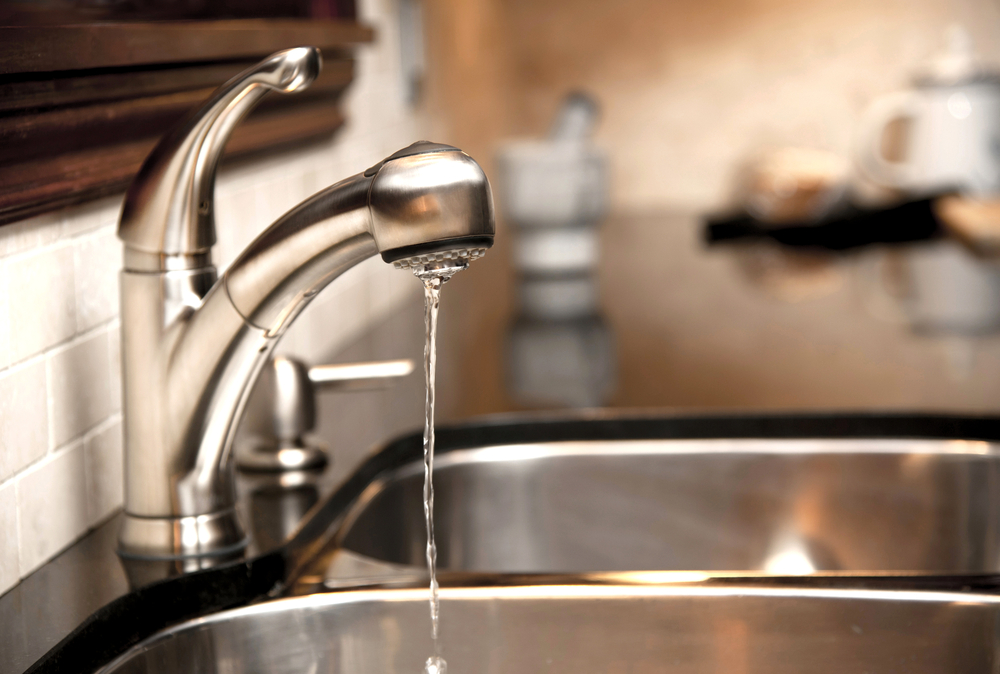
Image Source: anytimeplumbing.net
Deciphering Faucet Durability: What Makes a Faucet Last?
The faucet durability of a kitchen faucet is not a single, fixed attribute but rather a combination of the materials used, the quality of manufacturing, and the internal components. A well-built faucet can withstand the daily rigors of a busy kitchen for many years, while a poorly made one might start showing signs of wear and tear much sooner.
Material Matters: A Foundation for Longevity
The primary material of a faucet body significantly impacts its lifespan. Common materials include:
- Stainless Steel: Renowned for its corrosion resistance and strength, stainless steel is an excellent choice for a durable faucet. It doesn’t rust and can withstand high water pressure. Faucets made from high-quality stainless steel often boast the longest kitchen sink faucet longevity.
- Brass: Often considered the gold standard for faucets, brass (especially solid brass) offers exceptional durability and resistance to corrosion. Brass faucets are heavy and feel substantial, indicating good build quality. However, the quality of brass can vary; look for faucets made from lead-free brass.
- Zinc Alloy: While more affordable than brass or stainless steel, zinc alloy faucets can be less durable. They are prone to corrosion and can develop issues like leaks or pitting over time. Their faucet lifespan expectancy is generally shorter.
- Plastic (ABS, PVC): Primarily used in very budget-friendly faucets or as internal components, plastic is the least durable option for the faucet body. It can become brittle over time and is susceptible to cracking or breaking, significantly reducing the average faucet life.
Internal Workings: The Heart of the Faucet
Beyond the visible exterior, the internal components are crucial for a faucet’s sustained performance.
- Ceramic Disc Valves: These are the most modern and durable valve types. They consist of two ceramic discs that slide against each other, with precise openings to control water flow. Ceramic discs are highly resistant to wear and corrosion, making them a key factor in achieving a long kitchen faucet lifespan. They are less prone to leaks compared to older valve types.
- Compression Valves: These are the oldest type of valve. They use rubber washers to create a seal against a valve seat. While simple, the rubber washers can wear out over time, leading to drips and leaks. This makes them a common point of failure and a factor limiting faucet wear and tear resilience.
- Ball Valves: Found in many older faucets and some contemporary designs, ball valves use a metal or plastic ball with ports to control water flow. They can be durable but are more susceptible to wear and leaks if not properly maintained or if made with lower-quality components.
Factors Affecting Faucet Life: More Than Just Quality
While the material and internal components are paramount, several other factors affecting faucet life can either extend or shorten its operational period. Understanding these can help you make informed decisions about your faucet and its maintenance.
Water Quality: The Invisible Enemy
The composition of your household water plays a significant role in a faucet’s longevity.
- Hard Water: Water with a high mineral content (calcium and magnesium) is known as hard water. These minerals can build up inside the faucet, forming scale. This buildup can clog aerators, restrict water flow, and damage internal valve components, leading to leaks and reduced faucet durability.
- Corrosive Water: Water that is acidic or contains high levels of chlorine or other chemicals can corrode metal components over time. This can lead to pitting, discoloration, and weakening of the faucet material, ultimately impacting its faucet lifespan expectancy.
Usage Patterns: The Daily Grind
The frequency and intensity with which a faucet is used directly contribute to faucet wear and tear.
- High-Traffic Kitchens: Kitchens in larger families or those that entertain frequently experience much more use. The constant turning on and off, adjusting of handles, and exposure to water can accelerate wear on internal seals and mechanisms.
- Rough Handling: Children or individuals who are less careful when using the faucet can cause undue stress on handles, spouts, and internal parts. Forceful manipulation can lead to damaged threads, loose components, or cracked parts.
Installation and Maintenance: The Ongoing Care
Proper installation and regular maintenance are critical for maximizing a faucet’s kitchen sink faucet longevity.
- Professional Installation: Incorrect installation can lead to leaks from the outset or put stress on the faucet’s connections. Ensuring the faucet is correctly seated and tightened by a professional can prevent early failures.
- Regular Cleaning: Cleaning the faucet regularly, especially the aerator, helps prevent mineral buildup and ensures smooth water flow. Using mild cleaning solutions and avoiding abrasive materials protects the finish and prevents scratches.
- Prompt Leak Repair: Addressing small drips or leaks promptly is crucial. A small leak can indicate a worn-out washer or O-ring, and if left unchecked, can lead to more significant damage to the valve or surrounding components.
Signs It’s Time for a Faucet Replacement Cycle: When to Buy a New Faucet
Even the most durable faucets will eventually show signs of wear. Recognizing these indicators can help you proactively manage your plumbing and avoid more significant problems. Here are common signs that signal it’s time to consider a faucet replacement cycle and when to buy a new faucet:
Constant Leaking: The Drip, Drip, Drip
The most obvious sign that a faucet is nearing the end of its kitchen faucet lifespan is a persistent drip from the spout or around the handle. While sometimes a simple washer replacement can fix this, if leaks return shortly after repairs or if the valve mechanism itself is damaged, it often signifies a deeper issue.
- Spout Leaks: Often caused by worn-out O-rings in the spout base or a faulty valve.
- Handle Leaks: Typically indicates issues with the valve cartridge or seals within the handle mechanism.
Reduced Water Pressure or Flow: The Trickle Effect
A significant decrease in water pressure or flow, especially if it affects both hot and cold water, can be a sign of internal corrosion or mineral buildup. While a clogged aerator can cause this, if cleaning the aerator doesn’t solve the problem, the issue might be deeper within the faucet’s internal passages. This can severely impact the average faucet life.
Stiff or Loose Handles: The Struggle to Operate
If the faucet handles become increasingly difficult to turn or are excessively loose and wobbly, it indicates wear in the internal valve mechanism or the connections holding the handle assembly. This can be a precursor to complete failure and limits faucet durability.
- Stiff Handles: Can be due to mineral deposits or worn-out seals within the valve.
- Loose Handles: Often a sign of stripped threads or loose mounting hardware.
Discoloration or Pitting: The Visual Clues
Visible signs of corrosion, such as rust spots, green patina (on brass), or pitting on the faucet’s surface, suggest that the protective finish has worn away. This exposes the underlying metal to the elements and can lead to further corrosion and potential leaks, directly impacting faucet wear and tear.
Outdated Design or Functionality: Beyond Repair
Sometimes, a faucet isn’t failing due to wear but because it’s simply no longer meeting your needs or aesthetic preferences. Older faucet designs might lack features like pull-down sprayers, touchless operation, or water-saving technologies. If your current faucet is causing inconvenience or doesn’t match your kitchen’s updated style, it might be time for an upgrade regardless of its functional state. This is a personal decision regarding the faucet replacement cycle.
Persistent Noise: The Unwelcome Sounds
Unusual noises, such as squealing or banging sounds when the faucet is operated, can indicate issues with the internal components, like loose parts or vibrating washers. While some noises can be minor, persistent or loud noises might suggest an internal problem that will eventually lead to failure and shorten the faucet lifespan expectancy.
Extending Your Kitchen Faucet’s Life: Tips for Better Longevity
To maximize your investment and ensure your faucet provides reliable service for as long as possible, consider these maintenance and care tips. These practices are vital for achieving optimal kitchen sink faucet longevity.
Regular Cleaning: A Simple Routine
- Daily Wipe-Down: Wipe the faucet with a soft, damp cloth after use to remove water spots and prevent mineral buildup.
- Monthly Deep Clean: Use a mild, non-abrasive cleaner specifically designed for faucets. Avoid harsh chemicals or scouring pads, which can damage the finish and compromise faucet durability.
- Clean the Aerator: Unscrew the aerator at the tip of the spout. Soak it in a solution of equal parts white vinegar and water for a few hours to dissolve mineral deposits. Rinse and reattach. This is a simple yet effective way to maintain good water pressure and flow.
Water Softening: Combatting Hard Water
If you live in an area with hard water, consider installing a whole-house water softener. This system removes the minerals that cause scale buildup, protecting not only your faucet but all your plumbing fixtures and appliances. This can significantly enhance the average faucet life.
Gentle Operation: Treat it with Care
- Avoid Force: Never force a stiff handle. If it’s difficult to operate, investigate the cause rather than applying excessive pressure.
- Turn Off Gently: Don’t slam the handles shut. A gentle turn-off is sufficient and reduces stress on the internal valve mechanisms.
Prompt Repairs: Address Issues Early
- Listen for Leaks: If you hear or see any signs of leaks, address them immediately. Often, replacing a worn O-ring or washer can prevent more extensive damage.
- Tighten Connections: Periodically check the connections under the sink to ensure they are snug but not overtightened.
What to Look for When Buying a New Faucet: Investing in Quality
When the time comes to replace your kitchen faucet, making an informed choice can ensure your next faucet offers excellent faucet durability and a long kitchen faucet lifespan.
Prioritize Quality Brands and Materials
Research reputable brands known for their quality and customer service. Look for faucets made from solid brass or high-grade stainless steel with ceramic disc valves. These materials and components are key indicators of faucet durability and contribute to a longer faucet lifespan expectancy.
Consider the Valve Type
Opt for faucets with ceramic disc valves. While they might have a slightly higher upfront cost, their superior durability and resistance to leaks mean you’ll likely save money in the long run by avoiding frequent repairs.
Check Reviews and Warranties
Read online reviews from other consumers to get insights into real-world performance and potential issues. Also, check the warranty offered by the manufacturer. A good warranty, especially a limited lifetime warranty on the finish and function, is a strong indicator of the manufacturer’s confidence in their product’s faucet durability.
Match Your Sink and Style
Ensure the new faucet complements your kitchen sink and overall décor. Consider the number of holes in your sink and choose a faucet that matches or use a deck plate if necessary. Think about the functionality you need, such as a pull-down or pull-out sprayer, or a high-arc spout for better clearance.
The Faucet Replacement Cycle: A Financial Perspective
The faucet replacement cycle is an important consideration for homeowners. While an initial investment in a high-quality faucet might seem higher, it often proves more cost-effective over its lifespan.
- Budget Options: Cheaper faucets may have a lower upfront cost but often use less durable materials and components. They might require replacement much sooner than the average faucet life, leading to more frequent purchases and installation costs.
- Mid-Range Options: These faucets offer a good balance of quality and price. They typically use better materials and internal mechanisms than budget options and can often achieve a good kitchen faucet lifespan.
- High-End Options: Premium faucets are constructed with the best materials and components, often featuring advanced designs and finishes. While they represent a significant initial investment, they are designed for maximum faucet durability and can last for decades, providing excellent kitchen sink faucet longevity.
When planning your faucet replacement cycle, consider the total cost of ownership. A faucet that lasts 15 years is generally more economical than one that needs replacement every 5 years, even if the initial price tag is higher.
Frequently Asked Questions (FAQ)
Q1: Can I replace a kitchen faucet myself?
Yes, with the right tools and a bit of DIY knowledge, you can replace a kitchen faucet yourself. However, if you’re not comfortable with plumbing or are concerned about leaks, it’s always best to hire a professional plumber.
Q2: What is the best material for a kitchen faucet?
Solid brass and high-grade stainless steel are generally considered the best materials for kitchen faucets due to their durability, corrosion resistance, and longevity.
Q3: How often should I replace the O-rings in my faucet?
O-rings are typically replaced when they show signs of wear, such as leaks. There’s no fixed schedule for replacement; it depends on water quality and usage. Inspecting them when you clean the aerator or if you notice a leak is a good practice.
Q4: What does “faucet wear and tear” mean?
Faucet wear and tear refers to the gradual deterioration of a faucet’s components due to normal use, age, and environmental factors like water quality. This can manifest as leaks, stiff handles, reduced water flow, or cosmetic damage.
Q5: What is faucet lifespan expectancy?
Faucet lifespan expectancy is the estimated duration a faucet is expected to function properly under normal conditions. For a typical kitchen faucet, this is between 10 to 15 years, but it can be longer or shorter depending on various influencing factors.
By focusing on quality materials, proper maintenance, and timely replacements, you can ensure your kitchen faucet serves you reliably for many years, contributing to the overall functionality and appeal of your kitchen.