
Ever felt like you’re leaving something on the table when you talk? Whether you’re asking for a raise, deciding on a family chore, or even just picking a movie to watch, negotiation is happening all around us. It’s a skill that can help you get what you want and build better relationships.
But with so many books out there about how to be a better negotiator, where do you even start? It’s easy to get lost in all the advice. You might wonder which book will *really* teach you useful tricks and which ones just repeat the same old ideas. Finding the perfect guide can feel like a negotiation in itself!
In this post, we’re going to cut through the noise. We’ll explore some of the best books that can help you become a confident and successful negotiator. You’ll learn what makes these books stand out and how they can help you handle tricky conversations with ease. Get ready to discover some fantastic reads that will boost your negotiation superpowers!
Our Top 5 Books On Negotiation Recommendations at a Glance
Top 5 Books On Negotiation Detailed Reviews
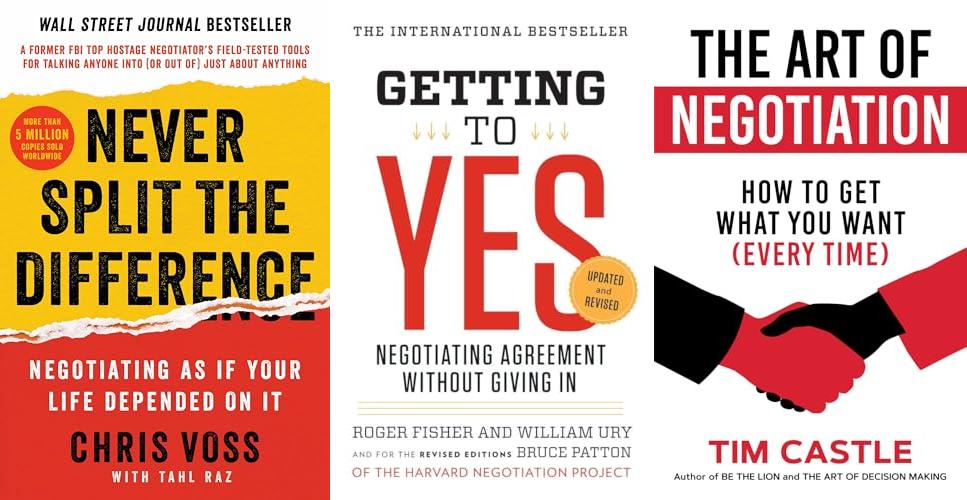
1. Never Split the Difference: Negotiating As If Your Life Depended On It―Unlock Your Persuasion Potential in Professional and Personal Life

Rating: 9.4/10
Have you ever felt like you weren’t getting what you wanted in a conversation? Maybe at work or even at home? “Never Split the Difference: Negotiating As If Your Life Depended On It” is a book that teaches you how to get better results. It’s like a secret weapon for talking to people. The author, Chris Voss, was a top FBI negotiator. He shares his amazing techniques so you can use them too. This book will help you persuade others and get a better deal. It’s useful for important meetings and everyday chats.
What We Like:
- Teaches practical, real-world negotiation skills.
- Written by an experienced FBI negotiator, adding credibility.
- Offers actionable strategies for both professional and personal life.
- Helps build confidence in communication.
- Encourages understanding the other person’s perspective.
What Could Be Improved:
- Some concepts might require careful rereading to fully grasp.
- The “life depended on it” framing might feel intense for some readers.
- Relies heavily on personal anecdotes, which might not resonate with everyone.
This book offers powerful tools to improve your negotiation skills. It’s a valuable guide for anyone looking to communicate more effectively.
2. Getting to Yes: Negotiating Agreement Without Giving In

Rating: 8.7/10
Getting to Yes: Negotiating Agreement Without Giving In by Fisher, Ury, and Patton is a game-changer for anyone who wants to solve problems and reach good deals. This book teaches you a smart way to talk things out. You learn how to get what you need without making the other person feel like they lost. It’s like learning a secret handshake for making agreements that work for everyone.
What We Like:
- The book offers clear, step-by-step advice that’s easy to understand.
- It helps you focus on your interests, not just your positions. This means you can find creative solutions.
- You learn how to understand the other person’s point of view, which builds trust.
- The strategies work in all kinds of situations, from work disagreements to family discussions.
- It teaches you to be firm about what’s important but flexible about how to get there.
What Could Be Improved:
- Some examples might feel a little dated to modern readers.
- The book can be dense in places, requiring careful reading to grasp every concept.
This book gives you powerful tools to navigate disagreements. You will feel more confident in your ability to find win-win solutions.
3. The Art of Negotiation: How to get what you want (every time)

Rating: 9.2/10
Ever feel like you’re not getting your way? The Art of Negotiation: How to get what you want (every time) promises to change that. This resource dives into the skills you need to succeed in any discussion. It teaches you how to understand others and present your ideas clearly. You’ll learn to find common ground and reach agreements that work for everyone. Mastering these techniques can help you in school, with friends, and even when asking for something at home. It’s about being confident and persuasive.
What We Like:
- It teaches practical skills for real-life situations.
- The advice is easy to understand and follow.
- It helps build confidence in communicating your needs.
- You can use these skills in many different areas of your life.
What Could Be Improved:
- The title might set expectations a little too high (“every time” is a bold claim!).
- More real-life examples could make the lessons even clearer.
- It doesn’t mention how to handle really difficult or unfair situations.
This guide offers valuable tools for improving your communication. It’s a good starting point for anyone wanting to become a better negotiator.
4. You Can Negotiate Anything: How to Get What You Want

Rating: 9.2/10
The book “You Can Negotiate Anything: How to Get What You Want” is a guide that teaches you how to get what you want in life. It offers practical advice and strategies for dealing with different situations. The author shares tips that can help you become a better negotiator. This book is for anyone who wants to improve their skills and achieve their goals.
What We Like:
- The book gives clear steps to follow.
- It helps you understand yourself better.
- You learn to communicate your needs effectively.
- The advice is easy to put into practice.
- It boosts your confidence in asking for things.
What Could Be Improved:
- Some examples might feel a bit old-fashioned.
- More real-life stories could make it even better.
- It doesn’t cover every single negotiation scenario.
This book offers valuable lessons for improving your negotiation abilities. It’s a helpful resource for anyone looking to get more out of their interactions.
5. The Art of Persuasion: Winning Without Intimidation

Rating: 9.3/10
Ever wanted to get your point across without being bossy or mean? “The Art of Persuasion: Winning Without Intimidation” is your guide. This product teaches you how to convince others using smart and kind methods. You’ll learn how to share your ideas clearly and make people understand your point of view. It’s all about making connections and finding solutions together, not forcing your way.
What We Like:
- It helps you build stronger relationships by showing respect.
- You learn to communicate your ideas effectively.
- It boosts your confidence in sharing your thoughts.
- The methods are ethical and fair.
- It’s useful in school, with friends, and even at home.
What Could Be Improved:
- Some examples might be too simple for older teens.
- The product could offer more practice exercises.
- It doesn’t always address situations where someone is being truly stubborn.
This product is an excellent tool for anyone wanting to improve their communication skills. It empowers you to be heard and understood in a positive way.
Your Guide to Picking the Best Books on Negotiation
Negotiating is a skill that helps you get what you want in many parts of life. Whether you’re buying a car, asking for a raise, or even deciding where to go for dinner with friends, knowing how to negotiate well makes a big difference. Books on negotiation can teach you powerful strategies and give you the confidence to succeed. This guide will help you find the perfect book for your needs.
Key Features to Look For
When you’re choosing a book about negotiation, look for these important features:
- Clear and Actionable Advice: The best books don’t just talk about theories. They give you concrete steps you can take right away. You want advice that’s easy to understand and put into practice.
- Real-World Examples: Stories from real negotiations make the advice more relatable and believable. Look for books that share examples from business, personal life, or even everyday situations.
- Different Negotiation Styles: Not all negotiations are the same. Good books explain various approaches, like win-win (where both sides feel happy) or how to handle difficult people.
- Exercises and Practice: Some books include activities or questions to help you practice what you learn. This is a great way to really understand the concepts.
- Author Credibility: Who wrote the book? Are they a professor, a successful negotiator, or a business expert? Their experience can tell you a lot about the quality of the information.
Important Materials Within Negotiation Books
Inside a good negotiation book, you’ll find several helpful sections:
- Understanding Your Goals: The book will likely help you figure out what you really want and what you’re willing to give up.
- Preparation Strategies: It will teach you how to get ready before a negotiation. This includes researching the other person and understanding the situation.
- Communication Techniques: You’ll learn how to listen carefully, ask good questions, and speak clearly and confidently.
- Handling Objections and Conflict: Books often cover ways to deal with disagreements and find solutions when things get tough.
- Closing the Deal: Finally, you’ll discover how to wrap up the negotiation successfully and make sure everyone agrees.
Factors That Improve or Reduce Quality
What makes a negotiation book great or not so great?
- Improves Quality:
- Simple Language: Easy-to-understand words make it accessible for everyone.
- Practical Tips: Advice you can use immediately.
- Balanced Perspective: Shows different sides of negotiation.
- Engaging Stories: Keeps you interested and helps you remember.
- Reduces Quality:
- Too Much Jargon: Using complicated words that are hard to understand.
- Vague Advice: Giving general ideas without specific instructions.
- One-Sided View: Only showing one way to negotiate.
- Outdated Information: Strategies that don’t work anymore.
User Experience and Use Cases
People use negotiation books for many reasons.
- Professionals: Business people use these books to improve their sales, manage teams better, and get better deals.
- Students: Those studying business or law find them helpful for learning important skills.
- Everyday Life: You can use the advice to negotiate with your landlord, your cable company, or even your family about chores.
- Personal Growth: Learning to negotiate builds confidence and helps you stand up for yourself.
The best books make you feel more prepared and less nervous when you have to negotiate. They empower you to achieve better outcomes in all areas of your life.
Frequently Asked Questions About Negotiation Books
Q: What are the main benefits of reading a book on negotiation?
A: Reading a negotiation book helps you learn strategies to get what you want, build confidence, and improve your communication skills. It prepares you for different situations.
Q: Are negotiation books only for business people?
A: No, negotiation books are useful for everyone! You can use the skills in your personal life, at school, or when dealing with services like your phone or internet provider.
Q: What’s the difference between a good and a bad negotiation book?
A: A good book offers clear, actionable advice with real examples. A bad book might use confusing language or give advice that’s hard to use.
Q: Should I look for books with exercises?
A: Yes, books with exercises can be very helpful. They let you practice the skills you’re learning, which makes them stick better.
Q: How do I know if a book’s advice is still relevant?
A: Look for books published recently or those that focus on timeless principles of communication and problem-solving, rather than just trendy tactics.
Q: What is a “win-win” negotiation?
A: A win-win negotiation is when both people involved in the discussion feel like they got a good outcome and are happy with the result.
Q: How can a book help me prepare for a negotiation?
A: A good book will guide you on how to research the situation, understand your own goals, and think about what the other person might want.
Q: Can these books help me if I’m shy or nervous?
A: Absolutely! Many books offer strategies to build confidence and manage nerves, giving you tools to feel more comfortable.
Q: What if I only need to negotiate in simple situations?
A: Even simple situations benefit from good negotiation skills. These books can teach you how to handle everyday disagreements and requests more effectively.
Q: Where can I find the best negotiation books?
A: You can find great negotiation books at bookstores, online retailers like Amazon, and often in libraries. Reading reviews can also help you choose.
In conclusion, every product has unique features and benefits. We hope this review helps you decide if it meets your needs. An informed choice ensures the best experience.
If you have any questions or feedback, please share them in the comments. Your input helps everyone. Thank you for reading.