
Remember the days of loading film into your camera, the satisfying click of the shutter, and the anticipation of seeing your photos develop? For many, medium format film still holds a special magic, offering a unique depth and richness that digital can struggle to replicate. But when it comes time to bring those treasured images into the modern world, a crucial step awaits: scanning. And let’s be honest, navigating the world of medium format film scanners can feel like deciphering an ancient map.
The sheer variety of scanners out there can be overwhelming. Are you looking for the absolute best quality, or is budget a bigger concern? Do you need something fast, or is taking your time okay? These questions, along with the technical jargon, can leave you feeling lost. This is where we come in. By the end of this post, you’ll understand the key features to look for, the different types of scanners available, and how to pick the perfect one to unlock the full potential of your medium format negatives.
Get ready to transform your film scans from good to absolutely stunning. Let’s dive in and find the scanner that will bring your analog memories back to life with incredible detail and vibrant color.
Our Top 5 Medium Format Film Scanner Recommendations at a Glance
Top 5 Medium Format Film Scanner Detailed Reviews
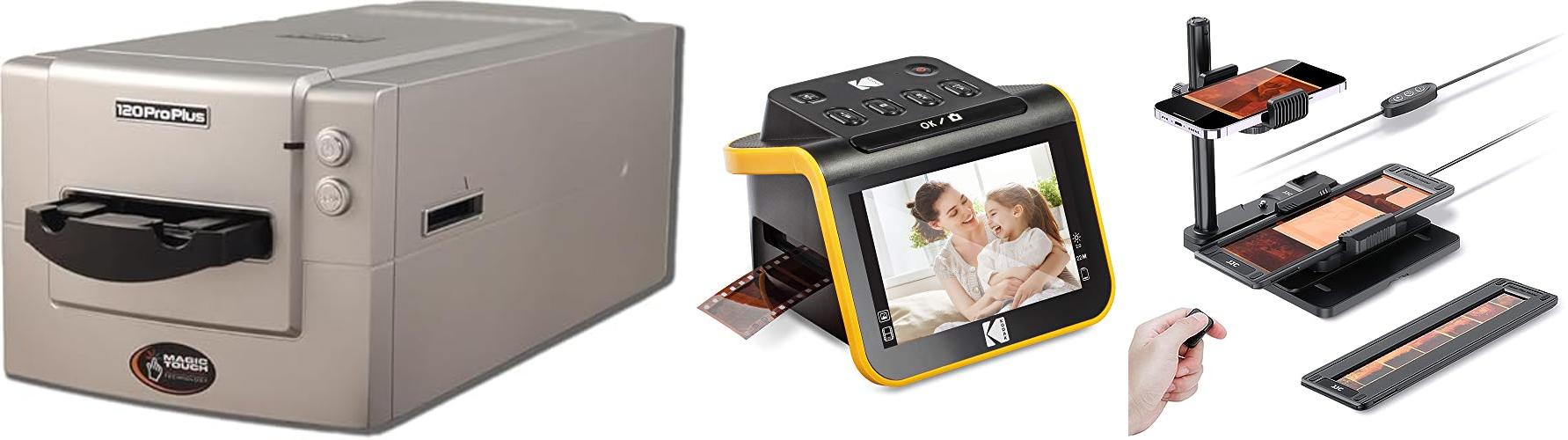
1. Pacific Image PrimeFilm 120 Pro Plus Film Scanner. Medium & 35mm Film

Rating: 9.3/10
The Pacific Image PrimeFilm 120 Pro Plus Film Scanner is a powerful tool for bringing your old film memories back to life. It can scan medium format and 35mm film, as well as slides, with impressive detail. This scanner is designed to be fast and easy to use, making it a great option for both beginners and experienced photographers.
What We Like:
- It can scan many different types of film, including 135, 120/200, 6×4.5cm, 6x6cm, 6x7cm, 6x9cm, and 6x12cm.
- It scans at a high resolution of 6,400 dpi, so your images will look very clear.
- The scanner is much faster than older models, saving you time.
- It automatically corrects brightness, noise, and color to make your scans look better.
- Infrared technology helps remove scratches and dust from your film.
- It works with both Mac and PC computers.
- The interface is simple to use, with one-button operation.
What Could Be Improved:
- The software might have a learning curve for advanced color adjustments.
- You need a good amount of computer power (RAM and hard drive space) for it to work well.
Overall, the PrimeFilm 120 Pro Plus is an excellent choice for anyone looking to digitize their film collection with high quality and speed. You can download the latest drivers and user guides from scanace.com/product/all-models-driver-download-user-guide.
2. KODAK Slide N SCAN Film & Slide Scanner Digitizer with 5” LCD Screen

Rating: 8.8/10
Rediscover your cherished memories with the KODAK Slide N SCAN Film & Slide Scanner Digitizer. This handy device lets you easily turn your old film negatives and slides into clear digital photos, preserving them for years to come. It’s compatible with all your favorite film types like 135, 126, and 110, making it a versatile tool for any photo collection.
What We Like:
- It saves your old photo memories by converting them to 22MP digital files.
- The 5” LCD display lets you see your photos clearly, and it has a gallery mode that’s perfect for sharing or as a digital picture frame.
- Loading film is super easy with the quick-feeding tray and included adapters.
- You can edit photos right on the scanner with simple buttons to make them look even better.
- The scanner looks great and fits in nicely with your home decor.
- It’s compatible with most computers and supports SD cards up to 32GB.
What Could Be Improved:
- An SD card is not included, so you’ll need to buy one separately.
- While easy to use, some advanced users might want more editing options.
This KODAK scanner is a fantastic way to bring your old photos back to life. It’s simple to operate and delivers great results, making it easy to share your past with everyone.
3. JJC Mobile Film Scanner Converts 35mm & 120 Format Film to Digital

Rating: 9.0/10
Rediscover your old photos with the JJC Mobile Film Scanner. This clever device lets you use your smartphone to turn your 35mm and 120 film negatives into digital images. It’s a quick and easy way to bring your memories back to life.
What We Like:
- It’s super easy to use: just pop your film in, set up your phone, and snap away.
- The wireless remote lets you take pictures without even touching your phone, so no blurry shots!
- The adjustable LED backlight makes sure your scans are bright and clear.
- It works with most smartphones, even if they have a case on.
- The holders keep your film perfectly flat for scanning.
- The base is made of strong metal, so it won’t wobble.
- You can use it with free apps like Snapseed to make your photos look even better.
What Could Be Improved:
- The product doesn’t come with any special scanning software, so you’ll need to find your own app.
This JJC Mobile Film Scanner is a fantastic tool for anyone wanting to digitize their film collection. It offers a simple and effective way to preserve and share your precious memories.
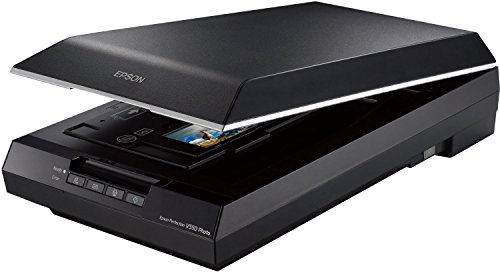
4. Epson Perfection V550 Color Photo
Rating: 9.5/10
The Epson Perfection V550 Color Photo, Image, Film, Negative & Document Scanner is a powerful tool for bringing your old memories and important documents back to life. It uses a high resolution to create incredibly clear and colorful scans.
What We Like:
- It creates super sharp and colorful copies of your photos.
- You can make big enlargements, up to 17 x 22 inches, thanks to its 6400 dpi resolution.
- It can scan old 35mm slides, negatives, and film using its built-in light.
- Digital ICE technology magically removes dust and scratches from your film scans.
- Easy Photo Fix makes faded pictures look bright and new with just one click.
- ReadyScan LED technology means it scans quickly and is ready to go right away, with no waiting for it to warm up and no harmful mercury.
- You can scan many photos at once, and it automatically finds and saves each one as a separate file.
- It can turn scanned documents into editable text with ABBYY FineReader Sprint Plus OCR.
- The scanner captures amazing, true-to-life colors with its 48-bit color depth.
- It connects easily and quickly using Hi-Speed USB 2.0.
What Could Be Improved:
- The scanning software, while powerful, might take a little time to get used to.
- While it’s great for photos and film, some users might wish for even faster document scanning speeds.
This scanner is an excellent choice for anyone wanting to preserve and enhance their precious photos and important documents. It offers great quality and helpful features for a fantastic user experience.
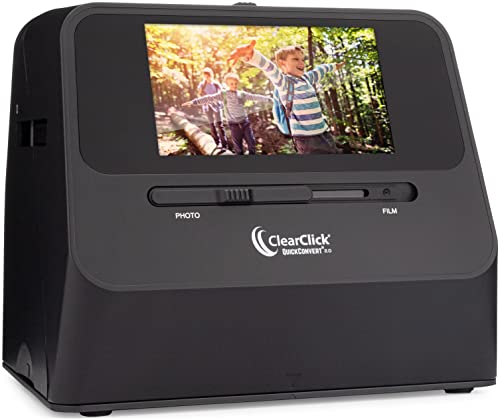
5. ClearClick QuickConvert 2.0 Photo
Rating: 9.4/10
Bring your cherished memories back to life with the ClearClick QuickConvert 2.0! This amazing scanner lets you easily turn old photos, slides, and negatives into crisp digital images. It’s perfect for preserving those precious moments from your past.
What We Like:
- Super fast scanning: It only takes 2-3 seconds to scan a photo, slide, or negative.
- No computer needed: Just turn it on and start scanning. It’s that simple!
- Scan directly from albums: You can even scan photos without taking them out of their albums or mounts.
- Portable and easy to use: The built-in rechargeable battery means you can scan anywhere, and the 5-inch preview screen lets you see your scans instantly.
- High-resolution scans: Get great quality digital photos with 14 megapixels (22 interpolated).
- USA small business support: Enjoy a 2-year warranty and tech support from ClearClick.
What Could Be Improved:
- Scans one item at a time: This scanner does not have an automatic feeder, so you’ll scan each item individually.
- Size limitation: It cannot scan 5×7 photos.
The ClearClick QuickConvert 2.0 makes digitizing your old photos and film incredibly easy. It’s a fantastic way to relive your memories and share them with family and friends.
Choosing the Best Medium Format Film Scanner
Why You Need a Medium Format Film Scanner
Do you have boxes of old medium format film negatives or slides? Maybe you’re a photographer who loves the look of medium format film. You want to share your amazing photos with the world, but they’re stuck on film. A medium format film scanner is your ticket to bringing those images back to life digitally. This guide will help you pick the right one.
Key Features to Look For
Resolution Matters
This tells you how much detail the scanner can capture. Higher resolution means sharper images. For medium format, look for scanners that can scan at least 2400 dpi (dots per inch). Some go even higher, up to 5000 dpi or more. More dpi means you can print bigger or crop more without losing quality.
Color Depth
This is about how many colors the scanner can see. Most good scanners offer 48-bit color. This captures more subtle shades and tones, making your scanned images look richer and more realistic.
Types of Scanners
There are a few main types:
- Flatbed Scanners: These are versatile. You can scan prints and other flat documents too. They often come with holders for film.
- Dedicated Film Scanners: These are built just for film. They usually give you better results for film than flatbeds.
- Drum Scanners: These are the top-of-the-line. They offer the best quality but are very expensive and complex. Most people don’t need these.
Speed and Convenience
How fast does it scan? Some scanners are quick, while others take their time. Think about how much film you have. If you have a lot, speed is important. Also, how easy is it to load the film and start scanning?
Important Materials and Build
The scanner’s construction matters. A sturdy scanner will last longer. Look for good quality plastic and well-made moving parts. The light source is also important. A good LED light source provides even illumination, which is key for capturing accurate colors and details.
Factors That Improve or Reduce Quality
Dust and Scratches
Film can get dusty or scratched over time. Many scanners have Digital ICE (Image Correction and Enhancement) technology. This feature can automatically remove dust and scratches from your scans. It’s a lifesaver!
Scanning Software
The software that comes with the scanner is crucial. Good software makes scanning easier. It also offers tools to adjust colors, brightness, and contrast. Some software is basic, while others are very powerful.
Light Source Quality
The scanner’s light source directly impacts the scan quality. A poor light source can lead to uneven colors or a lack of detail. High-quality LED lights are best.
User Experience and Use Cases
Who Needs One?
A medium format film scanner is for anyone who has medium format negatives or slides and wants to digitize them. This includes:
- Photographers who shot with medium format cameras.
- Archivists preserving old family photos.
- Digital artists who want to incorporate film textures into their work.
- Anyone who loves the unique look and feel of medium format film.
Ease of Use
Some scanners are plug-and-play, meaning you can start scanning right away. Others require more setup. If you’re not tech-savvy, look for a scanner with simple controls and user-friendly software.
What Can You Do With Scans?
Once your film is scanned, you can:
- Share photos on social media.
- Print them for albums or frames.
- Edit them further in photo editing software.
- Create digital art.
Frequently Asked Questions (FAQ)
Q: What is medium format film?
A: Medium format film is larger than 35mm film. It gives you better image quality and more detail. Common sizes include 120 and 220 film.
Q: Do I need a powerful computer to use a scanner?
A: Most scanners work with standard computers. However, high-resolution scanning and editing can use a lot of computer power and storage space.
Q: How much do medium format film scanners cost?
A: Prices vary widely. Basic flatbed scanners might start around $200. High-end dedicated film scanners can cost $1000 or more. Drum scanners are much more expensive.
Q: Can I scan color slides and black and white negatives?
A: Yes, most medium format film scanners can handle both color slides and black and white negatives. Some may have specific holders or settings for each.
Q: How do I clean my film before scanning?
A: Use a soft-bristled brush designed for film or a can of compressed air to gently remove dust. Be careful not to touch the film surface with your fingers.
Q: What is DPI and why is it important?
A: DPI stands for Dots Per Inch. It measures how many tiny dots of color the scanner can capture in one inch of the image. Higher DPI means more detail and better quality, especially for printing large images.
Q: Will a scanner remove scratches from my old film?
A: Many scanners have a feature called Digital ICE that can automatically remove dust and scratches. It works very well for many types of damage.
Q: How long does it take to scan a medium format negative?
A: Scanning time depends on the scanner’s speed and the resolution you choose. A single scan can take anywhere from 30 seconds to several minutes.
Q: Can I use any scanner for medium format film?
A: No. You need a scanner that is specifically designed to handle the larger size of medium format film. Standard 35mm film scanners will not work.
Q: What’s the difference between a flatbed scanner and a dedicated film scanner?
A: A flatbed scanner is a general-purpose scanner. A dedicated film scanner is built specifically for scanning film and usually provides better results for film images.
In conclusion, every product has unique features and benefits. We hope this review helps you decide if it meets your needs. An informed choice ensures the best experience.
If you have any questions or feedback, please share them in the comments. Your input helps everyone. Thank you for reading.