
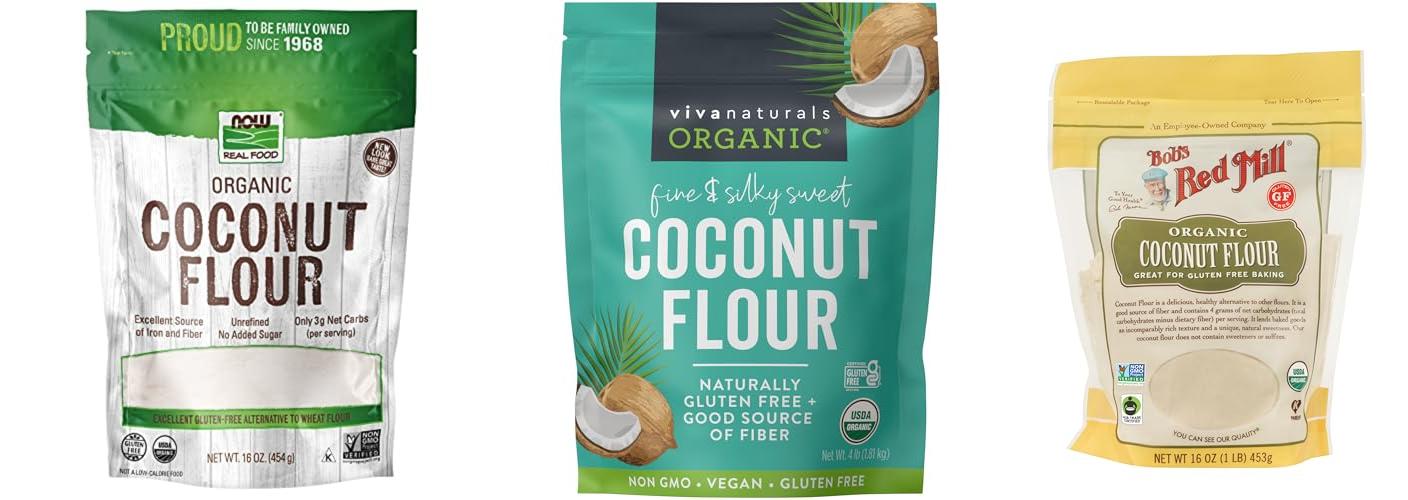
Ever wondered if there’s a secret ingredient to make your baked goods healthier and tastier? Coconut flour might be that secret! It’s made from dried, ground coconut meat, and it’s becoming super popular for lots of good reasons. But when you go to the store or shop online, you see so many different kinds. It can be confusing to pick the best one for your baking.
Many people want to eat healthier, and coconut flour is a great choice because it’s packed with fiber and has fewer carbs than regular flour. However, choosing the right kind can be tricky. Some flours are too dry, others are too oily, and some just don’t bake up right. This can lead to disappointing cookies or flat pancakes.
In this post, we’ll help you sort through the choices. We’ll explore what makes coconut flour so special and guide you on how to find the perfect bag for your kitchen. Get ready to bake with confidence and discover delicious, healthy treats that everyone will love!
Our Top 5 Coconut Flour Recommendations at a Glance
| Image | Product | Rating | Links |
|---|---|---|---|
 |
NOW Foods | 9.1/10 | Check Price |
 |
Viva Naturals Organic Coconut Flour (4 lbs) – Gluten Free Flour Substitute for Keto | 9.5/10 | Check Price |
 |
Bob’s Red Mill Organic Coconut Flour | 8.8/10 | Check Price |
 |
Nature’s Eats Coconut Flour | 8.7/10 | Check Price |
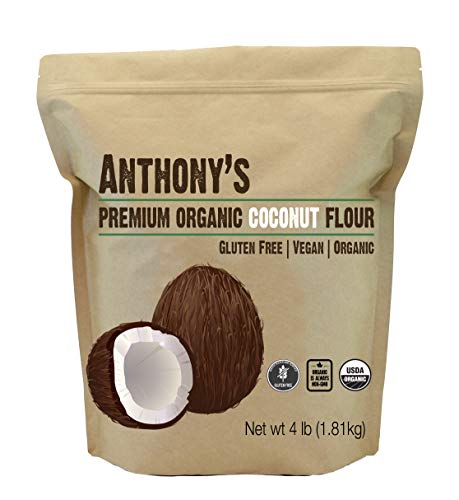 |
Anthony’s Organic Coconut Flour | 9.0/10 | Check Price |
Top 5 Coconut Flour Detailed Reviews
1. NOW Foods
Rating: 9.1/10
Looking for a healthier flour option? NOW Foods Organic Coconut Flour is a fantastic choice! This unsweetened flour is made from dried, ground coconut meat. It’s a great way to add fiber to your baking and cooking. Plus, it’s free from gluten and other common allergens, making it suitable for many diets.
What We Like:
- It’s an excellent source of fiber, which is good for your digestion.
- It’s certified organic and non-GMO, so you know you’re getting a pure product.
- This flour is unsweetened, giving you control over the sweetness in your recipes.
- It’s also keto-friendly and gluten-free, fitting into many healthy eating plans.
- The flour has no added sulfites.
- It’s Kosher certified.
- The packaging is designed to be sustainable through Terracycle.
- It’s made by a family-owned company that has been around since 1968.
What Could Be Improved:
- Coconut flour can absorb a lot of liquid, so you might need to adjust your recipes.
- The packaging may vary, which could be a surprise if you’re expecting a specific look.
This flour is a versatile ingredient for anyone looking to boost their fiber intake and bake with wholesome ingredients. Give it a try in your favorite recipes!
2. Viva Naturals Organic Coconut Flour (4 lbs) – Gluten Free Flour Substitute for Keto
Rating: 9.0/10
Looking for a healthier way to bake? Viva Naturals Organic Coconut Flour is a fantastic choice for anyone wanting to swap out traditional flours. This flour comes from fresh, organic coconuts, giving your baked goods a wonderful, slightly sweet taste. It’s perfect for so many different diets, including keto, paleo, and vegan lifestyles.
What We Like:
- It’s made from fresh, organic coconuts and has a delicious, mild sweetness.
- This flour is great for gluten-free and keto baking, like breads and cookies.
- It’s a good source of fiber and low in fat and sodium.
- It’s certified vegan, keto, and paleo, making it super versatile.
- You can trust the quality; it’s USDA Organic, Non-GMO Project Verified, and Kosher.
- The 4-pound bag offers a lot of flour for your baking needs.
What Could Be Improved:
- Coconut flour absorbs a lot of liquid, so you need to adjust recipes carefully.
- It can sometimes leave a slightly gritty texture if not mixed well.
This Viva Naturals Organic Coconut Flour is a high-quality, versatile ingredient for healthier baking. It’s a smart addition to any pantry for those following specific diets or simply looking for a wholesome flour alternative.
3. Bob’s Red Mill Organic Coconut Flour
Rating: 8.8/10
We’re diving into the world of healthy baking with Bob’s Red Mill Organic Coconut Flour. This 16oz bag is packed with goodness, offering a fantastic alternative for those looking for gluten-free, low-carb, and plant-based options. It’s certified organic, non-GMO, fair trade, vegan, keto-friendly, paleo-friendly, and kosher, making it a versatile choice for many dietary needs.
What We Like:
- It’s super versatile! You can use it in both sweet and savory dishes. Try it as a coating for chicken or fish.
- It blends well with other nut flours for amazing gluten-free baked goods.
- It’s packed with dietary fiber, which is great for your health.
- Bob’s Red Mill is committed to making people happier with wholesome ingredients.
- It’s a great option for keto and paleo diets.
What Could Be Improved:
- Because it’s so high in fiber, you’ll usually need more eggs in recipes.
- If you’re new to low-carb baking, you really need to follow recipes made specifically for coconut flour. Otherwise, your baked goods might not turn out as tasty as you hope.
Bob’s Red Mill Organic Coconut Flour is a valuable addition to any kitchen focused on healthier baking. With a little practice and the right recipes, you can create delicious treats.
4. Nature’s Eats Coconut Flour
Rating: 8.8/10
Bakers, get ready to upgrade your kitchen! Nature’s Eats Coconut Flour, 32 Oz is a fantastic ingredient for anyone looking to make healthier and tastier treats. This flour is super fine, which means it blends smoothly into your recipes. Plus, it’s Non-GMO and organic, so you know you’re using good stuff. It’s a great choice for gluten-free and grain-free baking.
What We Like:
- Super fine texture makes baking easy and creates smooth results.
- Certified Organic and Non-GMO, giving you peace of mind about what you’re eating.
- A healthy alternative for gluten-free and grain-free diets.
- The generous 32 oz size means you won’t run out quickly.
- It absorbs a lot of liquid, so a little goes a long way in recipes.
What Could Be Improved:
- Coconut flour can be a bit tricky to work with if you’re new to it; recipes might need adjustments.
- It’s not a direct 1:1 substitute for wheat flour in all recipes.
- Some people might find the natural coconut flavor too strong in certain baked goods.
Nature’s Eats Coconut Flour is a wonderful addition to any health-conscious kitchen. It empowers you to create delicious and wholesome baked goods with confidence.
5. Anthony’s Organic Coconut Flour
Rating: 9.0/10
Looking for a healthy and versatile flour for your baking needs? Anthony’s Organic Coconut Flour, 4 lb, is a fantastic choice. This large bag offers a pure, organic option that fits many dietary preferences, making it a go-to for bakers of all kinds.
What We Like:
- It’s USDA Certified Organic, meaning it’s grown and processed without harmful chemicals.
- You can trust it’s gluten-free because it’s batch tested and verified.
- This flour is packed with fiber and protein, which is great for your body.
- It has a low moisture content, making it easy to work with in recipes.
- It’s a plant-based alternative to regular wheat flour, so everyone can enjoy it.
- It works wonderfully for many diets like Plant Based, Gluten Free, Vegan, Paleo, and Keto.
- The 4-pound bag gives you plenty of flour for all your baking projects.
What Could Be Improved:
- Coconut flour can be a bit tricky to use if you’re not familiar with it; it absorbs a lot of liquid.
- The texture of baked goods made with coconut flour can be different from those made with wheat flour.
Anthony’s Organic Coconut Flour is a top-notch ingredient for anyone seeking healthier baking options. Its quality and versatility make it a smart addition to your pantry.
The Ultimate Coconut Flour Buying Guide
Coconut flour is a fantastic ingredient. It’s made from dried, ground coconut meat. This flour is a great alternative to regular wheat flour. It’s naturally gluten-free and grain-free. Many people use it for baking and cooking.
Key Features to Look For
When you buy coconut flour, look for a few important things.
Color
- Bright White: Good coconut flour has a bright white color. This means it’s processed well.
- Yellowish or Brown: If it looks yellow or brown, it might not be as fresh.
Texture
- Fine and Powdery: The flour should feel very fine and powdery. It shouldn’t be clumpy.
- Smooth: It should feel smooth, not gritty.
Smell
- Mild Coconut Scent: It should have a pleasant, mild smell of coconut.
- No Strong Odor: A strong or unpleasant smell means it might be old.
Packaging
- Airtight Seal: Check for a good seal on the bag or container. This keeps it fresh.
- Opaque Packaging: Opaque packaging protects the flour from light.
Important Materials
Coconut flour is made from just one main ingredient:
- Dried Coconut Meat: The process starts with fresh coconuts. The meat is dried and then ground into a fine flour. That’s it! There are usually no other ingredients added.
Factors That Improve or Reduce Quality
Several things affect how good your coconut flour is.
Factors That Improve Quality
- Fresh Coconuts: Using fresh, high-quality coconuts makes a difference.
- Proper Drying: The drying process is important. It needs to be done correctly to remove moisture without cooking the flour.
- Fine Grinding: The grinding process must be thorough to create a fine powder. This helps it mix well in recipes.
- Good Storage: Keeping the flour in a cool, dry place helps it stay fresh.
Factors That Reduce Quality
- Old Coconuts: Using old or poor-quality coconuts will result in lower-quality flour.
- Too Much Heat During Drying: Overheating can make the flour taste burnt or change its texture.
- Moisture: If the flour gets wet, it can spoil or become clumpy.
- Poor Packaging: If the packaging isn’t sealed well, air and moisture can get in. This makes the flour go bad faster.
User Experience and Use Cases
Coconut flour is versatile. People love it for many reasons.
Benefits Users Experience
- Gluten-Free Baking: It’s a top choice for people avoiding gluten.
- Low Carb Diets: It’s low in carbohydrates. This makes it popular for keto and paleo diets.
- Digestive Health: It’s high in fiber. This can help with digestion.
- Unique Texture: It bakes into moist and dense goods.
Common Use Cases
- Pancakes and Waffles: Coconut flour makes delicious, fluffy pancakes.
- Muffins and Cakes: You can bake cakes and muffins with it. They will be rich and satisfying.
- Bread: It can be used to make gluten-free bread loaves.
- Thickener: It works well as a thickener for sauces and soups.
- Coatings: Use it to coat chicken or fish before frying.
Frequently Asked Questions (FAQ)
Q: What is coconut flour?
A: Coconut flour is a flour made from dried, ground coconut meat. It’s a popular alternative to wheat flour.
Q: Is coconut flour gluten-free?
A: Yes, coconut flour is naturally gluten-free. It’s a great option for people with celiac disease or gluten sensitivity.
Q: How is coconut flour different from almond flour?
A: Coconut flour is made from coconut meat, while almond flour is made from ground almonds. Coconut flour is more absorbent and has a distinct coconut flavor.
Q: How much coconut flour should I use in a recipe?
A: Coconut flour absorbs a lot of liquid. You usually need much less coconut flour than wheat flour. A good starting point is about 1/4 to 1/3 cup of coconut flour for every cup of wheat flour.
Q: What does coconut flour taste like?
A: It has a mild, sweet coconut flavor. This flavor usually blends well with other ingredients in baked goods.
Q: Can I substitute coconut flour for all-purpose flour in any recipe?
A: It’s best to use recipes specifically designed for coconut flour. Because it absorbs liquid differently, direct substitutions can be tricky.
Q: How should I store coconut flour?
A: Store coconut flour in an airtight container in a cool, dry place. Some people keep it in the refrigerator or freezer to extend its freshness.
Q: What are the health benefits of coconut flour?
A: It is high in fiber and low in carbohydrates. This can help with digestion and blood sugar control. It’s also a good source of healthy fats.
Q: Does coconut flour need to be refrigerated after opening?
A: While not always necessary, refrigerating or freezing coconut flour can help keep it fresh for longer, especially in warm climates.
Q: Can children eat foods made with coconut flour?
A: Yes, children can eat foods made with coconut flour. It’s a nutritious ingredient for baking and cooking for the whole family.
In conclusion, every product has unique features and benefits. We hope this review helps you decide if it meets your needs. An informed choice ensures the best experience.
If you have any questions or feedback, please share them in the comments. Your input helps everyone. Thank you for reading.