
Have you ever seen a flash of brilliant blue or heard a cheerful chirp and wondered, “What bird is that?” So many amazing birds share our world, each with its own unique song and story. But when you want to learn more, you face a mountain of choices. Picking the perfect bird book can feel overwhelming, like trying to identify a bird from a blurry photo!
You want a book that clearly shows you what to look for, helps you understand different bird calls, and maybe even tells you cool facts about their lives. It’s frustrating when a book is hard to use or doesn’t have the information you need. That’s why we’re here to help!
In this post, we’ll guide you through finding bird books that are easy to understand and fun to explore. You’ll learn how to choose a book that sparks your curiosity and helps you become a budding bird expert. Get ready to discover the best resources for exploring the feathered friends around you!
Our Top 5 Bird Books Recommendations at a Glance
Top 5 Bird Books Detailed Reviews
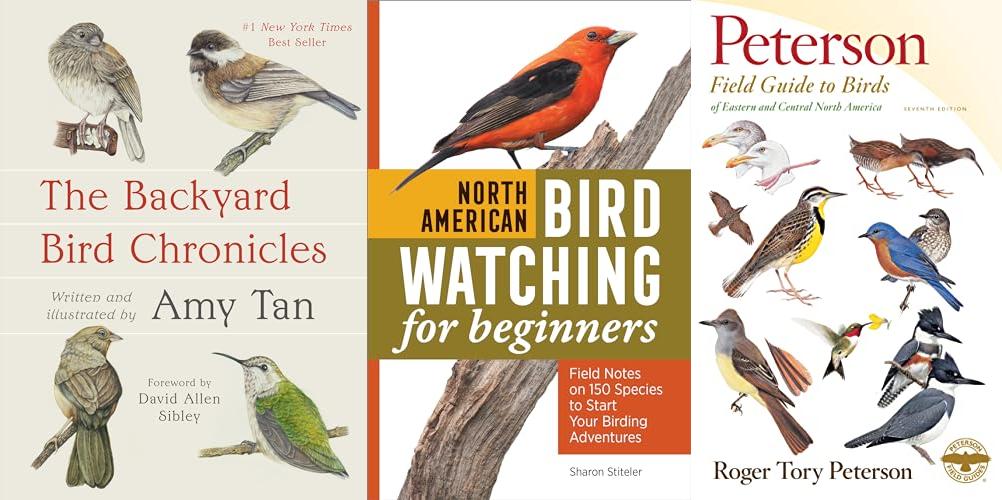
1. The Backyard Bird Chronicles

Rating: 8.5/10
The Backyard Bird Chronicles is your new favorite way to connect with nature. This book is packed with amazing facts and stunning photos of the birds you see every day. You’ll learn about their habitats, what they eat, and how they build their nests. It’s like having a bird expert right in your own backyard!
What We Like:
- Beautiful, colorful pictures that make the birds come alive.
- Easy-to-understand information that’s perfect for beginners.
- Helps you identify different bird species with simple guides.
- Inspires you to spend more time outdoors observing nature.
- Great for families to learn and explore together.
What Could Be Improved:
- Could include more common backyard birds in certain regions.
- Some of the bird calls described are a bit hard to imagine without audio.
- A section on common bird feeders and what to put in them would be a nice addition.
The Backyard Bird Chronicles truly brings the wonder of birds to your fingertips. It’s an excellent resource for anyone curious about the feathered friends flitting through their garden.
2. North American Bird Watching for Beginners: Field Notes on 150 Species to Start Your Birding Adventures (Bird Watching Adventures)

Rating: 9.3/10
Ready to discover the amazing world of birds right in your backyard? “North American Bird Watching for Beginners: Field Notes on 150 Species to Start Your Birding Adventures” is your perfect starting point. This guide makes learning about birds fun and easy for anyone just beginning their birdwatching journey. It’s packed with helpful information about 150 different bird species you can find across North America.
What We Like:
- It introduces you to 150 common North American birds.
- The “Field Notes” format makes it simple to record your own observations.
- It’s designed specifically for beginners, so no prior knowledge is needed.
- The “Bird Watching Adventures” title hints at the exciting experiences it unlocks.
- It encourages you to get outdoors and explore nature.
What Could Be Improved:
- More detailed illustrations or photos of each bird would be helpful for identification.
- A small section on basic birdwatching equipment could enhance the beginner experience.
- Information on bird calls or songs for each species would be a great addition.
This book is a fantastic tool to ignite your passion for birdwatching. It provides a solid foundation for understanding and appreciating the feathered friends around you.
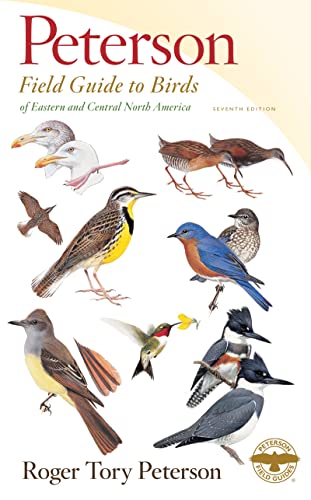
3. Peterson Field Guide To Birds Of Eastern & Central North America
Rating: 8.6/10
The Peterson Field Guide to Birds of Eastern & Central North America, Seventh Edition is a must-have for anyone who loves watching birds. This guide helps you identify birds you see in your backyard or on your hikes. It covers a huge area, from the Atlantic coast all the way to the Rocky Mountains. You’ll find clear pictures and helpful tips to tell different birds apart.
What We Like:
- The illustrations are very clear and detailed. They show the birds from different angles, which helps a lot with identification.
- The descriptions are easy to understand. They point out key features of each bird.
- It covers a wide range of birds found in eastern and central North America.
- The guide includes maps that show where each bird lives during different seasons.
- It is organized in a way that makes finding a specific bird fairly simple.
What Could Be Improved:
- The book can feel a little bulky to carry around on long walks.
- Some of the older bird names might confuse new birdwatchers.
- A few of the newer bird species are not included in this edition.
This guide is an excellent resource for both new and experienced birdwatchers. It will greatly improve your ability to identify the amazing birds around you.
4. Smithsonian Handbooks: Birds of North America — Eastern Region (Smithsonian Handbooks) (DK Handbooks)

Rating: 9.2/10
The Smithsonian Handbooks: Birds of North America — Eastern Region (Smithsonian Handbooks) (DK Handbooks) is a fantastic resource for anyone interested in the feathered friends of the eastern United States. This handbook offers a wealth of information, making it a valuable tool for both beginner birdwatchers and seasoned enthusiasts. It helps you identify the birds you see in your backyard or on your nature walks.
What We Like:
- Clear and colorful illustrations make bird identification easy.
- Detailed descriptions cover each bird’s appearance, habitat, and behavior.
- Organized by bird family, making it simple to navigate.
- Compact size fits easily into a backpack or pocket for field use.
- Provides helpful tips for birdwatching and conservation.
What Could Be Improved:
- Some very rare or migratory birds might be difficult to find.
- The binding could be more durable for extensive outdoor use.
This handbook is an excellent companion for exploring the diverse birdlife of the Eastern Region. It truly enhances the birdwatching experience.
5. Ornithography: An Illustrated Guide to Bird Lore & Symbolism (Volume 2) (Hidden Languages)

Rating: 8.6/10
Dive into the fascinating world of birds with Ornithography: An Illustrated Guide to Bird Lore & Symbolism (Volume 2) (Hidden Languages). This book unlocks the secret meanings and stories behind our feathered friends. It’s a journey into how different cultures have seen and understood birds throughout history. You’ll discover the hidden messages birds might be trying to send us.
What We Like:
- Beautiful illustrations bring the birds and their stories to life.
- It teaches you about the symbolism of many different bird species.
- The “Hidden Languages” aspect makes learning fun and intriguing.
- It expands your knowledge about nature and folklore.
- The information is presented in an easy-to-understand way.
What Could Be Improved:
- More detailed information on specific regional folklore could be added.
- A glossary of terms might be helpful for some readers.
This second volume offers a rich exploration of bird symbolism. It’s a wonderful resource for anyone curious about the deeper connections between humans and the avian world.
Your Feathered Friends: A Guide to Choosing the Best Bird Books
Are you fascinated by the chirping in your backyard? Do you dream of identifying every beautiful bird that visits your feeder? Bird books are your ticket to unlocking the world of avian wonders. Whether you’re a beginner or a seasoned birdwatcher, the right book can transform your outdoor adventures.
1. Key Features to Look For
When you’re picking out a bird book, think about what will help you the most. Here are the important things to consider:
- Clear Illustrations or Photos: You need to see the birds well! Look for books with detailed pictures or drawings. These help you tell birds apart.
- Detailed Descriptions: Good books tell you about the bird’s size, colors, and special markings. They also mention where to find the bird and what sounds it makes.
- Range Maps: These maps show you where a bird lives during different times of the year. They are super helpful for knowing which birds you might see in your area.
- Easy-to-Use Index: An index is like a table of contents at the back of the book. It helps you quickly find the bird you’re looking for.
- Beginner-Friendly Language: If you’re new to birdwatching, choose a book that uses simple words. It should explain things clearly without too much confusing jargon.
2. Important Materials
The way a book is made matters. It affects how long it lasts and how easy it is to use outdoors.
- Durable Cover: Many bird books have sturdy covers. This protects the pages inside, especially if you take the book outside.
- Water-Resistant Pages: Birdwatching often happens outside, where it might rain or dew. Books with pages that can handle a little water are a big plus.
- Good Paper Quality: The paper should be thick enough so that the pictures and words don’t show through from the other side.
3. Factors That Improve or Reduce Quality
Some things make a bird book great, while others can make it less helpful.
What Makes a Bird Book Great:
- Accurate and up-to-date information.
- Beautiful and clear artwork or photography.
- Logical organization that makes sense.
- Tips for identifying birds.
What Can Reduce Quality:
- Outdated information that doesn’t reflect current bird populations.
- Blurry or poorly lit pictures.
- Confusing layout that makes it hard to find information.
- Too much technical language that a beginner won’t understand.
4. User Experience and Use Cases
How you use your bird book is just as important as what’s inside it.
- Field Guides: These are designed to be carried with you. They are usually smaller and focus on quick identification of birds you see. You can pull them out at the park or in your backyard.
- Reference Books: These are often larger and more detailed. They are great for learning more about bird behavior, habitats, and conservation. You might use these at home to deepen your knowledge.
- Children’s Books: These books make learning about birds fun for younger kids. They often have colorful pictures and simple facts.
A good bird book will make your birdwatching trips more enjoyable and educational. It’s like having a knowledgeable friend who can identify every bird you encounter!
Frequently Asked Questions About Bird Books
Q: What is the most important thing to look for in a bird book?
A: The most important thing is clear pictures or illustrations that help you identify the birds accurately.
Q: Should I get a book with photos or drawings?
A: Both have their benefits. Photos show you exactly what a bird looks like. Drawings can sometimes highlight important features more clearly.
Q: How do I know if a bird book is good for beginners?
A: Look for books that use simple language and have a clear, easy-to-follow layout. They should also offer basic tips for bird identification.
Q: Are range maps really that important?
A: Yes, range maps are very important. They help you understand which birds are likely to be in your area at different times of the year.
Q: Can I use a bird book in the rain?
A: Some books are made with water-resistant pages, which are better for outdoor use. However, it’s always best to keep any book as dry as possible.
Q: What’s the difference between a field guide and a reference book?
A: Field guides are small and portable for identifying birds on the go. Reference books are larger and more in-depth for learning at home.
Q: How often do bird books need to be updated?
A: Bird populations and ranges can change. Ideally, books are updated every few years to keep information current.
Q: What if I want to learn about bird songs?
A: Some bird books include descriptions of bird calls. Many modern guides also come with accompanying apps or websites that let you hear the sounds.
Q: Are there bird books for specific regions?
A: Yes, many bird books focus on specific regions, like North America or Europe, or even smaller areas like a particular state or national park.
Q: How can a bird book help me become a better birdwatcher?
A: A good bird book teaches you what to look for, where to find birds, and what sounds they make. This knowledge helps you spot and identify more birds.
In conclusion, every product has unique features and benefits. We hope this review helps you decide if it meets your needs. An informed choice ensures the best experience.
If you have any questions or feedback, please share them in the comments. Your input helps everyone. Thank you for reading.