
Is your furry little German Shepherd puppy a bundle of boundless energy and growing paws? Bringing home a new puppy is exciting, but it also comes with big responsibilities. One of the most important is choosing the perfect food to fuel their rapid growth and development.
But where do you even begin? The sheer number of dog food brands and formulas can feel overwhelming. You want to give your German Shepherd the very best, but you might be worried about picking a food that doesn’t provide the right nutrients, or worse, causes tummy troubles. It’s a common worry for new puppy parents!
Don’t fret! This guide is here to help. We’ll break down exactly what your growing German Shepherd puppy needs in their diet. By the end of this post, you’ll feel confident understanding the key ingredients to look for and the pitfalls to avoid. Let’s dive into finding the ideal food that will help your intelligent and loyal companion thrive.
Our Top 5 Dog Food For German Shepherd Puppy Recommendations at a Glance
Top 5 Dog Food For German Shepherd Puppy Detailed Reviews
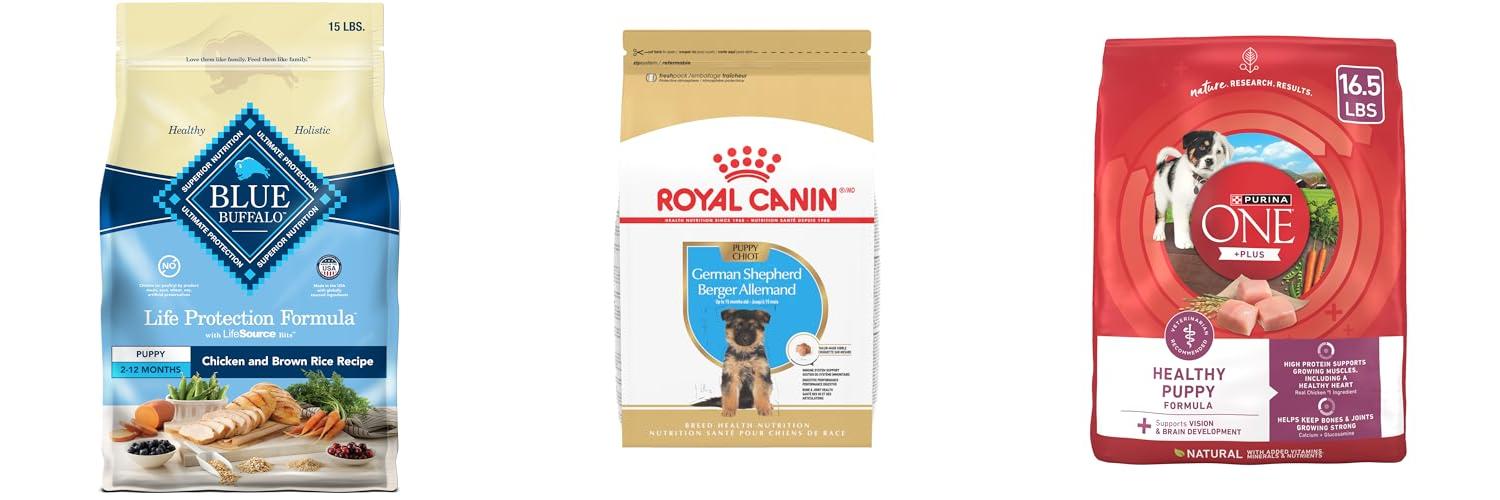
1. Blue Buffalo Life Protection Formula Puppy Dry Dog Food with DHA and ARA

Rating: 9.3/10
Welcoming a new puppy into your home is a joyous occasion, and providing them with the best nutrition is key to their healthy development. The Blue Buffalo Life Protection Formula Puppy Dry Dog Food, Chicken & Brown Rice Recipe, offers a wholesome start for your growing furry friend. This 15-lb bag is packed with essential nutrients to support your puppy through their most crucial stages.
What We Like:
- Real Chicken First: The first ingredient is high-quality, real chicken, giving your puppy the protein they need for strong muscles.
- Puppy-Specific Nutrition: This food is specially formulated to promote healthy muscle growth, strong bones and teeth, and a shiny, healthy coat.
- Immune System Support: It includes exclusive LifeSource Bits, which are rich in antioxidants to help support a healthy immune system.
- Wholesome Ingredients: You can feel good knowing this food is made without any chicken by-product meals, corn, wheat, or soy.
- DHA and ARA: Contains DHA and ARA, important fatty acids that support brain and eye development in puppies.
What Could Be Improved:
- The physical packaging may differ slightly from the enhanced digital imagery, which could be confusing for some consumers.
- A larger bag size option might be beneficial for owners of multiple puppies or larger breeds.
This Blue Buffalo puppy food provides a balanced and nutritious foundation for your puppy’s journey. It’s a great choice for pet parents prioritizing natural ingredients and targeted nutrition for their young dogs.
2. Royal Canin German Shepherd Puppy Breed Specific Dry Dog Food

Rating: 8.7/10
Give your German Shepherd puppy the best start with Royal Canin German Shepherd Puppy Breed Specific Dry Dog Food. This special food is made just for puppies of this smart and strong breed. It helps them grow up healthy and happy.
What We Like:
- It’s made specifically for German Shepherd puppies from 8 weeks to 15 months old.
- The kibble has a special shape. This shape is perfect for their long snouts and helps them chew their food better.
- It contains a special mix of vitamins, like vitamin E. This helps build a strong immune system for your growing puppy.
- The food makes digestion easy. It uses proteins that are easy to digest and special fibers. This leads to good stool quality.
- It supports healthy bones and joints. It has glucosamine and chondroitin, which are important for large breeds.
What Could Be Improved:
- This is a breed-specific food, so it’s not suitable for puppies of other breeds.
- The 30 lb. bag can be quite large for some households.
Royal Canin German Shepherd Puppy food provides targeted nutrition to support your puppy’s development. It’s a thoughtful choice for raising a healthy and thriving German Shepherd.
3. Purina ONE Plus Healthy Puppy Formula High Protein Natural Dry Puppy Food with added vitamins

Rating: 8.7/10
Give your furry friend the best start with Purina ONE Plus Healthy Puppy Formula. This high-protein, natural dry puppy food is packed with everything your growing pup needs for a healthy and happy life. Real chicken is the first ingredient, providing the protein power for strong muscles and a healthy heart. Plus, it’s made with DHA, a key nutrient found in mother’s milk, to help support your puppy’s brain and vision development. This formula also includes four sources of antioxidants to boost their immune system, helping them fight off sickness.
What We Like:
- Real chicken is the #1 ingredient for strong muscles.
- Contains DHA to help with brain and vision development.
- Four antioxidant sources support a healthy immune system.
- Easily digestible with omega-6 fatty acids for a shiny coat and healthy skin.
- Delicious crunchy bites and tender meaty morsels dogs love.
- Made with no artificial flavors or preservatives.
- Crafted in U.S. facilities with 100% nutrition for puppies and 0% fillers.
What Could Be Improved:
- The 16.5 lb bag might be a bit large for very small puppies or owners with limited storage space.
Purina ONE Plus Healthy Puppy Formula offers complete nutrition for your growing puppy. It’s a smart choice for owners who want to provide high-quality ingredients for their dog’s well-being.
4. Purina Pro Plan Large Breed Dry Puppy Food

Rating: 9.3/10
Bringing home a large breed puppy is an exciting time! You want to give them the best start, and that includes the right food. Purina Pro Plan Large Breed Dry Puppy Food, Chicken and Rice Formula is designed specifically for these growing giants. It focuses on supporting their rapid growth, strong bones, and developing minds. The big 34 lb. bag means you’ll have plenty to keep your furry friend happy and healthy through their crucial puppy stages.
What We Like:
- It helps large breed puppies grow at the right pace.
- Glucosamine is included to support their developing joints and cartilage.
- Vitamin A and omega-6 fatty acids make their skin healthy and their coat shiny.
- The formula has a high protein content.
- Real chicken is the very first ingredient, making it tasty.
- DHA from fish oil helps their brain and vision grow strong.
What Could Be Improved:
- Some puppies might be picky eaters.
- The large bag size can be heavy to move.
This food offers excellent nutrition for your growing large breed puppy. It’s a solid choice for a healthy and happy start.
5. IAMS Proactive Health Large Breed Puppy Food with Real Chicken

Rating: 8.9/10
IAMS Proactive Health Large Breed Puppy Food with Real Chicken is a fantastic choice for your growing giant. This 30.6 lb. bag is packed with everything your large breed puppy needs for a healthy start. It’s made with real chicken and contains no fillers, so your puppy gets only the best. This food is designed to help your puppy grow strong and smart.
What We Like:
- It’s 100% complete and balanced for large breed puppies, with zero fillers.
- It includes omega-3 DHA to help your puppy learn faster and become more trainable.
- High-quality protein supports strong, growing muscles.
- Antioxidants are added to boost their developing immune system.
- It has 22 key nutrients, just like what puppies get from their mother’s milk.
- The balanced nutrition helps your puppy smoothly transition to adult dog food.
What Could Be Improved:
- The large bag size might be difficult for some people to store.
- Some picky eaters might need their food slightly moistened to enjoy it.
This IAMS Proactive Health food offers excellent nutrition for your large breed puppy’s crucial development stages. It’s a well-rounded option that supports their physical and mental growth.
Choosing the Best for Your German Shepherd Pup: A Puppy Food Buying Guide
Welcoming a German Shepherd puppy into your home is an exciting time! These intelligent and loyal dogs grow quickly and need the right nutrition to thrive. Selecting the best dog food for your German Shepherd puppy is a crucial step in ensuring a healthy and happy start to their life. This guide will help you navigate the options and make an informed decision.
Key Features to Look For
When you’re shopping for German Shepherd puppy food, keep these important features in mind:
- High-Quality Protein: Puppies need protein for muscle growth and development. Look for foods where a named meat source, like chicken, lamb, or beef, is listed as the first ingredient.
- Balanced Nutrients: Puppy food should have the right mix of protein, fats, carbohydrates, vitamins, and minerals. German Shepherds have specific needs as they grow, so a formula designed for large breeds is often best.
- Omega Fatty Acids: These are great for healthy skin and a shiny coat. Look for ingredients like fish oil or flaxseed.
- Calcium and Phosphorus: These minerals are vital for strong bones and teeth. The ratio of calcium to phosphorus is also important for proper skeletal development.
- Digestible Ingredients: Puppies can have sensitive stomachs. Foods with easily digestible ingredients will help prevent upset tummies and ensure they absorb all the good stuff.
Important Ingredients to Seek Out (and Avoid)
The ingredients list tells a big story about the food’s quality.
Good Ingredients:
- Whole Meats: Chicken, lamb, beef, turkey.
- Whole Grains: Brown rice, barley, oats (if your pup tolerates grains well).
- Vegetables and Fruits: Sweet potatoes, carrots, peas, blueberries (provide vitamins and antioxidants).
- Healthy Fats: Chicken fat, fish oil, flaxseed.
Ingredients to Be Wary Of:
- Meat By-products: These can be lower quality parts of the animal.
- Artificial Colors, Flavors, and Preservatives: These offer no nutritional value and can sometimes cause sensitivities.
- Corn, Wheat, and Soy as Fillers: While not always bad, they are often used as cheaper fillers and can be allergens for some dogs.
Factors That Improve or Reduce Quality
Several things can make a big difference in the quality of puppy food.
What Improves Quality:
- AAFCO Statement: Look for a statement from the Association of American Feed Control Officials (AAFCO). It ensures the food meets nutritional standards for growth and development.
- Breed-Specific Formulas: Some brands offer formulas tailored for large breeds like German Shepherds, which consider their growth rate and joint health needs.
- Limited Ingredient Diets: If your puppy has sensitivities, a limited ingredient diet can be beneficial.
What Reduces Quality:
- Vague Ingredient Listings: If an ingredient is listed as “meat meal” without specifying the type of meat, it’s a sign of lower quality.
- High Levels of Fillers: Foods packed with cheap fillers mean less room for nutritious ingredients.
- Poor Storage: Always buy food from reputable sources and store it properly in a cool, dry place to maintain freshness.
User Experience and Use Cases
Choosing the right food affects your puppy’s overall well-being.
- Energy Levels: A well-nourished puppy will be active and playful. You should see consistent energy without sudden crashes.
- Digestive Health: Look for firm, consistent stools. Diarrhea or constipation can be signs the food isn’t agreeing with your pup.
- Coat and Skin: A healthy coat is shiny and free of excessive dryness or flakiness. Healthy skin is clear and not irritated.
- Growth Rate: Your veterinarian will monitor your puppy’s growth. The food should support steady, healthy development, not too fast or too slow.
When choosing a food, read reviews from other German Shepherd owners. They often share valuable insights into how specific brands have worked for their puppies. Consider your puppy’s activity level and any potential health concerns when making your final selection.
Frequently Asked Questions for German Shepherd Puppy Food
Q: How much should I feed my German Shepherd puppy?
A: Feeding amounts vary by brand and your puppy’s age and weight. Always check the feeding guidelines on the dog food bag. Your vet can also give you specific advice.
Q: When should I switch from puppy food to adult food?
A: German Shepherd puppies usually transition to adult food between 12 and 18 months old. Your vet will tell you the best time for your dog.
Q: Can I feed my German Shepherd puppy the same food as a small breed puppy?
A: No, it’s not recommended. Large breed puppy foods are made with specific nutrient levels and calorie counts to support their slower growth and prevent bone and joint problems.
Q: What if my puppy is a picky eater?
A: Try warming the food slightly, adding a little bit of plain chicken broth (low sodium), or mixing in a small amount of wet food. Sometimes, just changing to a different flavor can help.
Q: How do I introduce new food to my puppy?
A: Introduce new food slowly over 7-10 days. Mix a small amount of the new food with the old food, gradually increasing the new food and decreasing the old food.
Q: What are the benefits of grain-free puppy food?
A: Some puppies are sensitive to grains. Grain-free diets can help if your puppy has allergies or digestive issues related to grains. However, they aren’t necessary for all dogs.
Q: Should I give my German Shepherd puppy supplements?
A: Usually, a high-quality puppy food provides all the necessary nutrients. Don’t give supplements unless your vet specifically recommends them. Too much of certain vitamins or minerals can be harmful.
Q: What does “named meat source” mean in the ingredients?
A: It means the food clearly states what kind of meat is used, like “chicken” or “lamb.” This is better than general terms like “meat meal” or “poultry by-products.”
Q: How can I tell if the food is making my puppy sick?
A: Watch for signs like vomiting, diarrhea, loss of appetite, itchy skin, or lethargy. If you see these, contact your veterinarian right away.
Q: Where is the best place to buy German Shepherd puppy food?
A: Reputable pet stores, online pet retailers, and your veterinarian’s office are good places. Buying from trusted sources ensures you get fresh, quality products.
In conclusion, every product has unique features and benefits. We hope this review helps you decide if it meets your needs. An informed choice ensures the best experience.
If you have any questions or feedback, please share them in the comments. Your input helps everyone. Thank you for reading.