
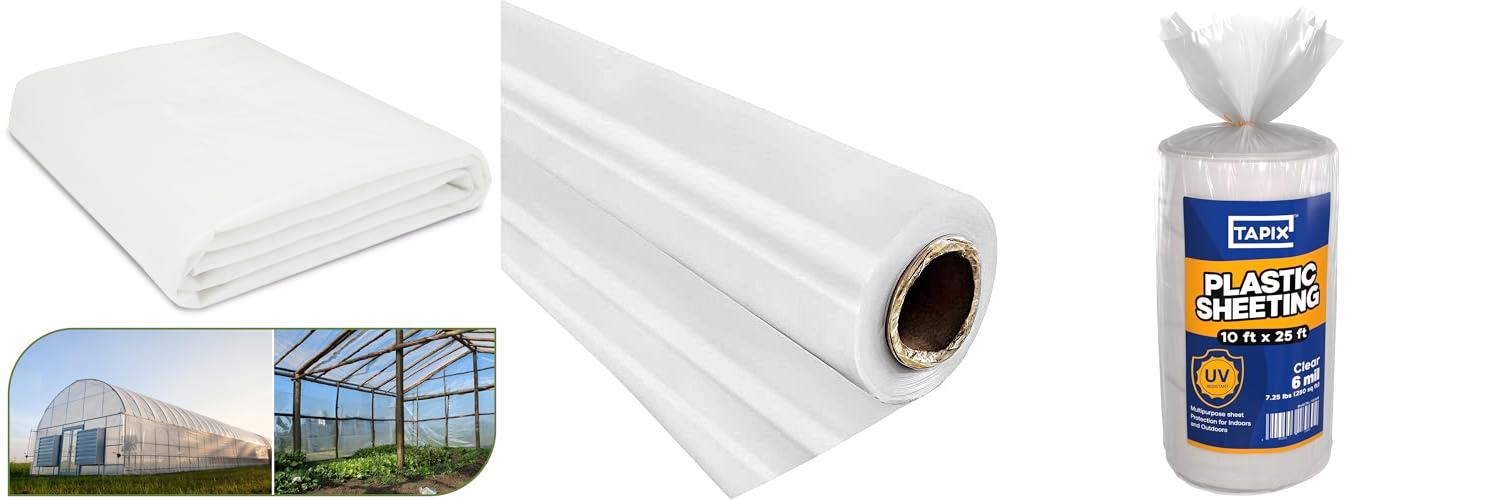
Imagine a garden that thrives year-round, bursting with fresh produce even when snow falls outside. That’s the magic a greenhouse can bring! But before you can enjoy this bounty, you need to cover your greenhouse. That’s where greenhouse plastic comes in. Picking the right kind can feel like a puzzle, with so many different types and features. You might worry about it tearing easily, not letting in enough light, or costing too much.
Choosing the wrong plastic can lead to wilted plants, wasted money, and a lot of frustration. But don’t worry! This guide is here to help. We’ll break down the different types of greenhouse plastic, explaining what makes each one special. You’ll learn about what to look for, what to avoid, and how to find the perfect fit for your gardening dreams. By the end, you’ll feel confident in your choice, ready to build a greenhouse that protects your plants and helps them grow strong.
Our Top 5 Greenhouse Plastic Recommendations at a Glance
| Image | Product | Rating | Links |
|---|---|---|---|
 |
chicarry Greenhouse Plastic Sheeting | 8.7/10 | Check Price |
 |
VEVOR Greenhouse Plastic Sheeting 25 x 40 ft | 8.5/10 | Check Price |
 |
Plastic Sheeting (10′ x 25′) Long | 9.4/10 | Check Price |
 |
24 x 26 FT Clear Greenhouse Plastic Sheeting | 9.1/10 | Check Price |
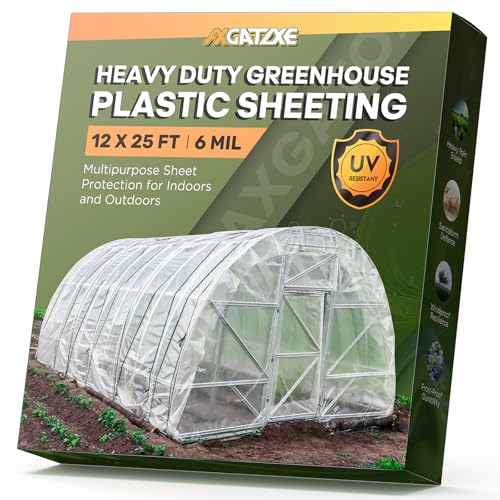 |
Axgatoxe 6 Mil 12×25 FT Heavy Duty Plastic Sheeting | 8.5/10 | Check Price |
Top 5 Greenhouse Plastic Detailed Reviews
1. chicarry Greenhouse Plastic Sheeting
Rating: 9.4/10
The chicarry Greenhouse Plastic Sheeting is a strong and reliable cover for your garden or farm. This clear, 6 mil thick polyethylene film offers excellent protection for your plants. It’s designed to withstand tough weather and keep your growing space at the right temperature. You can use it to grow more crops and get them ready for harvest sooner.
What We Like:
- It’s made with 5-Layer Co-Extrusion technology, making it very strong and flexible. This protects plants from harsh UV rays and high temperatures.
- The premium polyethylene material is 6 mil thick, so it’s tough, resists tearing, and lasts a long time.
- It lets in lots of sunlight, spreading it evenly inside your greenhouse. This helps keep things warm even when it’s cold outside.
- The special anti-drip layer stops water droplets from forming. This prevents plants from getting burned by water when the sun shines through.
- It’s versatile and can be used for many things, not just greenhouses. You can use it for painting projects, covering furniture, or packaging items.
What Could Be Improved:
- The anti-drip feature makes the film look a little hazy, not perfectly clear. This is a trade-off for better plant protection.
This greenhouse plastic sheeting offers great durability and protection for your plants and more. It’s a smart investment for anyone looking to improve their gardening or agricultural projects.
2. VEVOR Greenhouse Plastic Sheeting 25 x 40 ft
Rating: 8.9/10
The VEVOR Greenhouse Plastic Sheeting is a strong and versatile covering designed to protect your plants and projects. It’s made from tough polyethylene that won’t easily rip. This film is also resistant to UV rays, meaning it will last a long time outdoors. With its generous 25 x 40 foot size and 6 mil thickness, it offers excellent coverage and durability for various uses.
What We Like:
- Made from high-quality, tear-resistant polyethylene.
- 6 mil thickness provides excellent durability.
- UV resistant to protect against sun damage and extend its lifespan.
- Keeps your greenhouse warm in cold weather and cool in hot weather.
- Reduces dust buildup for healthier plant growth.
- Superior strength and toughness resist corrosion and weather.
- Versatile for farms, gardens, agriculture, and even DIY projects like lawn slip and slides.
- Unfolds easily and can be conveniently folded for storage.
What Could Be Improved:
- For very large or complex structures, a wider roll might be preferred.
- While durable, extremely sharp objects could still puncture it.
This VEVOR greenhouse plastic sheeting is a reliable choice for protecting your plants and creating the ideal growing environment. Its robust construction and protective features make it a smart investment for any gardener or farmer.
3. Plastic Sheeting (10′ x 25′) Long
Rating: 9.5/10
This 10′ x 25′ roll of 6 Mil UV Protection Polyethylene Film is a heavy-duty plastic sheeting that offers excellent protection for a variety of tasks. Whether you’re tackling a messy DIY project or nurturing your garden, this versatile sheeting is built to last.
What We Like:
- This plastic sheeting provides a strong layer of protection for your floors, furniture, and equipment during messy projects.
- It works great as a moisture barrier in greenhouses or to create temporary enclosures to shield your plants.
- The 10′ x 25′ size gives you a generous 250 sq. ft. of coverage, making it ideal for general use.
- This heavy-duty film is tough and can handle different applications, resisting rain, cold, and heat.
- Tapix Brand is recognized globally for its high-quality products and excellent customer service.
What Could Be Improved:
- While durable, the sheer size of the roll might make it a bit unwieldy for very small, quick jobs.
- For extremely harsh, long-term outdoor exposure, additional reinforcement might be considered.
This Tapix Brand plastic sheeting is a reliable and effective solution for both protection and cultivation needs. You can trust it to get the job done, no matter the challenge.
4. 24 x 26 FT Clear Greenhouse Plastic Sheeting
Rating: 9.5/10
This 24 x 26 FT Clear Greenhouse Plastic Sheeting, 6 Mil Polyethylene Film Heavy Duty, Water Sun Frost Wind Dust Resistant Winter Hoop House Toughness Plastic Cover is a super useful tool for anyone who loves to garden or farm. It’s tough and can protect your plants from all sorts of weather, keeping them warm and safe so they can grow big and strong.
What We Like:
- It’s made from strong, flexible polyethylene that won’t tear easily.
- It lets in lots of sunlight (up to 90%!) so your plants get the light they need.
- The special drip-proof design stops water from falling directly on your plants.
- This plastic cover can handle wind, snow, sun, and rain, making it great for year-round use.
- It’s not just for greenhouses; you can use it for many other projects too, like protecting furniture or for construction.
- It’s easy to unfold, fold, and cut, and you can secure it easily.
What Could Be Improved:
- While it’s tough, very extreme weather might still pose a challenge over very long periods.
- The large size might be a bit much for very small projects, and cutting it precisely could take practice.
This greenhouse plastic is a fantastic investment for protecting your plants and for a variety of other uses around your home and garden. It offers great value and durability.
5. Axgatoxe 6 Mil 12×25 FT Heavy Duty Plastic Sheeting
Rating: 9.2/10
The Axgatoxe 6 Mil 12×25 FT Heavy Duty Plastic Sheeting offers strong protection for many different uses. Its thick material guards against damage and weather. This sheeting is built to last and is good for protecting your belongings or your projects.
What We Like:
- It’s really strong, made of 6 mil thick plastic.
- It protects plants well in greenhouses and is safe from sun and rain.
- The big size, 12×25 feet, covers a lot of space.
- It works for many jobs like painting, moving furniture, or covering roofs.
- You can use it again and again, and it stores easily.
What Could Be Improved:
- The clear plastic might not be ideal if you need to block all light.
- For very sharp objects, it might still be possible to puncture.
This Axgatoxe plastic sheeting is a reliable and versatile choice for anyone needing tough protection. It’s a great investment for keeping your projects and belongings safe.
Your Guide to Greenhouse Plastic: Grow a Greener Thumb
Choosing the right greenhouse plastic is a big step for any gardener. It protects your plants from weather, pests, and harsh sun. This guide will help you pick the best plastic for your needs.
What to Look for: Key Features
When you shop for greenhouse plastic, keep these important features in mind.
Durability
You want plastic that lasts. Strong plastic can handle wind, rain, and snow without tearing. Look for thick plastic. It will protect your plants for many growing seasons. A good plastic won’t become brittle and crack easily.
Light Transmission
Plants need sunlight to grow. Greenhouse plastic lets sunlight pass through. Some plastics block too much light. Others let in too much harsh sun. You want a plastic that balances light. This helps your plants get the energy they need without getting burned.
UV Protection
The sun’s rays can damage plastic over time. UV protection stops the plastic from breaking down. It also helps protect your plants from harmful UV rays. Plastics with UV treatment last much longer.
Insulation
Good insulation keeps your greenhouse warm. This is important, especially in cooler weather. It helps maintain a steady temperature for your plants. Some plastics offer better insulation than others. This saves you money on heating costs.
Ventilation
While you want to keep the warmth in, plants also need fresh air. Some greenhouse plastics can be used with ventilation systems. This helps prevent mold and keeps your plants healthy.
Materials Matter: What’s it Made Of?
Greenhouse plastic comes in different materials. Each has its own benefits.
Polyethylene
This is the most common material. It’s affordable and easy to work with. Polyethylene plastic comes in different thicknesses. Thicker polyethylene is stronger and lasts longer. Many polyethylene films have UV protection added.
Polycarbonate
Polycarbonate is much stronger than polyethylene. It’s also more expensive. It comes in rigid panels. These panels are very durable and offer good insulation. They can last for many years.
PVC (Polyvinyl Chloride)
PVC is another strong option. It’s often used for more permanent greenhouse structures. It’s resistant to chemicals and weather. It can be a good choice for harsh environments.
Quality Counts: What Makes it Good or Bad?
Several things affect the quality of greenhouse plastic.
Thickness and Weight
Thicker plastic is usually better. It resists tears and damage. The weight of the plastic is often measured in mils. Higher mil numbers mean thicker, stronger plastic. For example, 6-mil polyethylene is a good standard for many uses.
Additives
Good quality plastics often have special additives. UV stabilizers are very important. Anti-fog coatings can also improve visibility and plant health. Infrared (IR) additives help trap heat inside the greenhouse.
Warranty
A good warranty shows the manufacturer stands behind their product. Look for plastics that offer a decent warranty period. This protects your investment.
Brand Reputation
Established brands often produce higher-quality plastic. Read reviews and choose a brand known for reliability.
Putting it to Work: User Experience and Use Cases
How you use your greenhouse will guide your choice.
DIY Greenhouses
For small, do-it-yourself greenhouses, polyethylene film is a popular choice. It’s flexible and easy to cut and attach. It’s also budget-friendly.
Hoop Houses
Hoop houses, often used for season extension, work well with polyethylene. The film can be stretched over hoops to create a simple growing space.
Commercial Greenhouses
Larger, commercial greenhouses might use polycarbonate panels. These offer superior strength and longevity. They also provide excellent insulation for consistent growing conditions.
Temporary Structures
If you only need protection for a short time, a thinner polyethylene film might be sufficient. However, even for temporary use, UV protection is still a good idea.
Greenhouse Plastic: Your Questions Answered
Q: What is the most common type of greenhouse plastic?
A: The most common type is polyethylene film. It is affordable and easy to use.
Q: Is thicker plastic always better?
A: Yes, thicker plastic is generally better. It is more durable and resists tears.
Q: What does “UV protected” mean for greenhouse plastic?
A: UV protected plastic has special coatings that stop the sun from breaking it down. This helps it last longer.
Q: Can I use regular plastic sheeting for my greenhouse?
A: Regular plastic sheeting is not ideal. It usually lacks UV protection and will become brittle and tear quickly.
Q: How much light do plants need from greenhouse plastic?
A: Plants need a good amount of light. You want plastic that lets in enough light for photosynthesis but blocks harmful rays.
Q: What are the benefits of polycarbonate panels?
A: Polycarbonate panels are very strong, durable, and offer good insulation. They are a long-lasting option.
Q: How long does greenhouse plastic usually last?
A: It depends on the type and quality. Good quality polyethylene with UV protection can last 3-5 years. Polycarbonate can last much longer, often 10 years or more.
Q: Should I worry about ventilation with greenhouse plastic?
A: Yes, ventilation is important. It helps keep the air fresh and prevents diseases. You can use fans or open vents.
Q: What does “mil” mean when talking about plastic thickness?
A: “Mil” is a unit of measurement for thickness. A higher mil number means thicker, stronger plastic.
Q: Can greenhouse plastic help me grow plants year-round?
A: Yes, good greenhouse plastic helps trap heat. This allows you to extend your growing season or grow plants year-round, especially with additional heating.
In conclusion, every product has unique features and benefits. We hope this review helps you decide if it meets your needs. An informed choice ensures the best experience.
If you have any questions or feedback, please share them in the comments. Your input helps everyone. Thank you for reading.