
Ever feel like learning Java is like trying to find a hidden treasure map? There are so many paths, and picking the wrong one can leave you lost and frustrated. You want to build cool apps and solve problems with code, but staring at shelves or endless online lists of Java books can feel overwhelming. Which book will actually teach you what you need to know without making your head spin?
Choosing the perfect Java book is a big deal. It can make learning exciting and easy, or it can make you want to give up before you even start. We know the struggle is real – so many choices, so many different ways to explain things! That’s why we’ve put together this guide.
By reading on, you’ll discover how to cut through the confusion. We’ll help you find books that are clear, engaging, and perfect for your learning style. Get ready to unlock the secrets of Java and start coding with confidence!
Our Top 5 Java Books Recommendations at a Glance
Top 5 Java Books Detailed Reviews
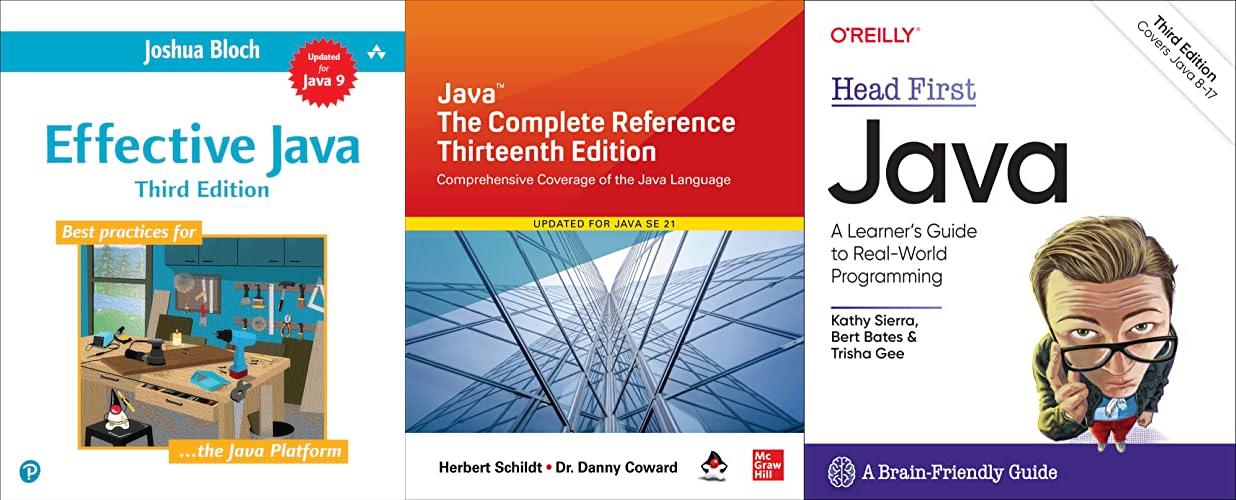
1. Effective Java

Rating: 9.1/10
Effective Java is a book that helps programmers write better Java code. It teaches you how to avoid common mistakes and make your programs run faster and smoother. This book is like a secret guide for Java developers who want to be really good at their craft. It’s packed with smart ideas and practical advice.
What We Like:
- The book explains complex ideas in a clear way.
- It offers proven methods to write efficient Java code.
- You learn to think like an expert Java programmer.
- The advice is practical and can be used right away.
What Could Be Improved:
- Some parts might be a bit challenging for absolute beginners.
- It focuses heavily on advanced techniques, which might not be for everyone.
If you are serious about mastering Java, this book is an essential read. It will definitely help you become a more skilled and confident programmer.
2. Java: The Complete Reference

Rating: 9.3/10
Embark on your Java programming journey with “Java: The Complete Reference, Thirteenth Edition.” This book is your go-to guide for understanding and mastering the Java language. It covers everything from the basics to advanced topics, making it suitable for beginners and experienced developers alike. You’ll find clear explanations and practical examples that help you learn effectively.
What We Like:
- Comprehensive coverage of Java concepts.
- Easy-to-understand explanations for complex topics.
- Plenty of code examples to illustrate points.
- Covers the latest Java features.
What Could Be Improved:
- The sheer volume of information can be overwhelming for absolute beginners.
- Some advanced sections might require prior programming knowledge.
This book is an invaluable resource for anyone serious about learning Java. It provides a solid foundation and a path to becoming a proficient Java programmer.
3. Head First Java: A Brain-Friendly Guide

Rating: 8.8/10
Learning Java can feel like trying to solve a puzzle with missing pieces. You want to build cool things, but the rules and concepts seem complicated. That’s where “Head First Java: A Brain-Friendly Guide” steps in. This book is designed to make learning Java fun and easy. It uses a special way of teaching that sticks in your brain. Instead of boring text, it uses pictures, puzzles, and real-world examples. You’ll actually enjoy the learning process!
What We Like:
- It makes learning Java feel like playing a game.
- The colorful pictures and puzzles help you remember important ideas.
- It teaches you Java by showing you how to build things.
- You won’t get bored reading this book.
- It explains tricky concepts in simple terms.
What Could Be Improved:
- Some people might prefer a more traditional textbook style.
- It doesn’t cover every single advanced Java topic.
This book is a fantastic starting point for anyone who wants to learn Java without feeling overwhelmed. You’ll build a strong foundation and actually have fun doing it.
4. Java for Beginners: Build Your Dream Tech Career with Engaging Lessons and Projects

Rating: 8.5/10
Dreaming of a cool job in tech? “Java for Beginners: Build Your Dream Tech Career with Engaging Lessons and Projects” is your ticket to learning Java, a super popular computer language. This course makes learning fun and easy. You’ll go from knowing nothing about Java to building your own projects. It’s designed to help you start your exciting tech journey.
What We Like:
- Super clear lessons that make sense for beginners.
- Hands-on projects that let you practice what you learn.
- Builds a strong foundation for your future tech career.
- Engaging content keeps you motivated and interested.
- Helps you understand how to create real applications.
What Could Be Improved:
- More advanced project ideas could be included for those who learn quickly.
- A community forum for learners to ask questions and share ideas would be beneficial.
This course is a fantastic starting point for anyone wanting to learn Java and step into the world of technology. It empowers you to build and create, setting you up for success.
5. Head First Design Patterns: Building Extensible and Maintainable Object-Oriented Software 2nd Edition

Rating: 9.1/10
Head First Design Patterns: Building Extensible and Maintainable Object-Oriented Software 2nd Edition is a fantastic book for anyone wanting to learn how to build better computer programs. It helps you create software that’s easy to change and keep working well over time. This book uses a fun, engaging style. It makes learning about software design patterns feel less like a chore and more like solving puzzles.
What We Like:
- The book uses a really engaging and visual style. It makes complex ideas easy to understand.
- It explains design patterns with real-world examples that make sense.
- The “Head First” approach keeps you interested and helps you remember what you learn.
- It teaches you how to write code that is flexible and can grow as needed.
- You will learn how to make your code easier to fix and update.
What Could Be Improved:
- Some readers might find the conversational tone a bit too informal for their taste.
- While great for beginners, those with extensive programming experience might want more advanced topics.
This book is a valuable resource for junior developers. It will definitely help you write cleaner, more organized code.
Choosing Your Next Java Adventure: A Book Buyer’s Guide
Learning Java is like learning a new language. It opens doors to building cool apps and websites. But with so many Java books out there, how do you pick the right one? This guide will help you find the perfect book for your learning journey.
1. Key Features to Look For
When you pick up a Java book, what should you look for?
Clear Explanations
Good books explain things simply. They don’t use too many big words. You want a book that makes Java easy to understand. It should break down complex ideas into smaller pieces.
Hands-On Examples
Learning by doing is best! Look for books with lots of code examples. These examples show you how Java works in real life. You can try them out yourself. This helps you learn faster.
Practice Problems
After you learn something new, you need to practice. Good books have exercises or problems at the end of each chapter. These help you test your knowledge. They make sure you really understand the topic.
Up-to-Date Information
Java changes over time. Make sure the book covers the latest version of Java. Old information can be confusing. You want to learn the modern way to code.
Well-Organized Structure
A good book flows logically. It starts with the basics and moves to harder topics. The chapters should build on each other. This makes learning smooth and less frustrating.
2. Important Materials
What makes a Java book good to read and use?
High-Quality Paper and Binding
You’ll be flipping through this book a lot. Good paper feels nice. A strong binding means the book won’t fall apart. This makes it a pleasure to use.
Readable Font and Layout
The words should be easy to read. The text size and spacing matter. A clean layout with clear headings helps you find information quickly. This makes studying less tiring.
Helpful Diagrams and Illustrations
Sometimes, a picture is worth a thousand words. Diagrams can help you see how code works. Illustrations can make concepts clearer. They add to the learning experience.
3. Factors That Improve or Reduce Quality
What makes one Java book better than another?
Author’s Expertise
Who wrote the book? An author who is a seasoned Java programmer knows what they are talking about. Their experience shines through. They can share valuable tips and tricks.
Reviews and Recommendations
See what other people say about the book. Online reviews can be very helpful. If many people recommend a book, it’s probably a good one. Ask experienced programmers for their favorite books too.
Publisher Reputation
Some publishers are known for creating great technical books. A reputable publisher often means the book has been well-edited and fact-checked. This ensures accuracy.
Outdated Content
As mentioned before, old information is a big problem. If a book is many years old and doesn’t mention newer Java features, its quality is reduced. You might learn old ways of doing things.
4. User Experience and Use Cases
How will you use your Java book?
Beginner Learning
If you’re new to Java, you need a book that starts from scratch. It should explain every little thing. Books for beginners often have lots of simple examples and clear steps.
Intermediate and Advanced Learning
Once you know the basics, you might want to learn more. Books for intermediate learners dive deeper into topics like data structures or algorithms. Advanced books cover complex areas like design patterns or performance tuning.
Reference Material
Sometimes, you just need to look up a specific command or concept. A good Java book can serve as a handy reference. You can quickly find the information you need without reading the whole book.
Choosing the right Java book is an important step. By looking for clear explanations, hands-on examples, and up-to-date information, you can find a book that makes learning Java enjoyable and effective. Happy coding!
Frequently Asked Questions about Java Books
Q: What is the best Java book for absolute beginners?
A: Look for books titled “Java for Dummies” or “Head First Java.” These books use simple language and lots of pictures to make learning easy.
Q: Do I need to know any other programming languages before learning Java?
A: No, you don’t. Most beginner Java books start from the very beginning. They assume you have no prior coding experience.
Q: How important are the practice problems in a Java book?
A: Practice problems are very important. They help you use what you learned. They make sure you understand the concepts well.
Q: Should I buy a physical book or an e-book?
A: Both have their pros and cons. Physical books are nice to hold and write notes in. E-books are portable and often cheaper. It depends on your preference.
Q: How do I know if a Java book is up-to-date?
A: Check the publication date. Look for books that mention recent Java versions like Java 11, 17, or 21. Older versions might not cover the newest features.
Q: What if I get stuck while reading a Java book?
A: Most good books have solutions to practice problems. You can also search online for explanations or ask questions on programming forums.
Q: Are there specific Java books for learning Android app development?
A: Yes, there are. While general Java books teach you the language, books focused on Android development will show you how to use Java to build apps.
Q: Is it okay to use a slightly older Java book?
A: For learning the absolute basics, an older book might be fine. However, for more advanced topics or specific features, a newer book is usually better.
Q: How long does it typically take to finish a beginner Java book?
A: This depends on how much time you spend studying each day. It can take anywhere from a few weeks to a couple of months.
Q: Can I learn Java just by reading a book?
A: Reading a book is a great start. But you also need to write code and practice a lot. The book is your guide, but your hands-on work is what truly teaches you.
In conclusion, every product has unique features and benefits. We hope this review helps you decide if it meets your needs. An informed choice ensures the best experience.
If you have any questions or feedback, please share them in the comments. Your input helps everyone. Thank you for reading.