
Remember the magic of discovering a book that completely swept you away? For thirteen-year-olds, this is a crucial age for that very magic. They’re navigating new friendships, exploring their identities, and their imaginations are bursting with possibilities. Yet, finding books that truly resonate can feel like a quest in itself.
Picking out the perfect book for a thirteen-year-old can be surprisingly tough. Do they want something funny and lighthearted, or a story that makes them think? Are they into fantasy worlds, thrilling mysteries, or stories about real-life adventures? The sheer variety of genres and themes can leave parents and young readers feeling a little overwhelmed, unsure where to start.
But fear not! This guide is here to shine a light on fantastic reads that will capture their attention and spark their curiosity. We’ve curated a list of books that are not only entertaining but also encourage growth and understanding. Dive in, and you’ll discover stories that will transport them to new worlds, introduce them to unforgettable characters, and perhaps even inspire their own next great adventure.
Our Top 5 Books For 13 Year Olds Recommendations at a Glance
| Image | Product | Rating | Links |
|---|---|---|---|
 |
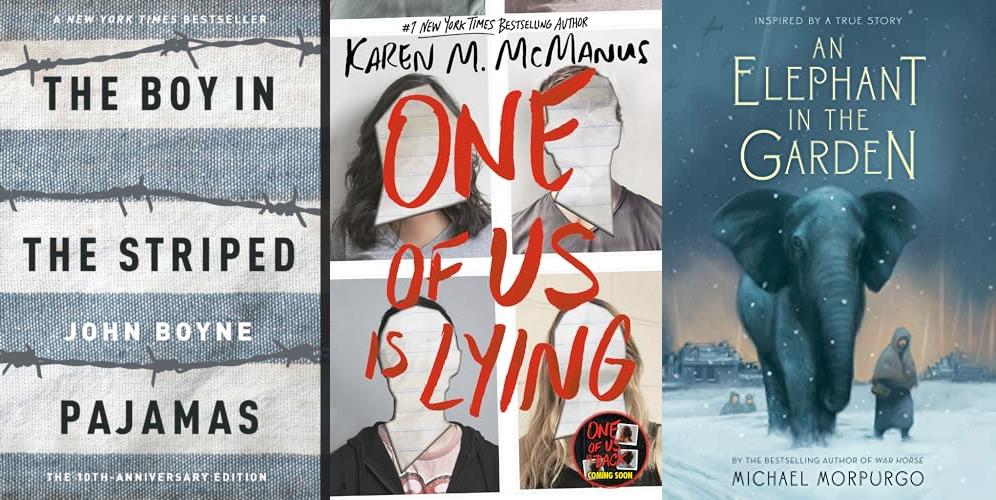
The Boy in the Striped Pajamas | 9.1/10 | Check Price |
 |
One of Us Is Lying | 9.3/10 | Check Price |
 |
An Elephant in the Garden: Inspired by a True Story | 9.1/10 | Check Price |
 |
Unfriended | 8.5/10 | Check Price |
 |
Everything Teen Boys Should Know – 100+ Essential Life Skills | 9.2/10 | Check Price |
Top 5 Books For 13 Year Olds Detailed Reviews
1. The Boy in the Striped Pajamas
Rating: 8.9/10
‘The Boy in the Striped Pajamas’ is a powerful and thought-provoking story that stays with you long after you finish reading. It tells the tale of an unlikely friendship formed during a dark time in history. The story is told through the eyes of a young boy, Bruno, who doesn’t fully understand the world around him. His innocent perspective makes the events even more impactful.
What We Like:
- It presents a difficult subject in a way that is accessible to younger readers.
- The story explores themes of friendship, innocence, and the consequences of prejudice.
- It encourages readers to think critically about historical events and human behavior.
- The narrative is engaging and keeps you turning the pages.
What Could Be Improved:
- Some historical details might be simplified for the target audience.
- The ending can be quite shocking and may require discussion.
This book offers a valuable lesson about empathy and understanding. It’s a story that sparks important conversations and leaves a lasting impression.
2. One of Us Is Lying
Rating: 8.9/10
Welcome to our review of “One of Us Is Lying”! This story pulls you into a world where five students walk into detention, but only four walk out alive. It’s a mystery that keeps you guessing until the very end. Get ready for a thrilling ride as secrets come out and trust is tested.
What We Like:
- The suspense is amazing.
- The characters are interesting.
- The plot twists keep you hooked.
- It’s a page-turner that’s hard to put down.
What Could Be Improved:
- Some parts of the story felt a little rushed.
- It might be a bit intense for younger readers.
Overall, “One of Us Is Lying” delivers a captivating mystery that will make you question everyone. If you enjoy a good puzzle with plenty of drama, this book is definitely for you.
3. An Elephant in the Garden: Inspired by a True Story
Rating: 9.5/10
Dive into a heartwarming tale with “An Elephant in the Garden: Inspired by a True Story.” This book invites readers to explore an extraordinary friendship that blossomed during a time of great change. It’s a story that celebrates courage, kindness, and the unexpected connections that can shape our lives.
What We Like:
- The story is truly inspiring and moving.
- It’s based on real events, which makes it even more special.
- The characters are relatable and easy to care about.
- It encourages empathy and understanding.
- The writing is clear and engaging for young readers.
What Could Be Improved:
- Some readers might wish for more detailed descriptions of the elephant’s journey.
- The ending, while true to life, could be explored with a bit more depth for younger audiences.
Overall, “An Elephant in the Garden” offers a powerful message that will stay with you long after you turn the last page. It’s a wonderful read that reminds us of the strength of the human spirit.
4. Unfriended
Rating: 9.0/10
The Unfriended is a unique product that sparks conversation and encourages reflection. It’s designed to make you think about your online connections and how you interact with others in the digital world. This product offers a chance to pause and consider the relationships we maintain on social media. It’s an interesting concept for anyone who spends time online.
What We Like:
- It makes you think about online friendships.
- It’s a good conversation starter with friends.
- It encourages a fresh look at your social media.
What Could Be Improved:
- The actual “unfriending” action isn’t directly done by the product itself.
- It doesn’t offer specific tools for managing online connections.
- More guidance on how to interpret the experience could be helpful.
The Unfriended provides a thought-provoking experience. It’s a tool for introspection about our digital lives.
5. Everything Teen Boys Should Know – 100+ Essential Life Skills
Rating: 9.4/10
Navigating the teenage years can feel like a wild ride, and “Everything Teen Boys Should Know” is your ultimate guide. This book packs over 100 essential life skills, smart strategies, and insider tips to help boys not just survive, but truly thrive. It covers everything from building confidence and handling school pressure to understanding friendships and making good choices. Think of it as your personal roadmap for these important years.
What We Like:
- It offers a massive amount of helpful information in one place.
- The tips are practical and easy to understand for young guys.
- It covers a wide range of topics that are super relevant to teen life.
- The strategies shared can help boys build confidence and independence.
What Could Be Improved:
- Some of the advice might feel a little general without more specific examples.
- It would be great to see more visual aids, like diagrams or illustrations, to break up the text.
- More personal stories or real-life scenarios could make the advice even more relatable.
This book is a fantastic resource for any teen boy looking to gain confidence and learn valuable life skills. It’s a solid investment for helping them develop into well-rounded individuals.
Finding the Perfect Page-Turner: A Buying Guide for Books for 13-Year-Olds
Picking out books for 13-year-olds can feel like a treasure hunt! This is a fantastic age for reading. Kids are developing their own tastes and exploring new worlds. This guide will help you find books that spark their imagination and keep them hooked.
1. Key Features to Look For
When you’re choosing a book for a 13-year-old, think about what makes a story exciting and engaging.
- Compelling Characters: Strong characters are key. Look for characters that are relatable, have clear motivations, and face challenges. Kids this age often connect with characters who are figuring out who they are, dealing with friendships, or facing tough decisions.
- Engaging Plot: A good story moves. It needs twists, turns, and a sense of adventure or mystery. The plot should keep readers guessing and wanting to know what happens next.
- Age-Appropriate Themes: While 13-year-olds are growing up, they still need themes that are suitable for their age. Topics like friendship, family, courage, and overcoming obstacles are great. Avoid overly mature or complex themes unless you know the reader is ready.
- Vivid World-Building: Whether it’s a magical realm or a realistic setting, a well-described world pulls readers in. The author’s words should paint a clear picture in their mind.
- Relatable Voice: The writing style matters. A voice that speaks to a 13-year-old’s experiences and understanding makes the book more enjoyable.
2. Important Materials
While the “material” of a book is mostly paper, the quality of the physical book can impact the reading experience.
- Paper Quality: Good quality paper is usually thicker and brighter. It doesn’t bleed through easily when you use pens or markers.
- Binding: A sturdy binding means the book will last longer. You don’t want pages falling out after a few reads. Hardcover books generally have more durable bindings.
- Font Size and Layout: Easy-to-read font size and a clear layout make the reading process smoother. Cramped text can be tiring.
3. Factors That Improve or Reduce Quality
Several things can make a book great or less enjoyable.
- Author’s Reputation and Style: Some authors are known for writing fantastic books for this age group. Reading reviews or checking out other books by the same author can be helpful. A unique writing style can make a book stand out.
- Illustrations (if applicable): For some genres, like graphic novels or fantasy, good illustrations can greatly enhance the story. They help visualize characters and settings. Poorly done illustrations can detract from the experience.
- Editing and Proofreading: A book that is well-edited and free of errors feels more professional and is easier to read. Many typos or grammatical mistakes can be distracting.
- Cover Design: While you shouldn’t judge a book solely by its cover, an appealing design can draw a reader in. A boring or confusing cover might be overlooked.
4. User Experience and Use Cases
The best books offer a great experience and fit into different reading habits.
- Independent Reading: Most 13-year-olds read independently. Books should be engaging enough to hold their attention without much prompting.
- Book Clubs: Many schools and libraries have book clubs. Books that spark discussion and offer different interpretations are perfect for this.
- Learning and Exploration: Books can introduce new ideas, historical periods, or scientific concepts in an accessible way.
- Escapism and Entertainment: Sometimes, kids just want to get lost in a good story. Books that offer adventure, humor, or emotional journeys provide great escapism.
Frequently Asked Questions (FAQ) About Books for 13-Year-Olds
Q: What are the most popular genres for 13-year-olds?
A: Popular genres include fantasy, science fiction, realistic fiction, mystery, and adventure. Graphic novels are also very popular.
Q: Should I choose books based on what my child likes or what I think they should read?
A: It’s best to find a balance. Encourage them to explore new genres, but also respect their current interests. Their engagement is key.
Q: How do I know if a book is too mature for a 13-year-old?
A: Look at content warnings or read reviews that mention themes, language, and violence. If you’re unsure, preview the book yourself.
Q: Are graphic novels considered “real” books for this age?
A: Absolutely! Graphic novels offer rich storytelling and compelling narratives. They are excellent for developing reading skills and visual literacy.
Q: How important is the reading level?
A: While reading level is a factor, engagement is more important. A slightly challenging book can be rewarding, but a book that’s too difficult will be frustrating.
Q: Where can I find good book recommendations?
A: Libraries, independent bookstores, online review sites (like Goodreads), and teachers or librarians are great resources.
Q: My child doesn’t like reading. What kind of books can help?
A: Try books with strong, fast-paced plots, humor, or relatable characters. Graphic novels or books with shorter chapters can also be less intimidating.
Q: What’s the difference between middle grade and young adult books for a 13-year-old?
A: Middle grade books typically focus on characters aged 8-12, while young adult books focus on characters 12-18. A 13-year-old can often enjoy both, depending on maturity and interests.
Q: Should I worry about books with sad or difficult themes?
A: It depends on the child. Some kids are ready to explore complex emotions. Others might prefer lighter fare. Open communication with your child is helpful.
Q: How can I encourage my 13-year-old to read more?
A: Make reading a positive experience. Visit libraries together, let them choose their own books, and talk about what they’re reading.
In conclusion, every product has unique features and benefits. We hope this review helps you decide if it meets your needs. An informed choice ensures the best experience.
If you have any questions or feedback, please share them in the comments. Your input helps everyone. Thank you for reading.