
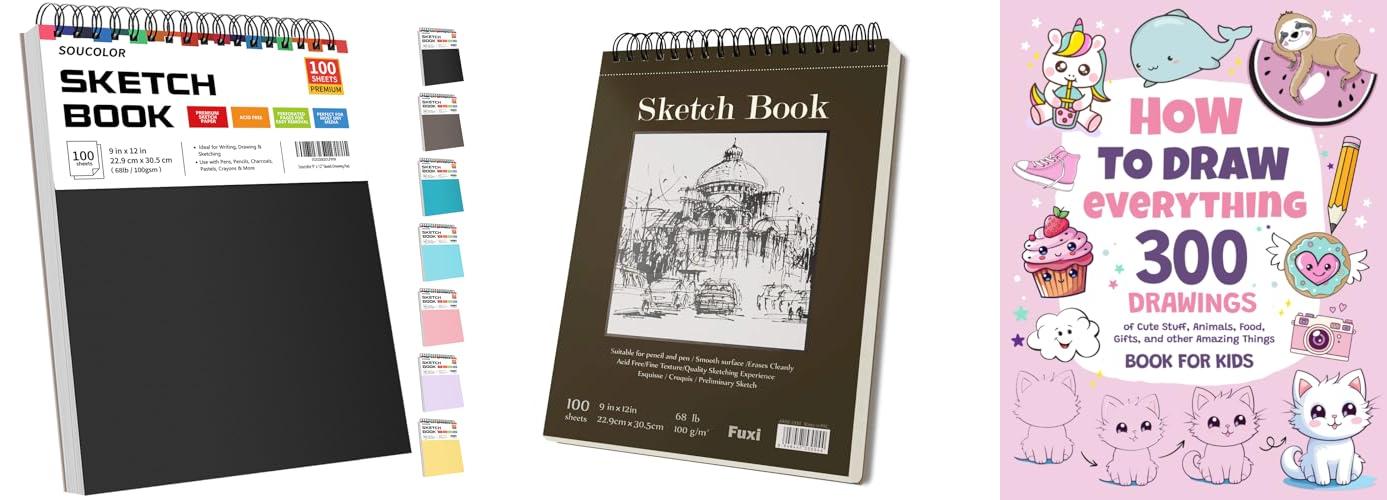
Have you ever looked at a beautiful drawing and wondered, “How did they do that?” Or maybe you’ve picked up a pencil, ready to create, but felt lost about where to start? Choosing the perfect drawing book can feel like navigating a maze. There are so many choices, and it’s tough to know which one will actually help you improve your skills. You might worry about picking a book that’s too basic, too complicated, or just not the right fit for what you want to learn.
But don’t worry! This post is here to guide you through the exciting world of drawing books. We’ll break down what makes a great drawing book and help you discover the resources that will unlock your artistic potential. By the end of this, you’ll feel much more confident in choosing the right book to kickstart your drawing journey or take your existing skills to the next level. Get ready to fill those blank pages with amazing art!
Our Top 5 Drawing Books Recommendations at a Glance
| Image | Product | Rating | Links |
|---|---|---|---|
 |
Soucolor 9″ x 12″ Sketch Book | 9.2/10 | Check Price |
 |
Fuxi 9″ x 12″ Sketch Book | 9.0/10 | Check Price |
 |
How To Draw Everything: 300 Drawings of Cute Stuff | 9.0/10 | Check Price |
 |
DSTELIN Blank Spiral Notebook | 9.4/10 | Check Price |
 |
How to Draw Cool Stuff: A Drawing Guide for Teachers and Students | 9.4/10 | Check Price |
Top 5 Drawing Books Detailed Reviews
1. Soucolor 9″ x 12″ Sketch Book
Rating: 8.6/10
The Soucolor 9″ x 12″ Sketch Book offers a generous 100 sheets of premium paper, perfect for artists of all ages and skill levels. Its durable construction and user-friendly design make it a great companion for creative projects.
What We Like:
- The paper quality is excellent, with a nice texture for drawing and sketching.
- It’s acid-free and pH neutral, ensuring your artwork lasts for years without yellowing or degrading.
- The 68lb/100gsm weight is thicker than many other sketchbooks, preventing bleed-through from most dry media.
- It works well with a variety of dry art supplies like pencils, charcoal, and pastels.
- The top spiral binding is convenient for both left- and right-handed users, allowing the book to lay flat.
- Micro-perforated pages make it easy to tear out your artwork cleanly.
- The sturdy cover and backboard offer good protection for your creations.
- It’s a great value for the price, providing a large number of pages.
- The size (9″ x 12″) is ideal for a wide range of artistic endeavors.
- It makes a fantastic gift for anyone who loves to draw, sketch, or paint.
What Could Be Improved:
- It’s not suitable for wet media like alcohol markers or watercolors.
This sketchbook is a solid choice for anyone looking for a reliable and affordable art supply. Its quality paper and thoughtful design will support your artistic journey.
2. Fuxi 9″ x 12″ Sketch Book
Rating: 9.2/10
Unleash your creativity with the Fuxi 9″ x 12″ Sketch Book! This art sketchpad is designed for artists of all ages and skill levels, from young beginners to seasoned professionals. Its top spiral binding and durable paper make it a joy to use for sketching, drawing, and even writing. Get ready to bring your artistic visions to life!
What We Like:
- Premium & Tough Material: The paper is super strong! You can erase a lot without tearing or damaging the surface. It works great with pencils, pens, pastels, charcoal, and gel pens.
- Convenient Top Spiral Bound: The spiral is at the top, making it easy to flip pages and lay the book flat. This gives you more drawing space and a smoother creative flow.
- Compact and Portable: This 9×12 sketchbook is just the right size to fit in most backpacks, so you can easily take it anywhere inspiration strikes. No need for a drawing board when you’re on the go!
- Acid-Free & Non-Faded Paper: The paper is acid-free and pH neutral. This means your artwork will stay bright and vibrant for years, without turning yellow over time.
- Suitable for All Skill Levels: Whether you’re just starting out or you’re an experienced artist, this sketchbook helps you learn and improve. It’s a fantastic gift for anyone who loves to draw.
What Could Be Improved:
- Media Limitations: This sketchbook is best for dry media. It’s not ideal for markers or watercolor pens, as the paper might bleed through.
The Fuxi Sketch Book offers a fantastic drawing experience with its durable paper and convenient design. It’s a reliable companion for artists looking to capture their ideas anytime, anywhere.
3. How To Draw Everything: 300 Drawings of Cute Stuff
Rating: 9.2/10
Unleash your inner artist with “How To Draw Everything: 300 Drawings of Cute Stuff, Animals, Food, Gifts, and other Amazing Things | Book For Kids.” This book is a treasure trove for young creators. It guides them through drawing a fantastic variety of subjects, from adorable animals to delicious treats and thoughtful gifts. The clear, step-by-step instructions make drawing accessible and fun for kids of all skill levels. It’s a wonderful way to spark creativity and build confidence in their artistic abilities.
What We Like:
- Offers a wide range of subjects to draw, keeping kids engaged.
- Step-by-step instructions are easy to follow.
- Encourages creativity and artistic development.
- The variety of “cute stuff” is a big hit with kids.
- Promotes fine motor skills and hand-eye coordination.
What Could Be Improved:
- Some of the more complex drawings might still be challenging for absolute beginners.
- More practice space could be included within the book itself.
This book is an excellent resource for any child looking to explore the world of drawing. It provides endless opportunities for fun and learning.
4. DSTELIN Blank Spiral Notebook
Rating: 9.1/10
The DSTELIN Blank Spiral Notebook, 2-Pack, Soft Cover, Sketch book, 100 Pages / 50 Sheets, 7.5 inch x 5.1 inch, 100GSM, (Black) offers a simple yet versatile way to capture your thoughts and creativity.
What We Like:
- These notebooks are the perfect size! At 7.5 inches by 5.1 inches, they easily fit into your handbag, schoolbag, or backpack. You can take them anywhere.
- Each notebook has 100 blank pages, which means 50 sheets of paper. This gives you plenty of space for writing, drawing, or sketching.
- The paper is thick, at 100GSM. This is great because your pen ink won’t bleed through to the other side. Your pages will stay neat.
- You get two black notebooks in this pack. This is a good value, so you always have a notebook ready when inspiration strikes.
- These notebooks are super versatile. You can use them for a diary, travel journal, writing poems, creative stories, making sketches, keeping work records, studying, or even just jotting down your moods. They are perfect for scrapbooking too.
What Could Be Improved:
- The soft cover is nice for flexibility, but it might not offer as much protection as a hard cover if you’re rough with your notebooks.
- While the black color is classic, a variety of color options would be a nice addition for those who like to express themselves through their stationery.
This two-pack of DSTELIN notebooks is a practical choice for anyone who loves to write or draw on the go. They provide ample space and good quality paper for all your creative needs.
5. How to Draw Cool Stuff: A Drawing Guide for Teachers and Students
Rating: 8.5/10
Unleash your inner artist with “How to Draw Cool Stuff: A Drawing Guide for Teachers and Students.” This book makes drawing fun and easy for everyone. It guides you step-by-step through creating awesome images. Teachers can use it to inspire their classes. Students can use it to boost their drawing skills. You will learn to draw all sorts of cool things.
What We Like:
- Clear, step-by-step instructions make drawing accessible.
- The variety of “cool stuff” keeps learners engaged.
- It’s a great resource for both classroom instruction and independent practice.
- The guide encourages creativity and builds confidence.
- It simplifies complex drawing techniques.
What Could Be Improved:
- More advanced techniques could be introduced for older students.
- A wider range of subjects might appeal to an even broader audience.
- Digital access or supplementary online content could be a valuable addition.
This drawing guide is a fantastic tool for sparking creativity in educational settings and beyond. It empowers both teachers and students to explore the joy of drawing.
Unleash Your Inner Artist: The Ultimate Drawing Book Buying Guide
Drawing books are awesome tools for anyone who wants to learn or improve their drawing skills. They can guide you step-by-step, teach you new techniques, and inspire you to create amazing art. But with so many options out there, how do you pick the right one? This guide will help you find the perfect drawing book for your artistic journey.
Key Features to Look For
When you’re browsing for a drawing book, keep these important features in mind:
- Clear and Easy-to-Follow Instructions: The best drawing books break down complex ideas into simple steps. Look for books with written explanations and visual guides that make sense.
- Variety of Subjects: Does the book cover what you want to draw? Some books focus on specific things like animals, people, or landscapes. Others offer a broader range of topics.
- Skill Level Appropriateness: Is the book for beginners, intermediate artists, or advanced creators? Choose one that matches your current drawing ability. Starting with a book that’s too hard can be discouraging.
- Inspiring Examples: Good drawing books show you what’s possible. Look for books with beautiful illustrations and diverse art styles. This can spark your imagination.
- Practice Exercises: Many drawing books include exercises or prompts. These help you practice what you learn and build confidence.
Important Materials Used in Drawing Books
The materials used in a drawing book can affect its durability and how nice it is to use.
- Paper Quality: This is super important!
- Thicker Paper: This is better. It can handle different drawing tools like pencils, pens, and even light markers without bleeding through or tearing easily.
- Smoother Paper: This is good for detailed work.
- Textured Paper: This can add interesting effects, especially for charcoal or pastels.
- Binding:
- Spiral Bound: These books lay flat easily, which is great for drawing. You don’t have to fight to keep the pages open.
- Hardcover: These are very durable and protect the pages well. They often look nice on a shelf.
- Softcover: These are usually more affordable but might not last as long with heavy use.
- Print Quality: Clear, crisp printing makes the illustrations and instructions easy to see and understand.
Factors That Improve or Reduce Quality
Several things make a drawing book great or not so great.
- What Makes it Great:
- Expert Authors: Books written by experienced artists often have the best tips and techniques.
- Well-Organized Content: When the information flows logically, it’s easier to learn.
- Engaging Layout: A visually appealing design keeps you interested.
- Helpful Tips and Tricks: Little secrets from artists can make a big difference.
- What Can Make it Less Good:
- Vague Instructions: If you can’t figure out what to do, the book isn’t helpful.
- Poor-Quality Images: Blurry or small pictures make it hard to see the details.
- Outdated Information: Art techniques evolve, so look for relatively recent books.
- Too Much Text, Not Enough Visuals: Drawing is visual, so the book should be too!
User Experience and Use Cases
How you use a drawing book depends on your goals.
- For Beginners: A beginner drawing book can teach you the basics of shapes, shading, and perspective. You can learn to draw simple objects, animals, or cartoon characters. It’s a fantastic way to start your artistic journey without feeling overwhelmed.
- For Hobbyists: If you draw for fun, a drawing book can introduce you to new styles or subjects. You might want to learn how to draw portraits, fantasy creatures, or realistic still life. It’s a great way to expand your skills and keep your creativity flowing.
- For Students: Art students can use drawing books to supplement their classroom learning. They can find detailed explanations of techniques or inspiration for projects.
- For Inspiration: Sometimes, you just need a creative boost. Flipping through a well-illustrated drawing book can give you ideas for your next masterpiece.
Frequently Asked Questions About Drawing Books
Q: What is the best type of drawing book for a complete beginner?
A: For a complete beginner, look for a book titled “Introduction to Drawing,” “Drawing for Absolute Beginners,” or something similar. These books usually focus on fundamental shapes, lines, and simple objects. They have very clear, step-by-step instructions.
Q: Should I buy a drawing book for a specific subject, like “How to Draw Manga” or “Drawing Animals”?
A: Yes, if you have a strong interest in a particular subject, a specialized book can be very helpful. These books dive deeper into the details and techniques specific to that subject.
Q: How important is the paper quality in a drawing book?
A: Paper quality is very important. Thicker paper prevents your drawing tools from bleeding through to the next page. It also holds up better if you erase a lot.
Q: Can I use any drawing tool with any drawing book?
A: Most drawing books are designed to be used with pencils and pens. However, if the paper is thick enough, you might be able to use colored pencils, charcoal, or even light markers. Check the book’s description for recommendations.
Q: How can I tell if a drawing book has good instructions?
A: Look for books with lots of visual examples, like step-by-step diagrams or clear illustrations. The written instructions should be short, easy to understand, and directly related to the images.
Q: What does “spiral bound” mean for a drawing book, and is it better?
A: A spiral-bound book has a metal or plastic coil that holds the pages together. This means the book can lay completely flat, making it much easier to draw in without the pages flipping shut.
Q: Should I buy a used drawing book?
A: Buying a used drawing book can be a great way to save money. Just make sure the pages are not too worn, torn, or heavily marked, and that the binding is still strong.
Q: What’s the difference between a drawing book and a sketchbook?
A: A drawing book teaches you how to draw; it has instructions and examples. A sketchbook is mostly blank pages for you to practice your own drawings and ideas.
Q: How often should I practice using my drawing book?
A: Consistent practice is key! Try to draw a little bit every day or a few times a week. Even 15-30 minutes can make a big difference over time.
Q: Where can I find the best drawing books?
A: You can find drawing books at most bookstores, art supply stores, and online retailers like Amazon. Reading reviews from other users can also help you make a good choice.
In conclusion, every product has unique features and benefits. We hope this review helps you decide if it meets your needs. An informed choice ensures the best experience.
If you have any questions or feedback, please share them in the comments. Your input helps everyone. Thank you for reading.