
What is the standard kitchen counter depth? The standard kitchen counter depth is 25 inches. This measurement is crucial for usability and is determined by the standard kitchen cabinet depth, which is typically 24 inches, leaving a 1-inch overhang for comfort and functionality.
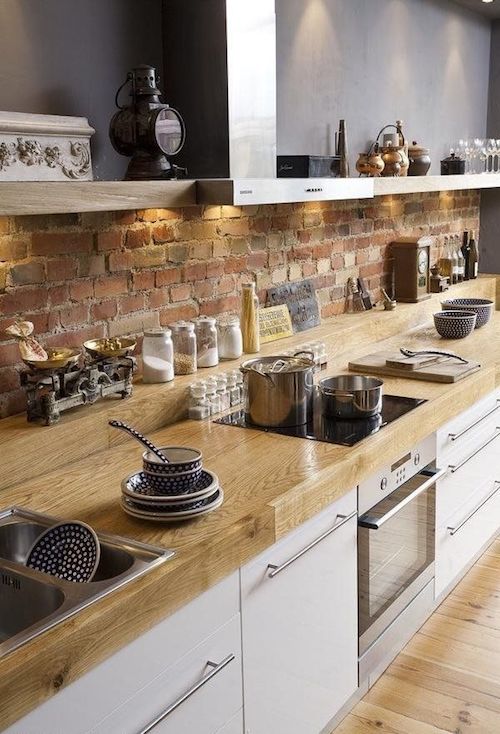
Image Source: victoriaelizabethbarnes.com
Deciphering Countertop Depths: A Comprehensive Overview
The depth of your kitchen counters is a fundamental aspect of kitchen design, impacting everything from workflow to storage. It’s not just about aesthetics; it’s about how you use your kitchen every day. This guide will delve into the nuances of kitchen counter depths, helping you make informed decisions for your culinary space. We’ll explore countertop depth dimensions, kitchen workspace depth, and how different depths affect the overall functionality of your kitchen.
The Foundation: Standard Kitchen Cabinet Depth
Before we even consider the countertop, it’s vital to acknowledge the base cabinets. The standard kitchen cabinet depth is a critical starting point because the countertop will sit directly on top of these cabinets. Most base cabinets are manufactured to a depth of 24 inches. This standardized depth is not arbitrary; it’s been established over years of design and use to provide a good balance of storage capacity and adequate clearance within the kitchen.
The Standard Kitchen Counter Depth: A Closer Look
As mentioned, the standard kitchen counter depth is 25 inches. This 25-inch measurement includes the 24-inch cabinet depth plus the typical 1-inch overhang. This overhang is a vital design element. It serves several purposes:
- Protection for Cabinets: The overhang protects the cabinet doors and drawer fronts from spills and splashes. When you’re working at the counter, any liquids or food debris that drip off the edge are more likely to fall onto the floor rather than onto your cabinet fronts.
- Ergonomic Comfort: The overhang provides a comfortable space for your legs and feet when you’re standing or sitting at the counter. It allows you to get closer to the work surface, which is essential for tasks like chopping vegetables or kneading dough.
- Aesthetic Appeal: The slight projection adds visual balance and a finished look to the cabinetry.
Factors Influencing Countertop Depth Choices
While 25 inches is the standard, several factors can influence your decision to deviate from this common measurement:
Kitchen Workspace Depth: Maximizing Your Work Area
The amount of space you have to work with directly influences how deep your counters can or should be. A larger kitchen might comfortably accommodate deeper counters, offering more prep space. Conversely, smaller kitchens might benefit from sticking closer to the standard or even exploring shallow kitchen counters to maximize floor space and avoid a cramped feeling.
- Prep Space: More depth means more surface area for food preparation, allowing you to lay out ingredients, cutting boards, and appliances without feeling crowded.
- Appliance Placement: Deeper counters can accommodate larger appliances like stand mixers or blenders without them encroaching on your primary workspace.
Cabinetry Design and Customization
While standard cabinets are 24 inches deep, custom cabinetry offers more flexibility. You can opt for deeper cabinets, which will, in turn, allow for deeper countertops.
- Custom Depth Cabinets: If you have specific needs, such as ample storage for large pots and pans or a desire for an exceptionally spacious work surface, custom cabinets can be built to accommodate.
Appliance Integration
The type of appliances you choose can also play a role. Standard ranges and dishwashers are typically designed to fit within the 25-inch counter depth. However, if you opt for non-standard appliances, such as a deeper range or a custom panel-ready refrigerator that extends beyond the standard counter depth, you might need to adjust your countertop depth to ensure a flush or cohesive look.
Exploring Different Countertop Depths
Let’s dive into the various countertop depth dimensions you might encounter or consider.
Standard Kitchen Counter Depth (25 inches)
This is the most common and widely used depth.
- Pros:
- Fits standard cabinetry and appliances perfectly.
- Offers adequate workspace for most tasks.
- Provides good legroom when seated.
- Cost-effective as it aligns with mass-produced components.
- Cons:
- May not be sufficient for serious home chefs who require extensive prep space.
- Can feel slightly restrictive in very large kitchens.
Shallow Kitchen Counters (Less than 25 inches)
These are less common but can be ideal for specific situations.
- Typical Depths: 20-24 inches.
- Pros:
- Space Saving: Excellent for very small kitchens or tight galley layouts where every inch counts. They can prevent the counter from feeling like it’s closing in on the room.
- Cost Savings: Sometimes, shallower counters can be slightly more cost-effective, especially if using custom materials.
- Cons:
- Limited Workspace: Significantly less surface area for prep work.
- Reduced Storage: Shallower base cabinets mean less storage capacity.
- Appliance Fit Issues: Standard appliances might protrude beyond the counter edge.
- Overhang Reduction: If you maintain a 1-inch overhang on a shallower counter, the actual usable depth of the cabinet is even less.
Deep Kitchen Counters (More than 25 inches)
These offer enhanced functionality for those who spend a lot of time in the kitchen.
- Typical Depths: 27, 30, or even 36 inches.
- Pros:
- Ample Workspace: Provides generous room for prep, cooking, and plating.
- Appliance Accommodation: Can comfortably house larger or more specialized appliances.
- Improved Ergonomics: Greater depth can offer better ergonomic benefits for certain tasks.
- Cons:
- Increased Cost: Custom cabinetry and countertops are generally more expensive.
- Space Requirements: May overwhelm smaller kitchens, making them feel more cramped.
- Reachability: Deeper counters can make it harder to reach items stored at the back of the cabinets without pulling them out.
- Appliance Compatibility: You’ll need to ensure your appliances are compatible with deeper bases, or opt for custom solutions.
The Kitchen Island: A Special Case for Countertop Depth
Kitchen islands often have different countertop depth dimensions than perimeter counters. They are frequently designed with more generous depths to accommodate seating, storage, and specialized appliances.
-
Typical Kitchen Island Depth: Islands often feature depths of 36 inches or more. This allows for:
- Seating Overhang: A standard overhang for counter stools is typically 12-15 inches, allowing guests to sit comfortably with adequate legroom.
- Appliance Niches: Deeper islands can house cooktops, sinks, or even refrigerators.
- Enhanced Workspace: The increased depth provides a substantial area for cooking, serving, or gathering.
-
Considerations for Island Depth:
- Traffic Flow: Ensure the island depth doesn’t impede movement around the kitchen. Ample walkway space is crucial.
- Proportion: The island’s depth should be proportionate to the overall size of the kitchen.
Understanding Countertop Overhang Depth
The kitchen counter overhang depth is the portion of the countertop that extends beyond the front edge of the base cabinets.
- Standard Overhang: Typically 1 to 1.5 inches for perimeter countertops. This is enough to protect the cabinet fronts and provide a comfortable edge to work at.
- Island Overhang: Can be significantly larger, especially when incorporating seating. As mentioned, 12-15 inches is common for bar-height seating. For counter-height seating, 10-12 inches is usually sufficient.
- Structural Support: Larger overhangs, especially on islands, may require additional structural support, such as brackets or a thicker countertop material, to prevent sagging or breaking.
Counter Depth Measurements: Practical Implications
Let’s visualize the differences in counter depth measurements:
| Counter Depth (including overhang) | Usable Cabinet Depth (approx.) | Common Use Case | Pros | Cons |
|---|---|---|---|---|
| 25 inches | 24 inches | Standard Perimeter Countertops | Fits standard cabinets/appliances, good ergonomics, cost-effective | Less prep space for serious cooks, can feel small in large kitchens |
| 20-24 inches | 19-23 inches | Small Kitchens, Galley Layouts, Secondary Counters | Space-saving, can prevent claustrophobia | Significantly reduced workspace and storage, potential appliance protrusion, limited seating potential |
| 27-30 inches | 26-29 inches | Enhanced Workspace, Larger Kitchens | Ample prep space, accommodates larger appliances | Increased cost, may overwhelm small kitchens, potential reachability issues to back of cabinets |
| 36+ inches | 30+ inches | Kitchen Islands (with seating/appliances) | Excellent for prep, seating, and appliance integration | Requires ample kitchen space, can impact traffic flow if not designed carefully, may need extra support |
The Role of Countertop Material in Depth
The material you choose for your countertops can also influence how you approach depth.
- Granite, Quartz, Marble: These natural and engineered stones are very strong and can accommodate standard overhangs with ease. They are also available in thicker slabs (3cm or 2cm), which can contribute to the overall aesthetic and perceived depth.
- Laminate: A more budget-friendly option, laminate is typically bonded to a particleboard or plywood substrate. While it can be cut to various depths, very deep or large overhangs might require additional support to prevent bowing.
- Butcher Block: Wood countertops are durable and can be cut to custom depths. Deeper butcher block sections can be excellent prep areas.
- Concrete: Concrete countertops are extremely strong and can be cast to virtually any depth, making them ideal for custom designs, including very deep islands or specialized workstations.
Counter Depth and Ergonomics
The depth of your counter directly impacts how you interact with your kitchen.
- Reaching the Back: With deep kitchen counters, items placed at the very back of your cabinets or on the counter itself can be harder to reach. This is why pull-out shelves and drawers are highly recommended for deeper cabinets.
- Standing Comfort: A counter that is too deep can force you to lean forward excessively, causing back strain. A standard 25-inch depth with a 1-inch overhang is generally considered optimal for most people.
Maximizing Kitchen Workspace Depth
If you find your kitchen workspace depth is lacking, here are some strategies:
- Consider an Island: A well-designed kitchen island can significantly increase your usable workspace.
- Optimize Cabinet Interiors: Utilize pull-out shelves, lazy Susans, and drawer organizers to make the most of the depth you have.
- Wall-Mounted Storage: Consider open shelving or wall-mounted organizers for frequently used items to free up counter space.
- Appliance Garages: Recessed appliance garages can keep appliances like toasters and coffee makers off the main prep areas.
The Impact on Kitchen Island Depth
As highlighted earlier, kitchen island depth is often greater than perimeter counters. This is usually to facilitate seating or to house integrated appliances like dishwashers or trash pull-outs, which often require specific cabinet dimensions.
- Appliance Requirements: Many dishwashers, for example, require a 24-inch cabinet depth. If you’re integrating one into an island, you’ll need a cabinet box that accommodates this, often leading to a deeper overall island depth to allow for countertop overhang and proper installation.
Frequently Asked Questions (FAQ)
Q1: Can I use shallower kitchen counters in my kitchen?
Yes, you can use shallow kitchen counters (less than 25 inches) if you have a very small kitchen and need to maximize floor space. However, be aware of the reduced workspace and potential issues with appliance fit.
Q2: What is the standard kitchen counter overhang depth?
The kitchen counter overhang depth is typically 1 to 1.5 inches for perimeter counters and 10-15 inches for kitchen islands used for seating.
Q3: How deep should my kitchen island be?
The kitchen island depth can vary, but 36 inches or more is common to allow for seating overhang, appliance integration, and ample workspace. Ensure it fits your kitchen’s scale and traffic flow.
Q4: What are the benefits of deep kitchen counters?
Deep kitchen counters (more than 25 inches) offer more prep space, can accommodate larger appliances, and provide a more expansive work surface, which is beneficial for serious cooks.
Q5: How does standard kitchen cabinet depth affect countertop depth?
The standard kitchen cabinet depth is typically 24 inches. The countertop depth is usually 1 inch greater than the cabinet depth to allow for an overhang, resulting in the standard 25-inch countertop depth.
Q6: What are countertop depth dimensions for islands with seating?
For islands with seating, the countertop depth needs to accommodate the seating overhang. A 10-15 inch overhang is standard, meaning the island countertop might be 36 inches or deeper overall.
Q7: How do I measure my kitchen counter depth?
Measure from the front edge of the countertop straight back to the wall or the back of the cabinets.
By carefully considering these counter depth measurements and understanding their implications, you can design a kitchen that is both beautiful and highly functional, perfectly suited to your cooking and living habits.