
What is the standard upper cabinet depth? The standard upper cabinet depth is typically 12 inches. This measurement is a common benchmark, but variations exist based on design choices and specific kitchen layouts.
When planning your kitchen renovation or building a new one, one of the most crucial aspects is selecting the right cabinetry. These cabinets are not just storage solutions; they are integral to the overall aesthetic and functionality of your kitchen. Among the many dimensions to consider, the depth of your upper cabinets plays a significant role in how you use your kitchen space and how it feels. So, how deep are kitchen upper cabinets, really? Let’s dive into the details.
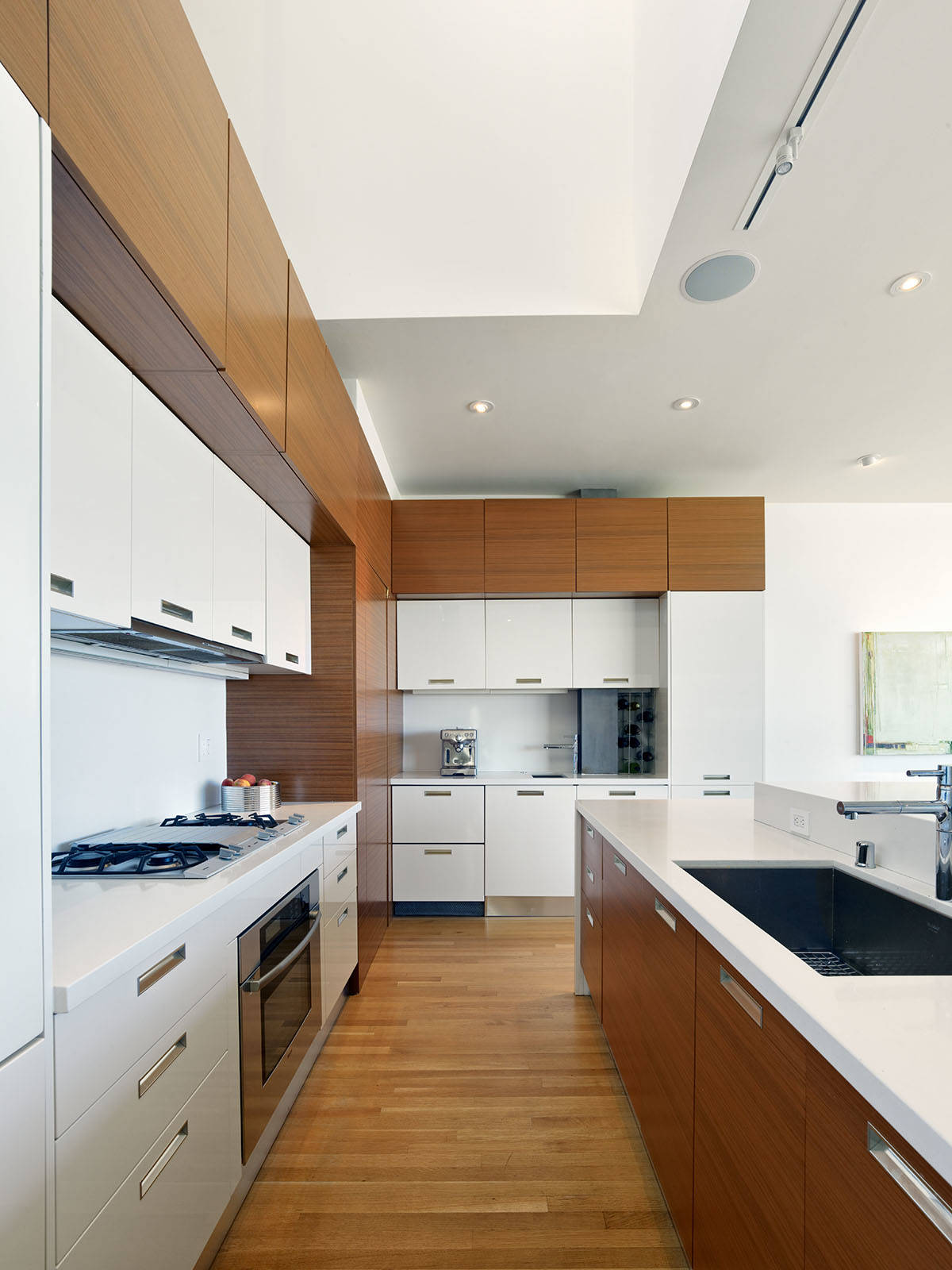
Image Source: st.hzcdn.com
The Nuances of Kitchen Cabinet Depth
The kitchen cabinet depth is a key measurement that dictates how much usable storage you have and how much clearance you have at your countertops. For upper cabinets, this measurement is particularly important because it needs to balance sufficient storage with comfortable access to the work surfaces below.
Standard Upper Cabinet Depth: The 12-Inch Rule
The standard upper cabinet depth is, as mentioned, 12 inches. This dimension has become the industry norm for several good reasons. It allows for a decent amount of storage without protruding too far from the wall, which could otherwise impede movement or feel overwhelming in smaller kitchens.
This 12-inch depth is ideal for storing everyday dishes, glasses, mugs, and smaller appliances. It’s a depth that generally accommodates most common kitchen items without issue. When you consider the typical countertop depth, which is often around 25 inches, a 12-inch upper cabinet leaves a good amount of working space between the countertop and the bottom of the cabinet.
Why 12 Inches?
- Storage Capacity: It’s deep enough to hold two rows of plates or bowls comfortably.
- Work Triangle: It doesn’t encroach too much on the usable space in front of the cabinets, maintaining a good flow in the kitchen.
- Aesthetics: A 12-inch depth provides a balanced look when mounted on the wall, not appearing too bulky.
- Cost-Effectiveness: It’s a common size, often readily available, which can translate to more affordable options.
Average Upper Kitchen Cabinet Dimensions: Beyond the Standard
While 12 inches is the standard, the average upper kitchen cabinet dimensions can fluctuate. Manufacturers and designers sometimes offer or recommend different depths to suit specific needs or design styles.
- Shallower Cabinets: You might find cabinets that are 10 inches or even 8 inches deep. These are often used in tighter spaces or for decorative purposes, perhaps for displaying smaller items. They offer less storage but can be a good choice where deep cabinets would feel intrusive.
- Deeper Cabinets: Some custom or specialized upper cabinets can be 15 inches deep or even more. These are less common but might be used for storing larger items, such as big serving platters or specialized kitchen equipment. However, a depth exceeding 15 inches for upper cabinets is rare due to practicality and safety concerns, as it can make accessing the contents difficult and increase the risk of items falling.
The key takeaway is that while 12 inches is the most common, it’s not the only option. Always check the specific kitchen cabinet measurements for the cabinets you are considering.
Factors Influencing Upper Cabinet Depth
Several factors dictate the chosen depth for upper kitchen cabinets, moving beyond the simple standard cabinet depth.
1. Kitchen Layout and Size
The size and layout of your kitchen are primary drivers for cabinet depth.
- Small Kitchens: In compact kitchens, using shallower upper cabinets (e.g., 10 or 12 inches) can prevent the space from feeling cramped. It allows for more open counter space and easier movement.
- Large Kitchens: In expansive kitchens, you might have more flexibility. While 12 inches remains popular, a slightly deeper cabinet might be considered if it doesn’t obstruct pathways or create an awkward visual. However, even in large kitchens, going too deep can lead to items getting lost in the back.
2. Ergonomics and Accessibility
Ergonomics is crucial for a functional kitchen. The depth of your upper cabinets directly impacts how easily you can reach and retrieve items.
- Reaching Back: If cabinets are too deep, reaching items stored at the back can be challenging, especially for shorter individuals. This is why shelves are often adjustable or why pull-out shelves are a popular addition.
- Countertop Clearance: The space between the countertop and the bottom of the upper cabinet (often called the backsplash area) needs to be functional. While standard upper cabinet height can vary, the depth of the cabinet affects the perceived openness of the workspace. A 12-inch deep cabinet typically allows for about 18-20 inches of clearance, which is comfortable.
3. Storage Needs
What you plan to store in your upper cabinets is a significant consideration.
- Everyday Items: For plates, glasses, and mugs, 12 inches is generally sufficient.
- Larger Items: If you need to store larger serving dishes, mixing bowls, or small appliances like a stand mixer attachment, you might consider custom deeper cabinets, but this is less common for typical wall cabinets.
4. Aesthetic Preferences
The depth of your upper cabinets also contributes to the overall visual appeal of your kitchen.
- Visual Weight: Deeper cabinets can appear visually heavier and more imposing, especially in smaller spaces.
- Proportion: The depth should be in proportion to the upper cabinet height and the overall scale of the kitchen. A very tall cabinet with a very deep profile might look unbalanced.
5. Building Codes and Safety
While less common, there can be considerations related to building codes or safety, especially if cabinets extend unusually far or if there are specific clearances required. However, for standard depths like 12 inches, these are rarely an issue.
Common Upper Cabinet Depths and Their Uses
Let’s break down typical depths and where they fit best.
| Cabinet Depth | Typical Use | Pros | Cons |
|---|---|---|---|
| 8 inches | Display cabinets, narrow spaces, decorative shelving | Creates an open feel, good for shallow items, doesn’t obstruct counter space. | Very limited storage capacity, can only hold shallow items. |
| 10 inches | Lighter storage, display, small kitchens | More storage than 8 inches, still feels relatively open, good for smaller dishes and glasses. | Still limited for larger items, may not hold two rows of standard plates. |
| 12 inches | Standard for most kitchens, general storage (plates, glasses, pantry items) | Versatile, good storage capacity, balances functionality and aesthetics, readily available. | Can feel a bit deep for very small kitchens, reaching items at the back might require some effort. |
| 15 inches | Custom storage, specific needs for larger items, pantry cabinets | Increased storage for bulky items. | Significantly protrudes from the wall, can feel bulky, may require more clearance, harder to access |
These are general guidelines, and actual kitchen cabinet sizes can be customized.
Measuring Your Kitchen Cabinets
Accurate kitchen cabinet measurements are essential for a successful kitchen cabinet installation and for purchasing the correct replacements or additions. When measuring depth, remember to measure from the front face of the cabinet door or drawer to the back of the cabinet box.
- Measure the Box: The true depth is usually measured from the front edge of the cabinet box to the back.
- Consider Doors/Drawers: If you are matching existing cabinets, remember that doors and drawer fronts add to the overall external dimension. However, the internal usable depth is determined by the cabinet box itself.
Key Measurements to Take:
- Depth: From the front of the cabinet box to the back.
- Height: Vertical dimension of the cabinet.
- Width: Horizontal dimension of the cabinet.
- Toe Kick Height: The space at the bottom of base cabinets.
- Countertop Clearance: The distance from the countertop to the bottom of the upper cabinet.
Knowing these kitchen cabinet dimensions will help you choose cabinets that fit your space perfectly.
The Impact of Depth on Kitchen Functionality
The chosen depth for your upper cabinets has a direct impact on how your kitchen functions day-to-day.
Storage Efficiency
- Maximizing Space: Deeper cabinets can hold more, but only if the items stored are suitable for that depth. A 12-inch cabinet is generally efficient for most common kitchenware.
- Accessibility vs. Capacity: There’s a trade-off. Deeper cabinets offer more capacity but can reduce accessibility. This is where clever storage solutions like pull-out shelves, lazy Susans, or tiered risers become invaluable.
Visual Space and Feel
- Perception: Shallower cabinets can make a kitchen feel larger and more open. Deeper cabinets can make the space feel more enclosed.
- Countertop Workspace: The depth of upper cabinets dictates how much visual and physical headspace you have over your countertops. Too deep, and it can feel like the cabinets are looming over you, limiting the usable counter space and making it feel less inviting.
Installation Considerations
When it comes to kitchen cabinet installation, depth is a critical factor.
- Wall Mounting: Deeper cabinets are heavier and require robust mounting to the wall studs.
- Clearances: Ensure adequate clearance between the countertop and the bottom of the upper cabinets. This is usually around 18 inches, but if you opt for deeper upper cabinets, this clearance might need adjustment or careful consideration to maintain ergonomic functionality.
- Obstructions: Consider any light fixtures, windows, or architectural features that might be affected by the depth of the cabinets.
Customizing Your Upper Cabinet Depth
While the 12-inch standard upper cabinet depth works for most, customization is often the answer for unique kitchen designs or specific storage needs.
When to Consider Custom Depths:
- Unusual Kitchen Layouts: If your kitchen has awkward nooks or limited wall space, custom shallower cabinets might be ideal.
- Specific Storage Requirements: If you frequently store items that are deeper than 12 inches (though this is rare for typical upper cabinets), custom deeper options might be explored, but with careful consideration of the drawbacks.
- Aesthetic Goals: Some designers opt for non-standard depths to achieve a particular look or to create a more streamlined appearance.
Pros and Cons of Custom Depths:
Pros:
- Tailored Fit: Perfectly matches your kitchen’s unique dimensions and needs.
- Optimized Storage: Maximizes storage where needed and minimizes intrusion where space is tight.
- Unique Aesthetics: Can contribute to a distinctive kitchen design.
Cons:
- Higher Cost: Custom cabinetry is generally more expensive than standard sizes.
- Longer Lead Times: Custom orders take longer to produce.
- Limited Options: You might have fewer material and finish choices compared to standard cabinets.
Beyond Depth: Other Key Kitchen Cabinet Measurements
While we’ve focused on depth, it’s important to remember that how deep are kitchen cabinets is just one piece of the puzzle. Other kitchen cabinet sizes are equally important:
Height
- Standard Heights: Upper cabinets commonly come in heights of 30, 36, and 42 inches.
- Ceiling Height: The ideal height often depends on your ceiling height and how much space you want between the countertop and the top of the cabinets. A 36-inch or 42-inch cabinet can reach closer to the ceiling, offering more storage.
Width
- Standard Widths: Upper cabinets are available in various widths, typically from 12 inches to 36 inches, in 3-inch increments.
- Custom Widths: Wider cabinets are also available for specific needs.
Types of Upper Cabinets
The type of upper cabinet can also influence the effective depth and usability.
- Wall Cabinets: The most common type.
- Corner Wall Cabinets: These are designed to fit into corners and often have specialized mechanisms like lazy Susans to maximize accessibility. Their effective depth can vary significantly depending on the design.
- Appliance Garage Cabinets: These are typically designed to house small appliances and might have different depth considerations.
Frequently Asked Questions About Upper Cabinet Depth
Here are some common questions people have regarding the depth of kitchen upper cabinets.
Q1: Can I install deeper upper cabinets than the standard 12 inches?
A1: Yes, you can install deeper upper cabinets, but it’s generally not recommended for standard kitchens unless you have a specific reason and have carefully considered the implications. Deeper cabinets can make the workspace feel cramped, hinder accessibility, and may require special mounting. Always ensure adequate clearance between the countertop and the bottom of the cabinet.
Q2: What is the minimum depth for an upper kitchen cabinet to be functional?
A2: While shallower cabinets (8 or 10 inches) exist for decorative purposes or very specific needs, for general functionality and storage of everyday items, a minimum depth of 10 inches is usually recommended. However, 12 inches is considered the most practical minimum for most kitchens.
Q3: Does the depth of upper cabinets affect countertop clearance?
A3: The depth of the upper cabinets, in conjunction with their height and placement, determines the clearance over the countertop. Standard installation aims for about 18-20 inches of vertical clearance. If you opt for deeper cabinets, you might need to adjust their mounting height or accept less overhead space.
Q4: What is the best depth for upper cabinets in a small kitchen?
A4: In a small kitchen, shallower upper cabinets (10 or 12 inches) are generally best. They help the space feel more open and prevent the cabinets from encroaching on the limited workspace.
Q5: Are there any safety concerns with deep upper cabinets?
A5: The primary safety concern with very deep upper cabinets (e.g., 15 inches or more) is the increased risk of items falling out, especially if they are not stored securely or if the cabinets are overfilled. Also, reaching items at the back can be difficult, potentially leading to overreaching or straining.
Q6: How do I measure the depth of my existing upper cabinets?
A6: To measure the depth, use a tape measure to find the distance from the front edge of the cabinet box (not the door or drawer front) to the back of the cabinet box.
Q7: What are the standard measurements for kitchen cabinets in general?
A7: For base cabinets, the standard depth is 24 inches, height is 34.5 inches, and width varies from 9 to 36 inches. For upper cabinets, the standard depth is 12 inches, height varies (common are 30, 36, 42 inches), and width varies similarly to base cabinets.
By carefully considering these dimensions, especially the depth of your upper cabinets, you can create a kitchen that is both beautiful and highly functional, maximizing your storage and ensuring ease of use.