
What is the standard depth of kitchen cabinets? Typically, base cabinets are 24 inches deep, and upper cabinets are 12 inches deep. These standard dimensions are crucial for a functional and comfortable kitchen layout, influencing everything from countertop usability to appliance fitting. This comprehensive guide will delve into the specifics of kitchen cabinet depths, explore the reasons behind these standard sizes, and discuss how variations can impact your kitchen design and everyday use.
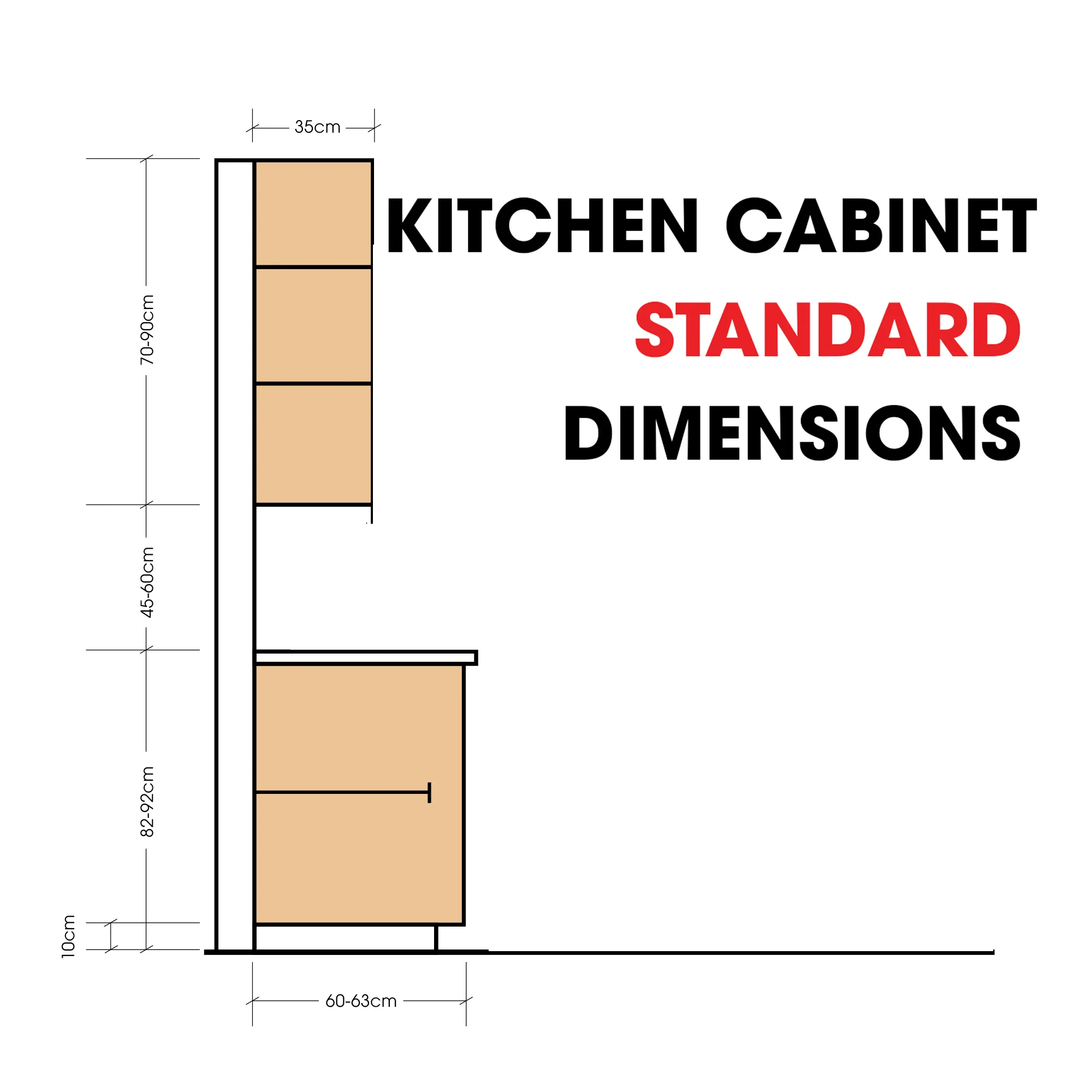
Image Source: guilincabinets.com
The Foundation of Cabinetry: Understanding Base Cabinet Depth
Base cabinets form the backbone of any kitchen, providing essential storage and a sturdy surface for meal preparation. The standard base cabinet depth is 24 inches. This depth is not arbitrary; it’s a carefully considered dimension that balances ample storage capacity with efficient use of kitchen space and ergonomic considerations.
Why 24 Inches? A Look at the Logic
The 24-inch depth for base cabinets is a widely adopted standard for several practical reasons:
- Appliance Integration: Many standard kitchen appliances, such as dishwashers, ovens, and some refrigerators, are designed to fit within or against cabinets that are 24 inches deep. This allows for a seamless, built-in look and ensures proper ventilation and access for maintenance.
- Countertop Support and Usability: A 24-inch deep cabinet provides a substantial base for a standard countertop depth of 25 inches. This extra inch of countertop overhang (25-inch countertop on a 24-inch cabinet) is vital for several reasons:
- Knee Space: It allows for comfortable seating at a breakfast bar or island, providing enough room for knees without bumping into the cabinet front.
- Aesthetics: The overhang creates a more finished and pleasing appearance.
- Protection: It offers some protection to the cabinet front from spills and wear.
- Storage Capacity: The 24-inch depth offers significant interior storage space. This allows for deeper shelves and drawers, accommodating larger pots, pans, small appliances, and bulk food items. Fathoming the storage potential within these cabinets reveals their true value in a busy kitchen.
- Ergonomics and Reach: While deeper might seem better for storage, a 24-inch depth strikes a good balance for accessibility. Most individuals can comfortably reach the back of a 24-inch deep cabinet without excessive stretching. This is a key consideration in cabinet measurement for practical kitchen use.
Variations in Base Cabinet Depth
While 24 inches is the most common cabinet size for base cabinets, there are instances where depth might vary:
- Shallower Base Cabinets: In smaller kitchens or specific design situations, shallower base cabinets might be used. These could be 18 or 21 inches deep. This can free up valuable floor space in narrow kitchens but will reduce storage capacity and may limit appliance options.
- Deeper Base Cabinets: For those who prioritize maximum storage, custom or specialty base cabinets can be ordered at depths greater than 24 inches, such as 27 or 30 inches. However, this significantly impacts aisle clearance and the overall kitchen layout. Ensuring adequate walkway space is paramount when considering deeper cabinets.
Reaching New Heights: Exploring Upper Cabinet Depth
Upper cabinets, also known as wall cabinets, are mounted on the wall above the base cabinets. Their primary role is to provide accessible storage for frequently used items and decorative display. The standard upper cabinet depth is typically 12 inches.
The Rationale Behind 12-Inch Upper Cabinets
The 12-inch depth for upper cabinets is a well-established standard driven by functionality, safety, and aesthetics:
- Ergonomic Reach: The 12-inch depth allows most individuals to easily reach items stored in the front and middle of the shelves without straining. Deeper upper cabinets would make accessing items at the back difficult and potentially unsafe.
- Countertop Clearance: Standard upper cabinets are mounted at a height of 18 inches above the countertop. This 18-inch clearance, combined with the 12-inch cabinet depth, provides ample working space on the countertop below. It allows for movement, placing appliances like toasters or coffee makers, and easy chopping or mixing.
- Aesthetic Proportion: The 12-inch depth generally creates a pleasing visual proportion when viewed in relation to the base cabinets and the overall kitchen space. Deeper upper cabinets could feel overwhelming and make the kitchen appear smaller.
- Weight and Installation: Lighter upper cabinets are easier to handle during cabinet installation and put less stress on the wall structure. The 12-inch depth contributes to this manageability.
- Storage Needs: For most everyday kitchen items – plates, glasses, bowls, spices – a 12-inch depth is sufficient. While it might not accommodate larger serving platters or small appliances, specialized cabinets can address these needs.
When Upper Cabinet Depth Might Differ
While 12 inches is the norm, some situations call for different cabinet depth measurements for upper cabinets:
- Deeper Upper Cabinets: In some custom designs or for specific storage needs, deeper upper cabinets, often 15 or even 18 inches, might be used. This is usually done in areas where extensive storage is required, such as pantry-style upper cabinets or in kitchens with very high ceilings. However, it’s crucial to consider the impact on the workflow and the visual weight of the cabinetry.
- Shallower Upper Cabinets: In very narrow kitchens or for aesthetic purposes, shallower upper cabinets, sometimes as shallow as 6 or 8 inches, can be incorporated. These are often used for displaying decorative items or storing lighter, smaller objects.
The Countertop Connection: How Cabinet Depth Influences Countertop Depth
The depth of your base cabinets directly influences the available countertop depth, which is a critical factor in kitchen functionality.
Standard Countertop Dimensions
As mentioned, a standard base cabinet depth of 24 inches typically accommodates a countertop that is 25 inches deep. This 1-inch overhang is the industry standard and serves multiple purposes:
- Ergonomics: It provides space for your knees when sitting at the counter.
- Protection: It shields the cabinet front from spills and wear.
- Aesthetics: It gives the countertop a more finished and substantial appearance.
What Happens When Cabinet Depths Change?
- Shallower Base Cabinets (e.g., 18-21 inches): If you opt for shallower base cabinets, you might still use a standard 25-inch deep countertop, resulting in a larger overhang (4-7 inches). This can be beneficial for creating a breakfast bar with ample legroom, but it might also feel less proportionate to the cabinet below and could pose a tripping hazard in walkways. Alternatively, you could use a shallower countertop (e.g., 22 inches) to maintain a more standard overhang, but this reduces the usable countertop surface area and storage within the cabinet.
- Deeper Base Cabinets (e.g., 27-30 inches): Using deeper base cabinets will necessitate a deeper countertop to maintain a standard overhang. For example, a 27-inch deep cabinet would typically be paired with a 28-inch deep countertop. This provides a larger work surface but requires more clearance in the kitchen pathways. It’s essential to meticulously plan your kitchen layout to ensure these deeper cabinets don’t obstruct movement.
Cabinet Construction and Its Impact on Dimensions
The method and materials used in cabinet construction can also subtly influence the effective internal and external dimensions of your cabinets.
Framed vs. Frameless Cabinets
- Framed Cabinets: These cabinets have a wooden frame around the front opening. This frame adds about 3/4 inch to the overall external depth and slightly reduces the internal usable depth of the cabinet box.
- Frameless (European-style) Cabinets: These cabinets do not have a face frame. The doors and drawers attach directly to the cabinet box. This construction method typically offers a slightly deeper interior space for the same exterior cabinet size, maximizing storage within a given footprint.
Drawer and Shelf Depth
The depth of drawers and shelves within the cabinets is also a consideration. Standard drawer depths are often designed to maximize usability within the 24-inch base cabinet. For example, a 24-inch deep base cabinet might have a drawer that is approximately 21-22 inches deep, allowing for necessary hardware and clearance for smooth operation. Similarly, adjustable shelves are often designed to fit within this usable depth.
Practical Implications of Cabinet Depth in Your Kitchen
The chosen cabinet depth significantly impacts how you use and experience your kitchen.
Workflow and Ergonomics
- Base Cabinets: As discussed, the 24-inch depth is ergonomic for most tasks. If you have a very large kitchen and spend a lot of time preparing food, deeper base cabinets might seem appealing for the extra storage, but consider how reaching into them will affect your workflow.
- Upper Cabinets: The 12-inch depth for upper cabinets is a good balance. If you have particularly high ceilings, you might consider taller upper cabinets, but keep the standard 12-inch depth to maintain accessibility. If you frequently store bulky items like stand mixers or large serving dishes, you might need to strategically place deeper upper cabinets or opt for dedicated pantry cabinets.
Kitchen Layout and Space Planning
The depth of your cabinets is a fundamental element in kitchen layout design.
- Aisle Clearance: The National Kitchen & Bath Association (NKBA) recommends a minimum of 42 inches for a one-cook kitchen walkway and 48 inches for a two-cook kitchen. When considering deeper base cabinets, it’s crucial to ensure you maintain adequate clearance to prevent a cramped and unsafe environment.
- Appliance Fit: Always verify the depth of your chosen appliances against your cabinet dimensions to ensure a flush or appropriate fit.
- Visual Scale: Deeper cabinets, especially upper cabinets, can make a kitchen feel smaller and more enclosed. Lighter depths help create a sense of spaciousness.
Storage Efficiency
While deeper cabinets offer more storage volume, it’s important to consider accessibility. Items stored at the very back of deep cabinets can easily be forgotten or become difficult to retrieve. Smart storage solutions like pull-out shelves, lazy Susans, and deep drawers can significantly improve the efficiency of even standard-depth cabinets.
Making Informed Decisions: Tips for Choosing Cabinet Depths
When planning your kitchen, carefully consider the implications of different cabinet size choices.
Measure Twice, Buy Once
Accurate cabinet measurement is paramount. Before ordering, measure your existing kitchen space meticulously, paying attention to doorways, windows, and appliance locations. If you’re using standard-sized cabinets, ensure they will fit your planned layout.
Consider Your Lifestyle and Needs
- Cooking Habits: Are you a gourmet chef who needs ample workspace and storage for specialized equipment, or do you primarily heat up pre-made meals? Your cooking habits will dictate your storage needs.
- Household Size: A larger family might require more storage than a single individual.
- Appliance Choices: Ensure your cabinet depths will accommodate your desired appliances.
Consult with Professionals
A kitchen designer or cabinet professional can provide invaluable guidance on selecting the right cabinet depths for your specific kitchen layout and needs. They can help you optimize storage while ensuring functionality and aesthetics.
Sample Door and Drawer Fronts
When possible, look at actual cabinet samples. This will help you visualize the appearance and feel of different cabinet styles and depths in your space.
FAQs About Kitchen Cabinet Depths
Here are some frequently asked questions about kitchen cabinet depths:
Q1: What is the standard depth for kitchen cabinets?
A1: The standard depth for base cabinets is 24 inches, and the standard depth for upper cabinets is 12 inches.
Q2: Can I use deeper base cabinets than the standard 24 inches?
A2: Yes, you can use deeper base cabinets (e.g., 27 or 30 inches), but it’s crucial to ensure you maintain adequate aisle clearance and consider the impact on your overall kitchen layout and workflow.
Q3: What is the standard countertop depth?
A3: The standard countertop depth is typically 25 inches, which provides a 1-inch overhang on a 24-inch deep base cabinet.
Q4: Does cabinet depth affect appliance installation?
A4: Yes, the depth of your cabinets is a critical factor in ensuring that appliances like dishwashers, ovens, and refrigerators fit correctly and have proper clearance for installation and operation.
Q5: How does cabinet construction (framed vs. frameless) affect depth?
A5: Framed cabinets have a face frame that adds to the exterior depth and slightly reduces interior space. Frameless cabinets generally offer a slightly deeper interior for the same exterior cabinet size.
Q6: What are the benefits of shallower base cabinets?
A6: Shallower base cabinets (e.g., 18-21 inches) can be beneficial in very small or narrow kitchens to free up floor space, but they offer less storage and may limit appliance options.
Q7: Should I consider deeper upper cabinets?
A7: Deeper upper cabinets (e.g., 15-18 inches) can provide more storage but can make a kitchen feel smaller and may be harder to reach into. They are usually best suited for specific needs or large kitchens.
Q8: How do I accurately measure for cabinets?
A8: Accurate cabinet measurement involves measuring the width, height, and depth of the spaces where cabinets will be installed, taking into account any obstructions like windows, doors, or plumbing.
Q9: What is the recommended clearance between upper and lower cabinets?
A9: The standard clearance between the countertop (top of base cabinets) and upper cabinets is 18 inches.
Q10: How do I choose the right cabinet size for my kitchen?
A10: Choosing the right cabinet size involves assessing your storage needs, the size and layout of your kitchen, your budget, and your aesthetic preferences. Consulting with a designer is highly recommended.
By carefully considering these standard dimensions and the reasons behind them, you can make informed decisions that contribute to a beautiful, functional, and comfortable kitchen.