
What is the standard depth of a kitchen counter? The standard depth of a kitchen counter is typically 24 inches. This measurement is a widely adopted benchmark that influences the overall functionality and layout of a kitchen, from cabinet design to appliance integration.
When you’re planning a kitchen renovation or simply curious about the nuts and bolts of kitchen design, one of the most fundamental questions revolves around the dimensions of your countertops. Specifically, “how deep is a kitchen counter?” This seemingly simple question opens up a world of practical considerations that impact everything from how you cook and prepare food to how you store your kitchen essentials. Let’s dive into the world of kitchen countertop measurements and explore the common depths, heights, and sizes that make up a functional kitchen.
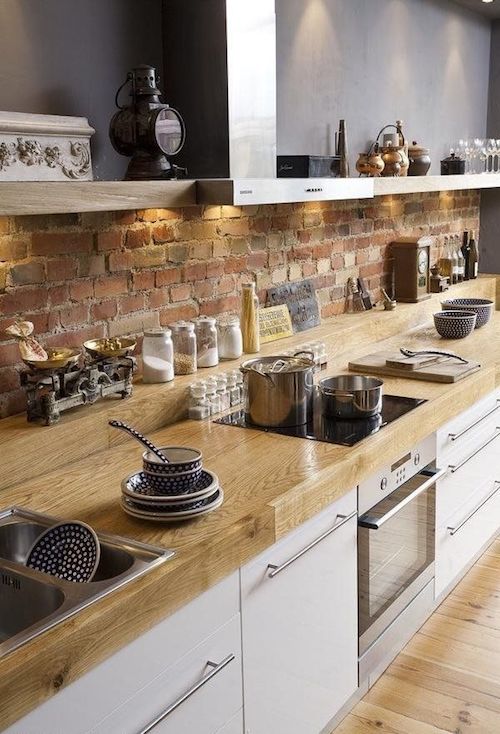
Image Source: victoriaelizabethbarnes.com
Deciphering Standard Kitchen Counter Depth
The standard kitchen counter depth is a critical piece of information for anyone looking to create a practical and ergonomic kitchen space. As mentioned, this benchmark is generally set at 24 inches. This depth is not arbitrary; it’s a carefully considered measurement that balances usability with space efficiency.
Why 24 Inches?
The 24-inch depth is a long-standing industry standard for several key reasons:
- Cabinetry Compatibility: The most significant factor driving the 24-inch depth is its perfect alignment with standard base cabinets. Most kitchen base cabinets, which form the foundation of your countertops, are manufactured with a 24-inch depth. This standardization ensures a seamless fit between the cabinet and the countertop, creating a cohesive and stable structure.
- Workspace and Accessibility: A 24-inch deep counter provides ample space for food preparation, chopping vegetables, mixing ingredients, and placing small appliances like toasters or blenders. It offers enough room to work comfortably without feeling cramped, allowing for efficient workflow.
- Appliance Integration: Many standard kitchen appliances, such as dishwashers and ovens, are designed to fit within a 24-inch deep cabinet space. This ensures that these essential appliances can be smoothly integrated into your kitchen layout without protruding awkwardly or requiring custom modifications.
- Ergonomics: The depth, combined with the typical kitchen counter height, contributes to an ergonomic kitchen. This depth allows users to stand comfortably at the counter, reaching what they need without excessive bending or stretching.
Variations and Considerations
While 24 inches is the standard, there are instances where you might encounter or choose different depths:
- Countertop Overhang: The actual countertop slab often extends beyond the cabinet box, creating an overhang. A typical countertop overhang is 1 to 1.5 inches. This means a 24-inch deep base cabinet will likely support a countertop that measures 25 to 25.5 inches from the wall. This overhang is crucial for aesthetics and for allowing comfortable seating at kitchen islands or peninsulas, as well as providing a little extra elbow room when working.
- Custom Cabinetry: In some cases, custom kitchen cabinets might be designed with a shallower or deeper profile. If you opt for custom cabinets, your countertop depth will need to be adjusted accordingly to ensure a proper fit.
- Specialty Appliances: Certain appliances, like professional-grade ranges or specific built-in refrigerators, might have different depth requirements. In such situations, you might need to adjust your cabinet and countertop depths to accommodate these items.
Comprehending Typical Kitchen Counter Height
Just as important as depth is the typical kitchen counter height. This dimension directly impacts the comfort and efficiency of your kitchen activities.
The standard height for kitchen countertops is 36 inches from the floor to the top surface. This height is a widely accepted ergonomic standard that works well for the majority of people.
The Rationale Behind 36 Inches
The 36-inch height is considered ideal because:
- Ergonomic Comfort: It aligns with the average comfortable working height for standing tasks like chopping, mixing, and kneading dough. This reduces strain on the back and arms.
- Appliance Integration: Standard dishwashers, for instance, are designed to fit under a 36-inch high countertop. Similarly, many freestanding ranges also have a similar height profile.
- Universal Appeal: While individual heights vary, 36 inches is a comfortable middle ground for a large percentage of the population.
Adjusting Countertop Height
While 36 inches is the norm, there are valid reasons to consider different heights:
- User Height: For households with individuals significantly taller or shorter than average, adjusting the countertop height can greatly improve kitchen ergonomics. Taller individuals might prefer a slightly higher counter, while shorter individuals might benefit from a lower one.
- Specific Tasks: Sometimes, different work zones within a kitchen might benefit from varied heights. For example, a baking station might be slightly lower to accommodate kneading, while a serving area could be higher.
- Appliance Requirements: As mentioned, some appliances might dictate specific height requirements.
Exploring Average Kitchen Counter Dimensions
Beyond depth and height, understanding average kitchen counter dimensions involves considering width and overall size. These factors are heavily influenced by the size and layout of your kitchen.
Width of Kitchen Counters
The “width” of a kitchen counter is essentially its length. This can vary dramatically depending on the design and available wall space.
- Standard Layouts: In a typical kitchen layout, you might have countertop runs along one or two walls. The length of these runs will depend on the dimensions of the room and the placement of cabinets and appliances.
- Kitchen Islands and Peninsulas: These features can add significant counter width and workspace. Their dimensions are highly customizable and depend on the available floor space and the desired functionality.
Kitchen Counter Size and Layout
The overall kitchen counter size is a combination of all these dimensions and is dictated by the kitchen’s footprint and layout. Common kitchen layouts include:
- Galley Kitchens: Often feature two parallel countertops, maximizing workspace in a narrow space.
- L-Shaped Kitchens: Utilize two adjacent walls for countertops, offering a good balance of workspace and flow.
- U-Shaped Kitchens: Incorporate countertops along three walls, providing extensive workspace and storage.
- Island Kitchens: Feature a freestanding island with countertops, adding a significant work surface and often a social hub.
Diving into Kitchen Cabinet Depth
The kitchen cabinet depth is intrinsically linked to the countertop depth. Standard base cabinets are designed to accommodate the 24-inch countertop.
Base Cabinets
- Standard Depth: As noted, base cabinets typically have a depth of 24 inches. This depth includes the cabinet box itself, usually around 23.25 inches, and a slight allowance for door or drawer fronts.
- Clearance: This depth ensures that when a 24-inch countertop is installed with a 1 to 1.5-inch overhang, the countertop extends about 1 to 1.5 inches beyond the cabinet doors or drawers. This is important for preventing fingers from getting pinched when opening cabinet doors.
Wall Cabinets
Wall cabinets have a different set of standard dimensions, typically:
- Standard Depth: 12 inches to 13 inches. This depth is sufficient for storing dishes, glassware, and other kitchen essentials without protruding too far into the room and obstructing movement.
- Height: Varies widely, commonly 30, 36, or 42 inches.
- Width: Commonly 18, 24, 30, or 36 inches.
Examining Kitchen Island Depth
Kitchen island depth is a crucial consideration for both functionality and traffic flow. While standard countertop depth is 24 inches, island depths can vary.
Factors Influencing Island Depth
- Workspace Needs: Islands often require more workspace than standard counters. This might mean a deeper countertop to accommodate multiple tasks, appliance placement, or a larger prep area.
- Seating: If the island is designed with seating, the depth needs to accommodate comfortable legroom for diners. This typically requires a minimum depth of 36 inches for the entire island structure, including a seating overhang.
- Appliance Integration: Islands can house sinks, cooktops, or other appliances, which can influence the required depth.
- Overall Kitchen Size: The size of the kitchen dictates how large an island can be without impeding movement. A deeper island in a small kitchen can make the space feel cramped.
Common Island Depths
- 36 inches: A common depth for islands that offer a good amount of workspace without being overly bulky. This often includes a 24-inch cabinet section with a 12-inch seating overhang.
- 42 inches: Provides even more workspace and can comfortably accommodate a sink or cooktop along with a seating area.
- 48 inches or more: Used for larger kitchens or islands designed as a central culinary hub, allowing for extensive prep space and multiple seating spots.
It’s also common for islands to have a deeper countertop on one side for prep and a shallower section on the other for seating, creating a layered effect.
Fathoming How Wide Are Kitchen Counters
The term “how wide are kitchen counters” most commonly refers to the length of a countertop run. Unlike depth and height, which have strong standardization due to cabinet and appliance dimensions, the width is highly variable.
Determinants of Countertop Width
- Wall Space: The length of the walls available for cabinets and countertops is the primary determinant.
- Kitchen Layout: As discussed earlier, different kitchen layouts (galley, L-shape, U-shape) naturally dictate longer or shorter countertop runs.
- Appliance Placement: The space required for appliances like the refrigerator, range, and dishwasher will break up continuous countertop runs.
- Sink and Cooktop Integration: The width of the sink base cabinet and cooktop will also influence the overall counter length.
Standard Section Widths
While continuous countertop runs can be any length, cabinetry is typically sold in standard widths, which then dictate the width of the countertop sections. Common cabinet widths include:
- 12 inches
- 15 inches
- 18 inches
- 24 inches
- 30 inches
- 36 inches
- 42 inches
- 48 inches
These standard widths allow for a modular approach to kitchen design, enabling custom configurations by combining different cabinet sizes.
A Look at Countertop Dimensions in Tables
To provide a clearer picture, let’s summarize some of the key countertop dimensions and related measurements in table format.
Table 1: Standard Kitchen Countertop Dimensions
| Dimension | Standard Measurement | Typical Range | Notes |
|---|---|---|---|
| Depth | 24 inches | 24 – 25.5 inches | Includes overhang; standard base cabinets are 24 inches deep. |
| Height | 36 inches | 34 – 37 inches | Measured from floor to countertop surface; ergonomic standard. |
| Overhang (Front) | 1.5 inches | 1 – 2 inches | Extends beyond base cabinets for aesthetics and functionality. |
| Overhang (Back) | 1 inch | 1 inch | Often less than front overhang to accommodate backsplash and wall-mounted items. |
Table 2: Common Kitchen Cabinet Depths
| Cabinet Type | Standard Depth | Typical Range | Notes |
|---|---|---|---|
| Base Cabinet | 24 inches | 23.5 – 24.5 inches | Depth of the cabinet box itself; supports standard countertop depth. |
| Wall Cabinet | 12 inches | 12 – 13 inches | Designed for wall mounting; shallower to optimize kitchen space and safety. |
Table 3: Kitchen Island Depth Considerations
| Feature | Recommended Depth | Notes |
|---|---|---|
| Basic Workspace | 30 inches | Minimum recommended for a functional prep area. |
| With Seating | 36 inches | Accommodates standard cabinet depth plus seating overhang (approx. 12 inches). |
| Appliance Housing | Varies | Depends on the size and type of appliance being integrated. |
| Ample Workspace | 42 inches | Provides more generous prep area and can accommodate larger sinks or cooktops. |
| Deep Workstation | 48 inches + | For larger kitchens or islands designed as the primary culinary center. |
Customization and Creative Countertop Measurements
While standards provide a solid framework, the beauty of kitchen design lies in customization. You are not strictly bound by these average kitchen counter dimensions.
Adapting to Your Space
- Small Kitchens: In compact kitchens, you might opt for shallower cabinets (e.g., 21 inches) and consequently shallower countertops to maximize walking space and prevent the kitchen from feeling claustrophobic.
- Large Kitchens: Larger kitchens can accommodate deeper islands or deeper base cabinets for enhanced workspace or specialized storage.
- Appliance-Specific Needs: If you have an unusually deep or shallow appliance, you’ll need to adjust your cabinet and countertop measurements accordingly.
Beyond the Standard Depth
- Desk Areas: Some kitchens incorporate a desk area. The countertop height for a desk is often around 29-30 inches, which is lower than the standard kitchen counter height.
- Butcher Blocks: If you’re incorporating a butcher block countertop for chopping, you might find them in slightly different thicknesses and depths.
Frequently Asked Questions (FAQ)
Here are some common questions people have about kitchen counter dimensions:
- Q: Can I have a kitchen counter deeper than 24 inches?
- A: Yes, you can. Deeper countertops, often 30 inches or more, are common for kitchen islands or peninsulas to provide more workspace or accommodate seating. You’ll need custom cabinetry to support these depths.
- Q: What is the standard overhang for a kitchen counter?
- A: The standard front overhang for a kitchen counter is typically 1.5 inches. This allows the countertop to extend beyond the face of the cabinets, providing a comfortable working edge and preventing accidental bumps.
- Q: How much space do I need around a kitchen island?
- A: Ideally, you should have at least 36 inches of clearance around a kitchen island for comfortable walking and working. For areas with appliances that open (like oven doors or dishwasher doors), aim for 42-48 inches of clearance.
- Q: Is it possible to have different counter heights in my kitchen?
- A: Absolutely. Many modern kitchens feature multi-level countertops to enhance ergonomics and visual interest. For example, a baking area might be lower, while a serving area could be higher.
- Q: How do I measure my existing kitchen counter dimensions?
- A: To measure depth, measure from the wall to the front edge of the countertop. For height, measure from the floor to the top surface of the countertop. For width (length), measure along the length of the countertop run.
- Q: What is kitchen cabinet depth related to countertop depth?
- A: The kitchen cabinet depth is the foundation for the countertop. Standard base cabinets are typically 24 inches deep, which is why the standard kitchen counter depth is also 24 inches, allowing for a typical overhang.
In conclusion, while the standard kitchen counter depth of 24 inches and a typical kitchen counter height of 36 inches are excellent starting points, the world of kitchen countertop measurements offers flexibility. By considering your specific needs, available space, and desired functionality, you can tailor these dimensions to create a kitchen that is both beautiful and perfectly suited to your lifestyle. Whether you’re planning a full remodel or just updating your countertops, knowing these basic dimensions is key to a successful and satisfying outcome.