
Can you paint kitchen cabinets without sanding? Yes, you absolutely can! Modern paints and cabinet painting hacks no sanding techniques make it entirely possible to achieve a beautiful, durable finish on your cabinets without the tedious and messy task of sanding. This guide will walk you through everything you need to know to give your kitchen a stunning DIY kitchen cabinet refresh.
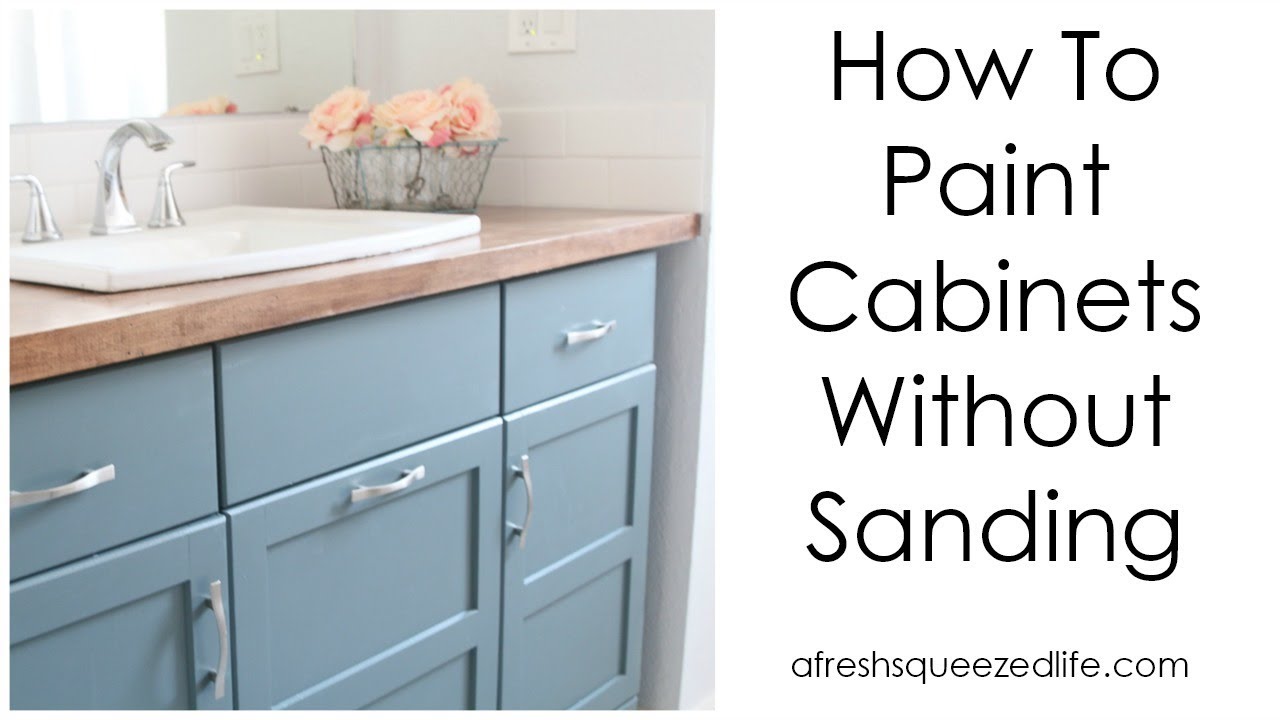
Image Source: i.ytimg.com
Why Skip the Sanding?
Sanding cabinets can be a daunting prospect for many DIYers. It’s time-consuming, dusty, and requires careful attention to avoid damaging your cabinets. Fortunately, the advancements in paint technology mean you don’t always need to go through this rigorous prep work.
Choosing the Right Paint: The Key to Success
The most crucial step in cabinet painting without sanding is selecting the right paint. Not all paints are created equal, and for a no-sand approach, you need a paint specifically designed to adhere to glossy surfaces with minimal prep.
Types of No-Sand Cabinet Paints
- Bonding Primers with Alkyd Enamel: These are excellent for durability and adhesion. A good bonding primer will create a surface that almost anything can stick to.
- Chalk Paint: Known for its matte finish and exceptional adhesion, chalk paint kitchen cabinets have become very popular. They typically require a topcoat for durability, especially in high-traffic areas like kitchens.
- Mineral Paint: Similar to chalk paint in its ease of use and adhesion, mineral paint offers a very durable, often slightly more matte finish. It’s another fantastic option for cabinet painting without sanding.
- Cabinet-Specific Paints: Many brands now offer specialized cabinet paints that promise excellent adhesion without sanding, often with built-in primers. These are formulated for high-traffic, durable finishes.
What to Look for in a No-Sand Paint:
- Excellent Adhesion: This is paramount. The paint needs to grip the existing finish without the “tooth” that sanding provides.
- Durability: Kitchen cabinets are subjected to grease, moisture, and frequent cleaning. Your paint needs to withstand this.
- Smooth Finish: You want a professional-looking result, not one that screams “DIY.”
- Low VOCs (Volatile Organic Compounds): For a healthier home environment, especially when working indoors.
Step-by-Step Guide to Painting Cabinets Without Sanding
1. Thorough Cleaning: Your Most Important Prep Step
Since you’re skipping sanding, the cleaning process needs to be exceptionally thorough. You are essentially creating the “tooth” and the adhesion surface with your cleaner.
Materials Needed:
- Gloves
- Safety glasses
- Microfiber cloths
- Degreaser (TSP substitute or a dedicated kitchen degreaser)
- Water
- Bucket
- Screwdriver or drill with the correct bit
Cleaning Process:
- Remove Doors and Drawer Fronts: This makes painting much easier and ensures a more even finish. Use your screwdriver or drill to remove all hardware and set it aside. Label each door and drawer front with a number or letter so you know where they go when reassembling.
- Degrease Thoroughly: Kitchen cabinets accumulate grease and grime. You need to remove every bit of it. Mix your degreaser with water according to the product instructions. Use a clean microfiber cloth dipped in the solution to wipe down every surface of the cabinets, doors, and drawer fronts. Pay close attention to areas around the stovetop and sink.
- Rinse and Dry: After degreasing, rinse the cabinets with a clean cloth dampened with plain water to remove any degreaser residue. Then, dry everything completely with clean microfiber cloths. Any remaining moisture can affect paint adhesion.
- Clean Hardware: While the cabinets are drying, clean your cabinet hardware. A good degreaser or even a metal cleaner can bring back their shine.
2. Applying the Primer: The Bonding Agent
Even with paints designed for no-sand application, a high-quality bonding primer is often the secret weapon for ensuring long-lasting adhesion. This step is critical for a professional, durable finish.
What is a Bonding Primer?
A bonding primer is a specialized primer formulated to adhere strongly to challenging surfaces, including glossy finishes, laminate, and even some plastics. It creates a universal surface that subsequent paint coats can adhere to securely.
Why Use a Bonding Primer for No-Sand Painting?
- Enhances Adhesion: It creates a “grippy” surface for the topcoat, compensating for the lack of sanding.
- Improves Durability: It provides a solid base that prevents chipping and peeling.
- Blocks Stains: Some primers can also block tannins from wood or prevent existing colors from bleeding through your new paint.
- Creates a Uniform Surface: It can help hide minor imperfections and ensure a consistent sheen.
Applying the Bonding Primer:
- Stir Thoroughly: Always stir your primer well. Do not shake it, as this can introduce air bubbles.
- Apply Thin, Even Coats: Use a high-quality synthetic brush for edges and corners, and a foam roller or a fine-nap roller for larger, flat surfaces. Aim for thin, even coats. Too much primer in one go can lead to drips and an uneven finish.
- Follow Drying Times: Allow the primer to dry completely according to the manufacturer’s instructions. This is crucial for optimal adhesion. Many bonding primers require a specific recoat window.
- Optional: Light Scuff Sanding (if needed): While the goal is no sanding, if you notice any dust nibs or slight imperfections after the primer dries, you can very gently scuff the surface with a fine-grit sanding sponge (like 220 or 320 grit). This is a light touch-up, not a full sanding. Wipe away any dust with a tack cloth.
3. Applying the Paint: The Color Transformation
Now comes the exciting part – applying your chosen paint color! Whether you’re using no-sand cabinet paint, chalk paint kitchen cabinets, or mineral paint, the application technique is similar.
Methods of Application:
- Roller and Brush: This is the most common DIY method.
- Brush: Use a high-quality angled synthetic brush for cutting in edges, corners, and details.
- Roller: A high-density foam roller or a fine-nap microfiber roller is ideal for smooth, even coverage on flat surfaces.
- Spray Painting: For a factory-smooth finish, spray painting is the best option. This is a form of spray painting cabinets without sanding that can yield professional results.
- Equipment: You’ll need a paint sprayer (HVLP sprayers are great for furniture and cabinets).
- Prep: Mask off everything you don’t want to paint meticulously with painter’s tape and plastic sheeting. Ensure good ventilation.
- Technique: Practice on a piece of cardboard first. Keep the sprayer moving at a consistent speed and distance from the surface. Apply thin, even coats.
Painting Technique for Smooth Results:
- Thin Coats are Key: Just like with primer, apply paint in thin, even coats. Multiple thin coats are always better than one thick coat, as they dry more evenly and reduce the risk of drips and brush strokes.
- Work Systematically: Paint the inside of the cabinet frames first, then the doors and drawer fronts.
- Brush Strokes: If brushing, try to maintain a consistent direction with your strokes. Light, overlapping strokes work best.
- Roller Strokes: Roll in a consistent direction, maintaining even pressure. Avoid overworking the paint.
- Drying Between Coats: Allow each coat of paint to dry completely according to the manufacturer’s recommendations before applying the next. This might involve several hours.
4. Applying a Topcoat (If Necessary)
Some paints, like chalk paint and some mineral paints, require a protective topcoat to ensure durability, especially in a kitchen environment. Even some specialized cabinet paints benefit from an extra layer of protection.
Types of Topcoats:
- Water-Based Polyurethane: Available in matte, satin, or semi-gloss finishes. Look for one that is specifically designed for durability.
- Polycrylic: A good option for lighter colors, as it won’t yellow over time.
- Clear Coat for Chalk Paint: Many chalk paint brands offer their own clear wax or varnish specifically for protecting their finishes.
Application:
- Apply Thin Coats: Apply the topcoat in thin, even layers, just like your primer and paint.
- Brush or Foam Applicator: Use a high-quality synthetic brush or a foam applicator.
- Drying Time: Allow adequate drying time between coats.
- Curing Time: Remember that paint and topcoats often have a “curing” time, which is longer than their “drying” time. During the curing period, the finish is still hardening and can be more susceptible to damage. Avoid heavy use of the cabinets during this time.
5. Reassembling Your Kitchen
Once all the painted components are completely dry and cured (check the paint and topcoat manufacturer’s recommendations for curing times), it’s time to reassemble your kitchen.
- Reattach Hardware: Screw the cleaned hardware back onto your doors and drawer fronts.
- Hang Doors and Insert Drawers: Carefully reattach the doors to the cabinet frames and slide your drawer fronts back into place.
- Enjoy Your Refreshed Kitchen! Step back and admire your hard work.
Painting Techniques for a Flawless Finish
Beyond the basic steps, there are specific furniture painting techniques that can elevate your cabinet painting project.
Using a Wipe-On Cabinet Finish
A wipe-on cabinet finish offers a different approach to achieving a smooth, durable coating. Instead of brushing or spraying, you apply a liquid finish with a lint-free cloth, wiping it on in thin, even layers. This method can be excellent for achieving a very natural, subtle sheen and is forgiving for beginners.
How to Use a Wipe-On Finish:
- Clean and Prep: Follow the initial cleaning steps as outlined above.
- Choose Your Finish: Select a wipe-on poly or oil-based stain/sealer.
- Apply with a Cloth: Dip a clean, lint-free cloth into the finish and wring out any excess. Wipe the surface in the direction of the grain, applying a thin, even coat.
- Wipe Off Excess: Immediately after applying, use a clean, dry cloth to gently wipe away any excess finish. This is key to preventing tackiness and achieving a smooth surface.
- Allow to Dry: Let the finish dry thoroughly between coats.
- Repeat: Apply multiple thin coats for the desired depth and protection.
Achieving a Smooth Finish with a Roller
- High-Density Foam Rollers: These are excellent for minimizing stipple (the orange-peel effect).
- Microfiber Rollers: Fine-nap microfiber rollers also provide a very smooth finish.
- Loading the Roller: Don’t overload the roller with paint. Load it evenly, then roll it back and forth on a tray or a piece of cardboard to distribute the paint and remove excess.
- “W” or “M” Pattern: For even coverage, apply paint in a “W” or “M” pattern across the surface, then smooth it out with light, parallel strokes.
- Overlap Strokes: Overlap your roller strokes slightly to avoid missing spots and create a uniform finish.
The Magic of Tack Cloths
A tack cloth is a sticky cloth designed to pick up dust particles. After cleaning and between coats, running a tack cloth over your surfaces is a vital step to ensure a smooth, dust-free finish. Even the tiniest speck of dust can become a noticeable bump in your painted surface.
Common Pitfalls to Avoid
When painting kitchen cabinets without sanding, it’s easy to make mistakes. Being aware of common pitfalls can save you a lot of frustration.
- Insufficient Cleaning: This is the number one reason for paint failure in no-sand projects. Grease and grime are the enemies of adhesion.
- Applying Paint Too Thick: Thick coats lead to drips, brush marks, and longer drying times. Always opt for thin, even coats.
- Not Allowing Proper Drying/Curing Time: Rushing the process by painting over wet paint or putting cabinets back into heavy use before they’ve fully cured will lead to peeling and damage.
- Using the Wrong Paint: Not all paints are formulated for this type of application. Stick to products specifically designed for high-adhesion, no-sand finishes.
- Skipping the Primer (When it’s Needed): While some paints might claim no primer needed, a bonding primer is often the key to long-term durability on slick surfaces.
- Poor Ventilation: Working with paints and primers in poorly ventilated areas can be unhealthy and can also affect drying times.
What About Prepainted Kitchen Cabinets?
If you have prepainted kitchen cabinets, the same principles apply. The key is to identify the existing finish and clean it thoroughly. If the original paint is in good condition and is a durable finish (like a factory enamel), you can often paint over it without sanding by using a high-quality bonding primer. If the existing paint is peeling or in poor condition, it might be necessary to remove it before proceeding, or at least lightly scuff sand the loose areas.
Paint Types and Their Suitability for No-Sand Kitchen Cabinets
| Paint Type | Pros | Cons | Best For |
|---|---|---|---|
| Chalk Paint | Excellent adhesion, matte finish, forgiving, easy to distress if desired | Requires a topcoat for durability, can be prone to chipping without one | Those seeking a matte, vintage, or rustic look. |
| Mineral Paint | Very durable, excellent adhesion, often a low-sheen finish | Can be more expensive, limited color selection from some brands | Durability and a sophisticated matte or low-sheen finish. |
| Alkyd Enamel | Very durable, hard finish, good adhesion with primer | Can have a strong odor, longer drying times, requires mineral spirits for cleanup | Those prioritizing maximum durability and a hard, smooth finish. |
| Cabinet-Specific | Formulated for adhesion and durability, often self-priming | Can be more expensive, specific brand recommendations might be needed | Simplicity and a guaranteed durable finish without extensive research. |
| Latex (Acrylic) | Water-based, easy cleanup, fast drying, low VOCs | Requires a very good bonding primer for slick surfaces, less durable than alkyd | Budget-conscious projects, those prioritizing easy cleanup and low VOCs. |
Frequently Asked Questions (FAQ)
Q: How many coats of paint do I need for kitchen cabinets?
A: Typically, you’ll need two to three thin coats of paint for good coverage and durability. Always follow the paint manufacturer’s recommendations, and allow adequate drying time between coats.
Q: Can I use leftover house paint on my kitchen cabinets?
A: It’s generally not recommended. House paint is formulated for walls, which don’t experience the same wear and tear as kitchen cabinets. Specialized cabinet paints or high-quality enamels are designed for this specific application.
Q: How long does it take to paint kitchen cabinets without sanding?
A: The timeframe can vary greatly depending on the size of your kitchen, the type of paint used, and your application method. However, a typical DIY project might take anywhere from a weekend to a week, factoring in drying and curing times.
Q: What is the best no-sand cabinet paint?
A: There isn’t one single “best” paint, as it depends on your desired finish and budget. Popular and well-regarded options include brands offering chalk paint, mineral paint, and specialized cabinet enamel paints known for their adhesion. Brands like General Finishes, Sherwin-Williams (ProClassic), Benjamin Moore (Advance), and Behr (Cabinet & Trim Enamel) are often cited for good results.
Q: How do I clean cabinets painted with chalk paint?
A: Cabinets painted with chalk paint should be cleaned gently. Use a soft cloth dampened with water and mild soap. Avoid abrasive cleaners or scrub brushes, as these can damage the finish. Always ensure the surface is dry afterward.
Q: Can I spray paint my cabinets without sanding?
A: Yes, spray painting cabinets without sanding is possible, especially if you use a high-quality bonding primer first and then apply your chosen cabinet paint using a sprayer. This method often yields the smoothest finish.
Q: How do I get a smooth finish when rolling my cabinets?
A: Use a high-density foam roller or a fine-nap microfiber roller. Apply paint in thin, even coats, using a consistent rolling pattern. Avoid overworking the paint.
Q: What’s the difference between chalk paint and mineral paint for cabinets?
A: Both offer excellent adhesion without sanding. Chalk paint typically has a very matte, velvety finish and often requires a topcoat. Mineral paint is known for its durability, often has a subtle sheen, and may not always require a separate topcoat, depending on the brand.
Q: Can I use a wipe-on stain on my cabinets?
A: Yes, a wipe-on cabinet finish or stain can be a great way to refresh the look of your cabinets, especially if you like the wood grain to show through. Ensure the surface is clean and dry, apply in thin coats with a lint-free cloth, and wipe off the excess immediately.
By following these detailed steps and tips, you can successfully paint your kitchen cabinets without the daunting task of sanding, breathing new life into your kitchen with a beautiful and durable finish.