
Transforming a standard kitchen into a kosher kitchen involves dedicated steps to ensure it adheres to Jewish dietary laws. The process, known as kosherizing a kitchen, requires careful attention to detail, specific cleaning methods, and often the acquisition of new utensils and appliances.
What is koshering a kitchen? Koshering a kitchen means making it conform to kashrut, the Jewish dietary laws. This ensures that food prepared in the kitchen is kosher, meaning it is permissible to eat according to Jewish tradition.
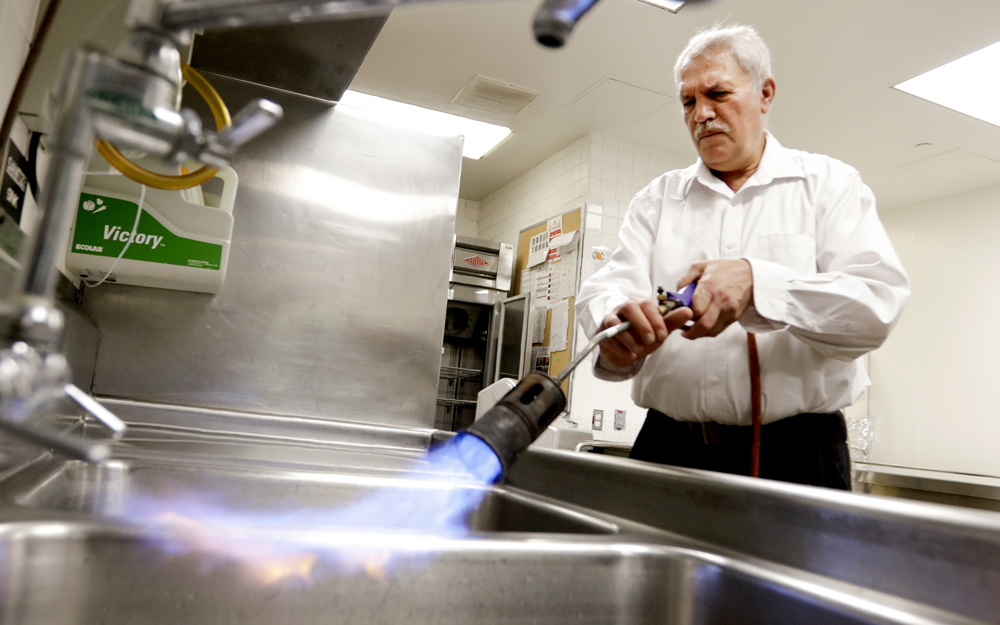
Image Source: www.cedars-sinai.org
Deciphering the Basics of a Kosher Kitchen
Making your kitchen kosher is a journey rooted in tradition and meticulous practice. It’s about separating meat and dairy, ensuring ingredients are kosher-certified, and following specific preparation guidelines. This guide will walk you through the essential steps.
The Pillars of Kashrut in Your Home
The core principles of kashrut guide the entire process of kosherizing a kitchen. These aren’t just rules; they are a way of life that impacts how you shop, cook, and even eat.
- Separation of Meat and Dairy: This is perhaps the most well-known rule. Meat and dairy products can never be mixed or prepared together. This extends to cooking utensils, dishes, and even sponges used for cleaning.
- Permitted Foods: Only foods that are kosher-certified can be used. This applies to everything from produce to processed items.
- Prohibitions: Certain foods are forbidden, such as pork, shellfish, and the meat of animals not slaughtered according to kashrut procedures.
Essential Kosher Kitchen Requirements
Before you begin the physical conversion, it’s crucial to grasp the fundamental requirements. These are the bedrock upon which a kosher kitchen is built.
- Dedicated Sets of Utensils: Separate sets for dairy and meat are essential. This often means two sets of pots, pans, silverware, and dishes.
- Parve Considerations: Parve foods are neutral and can be eaten with either meat or dairy. Having a dedicated set of parve utensils is also recommended.
- Kosher Certification: All processed foods must carry a reliable kosher certification symbol.
The Practical Steps: Kosherizing Your Kitchen
Now, let’s get into the practical aspects of kosherizing a kitchen. This is where the physical transformation takes place.
Step 1: The Deep Clean
A thorough cleaning is the first and most critical step. Every surface, appliance, and utensil needs to be cleaned and purified to remove any non-kosher residue.
Kosher Kitchen Cleaning: A Detailed Approach
- Scrubbing Every Surface: Floors, countertops, walls, and cabinets need a deep clean. Pay special attention to any areas where non-kosher foods might have been prepared or spilled.
- Appliance Purification: Appliances like ovens, microwaves, and refrigerators require specific koshering methods.
Making Kitchen Kosher for Passover: Special Considerations
Passover has its own set of stringent kashrut laws, notably the prohibition of chametz (leavened grain products).
- Chametz Removal: All chametz must be meticulously removed from the kitchen before Passover begins. This includes cleaning every crumb from every nook and cranny.
- Special Utensils for Passover: Many families use a completely separate set of utensils and even appliances specifically for Passover, as removing all traces of chametz from regular items can be extremely difficult.
Step 2: Acquiring Kosher Kitchen Essentials
This is where you’ll be stocking up on items to maintain the kosher status of your kitchen.
Kosher Kitchen Utensils: The Building Blocks
- Separate Sets: As mentioned, you’ll need at least two sets of utensils: one for meat and one for dairy.
- Parve Utensils: Consider a third set for parve items to avoid any accidental mixing.
- Materials Matter: Utensils made of materials that absorb flavors, like porous pottery or some plastics, might need special consideration or replacement.
Kosher Kitchen Appliances: Tools of the Trade
- Dishwashers: If your dishwasher will be used for both meat and dairy dishes, you’ll need to ensure a proper koshering process. Sometimes, a completely separate kosher dishwasher is preferred.
- Microwaves: Microwaves absorb odors and flavors. Koshering involves thorough cleaning and often using a koshering technique called “hagalah” (boiling water immersion).
- Ovens: Ovens are typically koshered by heating them to their highest temperature for an extended period.
- Sinks: If a sink is used for both meat and dairy, it often needs to be koshered separately. Many kosher kitchens have two sinks: one for meat and one for dairy.
Step 3: Implementing the Kosher Kitchen Setup
Once you have your essentials, it’s time to arrange your kitchen to facilitate adherence to kashrut.
Establishing Separate Zones
- Refrigerator Storage: Designate separate shelves or drawers for meat and dairy items.
- Countertop Space: Consider having different areas for meat and dairy preparation to prevent cross-contamination.
- Dish Racks: Use separate dish racks for meat and dairy dishes.
The Flow of Kosher Cooking
A well-organized kosher kitchen makes daily life easier. Think about how you move around the kitchen and how you can best implement the separation rules.
Kosherizing Specific Items and Appliances
The process of kosherizing extends to individual items within your kitchen.
Kosherizing Your Oven
- The Deep Clean First: Before any koshering process, the oven must be thoroughly cleaned of all food residue.
- Self-Cleaning Function: If your oven has a self-cleaning cycle, this can often be used as part of the koshering process. Ensure the oven is run at its highest temperature for the duration of the cycle.
- Manual Koshering: If a self-cleaning function isn’t available or sufficient, manual koshering involves heating the oven to its maximum temperature for at least 30-60 minutes. This process is repeated for all racks and walls.
Kosherizing Your Microwave
Microwaves absorb flavors and odors, making them tricky.
- Thorough Internal Cleaning: Clean every inch of the microwave interior.
- Steam Cleaning: Place a microwave-safe bowl filled with water and lemon slices or vinegar inside the microwave. Heat on high for several minutes until steam fills the interior. Let it sit for a few minutes before carefully wiping down the interior.
- Hagalah (Boiling Water Immersion): This is a more intensive method. The turntable and any removable metal racks can be immersed in boiling water. The interior walls and ceiling are then often wiped down with a cloth dipped in boiling water.
Kosherizing Your Sink
If you have a single sink that must be used for both meat and dairy:
- Thorough Cleaning: The sink must be scrubbed meticulously.
- Boiling Water (Hagalah): Pouring boiling water over the sink basin, faucets, and handles is the primary method of koshering. This process may need to be repeated.
- Separate Basins: If you have a double sink, one basin can be designated for meat and the other for dairy, after proper cleaning.
Kosherizing Cookware and Utensils
This involves confirming that the materials themselves can be koshered and then performing the appropriate method.
- Metal Utensils: Metal pots, pans, and utensils can typically be koshered through hagalah (immersion in boiling water) or libun (exposure to intense heat).
- Glass and Ceramic: Glazed ceramic and glass can usually be koshered through hagalah. Unglazed pottery may not be kosherable.
- Plastic and Wood: Porous materials like wood and some plastics can absorb flavors and may not be kosherable. It is often recommended to replace these if they have been used for non-kosher food.
Table: Common Koshering Methods for Kitchen Items
| Item Type | Primary Koshering Method | Notes |
|---|---|---|
| Metal Pots/Pans | Hagalah (Boiling Water Immersion) or Libun (Intense Heat) | Ensure the item is thoroughly cleaned before koshering. Libun is generally for items that cannot be immersed. |
| Metal Utensils | Hagalah (Boiling Water Immersion) | Silverware, knives, spatulas, etc. |
| Glass/Ceramic (Glazed) | Hagalah (Boiling Water Immersion) | Cups, plates, bowls. Ensure glaze is intact. |
| Oven | High-Temperature Heating (Self-Clean Cycle or Manual) | Repeat for all parts exposed to heat. |
| Microwave | Steam Cleaning + Hagalah (for removable parts) | Thorough interior cleaning is paramount. |
| Sink | Pouring Boiling Water (Hagalah) | Focus on basin, faucets, and handles. |
| Cutting Boards (Plastic/Wood) | Replacement often recommended | Porous materials can absorb flavors and are difficult to purify. |
Maintaining Your Kosher Kitchen
Kosherizing is just the beginning. Maintaining a kosher kitchen requires ongoing vigilance and consistent practice.
Daily Practices
- Wash Dishes Separately: Always wash meat dishes with meat utensils and dairy dishes with dairy utensils.
- Clean As You Go: Wipe down counters and surfaces immediately after use.
- Proper Storage: Ensure meat and dairy are stored separately in the refrigerator.
Regular Deep Cleans
- Periodic Purging: Even with diligent cleaning, it’s wise to periodically re-kosher certain items or conduct a deeper clean to ensure no contamination has occurred.
- Checking Labels: Regularly check that all packaged foods still carry a reliable kosher certification.
Frequently Asked Questions About Kosher Kitchens
Q1: Can I use my existing appliances if I kosher them?
A1: Yes, most common kitchen appliances like ovens, microwaves, and sinks can be koshered if they are made of kosherable materials and are thoroughly cleaned. However, porous materials like certain plastics or wood might need to be replaced.
Q2: What if I can’t afford to buy all new sets of dishes?
A2: Many people start by getting a basic set of meat and dairy utensils. You can also look for used kosher dishes or prioritize essential items like pots and pans first. The key is strict separation and proper koshering of items you keep.
Q3: How do I know if a kosher certification is reliable?
A3: Look for well-established and reputable kosher certification agencies. Some common symbols include OU, OK, Star-K, and Kof-K. If you are unsure, consult with a rabbi or knowledgeable member of your community.
Q4: Is it possible to kosher a kitchen for Passover if it’s not usually kosher?
A4: Yes, making a kitchen kosher for Passover is a specific process that involves an even more rigorous cleaning to remove all traces of chametz. This often requires a very deep clean and may necessitate using separate utensils and cookware just for Passover.
Q5: Do I need a separate kosher refrigerator?
A5: Not necessarily. You can designate specific shelves or drawers within a single refrigerator for meat and dairy items, ensuring they do not touch and are properly contained.
Q6: What are the key kosher kitchen essentials I need to start?
A6: To begin, you’ll primarily need separate sets of utensils for meat and dairy (pots, pans, cutlery, plates). Having separate sponges and dish towels is also important.
Q7: How often do I need to worry about kosher kitchen cleaning?
A7: Kosher kitchen cleaning should be an ongoing, daily practice. Beyond the daily clean-up, periodic deep cleans and re-koshering certain items are also recommended to maintain the kitchen’s kosher status.
Q8: What are the main differences between meat and dairy utensils in a kosher kitchen?
A8: The main difference is their exclusive use. Meat utensils can only be used for meat products, and dairy utensils can only be used for dairy products. They cannot be used interchangeably, and they must be cleaned and stored separately. Parve utensils are neutral and can be used for either.
Q9: Can I kosher a non-stick pan?
A9: Generally, non-stick pans can be koshered via hagalah if the non-stick coating is intact and the pan is made of a kosherable material like stainless steel. However, if the coating is damaged or peeling, it might be considered compromised and require replacement.
Q10: What is the most challenging part of maintaining a kosher kitchen?
A10: For many, the most challenging aspect is the vigilance required to prevent accidental mixing of meat and dairy. This can be especially true when guests are present or in busy households. Consistent education and habit formation are key.