
Preventing falls in the kitchen is crucial for everyone, especially for older adults, and involves a multi-faceted approach focusing on kitchen safety, slip prevention, and addressing fall hazards. What is the most common cause of kitchen falls? Spills and wet floors are the leading culprits, often caused by dropped food, overflowing sinks, or leaks.
The kitchen, a hub of activity, can also be a place of potential danger. From chopping vegetables to reaching for ingredients, daily tasks involve movement and potential hazards. Thankfully, with awareness and simple adjustments, we can significantly reduce the risk of falls and maintain a safe environment. This in-depth guide will explore effective strategies for kitchen accident prevention and provide practical home safety tips to keep your kitchen accident-free.
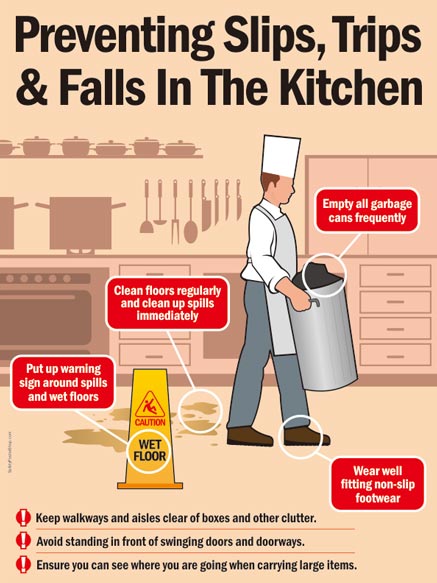
Image Source: www.safetypostershop.com
Creating a Secure Kitchen Environment
A safe kitchen is a well-maintained kitchen. This means regularly checking for and addressing potential dangers. Think of your kitchen as a place where good habits create a secure space for everyone.
Eliminating Slip Hazards
Wet or greasy surfaces are the primary reason for slips and falls. Tackling these fall hazards head-on is essential.
Common Slip Causes and Solutions:
- Spilled Liquids: Water, oil, juice, or any other liquid on the floor can create a slick surface.
- Immediate Cleanup: Wipe up spills immediately with a dry cloth or paper towels. For greasy spills, use a degreasing cleaner.
- Drip Mats: Place absorbent mats or towels around the dishwasher, sink, and refrigerator to catch drips.
- Grease Buildup: Cooking oil can splatter and create a greasy film on the floor over time.
- Regular Cleaning: Frequently clean your kitchen floor with a good degreaser. Pay attention to areas around the stove.
- Moisture from Under Appliances: Leaks from dishwashers, refrigerators, or ice makers can create hidden wet spots.
- Check for Leaks: Regularly inspect the base of these appliances for any signs of moisture. Fix leaks promptly.
- Ventilation: Ensure good ventilation in the kitchen to help dry up any ambient moisture.
Tackling Tripping Hazards
Beyond slips, tripping hazards pose another significant risk in the kitchen. These are obstacles that can cause you to catch your foot and fall.
Common Tripping Hazards and Prevention:
- Loose Rugs and Mats: Small rugs, especially those with worn edges or no non-slip backing, can easily fold or bunch up.
- Non-Slip Backing: Ensure all rugs and kitchen floor mats have a secure, non-slip backing.
- Secure Edges: Tuck rug edges under furniture or use rug grippers to keep them flat.
- Consider Fixed Flooring: For areas with high traffic or for elderly fall prevention, consider removing loose rugs and opting for flooring with inherent slip resistance.
- Electrical Cords and Appliance Cords: Cords draped across walkways or near counters can become a major tripping hazard.
- Cord Management: Use cord organizers, clips, or raceways to keep cords tidy and out of the way.
- Unplug When Not in Use: Unplug appliances when they are not in use to reduce the number of cords present.
- Avoid Extension Cords: If possible, avoid using extension cords in the kitchen. If necessary, use them safely and ensure they are not a tripping hazard.
- Open Cabinet Doors and Drawers: Leaving cabinet doors or drawers open is a classic kitchen accident prevention oversight.
- Close After Use: Make it a habit to close cabinets and drawers immediately after using them.
- Awareness: Be mindful of open doors and drawers when moving around the kitchen.
- Clutter on the Floor: Bags, boxes, or other items left on the kitchen floor create unnecessary obstacles.
- Keep Floors Clear: Maintain a clear pathway around your kitchen workspace. Store items properly.
- Uneven Flooring: Worn linoleum, cracked tiles, or raised thresholds can also be fall hazards.
- Repair Damaged Flooring: Address any issues with your flooring promptly.
- Transitions: Ensure smooth transitions between different flooring types.
Smart Kitchen Design and Layout
The way your kitchen is designed plays a significant role in preventing kitchen accidents. A well-thought-out layout minimizes movement across potentially hazardous areas.
Optimizing Workspace
- Clear Pathways: Ensure there are wide, unobstructed pathways between counters, appliances, and the entrance/exit of the kitchen. Aim for at least 3 feet of clearance.
- Logical Placement: Store frequently used items within easy reach to minimize reaching and bending, which can contribute to falls.
- Adequate Counter Space: Having enough counter space reduces the need to balance items precariously.
Lighting Matters
Good lighting is crucial for safe kitchen practices. It helps you see spills, obstacles, and potential hazards more clearly.
- Bright, Even Lighting: Ensure the entire kitchen is well-lit. Overhead lighting is good, but task lighting is also important.
- Under-Cabinet Lighting: This is excellent for illuminating countertops where food preparation occurs, reducing shadows.
- Night Lights: Consider low-level night lights for kitchens used at night, especially if elderly fall prevention is a concern. This helps navigate without turning on bright overhead lights.
Choosing the Right Flooring
The kitchen floor is your primary contact point. Selecting the right material and maintaining it properly is key to slip prevention.
Flooring Options and Their Benefits
| Flooring Type | Slip Resistance | Durability | Maintenance | Comfort |
|---|---|---|---|---|
| Vinyl | Good | Excellent | Easy | Good |
| Linoleum | Good | Very Good | Easy | Good |
| Tile (Ceramic/Porcelain) | Varies (check rating) | Excellent | Easy | Varies |
| Cork | Good | Good | Moderate | Excellent |
| Rubber | Excellent | Good | Easy | Excellent |
- Tile Considerations: Not all tiles are created equal. Look for tiles with a higher Coefficient of Friction (COF) rating, especially in kitchens. Matte finishes are generally less slippery than high-gloss finishes.
- Grout Maintenance: Ensure grout lines are sealed and clean. Cracking or crumbling grout can create uneven surfaces.
The Role of Kitchen Floor Mats
Kitchen floor mats are excellent tools for enhancing slip prevention and adding comfort.
- Placement: Place mats in high-traffic areas, in front of the sink, stove, and dishwasher.
- Material: Opt for mats made from absorbent and non-slip materials like rubber, vinyl, or high-quality microfiber.
- Secure Backing: As mentioned earlier, ensure mats have a non-slip backing to prevent them from sliding.
- Regular Cleaning: Mats can become tripping hazards if they are worn, curled, or dirty. Clean them regularly to keep them flat and functional.
Safe Kitchen Practices for All
Beyond environmental modifications, adopting safe kitchen practices is paramount for everyone. These are habits that become second nature with conscious effort.
Footwear in the Kitchen
Your choice of footwear can significantly impact your stability.
- Wear Supportive Shoes: Avoid walking around the kitchen in socks, slippers with smooth soles, or bare feet.
- Non-Slip Soles: Opt for shoes with good traction and non-slip soles. Sneakers or well-fitting shoes are ideal.
- Avoid High Heels: These greatly reduce stability and are best avoided in the kitchen.
Proper Lifting and Reaching Techniques
The kitchen often involves lifting heavy items and reaching for things on high shelves.
- Lifting:
- Bend your knees and lift with your legs, not your back.
- Keep the object close to your body.
- If an item is too heavy, ask for help or use a trolley.
- Reaching:
- Use a sturdy step stool with a non-slip top for items on high shelves. Never stand on chairs, especially swivel chairs.
- Ensure the step stool is stable before climbing.
- Avoid overreaching. If you can’t comfortably reach something, consider rearranging your storage.
Using Appliances Safely
- Read Manuals: Familiarize yourself with the operating instructions for all your kitchen appliances.
- Stable Placement: Ensure appliances like toasters, blenders, or stand mixers are placed on a stable, flat surface and plugged into appropriate outlets.
- Unplug When Cleaning: Always unplug appliances before cleaning them.
Food Preparation Safety
- Cutting Boards: Use cutting boards with a non-slip base or place a damp cloth underneath to prevent them from sliding on the counter.
- Knife Safety: Keep knives sharp (dull knives can be more dangerous as they require more force). Cut away from yourself. Store knives safely in a block or on a magnetic strip.
- Hot Liquids: Be cautious when handling hot liquids. Carry them with two hands and avoid distractions.
Special Considerations for the Elderly
Elderly fall prevention in the kitchen requires extra attention to detail and often involves reinforcing safe practices. As people age, balance, vision, and strength can decrease, increasing the risk of falls.
Vision and Lighting
- Regular Eye Exams: Ensure the elderly have regular eye exams and wear their prescribed glasses. Poor vision is a major contributor to falls.
- Enhanced Lighting: As mentioned, bright and even lighting, along with task lighting, is crucial.
Mobility Aids
- Handrails: If stairs are present leading to or within the kitchen, ensure sturdy handrails are installed.
- Grab Bars: Consider installing grab bars in strategic locations, such as near the stove or sink, if needed.
- Mobility Devices: If a walker or cane is used, ensure pathways are clear and free of tripping hazards.
Cognitive Changes
- Reminders: For individuals with mild cognitive impairment, gentle reminders about closing cabinets, wiping spills, and wearing appropriate footwear can be helpful.
- Simplicity: A simplified kitchen layout and minimized clutter can also aid those with cognitive changes.
Medication Review
- Side Effects: Some medications can cause dizziness or drowsiness, which increases the risk of falls. Regularly review medications with a doctor or pharmacist to discuss potential side effects.
Maintaining a Fall-Free Kitchen: A Checklist
Regularly reviewing and maintaining your kitchen’s safety can prevent many accidents. Here’s a simple checklist to help you:
Weekly Kitchen Safety Check:
- [ ] Wipe down all floors, especially around appliances and high-traffic areas, to remove grease and spills.
- [ ] Check all kitchen floor mats to ensure they are flat, clean, and have secure backing.
- [ ] Ensure all cabinet doors and drawers are closed properly.
- [ ] Check for any loose electrical cords and tidy them up.
- [ ] Make sure walkways are clear of any clutter.
Monthly Kitchen Safety Check:
- [ ] Inspect under appliances (dishwasher, refrigerator) for any signs of leaks.
- [ ] Check the condition of your flooring. Look for cracks, loose tiles, or worn areas.
- [ ] Assess lighting. Are there any burnt-out bulbs? Is the lighting still adequate?
- [ ] Review the placement of frequently used items. Can anything be moved to an easier-to-reach location?
- [ ] Ensure step stools are in good condition and stored safely.
Yearly Kitchen Safety Check:
- [ ] Deep clean all appliance interiors and exteriors, paying attention to splatter zones.
- [ ] Consider replacing worn-out kitchen floor mats.
- [ ] If you have significant flooring issues, plan for repairs or replacement.
- [ ] Re-evaluate your kitchen layout. Has your cooking style or needs changed?
- [ ] For elderly fall prevention, consider a professional home safety assessment.
Conclusion: Prioritizing Safety for a Peaceful Kitchen
The kitchen is the heart of the home, a place for nourishment and gathering. By proactively implementing safe kitchen practices, addressing fall hazards, and maintaining a vigilant approach to kitchen safety and slip prevention, we can transform this vital space into a haven free from the risks of accidents. Whether it’s simply wiping up a spill immediately or investing in appropriate kitchen floor mats, every small step contributes to a larger goal: a safe and enjoyable kitchen environment for everyone, especially when considering elderly fall prevention and overall home safety tips. Remember, preventing kitchen accidents is an ongoing commitment that pays dividends in peace of mind and well-being.
Frequently Asked Questions (FAQ)
Q1: What are the most common types of kitchen accidents?
The most common kitchen accidents include slips and falls due to wet or greasy floors, cuts from knives, burns from hot surfaces or liquids, and minor appliance-related injuries.
Q2: How can I make my kitchen floor less slippery?
To make your kitchen floor less slippery, clean up spills immediately, use degreasing cleaners regularly, ensure appliances don’t leak, use kitchen floor mats with non-slip backing in key areas, and choose flooring with good slip resistance, like textured tiles or vinyl.
Q3: Is it safe for the elderly to cook alone?
It can be safe for the elderly to cook alone, provided the kitchen is made as safe as possible with features like good lighting, clear pathways, easy-to-reach storage, and they use appropriate safety measures. Regular check-ins or assistance might be necessary depending on individual needs and elderly fall prevention strategies.
Q4: What is the best type of flooring for preventing falls in the kitchen?
Flooring with a high Coefficient of Friction (COF) rating is best. Options like textured ceramic or porcelain tiles, vinyl, linoleum, cork, and rubber are generally good choices for slip prevention. Always check the COF rating if possible.
Q5: How often should I check my kitchen for safety hazards?
It’s recommended to perform a quick visual check daily for spills and clutter. A more thorough safety check, including inspecting appliances and flooring, should be done at least monthly, with deeper cleaning and checks done annually.
Q6: Can I use a rug in front of my sink?
Yes, you can use a rug in front of your sink, but it’s crucial that it has a non-slip backing to prevent it from sliding and becoming a tripping hazard. It should also be absorbent to catch water drips.
Q7: What should I do if I spill oil on the kitchen floor?
If you spill oil, address it immediately. Sprinkle an absorbent material like baking soda or cornstarch on the spill to soak up the oil. Let it sit for a few minutes, then sweep it up and clean the area with a degreasing cleaner to remove any residue.
Q8: Why are cords a tripping hazard in the kitchen?
Cords can create tripping hazards because they lie across walking paths. If they are not secured or are loosely placed, you can easily catch your foot on them, leading to a fall. Keeping cords tidy and out of the way is a key part of kitchen safety.