
To ask “How do you say kitchen in French?”, the most common answer is la cuisine. This simple phrase unlocks a world of French culinary and home life. We’ll delve into this and explore its nuances for your French vocabulary.
The kitchen, or la cuisine, is the heart of many homes. It’s where delicious meals are born, where families gather, and where the magic of cooking happens. In French, just like in English, this room holds a special significance. Beyond just the word itself, exploring French culture through its language reveals fascinating insights into food, dining, and the everyday routines within a house. Whether you’re planning a trip to France, learning French for fun, or simply curious about culinary terms, this guide will equip you with the knowledge you need.
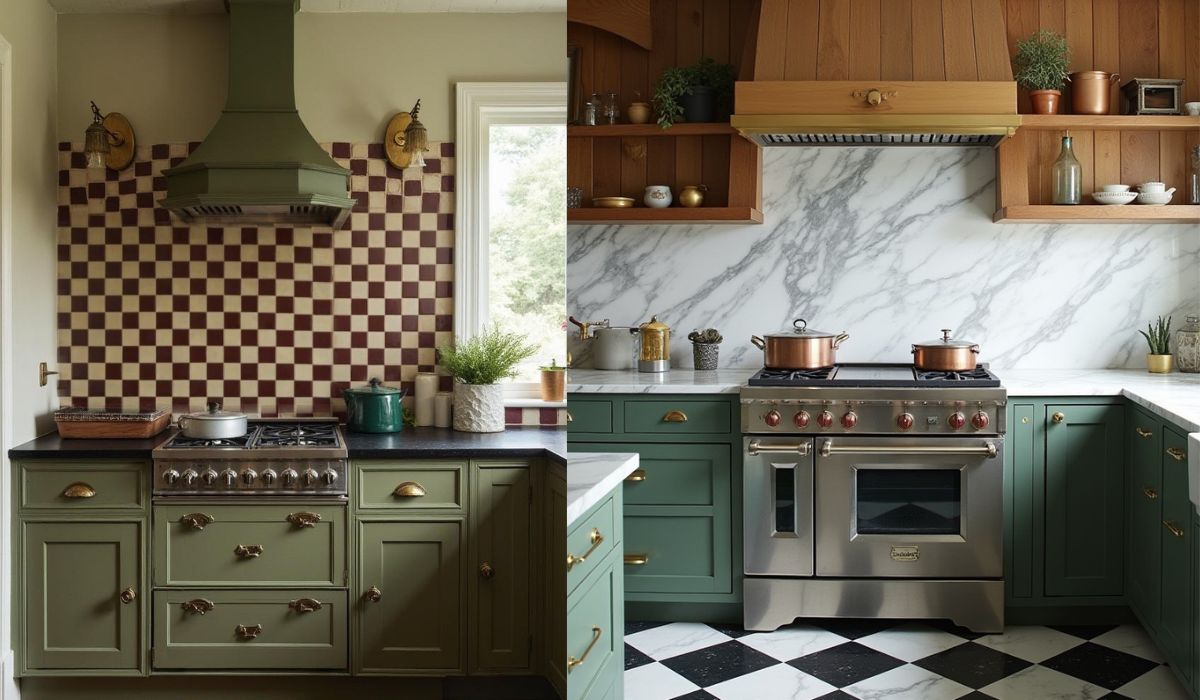
Image Source: mosaics.co
The Core Word: “La Cuisine”
When you want to refer to the kitchen in French, the primary word you’ll use is la cuisine. This noun is feminine, which is why it takes the article “la”. It’s a versatile term that can refer to the physical space within your home where food is prepared, as well as the art or style of cooking itself.
Where it all Begins: The Space
The physical room designated for food preparation and cooking is most commonly called la cuisine in French. Imagine walking into a typical French house; the area where ingredients are transformed into delightful dishes is la cuisine. This is where you’ll find the stove, oven, sink, and all the essential tools for cooking and food preparation.
The Art of French Eating
Interestingly, the word cuisine also refers to the style of cooking or the culinary traditions of a region or country. For example, you might hear about “la cuisine française” (French cuisine) or “la cuisine italienne” (Italian cuisine). This dual meaning highlights the importance of food and its creation in French culture. It’s not just about the place; it’s also about the craft.
Using “La Cuisine” in Sentences
Let’s look at how you can use la cuisine in everyday French sentences. This will help you integrate the word naturally into your conversations.
Basic Statements
- Je suis dans la cuisine. (I am in the kitchen.)
- Ma cuisine est grande. (My kitchen is big.)
- Il faut nettoyer la cuisine. (The kitchen needs cleaning.)
Talking About Activities
- Je prépare le dîner dans la cuisine. (I am preparing dinner in the kitchen.)
- On mange dans la cuisine. (We eat in the kitchen.) – This can also imply a casual dining setup.
- Il aime cuisiner dans sa nouvelle cuisine. (He likes to cook in his new kitchen.)
Beyond “La Cuisine”: Related Vocabulary
While la cuisine is the main word, there are other related terms that enrich your vocabulary when discussing this important room in the home.
Other Terms for the Kitchen Area
Sometimes, especially in older houses or certain contexts, you might encounter other ways to refer to the kitchen area, though la cuisine remains the most prevalent.
- La pièce où l’on cuisine (The room where one cooks) – This is more descriptive than a single word, but clearly indicates the function of the room.
- L’office – Historically, this referred to a pantry or scullery, often adjacent to the kitchen, where less complex food preparation might occur or where dishes were stored. While not a direct synonym for the main cooking room, it’s a related term in a larger culinary context within a house.
Describing the Kitchen
You might want to describe your kitchen. Here are some useful adjectives and phrases:
| Adjective | Meaning | Example Sentence |
|---|---|---|
| Grande | Big | Ma cuisine est très grande. (My kitchen is very big.) |
| Petite | Small | C’est une petite cuisine. (It is a small kitchen.) |
| Moderne | Modern | J’adore ma cuisine moderne. (I love my modern kitchen.) |
| Ancienne | Old/Antique | La maison a une ancienne cuisine. (The house has an old kitchen.) |
| Lumineuse | Bright/Sunny | La cuisine est très lumineuse. (The kitchen is very bright.) |
| Équipée | Equipped | Ma cuisine est bien équipée. (My kitchen is well-equipped.) |
| Propre | Clean | La cuisine doit être propre. (The kitchen must be clean.) |
| Salle à manger | Dining room | While not the kitchen itself, it’s where the eating happens after food preparation. |
The Act of Cooking
The act of cooking itself is cuisiner. This verb is fundamental to the kitchen’s purpose.
- Je vais cuisiner un gâteau. (I am going to cook a cake.)
- Elle cuisine très bien. (She cooks very well.)
The Kitchen in French Culture
The kitchen plays a central role in French life. It’s more than just a functional space; it’s a place for creativity, family bonding, and the celebration of food.
Gathering Place
In many French homes, the cuisine is the primary gathering spot. While there might be a separate dining room, the cuisine is often where informal meals, conversations, and shared moments happen. It’s the room where the aromas of delicious food fill the air, bringing people together.
Culinary Excellence
France is renowned for its cuisine. The emphasis on fresh ingredients, skilled preparation, and artistic presentation is deeply ingrained. The cuisine is where this tradition comes to life. From simple weeknight meals to elaborate holiday feasts, the cuisine is the stage for this culinary artistry.
Eating Habits
The French have a strong appreciation for food and the dining experience. Even daily meals are often savored. This appreciation starts with the preparation in the cuisine.
Common Misconceptions and Clarifications
It’s good to be precise when learning a new language. Let’s clarify a few points.
“Cuisine” vs. “Salle à Manger”
- La cuisine is specifically the room for cooking and food preparation.
- La salle à manger is the dining room, where meals are formally eaten. While you might have a small table in your cuisine for casual eating, the dedicated dining room is la salle à manger.
“Cuisine” as a Style
Remember that cuisine also refers to a style of cooking. So, if someone asks about your favorite cuisine, they’re asking about your favorite type of food or cooking style, not the room in your home.
Essential Kitchen Items in French
To truly talk about the cuisine, knowing some common kitchen items is helpful.
Utensils and Appliances
| French Word | English Translation |
|---|---|
| Le four | The oven |
| La cuisinière | The stove (cooker) |
| Le réfrigérateur | The refrigerator |
| L’évier | The sink |
| La table | The table |
| La chaise | The chair |
| Les couverts | The cutlery |
| Les assiettes | The plates |
| Les verres | The glasses |
| Les casseroles | The saucepans |
| Les poêles | The frying pans |
| Le couteau | The knife |
| La cuillère | The spoon |
| La fourchette | The fork |
| Le micro-ondes | The microwave |
| Le lave-vaisselle | The dishwasher |
Food and Ingredients
The cuisine is where all the food preparation takes place.
- Les légumes (Vegetables)
- Les fruits (Fruits)
- La viande (Meat)
- Le poisson (Fish)
- Le pain (Bread)
- Le fromage (Cheese)
- Les épices (Spices)
Practical Scenarios
Let’s imagine some real-life situations where you’d use these French terms.
Scenario 1: Asking for Directions in a House
You’re visiting a friend’s house in France.
“Où est la cuisine, s’il vous plaît ?” (Where is the kitchen, please?)
Your friend might reply: “La cuisine est au bout du couloir.” (The kitchen is at the end of the hallway.)
Scenario 2: Discussing Meal Preparation
You’re talking with a French friend about cooking.
“Qu’est-ce que tu prépares dans la cuisine aujourd’hui ?” (What are you preparing in the kitchen today?)
“Je fais une ratatouille, c’est une spécialité de la cuisine provençale.” (I’m making ratatouille, it’s a specialty of Provençal cuisine.)
Scenario 3: Describing Your Home
When describing your home, you might say:
“Ma maison a une cuisine spacieuse et bien équipée.” (My house has a spacious and well-equipped kitchen.)
Variations and Nuances
While la cuisine is the standard, context can sometimes influence how we talk about this room.
The “Kitchenette”
For a very small or compact kitchen, you might hear une kitchenette. This is very similar to the English word “kitchenette” and refers to a small, often basic, kitchen area, sometimes found in studios or small apartments.
The “Coin Cuisine”
In smaller living spaces, like a studio apartment, the cuisine might be integrated into the main living room. This area is often referred to as un coin cuisine (a kitchen corner). It signifies a designated space for cooking within a larger multi-purpose room.
Conclusion: Mastering “La Cuisine”
Knowing how to say kitchen in French, la cuisine, is a foundational step in your French language journey. This single word opens up conversations about food, cooking, dining, and the very heart of the home. Whether you’re referring to the room itself, the art of culinary preparation, or the rich traditions of French cuisine, la cuisine is your key.
So, next time you’re in a French-speaking environment, don’t hesitate to use la cuisine. It’s a word that carries a lot of cultural weight and is essential for navigating daily life and appreciating the French way of eating and living. Keep practicing, and you’ll soon be using la cuisine with confidence!
Frequently Asked Questions (FAQ)
Q1: Is there only one way to say “kitchen” in French?
A1: The most common and widely understood word for kitchen is la cuisine. You might also hear une kitchenette for a very small kitchen or un coin cuisine for a kitchen area within a larger room.
Q2: Does “la cuisine” refer to the act of cooking too?
A2: Yes, la cuisine can refer to the physical room as well as the style or art of cooking (e.g., French cuisine).
Q3: What is the French word for “dining room”?
A3: The French word for dining room is la salle à manger.
Q4: How do I ask “Where is the kitchen?” in French?
A4: You can ask: “Où est la cuisine, s’il vous plaît ?”
Q5: Can “la cuisine” be used to describe the food itself?
A5: No, la cuisine refers to the room or the style of cooking. For the food itself, you would use words like la nourriture (food in general) or specific names of dishes.