
The perfect kitchen cabinet height hinges on a balance of accessibility, ergonomics, and kitchen design. Typically, base cabinets are 34.5 inches high before the countertop is added, with standard wall cabinets mounted 15-18 inches above the countertop. However, these aren’t rigid rules, and the ideal height can vary based on individual needs and kitchen layouts.
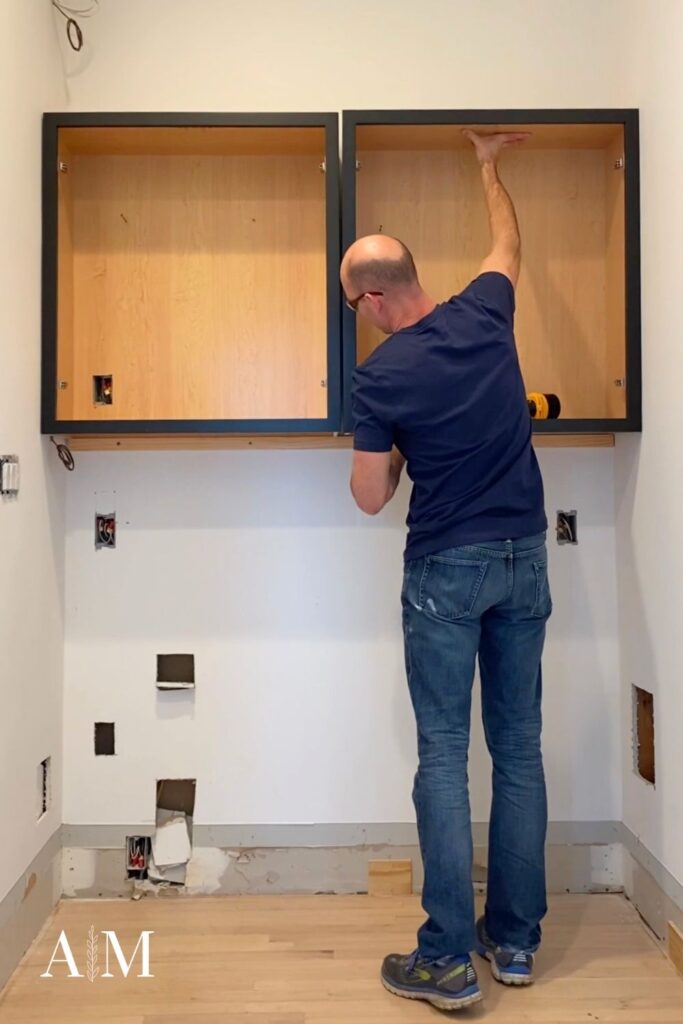
Image Source: archedmanor.com
Deciphering Kitchen Cabinet Heights: A Comprehensive Guide
When planning or renovating a kitchen, one of the most fundamental questions revolves around kitchen cabinet height. Getting this right is crucial for both functionality and aesthetics. Too high, and items become difficult to reach; too low, and you might find yourself bending excessively. This guide delves deep into the world of kitchen cabinet dimensions, exploring standard cabinet dimensions, the specifics of base cabinet height, wall cabinet height, upper cabinet height, the critical countertop to upper cabinet distance, the nuances of kitchen cabinet spacing, typical kitchen cabinet sizes, what constitutes a comfortable cabinet height, and finally, the practicalities of kitchen cabinet installation height.
The Foundation: Base Cabinet Height
The base cabinet height is the starting point for most kitchen designs. These cabinets sit directly on the floor and form the base for your countertops.
Standard Base Cabinet Dimensions
In North America, the standard height for a base cabinet, before a countertop is added, is 34.5 inches. This measurement is a widely adopted industry standard. Why 34.5 inches? It’s an ergonomic choice designed to work with standard countertop thicknesses.
- Typical Countertop Thickness: Countertops generally range from 1.5 to 2 inches thick.
- Resulting Countertop Height: When you add a typical 1.5-inch countertop to a 34.5-inch base cabinet, you achieve a standard working countertop height of 36 inches. This 36-inch height is considered the most comfortable and efficient for the majority of adults for tasks like chopping vegetables, kneading dough, or mixing ingredients.
Variations in Base Cabinet Height
While 34.5 inches is standard, there are reasons why you might opt for a different base cabinet height:
- Custom Countertop Thickness: If you plan to use a thicker countertop material, like a substantial piece of granite or a butcher block that’s 3 inches thick, you might adjust the base cabinet height accordingly to maintain the desired 36-inch finished countertop height. For example, a 33-inch base cabinet with a 3-inch countertop would also result in a 36-inch working surface.
- Ergonomic Considerations: Individuals who are significantly taller or shorter than average might find a standard 36-inch countertop height uncomfortable.
- Taller individuals might prefer a countertop height of 37-38 inches. This can be achieved by using taller base cabinets (e.g., 35.5 or 36 inches before the countertop).
- Shorter individuals might benefit from a slightly lower countertop height, perhaps 34-35 inches. This could involve using shorter base cabinets (e.g., 32.5 or 33 inches before the countertop) or opting for a thinner countertop.
- Appliance Integration: The height of your appliances, particularly dishwashers and ranges, can also influence base cabinet height. Most standard dishwashers are designed to fit under a 36-inch countertop. If you’re using a slide-in range, its height will often dictate the countertop height.
Base Cabinet Depth
Beyond height, depth is another key dimension for base cabinets.
- Standard Depth: The typical depth for a base cabinet is 24 inches. This provides ample space for storage and allows for standard appliance installation, such as ovens and dishwashers, which are usually 24 inches deep.
- Countertop Overhang: The countertop will typically overhang the base cabinet by 1 to 1.5 inches, extending beyond the 24-inch cabinet depth to provide a comfortable reach and protect the cabinet from spills.
Reaching New Heights: Wall Cabinet Placement
Wall cabinet height, often referred to as upper cabinet height, is the next critical consideration. Their placement directly impacts the usability of your kitchen workspace and the overall visual balance of the room.
The Crucial Countertop to Upper Cabinet Distance
The space between your countertop and the bottom of your upper cabinets is known as the countertop to upper cabinet distance. This is perhaps the most vital measurement for wall cabinets, as it directly affects your working comfort and the practicality of using the space above your counters.
- The Standard Spacing: The most common and recommended kitchen cabinet spacing between the countertop and the bottom of the upper cabinets is 18 inches.
- Why 18 Inches? This distance offers a good balance:
- Working Space: It provides ample vertical clearance for most people to comfortably perform tasks on the countertop without hitting their heads or feeling cramped. You can easily stand and chop, mix, or use small appliances.
- Appliance Clearance: This height is generally sufficient to accommodate most standard-sized small appliances, such as blenders, toasters, and coffee makers, when they are placed on the counter.
- Visual Balance: 18 inches creates a visually pleasing proportion between the base cabinets and wall cabinets, preventing the upper cabinets from appearing too low and imposing, or too high and out of reach.
Variations in Wall Cabinet Spacing
While 18 inches is the standard, several factors might lead you to adjust this kitchen cabinet spacing:
- Taller or Shorter Individuals: Similar to base cabinets, personal height plays a role.
- Taller individuals may prefer a slightly larger gap, perhaps 20-22 inches, to provide more headroom and workspace.
- Shorter individuals might find a 15-17 inch gap more accessible for reaching items stored in the upper cabinets.
- Ventilation Hoods: If you are installing a range hood above your stove, the required clearance between the cooktop and the hood will dictate the height of any upper cabinets mounted nearby. Always follow the manufacturer’s recommendations for the hood.
- Specialty Appliances: If you plan to place a microwave or other appliance on the countertop that requires significant vertical space, you might need to increase the countertop to upper cabinet distance. Some homeowners opt for a microwave shelf or cabinet designed specifically for this purpose.
- Aesthetic Preferences: Some designers opt for a more minimalist look with higher-mounted cabinets to create a sense of openness and airiness. Conversely, lower cabinets can create a cozier feel.
Standard Wall Cabinet Dimensions
Beyond their placement, the dimensions of the wall cabinets themselves are also important.
- Typical Wall Cabinet Height: The most typical kitchen cabinet sizes for wall cabinets are 30 inches, 36 inches, and 42 inches. The choice of height often depends on the ceiling height and how much space you want to fill.
- A 30-inch wall cabinet, when mounted 18 inches above the counter, will reach 72 inches from the floor (30 + 18 + 24 inches of base cabinet height if that were relevant to the wall cabinet’s top). More relevantly, it will leave 18 inches of clear space.
- A 36-inch wall cabinet, mounted 18 inches above the counter, will reach 78 inches from the floor. This is a very common height that utilizes a good portion of the wall space without feeling overwhelming.
- A 42-inch wall cabinet, mounted 18 inches above the counter, will reach 84 inches from the floor. This is ideal for kitchens with standard 8-foot ceilings, reaching almost to the ceiling and providing maximum storage. For higher ceilings, 48-inch or even custom-height cabinets might be used.
- Standard Wall Cabinet Depth: The typical depth for a wall cabinet is 12 inches. This depth is sufficient for storing most dishes, glasses, and pantry items without protruding too far into the kitchen, which could be a hazard. Deeper wall cabinets (e.g., 15 or 18 inches) are available but are less common and can make the kitchen feel smaller.
- Standard Wall Cabinet Width: Wall cabinets come in a wide range of widths, from 9 inches to 60 inches or more, allowing for flexible design configurations.
Beyond the Standard: Customizing Your Cabinet Heights
While standard cabinet dimensions are a useful starting point, a truly comfortable cabinet height and a functional kitchen often require customization.
Ergonomics and Accessibility: The Human Factor
The concept of a comfortable cabinet height is deeply personal. What is comfortable for one person might not be for another.
- Reach: Consider the shortest adult who will regularly use the kitchen. Can they comfortably reach the most frequently used items in the upper cabinets? Can they access the back of the shelves without difficulty?
- Bending and Stooping: For base cabinets and countertops, consider the ease of working at that height. If a particular height causes strain on your back or knees, it’s not the right height for you.
- Multi-Generational Households: In homes with children and elderly individuals, accessibility becomes even more important. Consider if there are needs for lower shelves or specific storage solutions.
Tailoring for Specific Needs
- Disability Access: For individuals with mobility issues or who use wheelchairs, lower countertops (around 30-34 inches) and accessible base cabinets (without toe kicks or with wider clearances) are essential. Wall cabinets might be placed lower or include pull-down shelving mechanisms.
- Baking Stations: Dedicated baking areas might benefit from slightly lower countertops to make kneading dough more comfortable.
- Children’s Kitchen Areas: Some kitchens incorporate lower sections for children’s use, such as a small counter and sink for them to help with cooking or washing up.
The Practicalities of Kitchen Cabinet Installation Height
Kitchen cabinet installation height is where design meets execution. Precise measurements and careful installation are key to achieving the desired results.
The Installation Process: Key Considerations
- Leveling: Both base and wall cabinets must be perfectly level and plumb. This ensures that doors and drawers operate smoothly and that the cabinetry looks professional.
- Support: Wall cabinets need to be securely fastened to wall studs. The weight of items stored in them, plus the cabinets themselves, requires robust support.
- Electrical and Plumbing: Ensure that the installation accounts for existing or planned electrical outlets, plumbing lines, and ventilation. Drilling through cabinets for these services should be avoided if possible.
- Countertop Integration: The kitchen cabinet installation height of the base cabinets must be precise to ensure the countertop sits level and fits snugly against the wall and any backsplash.
Using Shims and Adjustments
Even with careful planning, minor adjustments are often needed during installation. Shims are commonly used to:
- Level base cabinets on uneven floors.
- Plumb wall cabinets against slightly out-of-plumb walls.
- Ensure a perfect fit between cabinets and against walls.
Typical Kitchen Cabinet Sizes: A Quick Reference
Here’s a summary of typical kitchen cabinet sizes for a standard kitchen:
| Cabinet Type | Standard Height (Inches) | Standard Depth (Inches) | Standard Widths (Inches) |
|---|---|---|---|
| Base Cabinet | 34.5 (before countertop) | 24 | 9 to 60+ |
| Wall Cabinet | 30, 36, 42 (common) | 12 | 9 to 60+ |
| Countertop | ~36 (finished height) | ~25-25.5 (with overhang) | N/A |
| Spacing | |||
| Counter-to-Wall Cabinet | 15-18 (ideal 18) | N/A | N/A |
Note: These are general guidelines. Custom cabinetry can be made to virtually any dimension.
Frequently Asked Questions About Kitchen Cabinet Heights
Q1: What is the standard height for kitchen cabinets?
A1: The standard height for base cabinets before adding a countertop is 34.5 inches. This, combined with a typical 1.5-inch countertop, results in a standard working countertop height of 36 inches. For wall cabinets, the standard kitchen cabinet spacing from the countertop is 18 inches, and common wall cabinet height options are 30, 36, or 42 inches.
Q2: Can I install my upper cabinets higher or lower than 18 inches from the countertop?
A2: Yes, you can. While 18 inches is the standard and generally recommended countertop to upper cabinet distance for ergonomic and practical reasons, you might adjust this. Taller individuals may prefer 20-22 inches for more headroom, while shorter individuals might opt for 15-17 inches for easier access. Always consider what feels most comfortable cabinet height for you and your household, as well as any appliances that might go between the counters and cabinets.
Q3: What is the standard depth of kitchen cabinets?
A3: Standard base cabinets are typically 24 inches deep, allowing for appliance installation. Standard wall cabinets are usually 12 inches deep to avoid protruding too far into the kitchen space.
Q4: How do I determine the right kitchen cabinet height for my kitchen?
A4: Consider the height of the primary users of the kitchen. Measure their comfortable reach and working heights. Think about the appliances you’ll be using and their height requirements. For the countertop to upper cabinet distance, stand at your counter and assess how much space you need for comfortable work and appliance use. Also, consider your ceiling height when choosing wall cabinet height to maximize storage and visual appeal.
Q5: What are typical kitchen cabinet sizes?
A5: Typical kitchen cabinet sizes include base cabinets that are 34.5 inches high and 24 inches deep, and wall cabinets that are commonly 30, 36, or 42 inches high and 12 inches deep. Widths vary greatly.
Q6: Does the kitchen cabinet installation height affect the overall kitchen design?
A6: Absolutely. The kitchen cabinet installation height significantly impacts the kitchen’s visual balance and flow. Proper spacing creates a functional workspace, while cabinet heights can make a kitchen feel more spacious or more intimate. For example, higher wall cabinets can make a room with a high ceiling feel grander, while lower cabinets might make a smaller kitchen feel more open.
Q7: What if I’m much taller or shorter than average? How does that affect cabinet height?
A7: If you are significantly taller, you might opt for taller base cabinets to raise your countertop height (e.g., 35.5-36 inches before countertop for a 37-38 inch finished height) and a greater countertop to upper cabinet distance (e.g., 20-22 inches). If you are shorter, consider shorter base cabinets (e.g., 32.5-33 inches before countertop for a 34-35 inch finished height) and a smaller countertop to upper cabinet distance (e.g., 15-17 inches) to improve accessibility and comfortable cabinet height.
Q8: Can I have different heights for different kitchen zones?
A8: Yes, you can. Many kitchens incorporate zones with different heights. For example, a baking station might have a lower countertop, or an island might have a raised breakfast bar section. These variations can enhance both functionality and design.
In conclusion, while standard cabinet dimensions provide a reliable framework, achieving the “perfect height” for your kitchen cabinets is a personalized endeavor. By carefully considering ergonomics, user needs, and the overall kitchen design, you can ensure your cabinetry is as beautiful as it is functional, creating a space that truly works for you.