
The most common question regarding kitchen cabinets is, “How high is a kitchen cabinet?” Standard kitchen cabinet height for upper cabinets typically ranges from 30 to 42 inches, while base cabinets are usually 34.5 inches high before countertop installation. This article will delve into the intricacies of kitchen cabinet height, exploring standard kitchen cabinet dimensions, the factors influencing these measurements, and how they impact your kitchen’s functionality and aesthetic.
When planning a kitchen renovation or building a new home, understanding the precise measurements of cabinetry is crucial. This knowledge ensures that your kitchen is not only beautiful but also highly functional, catering to your specific needs and preferences. We’ll break down the typical heights for both upper and base cabinets, discuss common depths, and touch upon installation considerations for the optimal kitchen cabinet height.
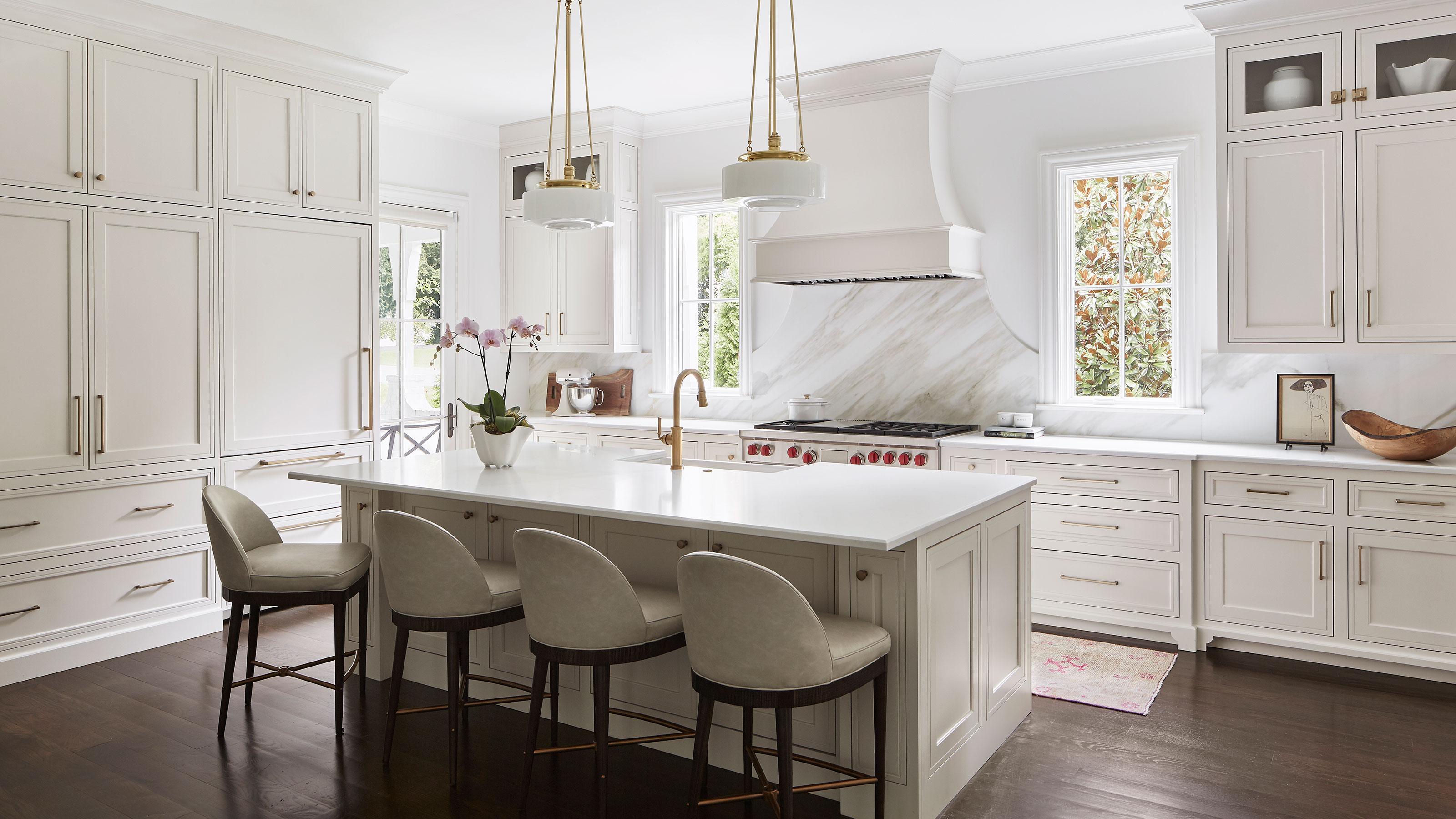
Image Source: cdn.mos.cms.futurecdn.net
Decoding Standard Kitchen Cabinet Dimensions
The world of kitchen cabinetry is governed by established norms that ensure compatibility and ease of use. These standard kitchen cabinet dimensions provide a foundation for kitchen design, allowing for seamless integration of appliances, countertops, and everyday kitchen activities.
Base Cabinets: The Foundation of Your Kitchen
Base cabinets are the workhorses of the kitchen, providing storage at an accessible level and supporting the countertop. Their height is a critical factor in determining the overall ergonomics of your kitchen.
Base Cabinet Height:
The standard height for base cabinets, before a countertop is added, is 34.5 inches. This measurement is meticulously chosen. When a standard 1.5-inch thick countertop is installed, the total height from the floor to the top of the counter becomes 36 inches. This 36-inch standard counter height is a universal benchmark in kitchens worldwide. It’s designed to be comfortable for most adults to work at, whether they are chopping vegetables, mixing ingredients, or simply leaning against it.
The 34.5-inch height for the cabinet box itself allows for this standard countertop thickness. This ensures that when you purchase standard-sized appliances like dishwashers or under-counter refrigerators, they will fit perfectly beneath the countertop.
Base Cabinet Depth:
Beyond height, the depth of base cabinets is also a key dimension. Standard base cabinets typically have a depth of 24 inches. This depth provides ample space for storing pots, pans, small appliances, and food items. It also allows for a comfortable workspace on the countertop, ensuring you have enough room to prepare meals without feeling cramped. The 24-inch depth also accommodates the standard depth of most kitchen appliances, maintaining a cohesive and flush appearance along the cabinet line.
Upper Cabinets: Reaching for Storage and Style
Upper cabinets, also known as wall cabinets, are mounted on the wall above the base cabinets. They offer valuable storage space for dishes, glasses, pantry items, and decorative pieces. Their height and placement are crucial for both accessibility and visual balance in the kitchen.
Upper Cabinet Height:
The upper cabinet height can vary significantly to suit design preferences and ceiling heights. However, there are common ranges:
- 30 inches: This is a very popular height, particularly in kitchens with standard 8-foot ceilings. When mounted 18 inches above the counter, a 30-inch upper cabinet reaches a height of 78 inches from the floor, leaving a comfortable 18 inches of backsplash space.
- 36 inches: For kitchens with higher ceilings or a desire for more storage, 36-inch upper cabinets are a great option. Mounted at the same 18-inch backsplash height, these cabinets will reach 84 inches from the floor. This can create a more substantial and impactful look.
- 42 inches: In kitchens with 9-foot or taller ceilings, 42-inch upper cabinets can be used to maximize storage and fill the vertical space. Mounted at the standard 18-inch backsplash height, they reach 90 inches from the floor.
The choice of upper cabinet height is often dictated by the overall ceiling height and the desired visual impact. Taller cabinets can make a kitchen feel grander, while shorter cabinets might be chosen for a more traditional aesthetic or to accommodate specific architectural features.
Upper Cabinet Depth:
The typical depth for upper cabinets is 12 inches. This depth is sufficient for most everyday kitchen items, such as plates, bowls, cups, and spices. A 12-inch depth also ensures that the upper cabinets do not protrude too far into the kitchen, maintaining adequate clearance for movement and preventing them from feeling overwhelming. Deeper upper cabinets are available but are less common and can sometimes make the kitchen feel smaller or less accessible.
Factors Influencing Kitchen Cabinet Height and Placement
While standard kitchen cabinet dimensions provide a baseline, several factors can influence the final kitchen cabinet installation height and overall configuration.
Ceiling Height: The Ultimate Vertical Constraint
The most significant factor dictating upper cabinet height is your ceiling height.
- 8-foot Ceilings: For standard 8-foot ceilings, 30-inch or 36-inch upper cabinets are generally the most practical choices. Using 30-inch cabinets with a standard 18-inch backsplash leaves 18 inches of wall space above the cabinets, which can be used for decorative molding or simply left as a visual break. If you opt for 36-inch cabinets, you might have very little space above them, or you may need to adjust the backsplash height slightly.
- 9-foot Ceilings: With 9-foot ceilings, you have more flexibility. 36-inch or even 42-inch upper cabinets can be used effectively. 36-inch cabinets will leave a 12-inch gap above them for a decorative frame or crown molding, while 42-inch cabinets will nearly reach the ceiling, creating a more integrated look.
- 10-foot+ Ceilings: For very high ceilings, you might consider stacking cabinets or using taller cabinets combined with extensive crown molding to fill the vertical space. This creates a dramatic and luxurious feel.
Backsplash Height: The Gap Between Counter and Cabinet
The space between the countertop and the upper cabinets, known as the backsplash area, is typically 18 inches. This height is practical for most cooking activities, allowing ample room for splashing and easy cleaning.
- Standard Backsplash Height: 18 inches.
- Factors Affecting Backsplash Height: Sometimes, the backsplash can be adjusted. If you have an under-cabinet range hood that requires more clearance, the upper cabinets might be mounted slightly higher. Conversely, if you have a decorative tile backsplash that you want to showcase, you might opt for slightly shorter upper cabinets.
User Ergonomics and Accessibility: Tailoring to Your Needs
While standard heights are designed for average users, your personal needs can influence optimal kitchen cabinet height.
- Height of Users: If the primary users of the kitchen are exceptionally tall or short, minor adjustments to the standard counter height or upper cabinet placement might be considered. For example, a taller individual might prefer a slightly higher counter, or a shorter individual might want upper cabinets mounted a bit lower for easier access. However, significant deviations from standard heights can affect appliance compatibility and resale value.
- Specific Tasks: If you frequently use tall appliances that need to be stored on the counter, you might need to consider the clearance provided by upper cabinets. Similarly, if you have very specific storage needs that require taller items to be stored in upper cabinets, the height of those cabinets becomes more critical.
Design Aesthetics: Creating Visual Harmony
The height of kitchen cabinets plays a significant role in the overall design and feel of the kitchen.
- Filling Vertical Space: Taller upper cabinets, especially those that reach close to the ceiling, can create a sense of grandeur and luxury, making the kitchen feel more expansive.
- Visual Balance: The relationship between base cabinets, backsplash, and upper cabinets needs to be visually balanced. The chosen cabinet heights should complement the proportions of the room.
- Style of Cabinetry: Some cabinet styles inherently lend themselves to certain heights. For example, a more traditional kitchen might feature shorter upper cabinets with decorative molding, while a modern kitchen might opt for sleek, taller cabinets that extend closer to the ceiling.
Variations in Cabinetry: Beyond the Standards
While the dimensions discussed are standard, there are instances where custom or semi-custom cabinetry might deviate.
Custom Cabinetry: Tailoring to the Unique
For those with unique kitchen layouts or specific storage requirements, custom cabinetry offers the ultimate flexibility. This can involve:
- Custom Base Cabinet Heights: If you have a specific countertop material with a non-standard thickness, or if you require a custom counter height for ergonomic reasons, base cabinets can be manufactured to your exact specifications.
- Custom Upper Cabinet Heights: Custom upper cabinets can be designed to perfectly fill a specific wall space or to accommodate unique architectural features like vaulted ceilings or sloped walls.
- Varying Depths: While 12 inches is standard for upper cabinets and 24 inches for base cabinets, custom options can include shallower or deeper cabinets if needed. For instance, deeper upper cabinets might be used for specialized storage, or shallower base cabinets in tighter spaces.
Semi-Custom and Stock Cabinetry: Navigating Options
Most homeowners will encounter semi-custom and stock cabinetry.
- Stock Cabinets: These are pre-manufactured cabinets available in a limited range of standard sizes. They are the most budget-friendly option.
- Semi-Custom Cabinets: These offer more flexibility, allowing for a wider range of sizes, finishes, and styles. You can often find variations in height and width to better fit your kitchen space.
When choosing semi-custom or stock cabinets, it’s important to work within the available dimensions to achieve the best possible fit and functionality.
How to Measure and Plan Your Cabinet Heights
Accurate measurement is paramount when planning your kitchen cabinet installation.
Measuring Your Space
- Measure Ceiling Height: Start by measuring the height of your ceiling in multiple locations to account for any variations.
- Measure Wall Widths: Determine the linear footage of wall space available for cabinetry.
- Measure Countertop Area: If you have existing countertops, measure their height from the floor. If you are installing new countertops, factor in their intended thickness.
- Note Appliance Locations: Mark the precise locations where your major appliances (refrigerator, dishwasher, oven, range hood) will be situated, as these often have specific clearance requirements.
Planning Your Cabinet Layout
When designing your kitchen layout, consider the following regarding kitchen cabinet installation height:
- Work Zones: Think about how you use your kitchen. Place frequently used items in easily accessible cabinets. Consider the height of shelves within cabinets for optimal reach.
- Appliance Integration: Ensure adequate clearance above and around appliances. For example, an oven or range hood will dictate the minimum height for upper cabinets in that area.
- Visual Flow: Aim for a consistent and pleasing visual flow throughout the kitchen. This might involve using cabinets of the same height or strategically varying heights for design interest.
- Accessibility: If mobility is a concern, consider how the cabinet heights affect ease of use. Lowering some upper cabinets or ensuring sufficient counter space at an ergonomic height can be beneficial.
Common Cabinet Heights in Summary
To provide a clear overview, here’s a summary of typical kitchen cabinet dimensions:
| Cabinet Type | Standard Height (inches) | Standard Depth (inches) | Typical Ceiling Height Consideration (feet) |
|---|---|---|---|
| Base Cabinet | 34.5 (before counter) | 24 | N/A |
| Upper Cabinet | 30, 36, 42 | 12 | 8, 9, 10+ |
Note: Countertop thickness is typically 1.5 inches, bringing the total counter height to 36 inches.
Frequently Asked Questions About Kitchen Cabinet Height
Here are some common questions homeowners have regarding kitchen cabinet height:
Q1: What is the standard height for kitchen cabinets?
A1: The standard height for base cabinets is 34.5 inches before countertop installation, resulting in a 36-inch standard counter height. Upper cabinets typically come in heights of 30, 36, or 42 inches.
Q2: How high should upper cabinets be mounted?
A2: Upper cabinets are usually mounted 18 inches above the countertop. This provides a comfortable backsplash area. However, this can be adjusted based on ceiling height, appliance requirements, and personal preference.
Q3: Can I have different height upper cabinets?
A3: Yes, you can have upper cabinets of different heights for design purposes or to accommodate specific features like a microwave cabinet or a range hood. However, maintaining a consistent visual line or a deliberate design contrast is usually preferred.
Q4: What if my ceiling is very high? How tall can kitchen cabinets be?
A4: With high ceilings, you can opt for taller upper cabinets (e.g., 42 inches or more) or consider stacking cabinets to maximize storage and fill the vertical space. Always ensure there’s a balance and avoid making the kitchen feel top-heavy.
Q5: How deep are standard kitchen cabinets?
A5: Standard base cabinets are typically 24 inches deep, and standard upper cabinets are 12 inches deep. These depths are chosen for functionality and to maintain adequate clearance within the kitchen.
Q6: Does cabinet height affect kitchen functionality?
A6: Absolutely. The optimal kitchen cabinet height and placement directly impact usability. Proper heights ensure comfortable working at the counter, easy access to stored items, and efficient use of space. Incorrect heights can lead to discomfort, reduced storage efficiency, and even safety hazards.
Q7: How do I determine the right kitchen cabinet height for my kitchen?
A7: Consider your ceiling height, the height of the primary users of the kitchen, your preferred backsplash height, and the overall design aesthetic you wish to achieve. Measuring your space accurately and planning your layout thoughtfully are key steps.
In conclusion, how high is a kitchen cabinet is a question with standard answers, but also significant room for personalization. By understanding the standard kitchen cabinet dimensions for both base and upper cabinets, and considering factors like ceiling height, user ergonomics, and design aesthetics, you can make informed decisions to create a kitchen that is both beautiful and highly functional, ultimately achieving the optimal kitchen cabinet height for your unique needs.