
What is the ideal height for a kitchen island? The ideal kitchen island height typically ranges from 34 to 36 inches from the floor, a common height that matches standard countertop elevations. This range accommodates most users for prep work and general use, with variations depending on whether seating is incorporated.
When designing your kitchen, the height of your island is a crucial element that impacts functionality, comfort, and overall aesthetics. It’s not just about looking good; it’s about creating a space that works for you and your family. This guide will delve deep into the world of kitchen island heights, covering everything from the average kitchen island height to specific considerations for seating and work surfaces. We’ll explore standard kitchen island dimensions, the nuances of kitchen island counter height, and how these factors influence the overall usability of your kitchen.
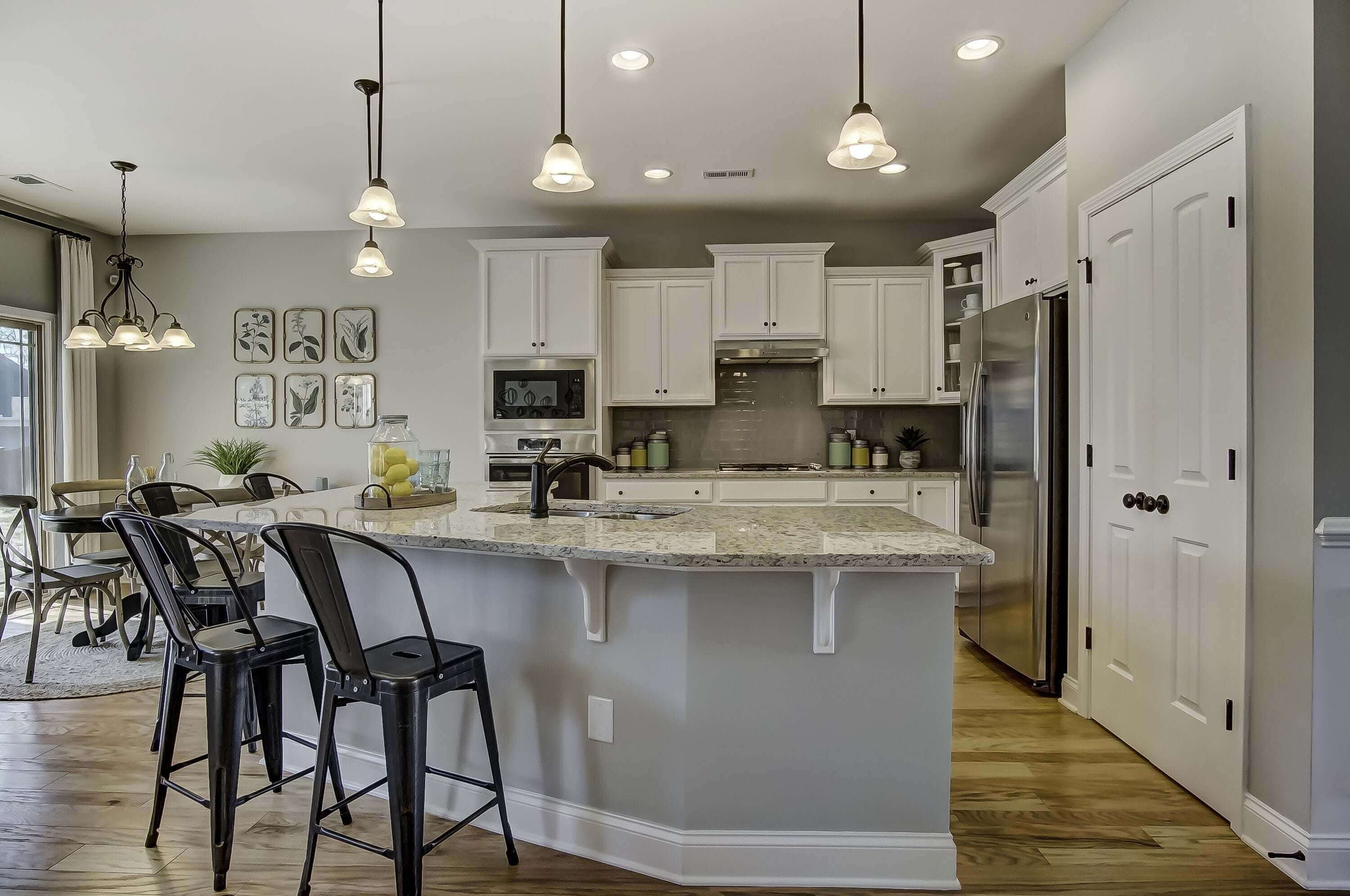
Image Source: eastwood.nyc3.cdn.digitaloceanspaces.com
Deciphering Kitchen Island Height Standards
The journey to finding the perfect kitchen island height begins with understanding the prevailing standards. These aren’t rigid rules, but rather guidelines born from years of ergonomic research and practical application.
The Standard Kitchen Island Height: A Baseline
The most common and widely accepted kitchen island counter height is between 34 and 36 inches from the floor. This range aligns perfectly with standard base cabinet heights, making it a practical choice for most kitchens.
- Why 34-36 inches? This height is ergonomically designed for standing tasks. It allows most adults to comfortably chop vegetables, knead dough, or mix ingredients without excessive bending or reaching. It also provides a seamless transition if the island flows from existing countertop areas.
- Work Surface Focus: When your primary goal for the island is a functional kitchen island work surface height, this range is paramount. It ensures that the space is conducive to culinary activities, reducing strain on your back and arms.
Exploring Different Kitchen Island Depths and Widths
While height is critical, the kitchen island depth and kitchen island width are equally important for functionality. These dimensions dictate how much space you have to work with and how the island fits into your kitchen layout.
- Kitchen Island Depth: A typical kitchen island depth for the main counter area is usually between 24 and 30 inches. This allows for standard appliance depth (like a dishwasher or microwave) and sufficient workspace in front. For islands with seating, the depth will increase.
- Kitchen Island Width: The kitchen island width can vary significantly based on your kitchen size and intended use. Islands can be as narrow as 24 inches for a galley kitchen, or as wide as 60 inches or more for a large, multi-functional centerpiece.
Seating Height Considerations: Islands That Host
Many kitchen islands serve a dual purpose, offering not just a workspace but also a casual dining or gathering spot. This is where seating height for kitchen island becomes a vital consideration, directly influencing the overall height of your island.
The Three Tiers of Seating
When incorporating seating, you’ll generally encounter three main height categories:
- Counter Height (34-36 inches): This is the most common height for kitchen islands with seating. It allows for comfortable seating with standard counter-height stools.
- Legroom: For comfortable seating height for kitchen island at this level, ensure there’s at least 10-12 inches of kitchen island overhang for legroom.
- Stool Selection: Counter stools typically have seats that are 24-26 inches high.
- Bar Height (40-42 inches): This height is often referred to as kitchen island bar height. It’s taller than standard countertops and requires bar-height stools.
- Legroom: This height requires a more generous kitchen island overhang, typically 12-15 inches, to comfortably accommodate diners.
- Stool Selection: Bar stools have seats that are 28-30 inches high.
- Pros: Can create a distinct separation between cooking and dining zones.
- Cons: May feel too high for some tasks and can block sightlines in smaller kitchens.
- Spectator Height (30-34 inches): This is a less common but increasingly popular option, often referred to as table height. It’s lower than standard counters and uses dining chairs.
- Legroom: Typically requires a 15-18 inch kitchen island overhang for comfortable seating with dining chairs.
- Stool Selection: Dining chairs have seats that are 18-20 inches high.
- Pros: Creates a more relaxed and integrated feel, easier for children to use.
- Cons: Might be too low for some food preparation tasks.
Matching Stool Height to Island Height
The golden rule here is:
Island Height – Legroom Allowance (Overhang) = Stool Seat Height
For example:
* If your island is 36 inches high and you want 12 inches of overhang for seating, your stool seat should be 24 inches high (counter height stool).
* If your island is 42 inches high for a bar feel and you want 15 inches of overhang, your stool seat should be 27 inches high (bar height stool).
Calculating the Perfect Kitchen Island Height
To determine the perfect kitchen island height from floor, several factors need to be weighed. It’s a balancing act between ergonomics, aesthetics, and the intended use of the island.
Factor 1: Primary Use – Work vs. Entertainment
- If the island is primarily a workspace: Stick to the average kitchen island height of 34-36 inches. This ensures optimal comfort for food preparation.
- If the island is for casual dining and entertaining: Consider a kitchen island bar height of 40-42 inches or a counter-height island (34-36 inches) with ample kitchen island overhang for seating.
Factor 2: User Ergonomics
Consider the primary users of the kitchen. Are they tall? Short? Do they have back issues?
- For shorter individuals: A slightly lower island might be more comfortable for working.
- For taller individuals: A standard or even slightly higher island might be preferred.
- Multi-level islands: These are a fantastic solution for kitchens with users of varying heights or for separating tasks. You could have a 36-inch work surface with a 42-inch breakfast bar integrated.
Factor 3: Appliance Integration
If you plan to integrate appliances like a cooktop or sink into your island, this will influence the kitchen island counter height.
- Cooktops: Typically require a flush or slightly raised surface to prevent spills from running down the sides. The surrounding countertop height will dictate the overall island height.
- Sinks: Can be undermounted (meaning the countertop is flush with the sink rim) or top-mounted. Both usually work well with standard kitchen island counter height. Ensure there’s enough kitchen island depth to accommodate the sink basin and any plumbing behind it.
Factor 4: Workflow and Layout
The placement and size of your island, including its height, must integrate seamlessly with the rest of your kitchen layout.
- Clearance: Ensure adequate clearance around the island for comfortable movement. A minimum of 36 inches is recommended between the island and surrounding cabinets or walls, with 42-48 inches being ideal, especially in high-traffic areas. This clearance is crucial for moving between the island and other kitchen zones.
- Island Size: The kitchen island width and kitchen island depth will affect how the island feels and functions within the space. A very large island might feel imposing if it’s too high, while a smaller island might feel insignificant if it’s too low.
Creating Multi-Level Kitchen Islands
Multi-level islands offer a sophisticated and practical solution to cater to diverse needs. They allow you to combine different kitchen island height zones within a single unit.
The Benefits of a Multi-Level Island
- Versatility: One section can be a lower kitchen island work surface height for prep, while another can be a higher bar for casual dining.
- Visual Interest: The varying heights create dynamic visual appeal in your kitchen.
- Task Separation: Clearly delineates areas for cooking, dining, or even homework.
- Ergonomic Solutions: Accommodates users of different heights and for different tasks.
Design Elements of Multi-Level Islands
When planning a multi-level island, consider these aspects:
- Height Difference: The difference between levels is typically 6-8 inches. For example, a 36-inch counter leading to a 42-inch bar.
- Transition: How will the transition between levels occur? A waterfall edge? A stepped design? Ensure the transition is smooth and doesn’t create tripping hazards.
- Support: Ensure adequate support for the higher surface, especially if it extends significantly.
- **Kitchen Island Overhang: The overhang for the higher level needs to be sufficient for seating.
Common Kitchen Island Height Mistakes to Avoid
Even with the best intentions, it’s easy to make missteps when planning your kitchen island. Here are some common mistakes related to height:
- Ignoring Seating Needs: Designing an island purely for work without considering comfortable seating height for kitchen island if you plan to dine there.
- Insufficient Overhang: Not providing enough kitchen island overhang for comfortable legroom for seated guests. This is a frequent oversight that can make an island unusable for dining.
- Too Many Heights: Creating an island with too many disparate height levels can look cluttered and feel awkward. Stick to one or two distinct heights.
- Ignoring User Height: Failing to consider the height of the primary users of the kitchen. A standard height might be uncomfortable for very tall or very short individuals.
- Not Factoring in Stool Height: Choosing an island height without first selecting your stools. Stool height directly dictates the ideal island height for comfortable seating.
Frequently Asked Questions About Kitchen Island Height
Here are some common questions people have about kitchen island heights:
Q1: What is the most common kitchen island height?
A1: The most common average kitchen island height is between 34 and 36 inches.
Q2: Can I have a kitchen island that is higher than my countertops?
A2: Yes, you can have a higher kitchen island bar height, often around 40-42 inches, for a bar-style seating area. This is a popular design choice.
Q3: What is a good kitchen island overhang for seating?
A3: For counter height (34-36 inches), a 10-15 inch kitchen island overhang is generally recommended. For bar height (40-42 inches), 12-15 inches is ideal.
Q4: How much space do I need around a kitchen island?
A4: A minimum of 36 inches is recommended for clearance, with 42-48 inches being ideal in high-traffic areas.
Q5: Does the kitchen island depth affect the height?
A5: While kitchen island depth and height are separate considerations, a deeper island might accommodate a sink or cooktop more easily, which can influence the overall design and perceived height.
Q6: What is a good kitchen island width?
A6: The kitchen island width varies greatly, from 24 inches for narrow spaces to 60+ inches for larger, multi-functional islands. It depends on your kitchen size and needs.
Q7: Is a 30-inch high island a good idea?
A7: A 30-inch kitchen island height from floor is considered table height. It’s suitable if you intend to use dining chairs for seating and want a more relaxed feel, but it might be too low for comfortable food preparation for most people.
Q8: How do I choose the right kitchen island height for my space?
A8: Consider your primary use (work vs. dining), the height of your family members, the height of your existing countertops, and the desired seating arrangement. Measure your space carefully to ensure adequate clearance.
Final Thoughts on Kitchen Island Heights
The height of your kitchen island is a foundational element that underpins its entire function and feel. By carefully considering the average kitchen island height, the specific needs for seating height for kitchen island, and the interplay between kitchen island depth, kitchen island width, and kitchen island overhang, you can create a kitchen that is not only beautiful but also exceptionally practical and comfortable. Whether you opt for a standard 34-36 inch kitchen island counter height or a multi-level design incorporating kitchen island bar height, prioritizing ergonomic design and your personal workflow will lead to a kitchen you’ll love for years to come. Remember, the best kitchen island is one that fits your life, one inch at a time.