
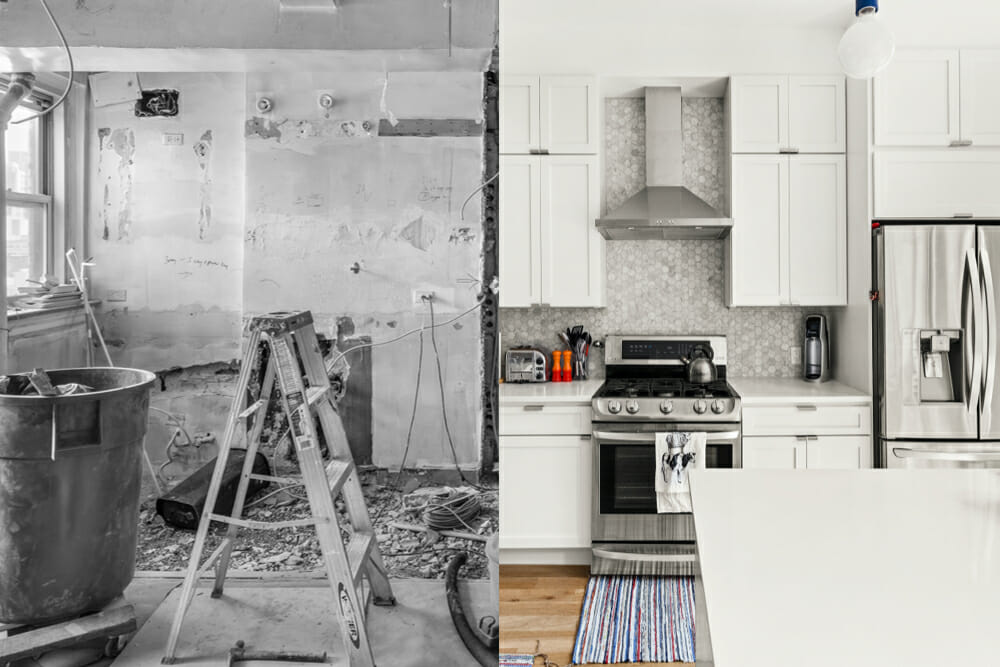
Image Source: sweeten.com
Your Guide to How Long Do Kitchen Renovations Take
What is the average kitchen renovation time? The average kitchen renovation can take anywhere from four weeks to six months, depending heavily on the scope of the project, the complexity of the design, the availability of materials and labor, and the efficiency of your contractor.
A kitchen remodel is a big undertaking, and knowing how long it will take is crucial for planning. Many homeowners wonder about the kitchen remodel duration and want to know the average kitchen renovation time. The truth is, there’s no single answer. The kitchen makeover timeline is a dynamic thing, influenced by many factors. This guide will help you understand the different stages involved in a home renovation schedule kitchen and provide a realistic kitchen project time estimate. We’ll break down what goes into the time to renovate kitchen, explore the typical kitchen remodel length, and give you insight into your kitchen update timeframe, kitchen restoration duration, and the overall kitchen refurbishment schedule.
Deciphering Your Kitchen Renovation Timeline
When you embark on a kitchen renovation, you’re not just changing cabinets; you’re often altering layouts, updating plumbing and electrical systems, and potentially dealing with structural changes. Each step adds to the overall kitchen restoration duration. Let’s dive into the typical stages and how they impact the kitchen refurbishment schedule.
Phase 1: Planning and Design (2-8 Weeks)
This is arguably the most critical phase and often the most underestimated in terms of time. Rushing this can lead to costly delays and mistakes down the line.
- Initial Consultation and Visioning: This involves discussing your needs, desires, and budget with a designer or contractor. You’ll talk about your cooking habits, storage needs, aesthetic preferences, and what you hope to achieve with the renovation. This can take 1-2 meetings.
- Developing the Design Concept: Based on your input, designers will create mood boards, layout options, and initial 3D renderings. This stage requires back-and-forth communication to refine the vision. Allow 1-3 weeks for this.
- Material Selection: Choosing cabinets, countertops, flooring, backsplashes, appliances, lighting, and fixtures is a significant part of the design process. This can be time-consuming as you visit showrooms, order samples, and make final decisions. Allow 2-4 weeks for this. Ordering custom cabinets can add an additional 4-12 weeks to your overall kitchen makeover timeline as they are made to order.
- Finalizing Plans and Specifications: Once the design is approved, detailed drawings, specifications, and a clear scope of work are created. This is essential for getting accurate quotes from contractors. This can take 1-2 weeks.
- Obtaining Quotes and Selecting a Contractor: Researching, interviewing, and getting quotes from multiple contractors is vital. Reviewing their portfolios, checking references, and signing a contract also requires time. This step can span 1-3 weeks.
Factors Affecting Design Phase Duration:
- Your decisiveness: How quickly can you make choices about styles and materials?
- Designer/Contractor availability: Popular professionals may have longer waiting lists.
- Complexity of the design: A simple refresh will be faster than a complete gut renovation with layout changes.
- Lead times for custom items: As mentioned, custom cabinetry or unique tile can add significant time.
Phase 2: Pre-Construction (1-4 Weeks)
Before any hammers swing, there are essential pre-construction steps.
- Permits: Depending on your location and the scope of your renovation (e.g., moving walls, changing plumbing or electrical), you’ll likely need building permits. The time it takes for permit applications to be reviewed and approved by your local municipality can vary significantly, from a few days to several weeks. This is a crucial element in the home renovation schedule kitchen.
- Material Procurement: Once the design is finalized and the contractor is hired, ordering materials begins. Lead times for appliances, custom cabinetry, special order tiles, and countertops can vary greatly. This is where the kitchen project time estimate can be heavily influenced by supply chains. Some items might be in stock, while others could take months to arrive.
- Setting Up a Temporary Kitchen: While your kitchen is out of commission, you’ll need a functional temporary kitchen. This might involve setting up a microwave and mini-fridge in another room, which requires some planning.
Factors Affecting Pre-Construction Duration:
- Local permit processing times: This is often out of your or your contractor’s control.
- Material availability and shipping times: Global supply chain issues can impact this significantly.
- Contractor’s efficiency in ordering: A good contractor will order materials well in advance.
Phase 3: Demolition and Rough-In (1-2 Weeks)
This is when the actual work begins!
- Demolition: The old kitchen is carefully dismantled. This includes removing cabinets, countertops, flooring, appliances, and possibly wall coverings. This stage can be messy and noisy.
- Rough-In (Plumbing, Electrical, HVAC): If your renovation involves moving plumbing, electrical outlets, or HVAC ductwork, this is when those changes are made behind the walls. This is a critical part of the kitchen update timeframe. Any issues discovered during this stage, such as old wiring or faulty pipes, can add time and cost.
Factors Affecting Demolition and Rough-In Duration:
- Scope of demolition: Are you doing a full gut or just replacing cabinets?
- Unexpected structural issues: Finding mold, pest damage, or outdated wiring can lead to additional work.
- Complexity of plumbing and electrical changes: Moving a sink or adding new circuits takes more time.
Phase 4: Installation and Finishing (2-6 Weeks)
This is where your new kitchen starts to take shape.
- Cabinet Installation: This is a major milestone. Cabinets are carefully installed and leveled, transforming the space.
- Countertop Installation: Once the base cabinets are in place, countertops are measured and installed. This usually involves a templating visit after cabinets are installed, followed by fabrication, and then installation.
- Flooring Installation: New flooring is laid down.
- Backsplash Installation: Tiles or other backsplash materials are installed.
- Appliance Installation: Refrigerators, ovens, dishwashers, and microwaves are installed and connected.
- Plumbing Fixture Installation: Sinks, faucets, and water filters are installed.
- Electrical Fixture Installation: Lighting fixtures, outlets, and switches are installed.
- Painting and Trim Work: Walls are painted, and any necessary trim or molding is installed.
Factors Affecting Installation and Finishing Duration:
- Cabinet style and complexity: Custom cabinetry with intricate details can take longer to install.
- Countertop material: Some materials require more specialized installation techniques.
- Tile work: Intricate tile patterns or mosaic backsplashes take longer than simple subway tiles.
- Appliance type: Built-in appliances often require more precise installation.
- Contractor’s team efficiency: A well-coordinated team can speed up the process.
Phase 5: Final Touches and Cleanup (1-2 Weeks)
The final stretch to completion.
- Final Inspections: If permits were required, building inspectors will need to sign off on the work.
- Punch List: You and your contractor will walk through the kitchen to identify any minor issues or touch-ups needed.
- Deep Cleaning: Thorough cleaning of the entire space.
- Final Styling: Moving in your small appliances and decorative items.
Factors Affecting Final Touches Duration:
- Inspector availability: Scheduling final inspections can sometimes cause delays.
- Thoroughness of the punch list: The more items on the list, the longer this phase will take.
- Contractor’s responsiveness to punch list items: A good contractor will address these promptly.
Typical Kitchen Remodel Lengths: A Breakdown by Scope
The typical kitchen remodel length can vary significantly based on the type of renovation you’re undertaking. Here’s a general overview:
| Renovation Type | Estimated Duration | Key Characteristics |
|---|---|---|
| Cosmetic Refresh | 1-3 Weeks | Painting, new hardware, updated lighting, backsplash replacement, possibly new countertop. No layout changes or major plumbing/electrical work. |
| Minor Renovation | 3-6 Weeks | Cabinet refacing or replacement (stock/semi-custom), new appliances, new flooring, new countertop, updated sink and faucet. |
| Mid-Range Renovation | 6-12 Weeks | Replacing all cabinets (custom or semi-custom), new countertops, new appliances, new flooring, updated sink and faucet, possibly minor layout adjustments. |
| Major Renovation/Gut Job | 3-6 Months | Complete gutting of the kitchen, significant layout changes, moving walls, new plumbing and electrical, all new cabinets, countertops, appliances, flooring, lighting. |
This table gives you a clearer picture of the kitchen project time estimate based on the depth of your project.
Factors That Can Extend Your Kitchen Renovation Timeline
Even with meticulous planning, several unforeseen circumstances can push back your kitchen makeover timeline.
- Material Delays: As touched upon, the availability of specific cabinets, countertops, or appliances can cause significant hold-ups. If you’ve chosen unique or custom-made items, their lead times are a critical component of your kitchen update timeframe.
- Contractor Scheduling: A busy contractor might not be able to start immediately or may have multiple projects running concurrently. If your contractor faces issues on another job, it could impact your schedule.
- Discovery of Hidden Problems: Older homes can hide issues like faulty wiring, plumbing leaks, pest infestations, or structural damage that need to be addressed before proceeding with the renovation. This is a common reason for extended kitchen restoration duration.
- Scope Creep: Deciding to add more features or change your mind about certain elements midway through the renovation is a common pitfall. Every change can add time and cost.
- Weather: While less common for interior renovations, extreme weather can sometimes impact delivery schedules or outdoor work if applicable.
- Inspection Delays: The scheduling and availability of building inspectors can sometimes create bottlenecks.
- DIY vs. Professional: While some homeowners opt for DIY, professional contractors and their teams are often more efficient due to experience and established workflows. A less experienced DIYer might find their time to renovate kitchen is much longer.
- Your Availability: If you are part of the decision-making process or need to approve certain steps, your own availability can influence the pace.
Strategies for Expediting Your Kitchen Renovation
While you can’t control everything, there are ways to help keep your home renovation schedule kitchen on track.
- Thorough Planning: Invest ample time in the planning and design phase. The more detailed your plans, the fewer surprises you’ll encounter.
- Decisive Decision-Making: Be prepared to make decisions quickly. Having your selections finalized before demolition begins is key.
- Hire a Reputable Contractor: A good contractor with a reliable team and established relationships with suppliers can streamline the process. They are also better equipped to anticipate and manage potential issues.
- Order Materials Early: Work with your contractor to order long-lead items as soon as possible.
- Create a Detailed Contract: Ensure your contract clearly outlines the scope of work, timeline, payment schedule, and responsibilities of both parties.
- Communicate Regularly: Maintain open and consistent communication with your contractor. This helps address any issues promptly.
- Consider a Phased Renovation: For less extensive renovations, you might consider a phased approach if your budget or timeline is very tight. However, this can sometimes lead to longer overall disruption.
- Have a Contingency Plan: Be prepared for minor delays and have a small buffer in your budget and schedule for unexpected issues.
Frequently Asked Questions about Kitchen Renovation Timelines
Q1: How long does it take to install kitchen cabinets?
The installation of kitchen cabinets typically takes 2-5 days for a standard-sized kitchen. This can vary depending on the complexity of the cabinet design, the number of cabinets, and whether custom modifications are needed.
Q2: How long does countertop installation take?
After templating (which happens after base cabinets are installed), countertop fabrication usually takes 1-3 weeks, and installation itself takes 1-2 days. The material chosen for your countertop can affect fabrication time.
Q3: What is the quickest way to renovate a kitchen?
A cosmetic refresh – focusing on paint, hardware, lighting, and maybe a new backsplash or faucet – is the quickest way to renovate a kitchen, often achievable in 1-3 weeks.
Q4: Can I live in my house during a kitchen renovation?
Yes, you can often live in your house during a kitchen renovation, but it requires significant adjustments. You’ll need a temporary kitchen setup, and you should expect noise, dust, and restricted access to the main kitchen area. The extent of disruption depends on the scope of the work.
Q5: How long should I expect my kitchen renovation to last?
As discussed, the typical kitchen remodel length can range from four weeks for a minor update to six months or more for a major gut renovation. It’s essential to get a detailed kitchen project time estimate from your contractor based on your specific plans.
Q6: What if my contractor is taking longer than expected?
If your contractor is falling behind schedule, the first step is to communicate with them to understand the reasons for the delay. Review your contract to see what it states about timelines and potential penalties. If the delays are unreasonable and unaddressed, you may need to consult with a legal professional.
Q7: How does the choice of materials impact the kitchen renovation timeline?
The choice of materials can significantly impact the kitchen update timeframe. Custom-made cabinets, special-order tiles, or unique countertop slabs often have longer lead times than readily available options. Appliances, especially if they are out of stock or require special ordering, can also introduce delays. It’s crucial to factor in these lead times during the planning phase of your kitchen refurbishment schedule.
By carefully planning, working with trusted professionals, and being prepared for potential hiccups, you can navigate the process of a kitchen renovation more smoothly and have a clearer picture of your kitchen remodel duration. The goal is a beautiful, functional kitchen that you’ll enjoy for years to come.