
So, how long does it take to paint a living room? For a typical-sized living room, you can expect it to take anywhere from 1 to 3 days for a DIYer and half a day to 1 day for a professional painter, assuming standard prep and a single coat of paint. This guide will dive deep into all the factors that influence living room painting time and give you a realistic painting estimate living room.
Embarking on a living room painting project can feel like a significant undertaking. You might be wondering about the time to paint a room or the average living room paint duration. The truth is, there’s no single answer because many elements play a role. Whether you’re a seasoned DIYer or considering hiring a pro, knowing what to expect is crucial for planning. This comprehensive guide will break down the interior painting time, detailing the variables that affect the overall how long does painting take equation, and help you with your own DIY living room painting time or a professional painter living room time.
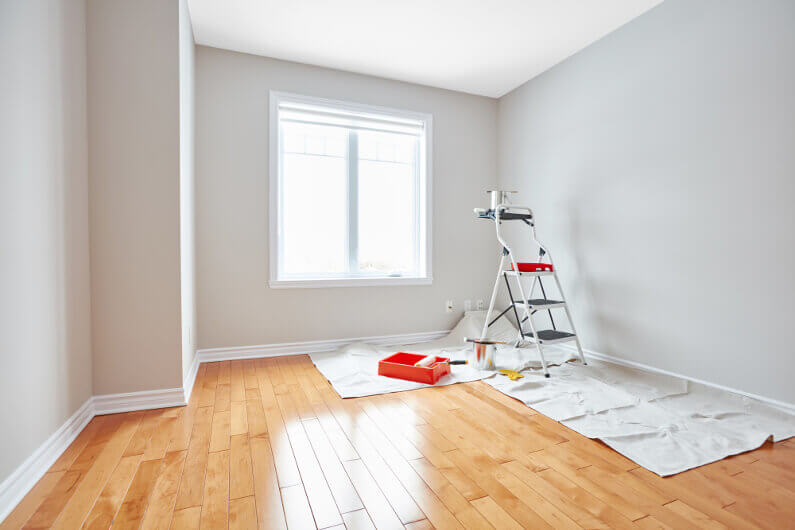
Image Source: floridapaintingmiami.com
Factors Influencing Paint Job Duration
Several key factors determine the total time to paint walls and your entire living room. Let’s explore them.
Room Size and Complexity
The most obvious factor is the size of your living room. A small, cozy living area will naturally take less time than a sprawling great room with high ceilings.
Wall Surface Area
- Small Living Room (e.g., 10×12 ft): Less wall to cover.
- Medium Living Room (e.g., 15×20 ft): Standard coverage.
- Large Living Room (e.g., 20×25+ ft or rooms with significant wall footage): More time required.
Ceiling Height
- Standard Ceilings (8-9 ft): Manageable with a standard roller.
- High Ceilings (10 ft+): Requires specialized equipment like extension poles or scaffolding, adding time for setup and careful application. This can significantly increase the time to paint interior surfaces.
Architectural Features
- Many Corners and Angles: Each corner requires careful cutting in, which takes longer than rolling.
- Built-in Shelving or Niches: These create more edges and details to paint around.
- Windows and Doors: Each window and door frame needs meticulous cutting in, and the sills and frames themselves may also be painted. A room with multiple windows and doors will extend the project timeline.
- Fireplaces or Other Built-in Structures: These add complexity and require detailed work.
Paint Type and Finish
The type of paint you choose and its finish can also impact the living room painting time.
Number of Coats
- Light Color Over Dark: Often requires two coats for complete coverage.
- Dark Color Over Light: Might also need two coats to achieve a rich, even finish.
- Bold Colors or Specialty Finishes: Some vibrant or metallic paints may need more than two coats for optimal appearance, increasing the time to paint walls.
- Primer: If you’re making a drastic color change (e.g., dark to light, or vice versa) or painting over stains, applying a primer is essential. This adds an extra layer of work and drying time.
Paint Sheen
- Matte/Flat: Generally the easiest to apply and hide imperfections.
- Eggshell/Satin: Offer a slight sheen and are more durable but can show brush strokes more easily, requiring careful application.
- Semi-Gloss/Gloss: Highly reflective and durable, but they highlight every imperfection and require very precise application, especially during cutting in. This can slow down the how long does painting take process.
Surface Condition
The condition of your walls is a critical factor in estimating living room painting time.
Wall Preparation
- Smooth, Clean Walls: Minimal prep needed – just a quick wipe down.
- Minor Imperfections (Small Holes, Scuffs): Requires filling holes, sanding, and cleaning.
- Major Imperfections (Cracks, Large Holes, Peeling Paint): Needs more extensive repair, possibly drywall patching, sanding, and priming. This is a significant time sink.
- Textured Walls (Popcorn Ceilings, Stucco): These are much more challenging to paint and take considerably longer, especially when cutting in.
Preparation Steps
This is often the most time-consuming part of any painting job and directly impacts the average living room paint duration. Proper preparation ensures a professional finish and makes the actual painting process smoother.
Furniture Moving
- Clearing the Room: Moving all furniture to the center of the room or out of the room entirely.
- Covering Furniture: If not moved, furniture needs to be thoroughly covered with drop cloths.
Surface Protection
- Masking Trim, Windows, and Doors: Using painter’s tape to protect areas that won’t be painted.
- Floor Protection: Laying down drop cloths or plastic sheeting to protect the flooring.
Cleaning
- Washing Walls: Removing dust, dirt, grease, and cobwebs. This is essential for paint adhesion.
Repairs
- Filling Holes and Cracks: Using spackle or joint compound.
- Sanding: Smoothing patched areas and any rough spots.
- Caulking: Sealing gaps around trim and corners.
Drying and Curing Times
Patience is a virtue when painting. Different paint types have different drying and curing times.
Drying Time
- Touch Dry: The time it takes for the surface to feel dry to the touch.
- Recoat Time: The minimum time you need to wait before applying a second coat. This is crucial for a good finish and can be anywhere from 2 to 24 hours, depending on the paint and humidity. Rushing this can lead to peeling or poor adhesion.
Curing Time
- Full Cure: The time it takes for the paint to harden completely and reach its maximum durability. This can take several weeks. During this period, it’s best to avoid harsh scrubbing or bumping the walls.
Your Painting Method
Whether you spray, roll, or brush, your technique affects the time to paint interior surfaces.
Rolling
- Efficiency: Rolling is generally faster than brushing for large wall areas.
- Technique: Consistent pressure and overlap are key for an even finish.
Brushing
- Cutting In: Applying paint along edges, corners, trim, and around fixtures. This requires a steady hand and takes precision, making it slower than rolling.
- Detail Work: Painting trim, doors, or intricate architectural elements.
Spraying
- Speed: Spraying is the fastest method for covering large areas.
- Prep Intensive: Requires extensive masking of all surfaces not to be painted, as overspray is a significant issue.
- Skill Required: Needs practice to achieve an even coat without drips or runs.
DIY vs. Professional Painter: Time Comparison
The DIY living room painting time will almost always be longer than hiring a professional. Professionals have experience, efficiency, and the right tools.
DIY Living Room Painting Time Breakdown
For a typical 15×20 foot living room:
Day 1: Preparation
* Morning (3-4 hours): Moving furniture, covering items, laying drop cloths.
* Afternoon (3-4 hours): Cleaning walls, filling small holes, light sanding, taping trim and windows.
* Evening (1-2 hours): Applying primer if needed, or first coat if only one is required.
Day 2: Painting
* Morning (2-4 hours): Applying the first coat of paint (cutting in, then rolling).
* Afternoon (2-4 hours): Waiting for the first coat to dry (recoat time), then applying the second coat.
Day 3 (Optional): Touch-ups and Cleanup
* Morning (2-4 hours): Removing tape, cleaning up any drips, touching up missed spots, and putting furniture back.
Total DIY Time: Typically 10-20 hours spread over 2-3 days. This can be significantly more if extensive wall repairs are needed or if you’re painting a very large or complex room.
Professional Painter Living Room Time
Professionals can often complete the same job much faster due to their expertise and efficiency.
- Preparation (2-4 hours): Professionals are skilled at quick and thorough prep.
- Painting (2-4 hours): Applying coats efficiently.
- Cleanup (1-2 hours): Professional cleanup is usually prompt.
Total Professional Time: For a standard living room, a professional painter might take 6-10 hours over a single day. They often work in teams, allowing them to prep, paint, and clean up in one go.
Estimating Your Living Room Paint Job: A Step-by-Step Approach
To get a good painting estimate living room, follow these steps:
Step 1: Measure Your Walls
- Measure the length of each wall.
- Measure the height of your walls.
- Subtract the area of windows and doors (usually estimated as 15 sq ft for a door, 15 sq ft for a window).
- Formula for Wall Area: (Total Length of Walls) x (Wall Height) = Total Wall Square Footage.
Step 2: Consider Paint Coats and Primer
- Primer: If needed, add an extra layer to your calculation.
- Paint Coats: Multiply your total wall square footage by the number of coats (usually 2).
Step 3: Factor in Paintable Surface Area (Trim, Doors, Ceiling)
- If you’re painting trim, doors, or the ceiling, you’ll need to measure those areas separately.
- Trim: Measure the length of all baseboards, window frames, and door frames. Multiply by the width of the trim to get square footage.
- Doors: Measure the height and width of each door.
- Ceiling: Measure the length and width of the room to get ceiling square footage.
Step 4: Assess Preparation Needs
- Be honest about the condition of your walls.
- Estimate the time needed for cleaning, patching, sanding, and taping. This is where DIYers often underestimate.
Step 5: Account for Drying and Recoat Times
- Always factor in the manufacturer’s recommended recoat times. Don’t rush the process.
Step 6: Consider Your Skill Level and Pace
- If you’re new to painting, double the estimated time for cutting in and detailed work.
- If you’re efficient, you might finish faster.
What is the Average Living Room Paint Duration?
The average living room paint duration for a DIYer is around 16-24 hours spread across a weekend or a few evenings. For professionals, it’s typically 6-10 hours in a single day. This is a general guideline, and your specific project could fall outside this range based on the factors discussed.
Can I Paint a Living Room in a Day?
For a DIYer, painting a standard-sized living room in a single day is highly ambitious and often unrealistic, especially if thorough preparation is needed. You might be able to get one coat done if you skip some prep or have a very small room with minimal features. However, achieving a high-quality, two-coat finish with proper prep and cleanup in one day is very difficult for a beginner.
A professional painter, however, can often paint a living room in a single day. This is due to their speed, experience, specialized tools, and efficient workflow. They have mastered the art of cutting in, rolling, and managing the entire process from start to finish within a limited timeframe.
How Long Does Painting Take: A Detailed Breakdown by Task
Let’s look at the approximate time each task might take for a medium-sized living room (15×20 ft).
| ### Task | DIY Time Estimate | Professional Time Estimate |
|---|---|---|
| Moving Furniture & Covering | 1-3 hours | 30-60 minutes |
| Protecting Floors & Fixtures | 1-2 hours | 30-60 minutes |
| Cleaning Walls | 1-2 hours | 30-45 minutes |
| Patching Holes & Minor Repairs | 1-3 hours | 30-60 minutes |
| Sanding & Dust Removal | 1-2 hours | 15-30 minutes |
| Taping Trim & Windows | 1-3 hours | 30-60 minutes |
| Priming (if needed) | 2-4 hours | 1-2 hours |
| First Coat of Paint (Cutting In & Rolling) | 3-5 hours | 1.5-3 hours |
| Drying Time (Recoat) | 2-24 hours (passive) | 2-4 hours (can work on other tasks) |
| Second Coat of Paint | 3-5 hours | 1.5-3 hours |
| Removing Tape & Touch-ups | 1-2 hours | 30-60 minutes |
| Final Cleanup & Furniture Return | 1-2 hours | 30-60 minutes |
Total Estimated Time (DIY): 16 – 33 hours
Total Estimated Time (Professional): 6 – 12 hours
Note: These are estimates and can vary significantly.
Factors Affecting Professional Painter Living Room Time
Even for professionals, certain factors can increase the interior painting time:
- Extensive Wall Damage: Significant repairs add considerable time.
- High Ceilings: Require more time for setup, application, and careful movement.
- Complex Architectural Details: Many corners, moldings, or intricate designs.
- Client Availability for Questions/Decisions: If the client isn’t readily available for clarifications, it can slow down the process.
- Weather Conditions: For exterior painting, but can indirectly affect interior drying times if ventilation is impacted.
- Paint Quality and Brand: Some paints require longer drying times between coats.
Optimizing Your Living Room Painting Time
Whether you’re doing it yourself or hiring professionals, you can take steps to make the process smoother and faster.
For DIYers:
- Plan Ahead: Gather all your supplies before you start.
- Delegate Tasks: If you have help, divide the work (e.g., one person tapes, the other preps).
- Work Efficiently: Stay focused, but don’t rush crucial steps like prep or cutting in.
- Choose the Right Time: Pick a time when you won’t be interrupted.
- Use Quality Tools: Good brushes, rollers, and extension poles make a big difference.
- Consider One-Coat Paints: Some modern paints offer excellent coverage in a single coat, but always check reviews.
For Hiring Professionals:
- Get Detailed Quotes: Ensure quotes clearly outline prep work, number of coats, and expected timeline.
- Communicate Clearly: Discuss your expectations and any specific concerns beforehand.
- Clear the Space: Have the room as clear as possible before the painters arrive to save them time.
- Trust Their Expertise: Professionals know the most efficient methods.
Frequently Asked Questions (FAQ)
Q1: What is the typical time to paint walls in a living room?
A1: For a DIYer, painting just the walls (excluding prep) usually takes about 4-8 hours for two coats, depending on the room’s size and complexity. Professionals can do this in 2-4 hours.
Q2: How long does it take to paint a medium-sized living room (e.g., 15×20 ft)?
A2: A DIYer can expect to spend 16-24 hours over 2-3 days. A professional can typically complete it in 6-10 hours in one day.
Q3: Can I paint a living room in a weekend?
A3: Yes, a DIYer can often complete a standard living room painting project over a weekend (Saturday and Sunday), assuming good preparation and no major wall issues.
Q4: Does painting a ceiling add significant time?
A4: Yes, painting a ceiling can add several hours to the project. It requires different techniques, more prep to protect walls and furniture, and often involves working overhead, which can be more tiring and slower.
Q5: How much time should I allocate for preparation?
A5: Allocate at least 50% of your total painting time for preparation. Good prep work is the foundation of a great paint job.
Q6: What if the walls need significant repairs?
A6: If walls require extensive patching, sanding, or drywall repair, this can easily add another 4-12+ hours to a DIY project, potentially extending it to a full week of work. Professionals will also charge more for extensive prep.
Q7: How long does it take for paint to dry between coats?
A7: Drying times vary by paint type and manufacturer. Most latex or acrylic paints need 2-4 hours before recoating. Always check the paint can for specific instructions.
By carefully considering these factors, you can create a realistic painting estimate living room for your project and ensure a smooth, successful transformation of your living space.