
The most common kitchen trash bag size is 13 gallons, though other capacities like 4, 8, 10, and 30 gallons are also available for different bin sizes.
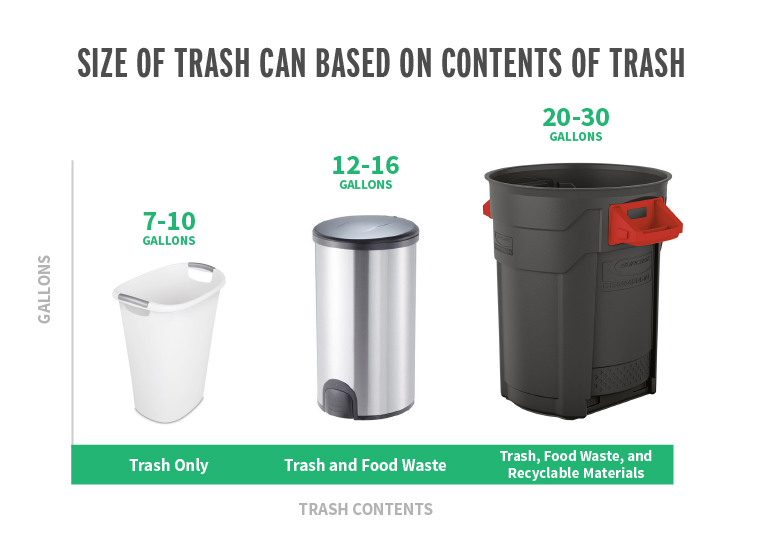
Image Source: trashcansunlimited.com
Deciphering Kitchen Trash Bag Capacities
Ever stood in the trash bag aisle, staring at a wall of boxes, and wondered, “Just how many gallons is this kitchen trash bag?” It’s a common question, and the answer isn’t always as straightforward as you might think. While the label often states a gallon capacity, the actual fit and usability depend on several factors, including the shape of your trash can and the thickness of the bag. This guide will help you navigate the world of kitchen trash bag capacity, ensuring you always pick the right liner for your bin. We’ll explore the common sizes, how they relate to your kitchen bin liner volume, and what kitchen trash bag dimensions you should be looking for.
Common Kitchen Trash Bag Size and Their Uses
The vast majority of households rely on a few standard kitchen trash bag sizes. Knowing these can save you time and frustration.
The Ubiquitous 13-Gallon Bag
The 13-gallon kitchen trash bag is the undisputed champion of the kitchen. It’s designed to fit the most common kitchen trash cans, typically those that hold around 10-15 gallons.
- Why it’s popular: Most standard kitchen bins are built to accommodate this size. The extra few gallons beyond the bin’s literal capacity allow for easy tie-off and a secure fit.
- Best for: Everyday household waste, food scraps, packaging, and general kitchen refuse.
Smaller Options: 4 and 8 Gallons
These smaller bags are perfect for more contained waste needs or for smaller living spaces.
- 4-Gallon Bags: Often used for bathroom trash cans, small office bins, or even car trash. They are less common for main kitchen use but are handy for specific tasks.
- 8-Gallon Bags: A good intermediate size. They can fit some smaller kitchen bins or be used for office desk trash cans that generate more waste than a typical bathroom bin. They are a good choice for studios or smaller apartments where a full-sized kitchen bin might be too bulky.
Larger Capacity: 10 and 30 Gallons
While 13 gallons is standard, you might encounter situations where you need something a bit different.
- 10-Gallon Bags: These are less common for kitchen use but can be found. They might fit slightly smaller or more squat bins than the standard 13-gallon. They’re sometimes marketed for specific uses like diaper disposal.
- 30-Gallon Bags: These are typically for larger bins, often found in garages, laundry rooms, or for commercial use. While not usually a kitchen trash bag size in the traditional sense, some larger kitchens or households might use them for a bigger central bin.
How Big Are Kitchen Trash Bags: Beyond the Gallon Label
The gallon measurement on a kitchen garbage bag size refers to the volume it can hold when fully expanded. However, the actual dimensions of the bag are what determine if it will fit your bin properly.
Kitchen Trash Bag Dimensions Explained
Trash bag manufacturers typically list dimensions in inches, usually as width x height. This is crucial for ensuring a good fit.
- Width: This is the measurement across the opening of the bag when it’s laid flat.
- Height: This is the measurement from the bottom of the bag to the top of the opening.
A 13-gallon trash bag, for example, might have dimensions around 28-30 inches wide and 32-35 inches tall. These dimensions are designed to wrap around the rim of a standard kitchen trash can and still have enough length to be tied securely.
Factors Influencing Fit
- Bin Shape: A tall, narrow trash can might require a slightly different bag dimension than a short, wide one, even if they have the same gallon capacity.
- Bag Material and Thickness: Thicker, stronger bags can sometimes stretch a bit more, offering a more forgiving fit.
- Bag Style: Some bags have gussets (pleats in the sides) or drawstring tops, which can affect how they fit and how much you can pack into them.
Fathoming Kitchen Bin Liner Volume
The term “kitchen bin liner volume” directly relates to the gallon capacity. It’s the measure of how much waste the liner is designed to contain.
Relating Gallons to Bin Size
- Matching Capacity: Generally, you want a trash bag that is 2-3 gallons larger than your trash can’s stated capacity. This provides enough bag material to cover the sides and create a secure tie-off.
- Too Small: A bag that is too small will struggle to cover the rim, may rip when you try to tie it, and can leave the inside of your bin exposed to leaks and mess.
- Too Big: A bag that is too large will bunch up at the bottom, making it difficult to fill evenly and potentially leading to tears. You’ll also waste bag material.
Calculating Needed Bag Size
If your trash can’s capacity isn’t clearly marked, you can estimate its gallon volume.
- Measure your bin:
- Measure the diameter (or width and depth for a rectangular bin) of the opening.
- Measure the height of the bin.
- Calculate the volume:
- Cylindrical Bin: Volume = π * (radius)² * height
- Rectangular Bin: Volume = width * depth * height
- Convert to Gallons: There are approximately 231 cubic inches in one US gallon. Divide your cubic inch measurement by 231.
Once you have your bin’s approximate gallon size, add 2-3 gallons to find the ideal trash bag capacity.
What Size Kitchen Trash Bags Should You Buy?
The simple answer is: the size that best fits your trash can and your waste habits.
Standard Kitchen Trash Bag Size Considerations
- For standard kitchen trash cans (10-15 gallons): Stick with the 13-gallon bags. They are the most widely available and designed for optimal fit.
- For smaller bins (e.g., bathroom, desk): Opt for 4 or 8-gallon bags.
- For larger bins or heavy waste: Consider 30-gallon bags if your bin supports them.
Interpreting Kitchen Bin Bag Measurements
When you buy bags, look for the dimensions printed on the packaging. A 13-gallon bag typically has dimensions around 28-30 inches (width) x 32-35 inches (height). Always check these against your bin or your current bags for a perfect match.
The Importance of Gallon Capacity Kitchen Bags
Choosing the right gallon capacity kitchen bags isn’t just about aesthetics; it’s about functionality and preventing messes.
Preventing Blowouts and Leaks
- Overstuffing: Trying to cram too much into a bag that’s too small is a recipe for disaster. The bag will strain, stretch, and likely rip, leading to leaks and a messy cleanup.
- Proper Fit: A bag that fits well will stretch evenly around the trash. This distributes the weight and reduces the chance of punctures from sharp objects.
Ease of Use and Tie-Off
- Secure Closure: A bag with enough excess length allows you to easily tie it off, creating a sealed unit that prevents odors from escaping and liquids from spilling.
- Handling: A bag that’s the right size is easier to pull out of the can without tearing and easier to carry to the curb.
Comprehending Kitchen Trash Bag Size Variations
While 13 gallons is the common standard, the market offers a range to meet diverse needs.
Types of Kitchen Trash Bag Sizes
- Tall Kitchen Bags: These are the most common, often referred to as 13-gallon bags. They are designed for the typical tall, rectangular kitchen trash can.
- Can Liners: This is a more technical term often used by manufacturers. It implies a bag specifically designed to line a waste receptacle. The capacity might still be in gallons, but the emphasis is on the precise fit for various commercial or industrial bins.
- Drawstring Bags: Many kitchen trash bags come with drawstrings. These can be convenient for closing and carrying but sometimes require a bit more bag material to accommodate the tie-off mechanism.
What Size Kitchen Trash Bags Do I Need?
To accurately determine what size kitchen trash bags you need, follow these steps:
- Identify Your Trash Can’s Capacity: Look for a label on the bin itself, or measure it as described earlier.
- Consider Your Waste Volume: Do you often fill your bin to the brim? If so, you might benefit from a slightly larger capacity bag than your bin’s nominal size.
- Check Bag Dimensions: When purchasing, look at the width and height of the bag. A common 13-gallon bag will be around 28-30 inches wide and 32-35 inches tall.
Frequently Asked Questions About Kitchen Trash Bags
Here are some common questions people have about kitchen trash bags:
Q1: What is the standard size for kitchen trash bags?
A1: The most standard size for kitchen trash bags in the US is 13 gallons.
Q2: Can I use a 10-gallon bag in a 13-gallon trash can?
A2: You can, but it might not fit well. A 10-gallon bag is likely too small for a 13-gallon trash can. It won’t cover the rim properly, and you’ll struggle to tie it off, increasing the risk of spills and leaks. It’s best to use a bag that is 2-3 gallons larger than your bin’s capacity.
Q3: How do I know if a trash bag will fit my bin?
A3: Check the bag’s dimensions (width x height) and compare them to your trash can’s opening and height. For a 13-gallon bin, a bag with dimensions around 28-30 inches wide and 32-35 inches tall is usually a good fit. The extra size allows it to drape over the rim and be tied.
Q4: What does “gusseted” mean for trash bags?
A4: Gusseted trash bags have pleats or folds on the sides. These allow the bag to expand outwards, increasing its capacity and making it more flexible to fit different bin shapes and accommodate bulkier items.
Q5: Why are some kitchen trash bags more expensive than others?
A5: The price often reflects the quality of the plastic, the thickness (measured in mils), and added features like odor control, drawstring closures, or recycled content. Thicker, stronger bags are generally more durable and thus more expensive.
Q6: How do I measure my trash can to find the right bag size?
A6: Measure the diameter or width and depth of the top opening of your trash can, and measure its height. Use these measurements to calculate the volume in cubic inches and then convert to gallons (1 gallon = 231 cubic inches). Add 2-3 gallons to your bin’s capacity to find the ideal bag size.
Q7: Are there different types of 13-gallon kitchen trash bags?
A7: Yes, while they all have a 13-gallon capacity, they can differ in thickness, material strength, drawstring features, and odor control. Some might have slightly different dimensions to accommodate subtle variations in trash can shapes.
By paying attention to both the gallon capacity and the actual dimensions, you can confidently select the best kitchen trash bag for your needs, ensuring a cleaner, more manageable kitchen.