
A living room can range significantly in size, but a standard living room square footage in the United States typically falls between 200 and 400 square feet. However, there’s no single universal answer, as living room dimensions are influenced by many factors.
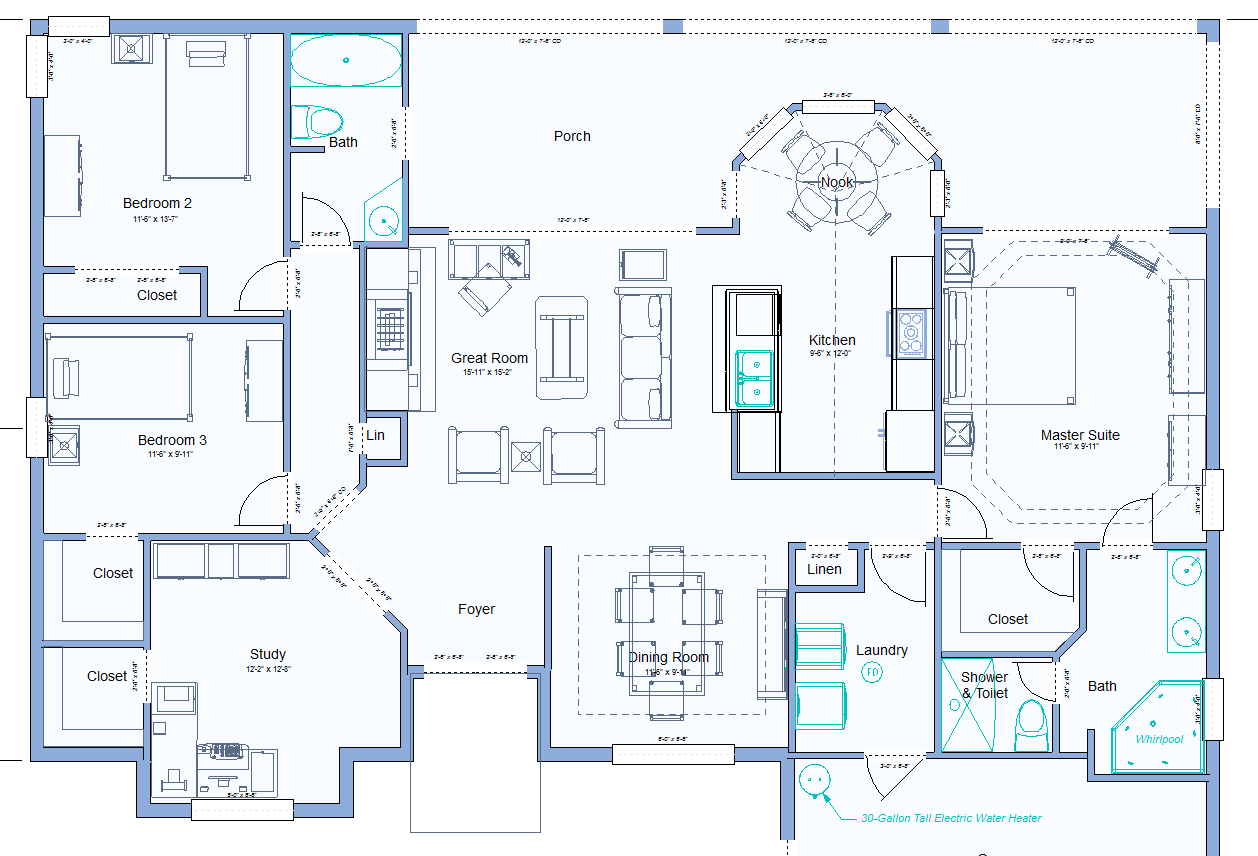
Image Source: www.punchsoftware.com
Deciphering Living Room Space: More Than Just a Number
The question “How many square feet is a living room?” seems simple, but the answer is surprisingly complex. It’s not just about a single measurement; it’s about how that space is used, designed, and experienced. Many elements contribute to what makes a living room feel just right, and that “right” size varies from home to home and person to person.
The Average Living Room Size: A Look at Common Trends
When we talk about the average living room size, we’re looking at typical dimensions found in homes across different regions and housing types. These averages provide a useful benchmark, but it’s crucial to remember they are just that – averages. Averages don’t account for the unique character and layout of individual homes.
- Newer homes often feature larger, more open-plan living spaces.
- Older homes might have more compartmentalized rooms, which can lead to smaller, more intimate living areas.
- Apartments and condos generally have smaller living rooms compared to single-family houses.
The typical living room area can also be influenced by the overall square footage of the house. A larger house is more likely to have a larger living room.
Factors Shaping Living Room Dimensions
Several key factors contribute to the living room dimensions you’ll encounter:
- Architectural Style and Era: Homes built in different decades often have distinct design philosophies. Mid-century modern homes, for instance, might feature open layouts with expansive living areas, while Victorian homes might have more separate, smaller rooms.
- Geographic Location: Building codes, local housing market trends, and cultural preferences can all influence the typical size of rooms. What’s considered standard in a sprawling suburban home might be vastly different from what’s found in a dense urban apartment.
- Intended Use and Lifestyle: A family that frequently entertains guests will likely need a larger living room than someone who uses the space primarily for quiet reading or watching television alone.
- Budget and Construction Costs: Larger rooms require more building materials and labor, which naturally increases construction costs. This is a significant consideration for developers and homeowners alike.
- Overall House Size: It stands to reason that a larger house will generally accommodate larger rooms, including the living room, compared to a smaller dwelling.
Calculating Living Room Space: A Practical Approach
Knowing how to measure your living room is essential for furniture placement, decor planning, and even understanding your home’s layout. Calculating living room space is a straightforward process involving basic geometry.
Step-by-Step Measurement
- Gather Your Tools: You’ll need a tape measure. A long retractable tape measure is ideal for larger rooms. A notepad and pen or a smartphone app can help you record measurements.
- Measure Length and Width:
- Identify the longest wall in your living room. Measure from one corner to the other. This is your length.
- Measure the perpendicular wall from corner to corner. This is your width.
- Living room measurements should be taken along the floor, avoiding baseboards for the most accurate internal dimension.
- Calculate the Area:
- Multiply the length by the width.
- Area (Square Feet) = Length (Feet) × Width (Feet)
Example: If your living room is 15 feet long and 12 feet wide, its area is:
15 feet × 12 feet = 180 square feet.
Handling Irregular Shapes
Many living rooms aren’t perfect rectangles. If your living room has an L-shape or other irregular features:
- Break it down: Divide the room into smaller, regular shapes (rectangles or squares).
- Measure each section: Calculate the area of each individual section using the length × width formula.
- Add them up: Sum the areas of all the sections to get the total living room area.
Example: An L-shaped living room could be divided into two rectangles.
* Rectangle 1: 10 feet × 10 feet = 100 sq ft
* Rectangle 2: 8 feet × 5 feet = 40 sq ft
* Total Area: 100 sq ft + 40 sq ft = 140 sq ft
Standard Living Room Square Footage: What’s Considered “Normal”?
The standard living room square footage can vary by region, but generally, in the US, it’s often cited as being between 200 and 400 square feet. This range accommodates a variety of furniture layouts and activities.
- 200-250 sq ft: This is on the smaller side of standard but can still be functional with smart furniture choices.
- 250-350 sq ft: This is a very common and comfortable size for many living rooms, offering flexibility for various arrangements.
- 350-400+ sq ft: This starts to lean towards larger living room areas.
Contrasting Room Sizes: Bedroom vs. Living Room Size
It’s common to compare the size of a living room to a bedroom. While both are essential rooms, their purposes differ, influencing their typical dimensions.
- Bedroom: Primarily for rest and sleep, bedrooms often prioritize coziness. Bedroom vs. living room size typically shows bedrooms being smaller, though master bedrooms can be quite large. A standard bedroom might range from 100-150 sq ft.
- Living Room: Designed for gathering, entertaining, and relaxation, living rooms generally need more space to accommodate seating, coffee tables, entertainment units, and traffic flow. This is why the typical living room area is larger than a standard bedroom.
Exploring Different Living Room Sizes
Let’s delve into what constitutes a small, average, and large living room.
Small Living Room Square Footage: Making the Most of Limited Space
Small living room square footage can range from around 100 to 200 sq ft. Living in a smaller space doesn’t mean sacrificing style or comfort. It simply requires more thoughtful planning and strategic furniture choices.
- Furniture Selection: Opt for multi-functional furniture (e.g., ottomans with storage, sofa beds). Choose pieces that are proportionate to the room’s size. Avoid oversized, bulky furniture.
- Layout: Place furniture away from walls to create a sense of spaciousness. Consider floating furniture pieces.
- Color and Light: Light, neutral colors can make a room feel larger. Maximizing natural light with sheer curtains or mirrors can also expand the perceived space.
- Vertical Space: Utilize wall space for shelving and decor to draw the eye upwards.
Average Living Room Size: A Comfortable Balance
As mentioned, the average living room size in the US often falls between 250 and 350 sq ft. This size offers a good balance, providing enough space for comfortable seating arrangements, a coffee table, and perhaps a reading nook or a small desk area, without feeling cramped or overwhelmingly vast.
Large Living Room Area: Space for Every Occasion
A large living room area can start around 400 sq ft and extend well beyond 600 sq ft or more. These expansive spaces offer tremendous flexibility for various layouts and uses.
- Zoning: In a large living room, it’s beneficial to create distinct “zones” for different activities, such as a conversation area, a media zone, and a play area. This prevents the space from feeling like one undifferentiated expanse.
- Furniture Scale: Larger rooms can comfortably accommodate larger furniture pieces and multiple seating groups.
- Visual Anchors: Use rugs, accent furniture, or lighting to anchor different zones and give the room structure.
- Consider Flow: Ensure there’s clear and easy movement between different areas of the large living room.
The Ideal Living Room Size: What’s Best for You?
The ideal living room size is subjective and depends entirely on your personal needs and lifestyle. There’s no one-size-fits-all answer.
- For a couple: A smaller, cozy living room (perhaps 200-250 sq ft) might be perfectly adequate.
- For a family with children: A larger living room (350-500+ sq ft) can be beneficial to accommodate toys, multiple seating areas for family time, and space for kids to play.
- For frequent entertainers: A spacious living room (400+ sq ft) is ideal for hosting parties and gatherings, allowing guests to mingle comfortably.
When considering the ideal living room size, think about:
- How many people will regularly use the room?
- What activities will take place in the living room?
- How do you prefer the flow and feel of your living space?
Rethinking Living Room Square Footage
It’s important to remember that the usability of a living room isn’t solely dictated by its square footage. How the space is laid out, the amount of natural light, the ceiling height, and even the placement of windows and doors can significantly impact how spacious and functional a room feels.
For example, a 300 sq ft living room with an open-plan design and large windows might feel more spacious and welcoming than a 350 sq ft living room that is awkwardly shaped or poorly lit.
Frequently Asked Questions (FAQ)
Q1: What is a typical living room size?
A1: A typical living room size in the US often falls between 250 and 350 square feet.
Q2: Can I fit a sofa, chairs, and a coffee table in a 200 sq ft living room?
A2: Yes, you can generally fit a sofa, a couple of chairs, and a coffee table in a 200 sq ft living room. Smart furniture choices and careful layout are key.
Q3: Who determines the standard living room square footage?
A3: There isn’t one single authority. Standard sizes are influenced by architectural trends, market demands, building codes, and regional preferences.
Q4: How do I know if my living room is too small?
A4: Your living room might feel too small if you struggle to fit essential furniture, if there’s poor traffic flow, or if it feels cramped and uncomfortable for your intended use.
Q5: Does the shape of the living room affect its usability more than its square footage?
A5: Yes, often the shape and layout of a living room can impact its usability more than its raw square footage. An awkward shape can make even a large room feel less functional.
Q6: What is considered a small living room square footage?
A6: Living rooms under 200 square feet are generally considered small.
Q7: Is there a difference in living room size between houses and apartments?
A7: Yes, generally, living rooms in houses tend to be larger than those in apartments due to differences in building size and density.
Q8: What is the ideal living room size for entertaining?
A8: For entertaining, an ideal living room size is often considered to be 400 square feet or more, allowing ample space for guests to mingle.
Q9: How do I calculate my living room’s square footage?
A9: To calculate your living room’s square footage, measure its length and width in feet and multiply the two numbers together. If the room has an irregular shape, divide it into smaller rectangular sections, measure each, and add the areas together.
Q10: How does a living room size compare to a bedroom size?
A10: A living room is typically larger than a standard bedroom because its primary function is for social gatherings and activities, requiring more space for furniture and movement.