
How much does it cost to install a backsplash in a kitchen? The average cost to install a kitchen backsplash can range from $300 to $2,000 or more, depending on the material chosen, the size of the area, and whether you hire a professional or opt for a DIY approach.
Installing a kitchen backsplash is a fantastic way to add style and personality to your cooking space. It’s also a practical upgrade that protects your walls from splatters and spills. But before you dive into choosing the perfect tiles, it’s crucial to get a handle on the costs involved. This comprehensive guide will break down everything you need to know about kitchen backsplash installation cost, helping you budget effectively.
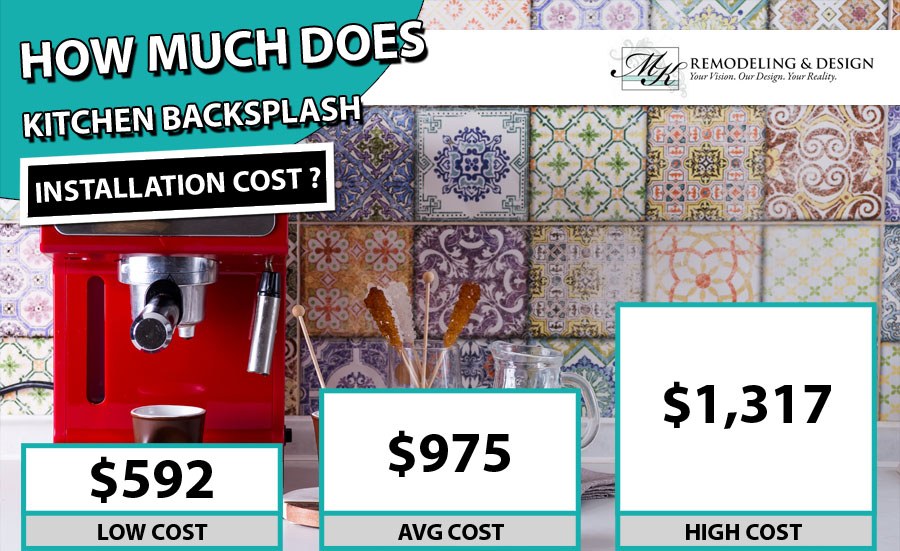
Image Source: mkremodeling.com
Deciphering Backsplash Material Cost
The most significant factor influencing your kitchen backsplash installation cost is the material you select. From classic ceramic to luxurious natural stone, each option comes with its own price tag.
Popular Backsplash Materials and Their Pricing
Here’s a look at some common backsplash materials and their general cost ranges per square foot. Remember, these are estimates, and actual prices can vary based on brand, quality, and where you shop.
- Ceramic Tile: This is often the most budget-friendly option, typically ranging from $0.50 to $10 per square foot. It’s durable, easy to clean, and comes in an endless array of colors, patterns, and finishes.
- Porcelain Tile: Slightly more expensive than ceramic, porcelain usually falls between $1 to $15 per square foot. It’s denser, less porous, and more durable than ceramic, making it an excellent choice for high-traffic areas.
- Subway Tile: A timeless favorite, the cost of subway tile backsplash is very competitive, often ranging from $1 to $8 per square foot for ceramic or porcelain versions. Glass subway tiles can push this up to $5 to $20 per square foot.
- Mosaic Tile: These intricate designs can vary widely. Smaller glass or ceramic mosaics might start around $5 per square foot, while intricate glass, stone, or metal mosaics can cost $15 to $50 or more per square foot. The cost of mosaic tile backsplash often reflects the complexity of the design and the materials used.
- Natural Stone (Marble, Granite, Slate): These offer a luxurious look but come at a higher price. Marble can range from $5 to $30 per square foot, granite from $10 to $40 per square foot, and slate from $8 to $30 per square foot. These materials can be porous and require sealing.
- Glass Tile: Available in sheets, glass tiles offer a sleek, modern look and typically cost between $5 to $20 per square foot. They are easy to clean but can be more prone to chipping if not installed or maintained properly.
- Metal Tile: Stainless steel, aluminum, or copper tiles provide an industrial or contemporary feel. Costs can range from $5 to $25 per square foot, depending on the metal and design.
- Peel-and-Stick Backsplashes: These are generally the most affordable and easiest to install, often costing $0.50 to $5 per square foot. While convenient, their durability and long-term appearance may not match traditional tile.
Table 1: Backsplash Material Cost Comparison (Per Square Foot)
| Material | Estimated Cost Range (per sq ft) | Notes |
|---|---|---|
| Ceramic Tile | $0.50 – $10 | Wide variety, budget-friendly |
| Porcelain Tile | $1 – $15 | Durable, less porous than ceramic |
| Subway Tile | $1 – $20 | Classic look, varies by material |
| Mosaic Tile | $5 – $50+ | Intricate designs, material dependent |
| Natural Stone | $5 – $40+ | Luxurious, often requires sealing |
| Glass Tile | $5 – $20 | Sleek, modern, easy to clean |
| Metal Tile | $5 – $25 | Industrial/contemporary, durable |
| Peel-and-Stick | $0.50 – $5 | Budget-friendly, easy to install |
Labor Cost for Backsplash Installation
Beyond the backsplash material cost, you’ll need to factor in the labor cost for backsplash installation. This is a crucial part of your overall kitchen backsplash installation cost. The amount you pay for labor depends on several factors:
- Installer’s Experience and Reputation: Highly sought-after professionals or specialized tile setters may charge more.
- Geographic Location: Labor rates vary significantly by region.
- Complexity of the Job: Intricate patterns, detailed cuts around outlets and windows, or working with difficult materials will increase labor time and cost.
- Amount of Prep Work: If the existing wall needs repair or extensive cleaning, this will add to the labor cost.
Generally, you can expect to pay between $30 and $100 per hour for a professional tile installer. Some may also charge a flat rate per square foot, typically ranging from $15 to $50 per square foot, depending on the tile type and complexity.
DIY Backsplash vs. Professional Installation
The decision between a DIY backsplash vs. professional installation can significantly impact your budget.
DIY Backsplash
Pros:
- Cost Savings: You save on labor costs, which can be a substantial portion of the total expense.
- Sense of Accomplishment: There’s a great feeling of satisfaction in doing it yourself.
- Flexibility: You can work on your own schedule.
Cons:
- Time Commitment: It can take considerably longer than a professional, especially if you’re new to tiling.
- Potential for Errors: Mistakes can be costly, requiring you to buy more materials or even hire a professional to fix them. Uneven grout lines, improperly cut tiles, or poor adhesion can detract from the final look and longevity.
- Tool Investment: You might need to purchase or rent specialized tools like tile cutters, nippers, and grout floats.
- Physical Effort: Tiling can be physically demanding, involving bending, cutting, and lifting.
Professional Installation
Pros:
- Expertise and Quality: Professionals have the skills and experience to ensure a clean, precise, and durable installation. They know how to handle tricky cuts and ensure proper adhesion.
- Time Efficiency: They can complete the job much faster than most DIYers.
- Reduced Stress: You don’t have to worry about making mistakes or buying the right tools.
- Warranty (Sometimes): Some professionals offer warranties on their workmanship.
Cons:
- Higher Cost: You’ll pay for their expertise and time.
- Scheduling: You need to coordinate with their availability.
Calculating Your Backsplash Installation Estimate
To get a realistic backsplash installation estimate, you’ll need to measure your kitchen.
- Measure the Area: Measure the height and width of the backsplash area from the countertop to the bottom of the upper cabinets. Multiply these numbers to get the square footage. Don’t forget to account for areas around windows and outlets.
- Add for Waste: It’s standard practice to add 10-15% extra material to account for cuts, breakage, and potential future repairs.
- Factor in Other Materials: Remember to include the cost of:
- Thin-set mortar or adhesive: The bonding agent for the tiles.
- Grout: Fills the spaces between tiles.
- Sealer (if needed): For porous materials like natural stone.
- Caulk: For sealing edges and transitions.
- Backer board (if needed): For uneven surfaces or areas prone to moisture.
Example Calculation:
Let’s say you have a 10-foot long backsplash that is 2 feet high.
- Area: 10 ft * 2 ft = 20 sq ft
- Add 15% for waste: 20 sq ft * 1.15 = 23 sq ft
- Material Cost: If you choose ceramic tile at $5 per sq ft, the material cost is 23 sq ft * $5/sq ft = $115.
- Labor Cost: If professional installation is $30 per sq ft, labor would be 23 sq ft * $30/sq ft = $690.
- Additional Materials (Mortar, Grout, etc.): Estimate $50 – $100.
- Total Estimated Cost: $115 (material) + $690 (labor) + $75 (misc.) = $880.
This is a simplified example. A precise backsplash installation estimate will require more detailed measurements and quotes from suppliers and installers.
Factors Influencing the Average Cost Kitchen Backsplash
Several factors can influence the average cost kitchen backsplash, making each project unique.
Size and Complexity of the Backsplash Area
The larger the area you need to cover, the higher the overall kitchen backsplash installation cost will be. Simple, straight runs are less expensive to install than areas with many angles, corners, or obstructions like windows, doors, or electrical outlets that require precise cutting.
Tile Type and Pattern
As discussed, the material chosen is a primary cost driver. Beyond the material itself, the complexity of the pattern can also affect labor costs. A simple subway tile laid in a traditional brick pattern is generally quicker and less expensive to install than intricate mosaic patterns, herringbone designs, or custom tile layouts.
Preparation Requirements
If your existing walls are damaged, uneven, or have old wallpaper that needs removal, this prep work will add to the overall cost. Sometimes, a new substrate like cement board might be necessary, especially in damp areas, which increases the material and labor expenses.
Grout and Sealing
The type of grout and whether sealing is required will also impact the final price. Epoxy grouts are more expensive but offer superior stain and moisture resistance. Natural stone often requires regular sealing to prevent staining, adding to both initial and ongoing costs.
Geographical Location
Labor rates and material costs can vary significantly depending on your location. Major metropolitan areas typically have higher prices than rural regions.
Removal of Old Backsplash
If you have an existing backsplash that needs to be removed, factor in the labor cost for this demolition and disposal.
Cost Breakdown: A Deeper Dive
Let’s break down the costs further to give you a clearer picture for your backsplash pricing guide.
Material Costs Breakdown
This covers the tiles themselves, along with essential accompanying materials.
- Tiles: The primary expense, as detailed earlier.
- Adhesive (Thin-set Mortar/Mastic): Costs typically range from $10 to $30 per bag, depending on the type and quantity needed. For a standard kitchen backsplash, you might need 1-2 bags.
- Grout: Prices vary by type (sanded, unsanded, epoxy) and color, usually costing $10 to $50 per container. You’ll need enough to fill the grout lines.
- Grout Sealer (if applicable): For natural stone or certain types of tile, a sealer is essential. Expect to pay $15 to $30 per bottle, with one bottle often sufficient for a standard backsplash.
- Caulk: Used to seal gaps between the backsplash and countertops or cabinets, typically costing $5 to $10 per tube.
- Backer Board (if needed): If installing on drywall or in a wet area, you might need cement board or a similar substrate. This can add $10 to $20 per sheet.
Labor Costs Breakdown
This is the cost of hiring a professional to do the work.
- Tile Installer Hourly Rate: $30 – $100+ per hour.
- Tile Installer Per Square Foot Rate: $15 – $50+ per square foot (includes installation of tile, grout, and sealant).
- Prep Work (Demolition, Wall Repair): Can be billed hourly or as a separate line item.
- Cleanup and Waste Disposal: Often included in the overall labor, but sometimes an extra charge.
Potential Additional Costs
- Tools and Supplies (for DIY): Tile saw ($100-$300), nippers ($20-$50), grout float ($10-$20), sponges ($5-$10), buckets ($5-$15), safety glasses ($5-$10). Renting a tile saw can be a good option if you don’t want to buy.
- Permits: While uncommon for backsplash installations, if your project is part of a larger renovation, permits might be required.
- Unexpected Issues: Hidden water damage, faulty wiring behind the walls, or discovering a need for more extensive prep work can lead to unforeseen expenses.
Tips for Managing Your Backsplash Installation Budget
To keep your kitchen backsplash installation cost in check, consider these tips:
1. Plan Meticulously
- Measure Twice, Cut Once: Accurate measurements prevent costly mistakes.
- Choose Your Materials Wisely: Balance your desire for aesthetics with your budget. Sometimes a slightly less expensive but still beautiful tile can save significant money.
- Get Multiple Quotes: Don’t settle for the first estimate. Contact at least three reputable installers to compare pricing. Ask for detailed, written backsplash installation estimates.
2. Consider the Timing
- Off-Season Projects: Contractors might be less busy during certain times of the year, potentially leading to slightly lower labor rates.
- Buy Materials on Sale: Keep an eye out for sales at home improvement stores and tile suppliers.
3. Embrace Smart DIY
- Tackle Simple Tasks: If you’re comfortable with basic DIY, consider doing the demolition and prep work yourself to save on labor.
- Focus on Easier Materials: Peel-and-stick backsplashes or large-format tiles are generally easier to install for beginners than small mosaics.
4. Explore Material Alternatives
- Ceramic vs. Porcelain: Ceramic is usually cheaper than porcelain.
- Subway Tile Varieties: Ceramic subway tiles are significantly less expensive than glass or natural stone versions.
- Mimic Materials: Look for tiles that mimic the look of more expensive materials like marble or natural stone but at a lower price point.
5. Factor in Long-Term Value
While a budget-friendly option might seem appealing initially, consider the longevity and maintenance of the material. A more expensive, durable material might save you money in the long run by avoiding premature replacement or costly repairs.
Frequently Asked Questions (FAQ)
Q1: How long does it take to install a kitchen backsplash?
A professional installer can typically complete a standard kitchen backsplash in 1 to 3 days. For a DIYer, it could take anywhere from 2 days to a week, depending on skill level and available time.
Q2: Is it worth it to get a professional for backsplash installation?
For most people, yes. While it increases the initial kitchen backsplash installation cost, a professional ensures a high-quality, durable, and aesthetically pleasing result, avoiding costly mistakes that a DIYer might make.
Q3: What is the cheapest backsplash material?
Peel-and-stick vinyl or laminate backsplashes are generally the cheapest, often costing less than $1 per square foot. Basic ceramic tiles are also very budget-friendly, starting around $0.50 per square foot.
Q4: How much extra tile should I buy?
It’s standard practice to buy 10-15% extra tile to account for cuts, breakage during installation, and potential future repairs.
Q5: Can I install a backsplash over existing tile?
In some cases, yes, if the existing tile is in good condition and properly adhered. However, it’s usually recommended to remove the old tile for a cleaner, more secure installation, especially if you plan to use different types of tiles or adhesives. This adds to the overall kitchen backsplash installation cost if you need to remove the old backsplash.
Q6: What’s the difference in cost between subway tile and mosaic tile?
The cost of subway tile backsplash is typically lower, ranging from $1-$8 per square foot for ceramic/porcelain. The cost of mosaic tile backsplash can be much higher, from $5 to $50+ per square foot, due to the intricate patterns and potentially more expensive materials (like glass or stone).
Q7: How do I get a backsplash installation estimate?
Measure the area you want to cover and multiply the length by the height to get the square footage. Then, get quotes from several tile suppliers and professional installers. Provide them with your measurements and the type of material you’re interested in.
By carefully considering these factors and planning ahead, you can successfully navigate the kitchen backsplash installation cost and achieve a beautiful, functional addition to your kitchen.