
The average cabinet refinishing cost can range from $500 to $8,000 or more, depending on the size of your kitchen, the material of your cabinets, and the chosen method of resurfacing. So, how much does it cost to resurface kitchen cabinets? The price to resurface cabinets varies significantly. Generally, you can expect to spend between $30 to $100 per linear foot for professional resurfacing services, with most homeowners spending around $3,000 to $5,000 for a medium-sized kitchen.
Revitalizing your kitchen cabinets is a fantastic way to update your home’s look without the massive expense of a full kitchen remodel. Whether you’re considering a fresh coat of paint, a rich stain, or a modern overlay, knowing the potential costs involved is crucial. This guide will delve into the various factors influencing the kitchen cabinet painting price, cabinet resurfacing expenses, and other popular renewal methods, helping you budget effectively and get accurate estimates.
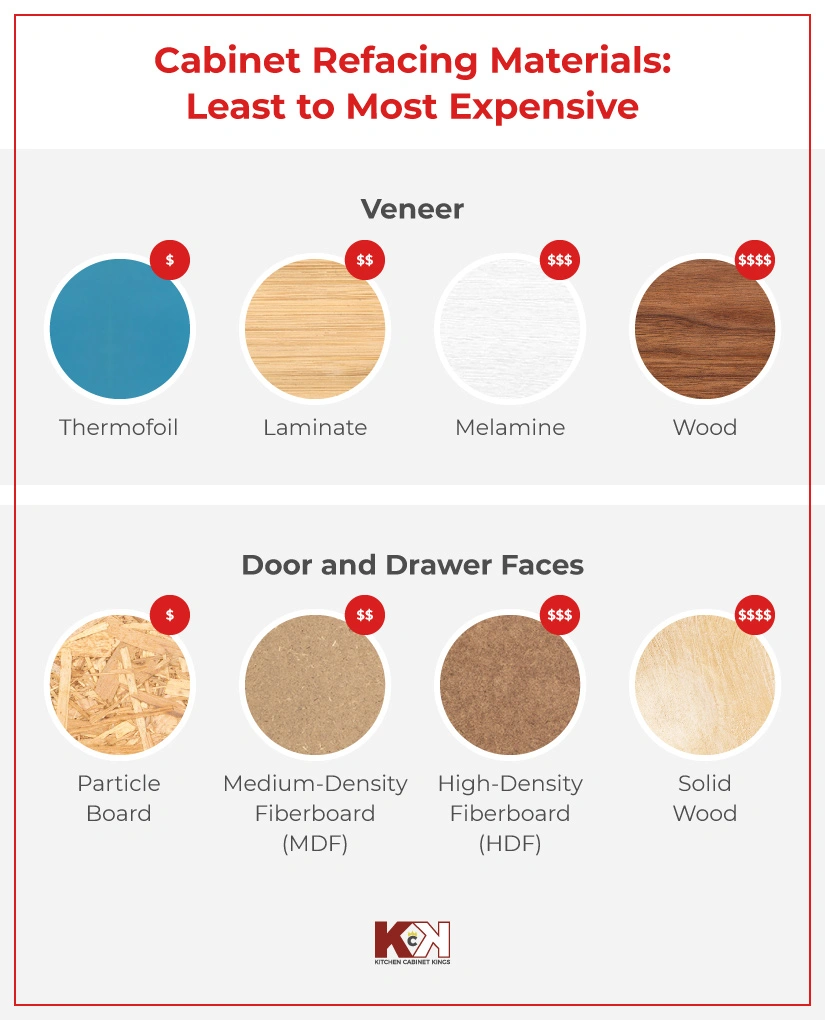
Image Source: cdn.kitchencabinetkings.com
Deciphering Cabinet Resurfacing Options and Costs
When you decide to update your kitchen cabinets, you’re not just looking at a single solution. There are several popular methods, each with its own impact on your wallet and the final aesthetic. Let’s break down these options:
Cabinet Refinishing Cost: A Closer Look
Cabinet refinishing is a broad term, but most commonly refers to cleaning, sanding, and applying a new finish (paint or stain) to existing cabinet surfaces. This process breathes new life into tired-looking cabinets, often at a fraction of the cost of replacement.
-
Cabinet Refinishing Cost Breakdown:
- DIY: If you’re handy, you can tackle this yourself. The cost for materials (paint, primer, sandpaper, brushes, rollers, cleaning supplies) can range from $100 to $500 for an average-sized kitchen. However, this doesn’t account for your time or the potential for mistakes.
- Professional: Hiring professionals for cabinet refinishing will naturally increase the price. Expect to pay between $30 to $75 per door and drawer front or $40 to $100 per linear foot. For a typical kitchen with 20-30 doors and drawers, this could mean a total cost to refinish kitchen cabinets of $1,500 to $5,000.
-
Factors Affecting Refinishing Costs:
- Cabinet Size and Quantity: More cabinets mean more labor and materials, driving up the overall cost.
- Cabinet Material: Wood cabinets are generally easier to refinish than laminate or particleboard, which might require special primers or techniques, potentially increasing costs.
- Current Finish: Cabinets with heavily damaged or layered finishes may require more intensive preparation, adding to the labor cost.
- Desired Finish: Opting for a complex color, glaze, or distressed look will likely cost more than a simple paint job.
- Labor Rates: The cost of hiring a professional varies by geographic location and the experience of the contractor.
Kitchen Cabinet Painting Price: Getting That Fresh Look
Painting cabinets is one of the most popular and transformative resurfacing methods. It allows for a dramatic change in your kitchen’s color scheme.
-
Typical Kitchen Cabinet Painting Price:
- DIY: Similar to general refinishing, DIY painting can cost between $100 to $400 in materials. Success depends heavily on preparation and technique.
- Professional: When hiring professionals, the kitchen cabinet painting price can range from $30 to $75 per door/drawer or $40 to $100 per linear foot. For an average kitchen, this translates to $2,000 to $6,000. This price often includes thorough cleaning, sanding, priming, and multiple coats of high-quality cabinet paint.
-
What’s Included in Professional Painting:
- Surface Preparation: This is the most critical step. It involves removing hardware, degreasing, sanding for adhesion, and filling any holes or imperfections.
- Priming: A good primer ensures even paint application and helps prevent bleed-through from the original finish.
- Painting: Typically, two to three coats of durable cabinet-grade paint are applied for a smooth, long-lasting finish. Sprayed finishes usually offer a smoother, more professional look than brushed or rolled finishes.
- Reassembly: Reattaching doors, drawers, and hardware.
Cabinet Staining Cost: Embracing Wood’s Natural Beauty
If your cabinets are made of solid wood and you prefer to showcase the natural grain, staining is an excellent option.
-
Average Cabinet Staining Cost:
- DIY: Material costs for staining are comparable to painting, typically $100 to $400. Staining requires a different skill set, particularly in achieving an even and consistent color.
- Professional: For professional cabinet staining cost, you can expect to pay $35 to $85 per door/drawer or $50 to $120 per linear foot. This means a professional job for an average kitchen could fall between $2,000 to $6,500.
-
Considerations for Staining:
- Wood Type: Different wood species absorb stain differently, which can affect the final color. Oak and pine will look quite different with the same stain.
- Grain Pattern: The natural grain of the wood will be visible through the stain, which can be a beautiful feature or a potential concern if the grain is uneven.
- Preparation: Like painting, proper cleaning and sanding are essential for the stain to penetrate evenly.
Cabinet Refacing Cost: A Different Approach to Renewal
Cabinet refacing is a more substantial undertaking than refinishing. Instead of altering the existing cabinet boxes, refacing involves applying new materials – typically veneer or solid wood – to the visible surfaces of your existing cabinet frames and installing brand-new doors and drawer fronts.
- Understanding Cabinet Refacing: This method essentially gives your cabinets a “new skin” while keeping the cabinet boxes intact. It’s a great option if your cabinet boxes are in good condition but the doors and drawer fronts are outdated or damaged.
-
Cabinet Refacing Cost: This is generally more expensive than refinishing. The cabinet refacing cost typically ranges from $50 to $150 per linear foot, or $5,000 to $12,000 for an average-sized kitchen. The higher cost is due to the materials used (new doors, drawer fronts, and veneers) and the more involved labor.
-
What Influences Cabinet Refacing Costs:
- Material Choice: Solid wood doors (like cherry, maple, or oak) are more expensive than laminate or vinyl options.
- Door Style: Complex door designs with multiple panels or decorative moldings will increase the price.
- Hardware: The cost of new hinges, knobs, and pulls can add to the overall expense.
- Labor: Installation requires precision to ensure a seamless look.
Cabinet Overlay Cost: A Mid-Range Option
Cabinet overlay is a type of refacing where new doors and drawer fronts are made slightly larger to cover the cabinet openings and the face frames of the existing cabinet boxes. This creates a cleaner, more modern look, often hiding the original cabinet box construction.
-
Estimating Cabinet Overlay Cost: The cabinet overlay cost often falls between standard refacing and full cabinet replacement. Expect prices ranging from $70 to $170 per linear foot, or $6,000 to $14,000 for an average kitchen.
-
Pros of Cabinet Overlay:
- Provides a sleek, modern appearance.
- Hides the old cabinet box structure.
- Can update the style significantly.
Kitchen Cabinet Renewal Cost: Broadening the Scope
The term kitchen cabinet renewal cost can encompass a variety of services aimed at improving the look and function of your cabinets. This might include minor repairs, hardware upgrades, or even adding organizational features, in addition to refinishing or refacing.
- Factors contributing to overall Kitchen Cabinet Renewal Cost:
- Repairing Damage: Fixing warped doors, loose hinges, or damaged drawer slides.
- Hardware Updates: Replacing old knobs, pulls, and hinges with new, modern styles.
- Adding Features: Installing pull-out shelves, drawer organizers, or soft-close mechanisms.
- Lighting: Adding under-cabinet lighting can dramatically enhance the kitchen’s ambiance and functionality.
The cost to refinish kitchen cabinets will be significantly lower than a full cabinet replacement but higher than a simple DIY paint job. It’s about finding the right balance between budget and desired outcome.
Factors Influencing the Price to Resurface Cabinets
Regardless of the specific method you choose, several overarching factors will influence the final price to resurface cabinets.
Size of Your Kitchen
This is perhaps the most significant factor. A larger kitchen with more cabinets will naturally cost more to resurface than a smaller one. Contractors often quote prices per linear foot or per cabinet door/drawer front, so measuring your kitchen accurately is essential for obtaining comparable estimates.
Cabinet Material
The material of your existing cabinets plays a crucial role:
- Solid Wood (Oak, Maple, Cherry): These are generally the most straightforward to refinish, sand, and stain. Professionals are accustomed to working with them.
- MDF (Medium-Density Fiberboard): Often used for painted cabinets, MDF can be painted smoothly. However, it can be susceptible to moisture damage and may require specific primers.
- Laminate/Veneer: These surfaces can be tricky. Some can be painted with special adhesion primers, while others may require professional stripping or may not hold up well to sanding. Refacing is often a better option for laminate cabinets if you’re looking for a significant aesthetic change.
- Thermafoil: This is a vinyl film applied to MDF. It is notoriously difficult to refinish. If the film is peeling or damaged, refacing or replacement is usually the best course of action. Attempting to paint or sand thermofoil can result in melting or peeling, leading to a poor finish.
Condition of Existing Cabinets
The current state of your cabinets will dictate the amount of preparation work needed.
- Minor Wear and Tear: Scratches, scuffs, and fading will require basic cleaning and sanding.
- Significant Damage: Deep gouges, chipped veneer, or water damage might necessitate more extensive repairs, wood filler, or even replacement of specific components, increasing the overall cost.
- Previous Finishes: Cabinets that have been painted multiple times or have a complex finish might require chemical stripping or more aggressive sanding, adding labor and material costs.
Chosen Resurfacing Method
As we’ve discussed, the method itself is a primary cost driver:
- Painting: Generally less expensive than refacing.
- Staining: Can be similar in cost to painting, depending on the wood and desired finish.
- Refacing: More expensive due to new doors, drawer fronts, and veneers.
- Overlay: Often falls into a similar price range as refacing or slightly higher.
Labor Costs and Contractor Rates
Professional services always come with a labor cost. This can vary significantly based on:
- Geographic Location: Areas with a higher cost of living typically have higher labor rates.
- Contractor Experience and Reputation: Highly sought-after contractors may charge more for their expertise and guaranteed quality.
- Scope of Work: Does the quote include hardware removal and reinstallation? Does it include minor repairs?
Finish and Hardware Choices
- Paint Colors and Finishes: Specialty paints (e.g., metallics, high-gloss finishes, custom colors) can be more expensive.
- Stain Colors: Some premium stains or custom color mixing might incur additional charges.
- Hardware: New knobs, pulls, and hinges can range from a few dollars each to over $50 each, depending on the material and design. If your cabinet doors need new drilling for hardware, this can also add to the labor.
Getting Accurate Estimates for Your Kitchen Cabinet Project
To get a realistic idea of kitchen cabinet renovation cost specifically related to resurfacing, it’s essential to gather multiple quotes from reputable professionals.
How to Prepare for an Estimate Appointment:
- Measure Your Kitchen: Know the linear footage of your cabinet runs. Count the number of upper and lower cabinet doors, drawer fronts, and any specialty panels (like for a pantry or dishwasher).
- Define Your Vision: Have a clear idea of the finish you want (paint color, stain color, sheen) and the style of hardware you prefer. Look for inspiration photos.
- Assess Cabinet Condition: Note any visible damage, peeling veneer, or structural issues.
- Identify Cabinet Material: If possible, determine what your cabinets are made of.
What to Ask Potential Contractors:
- What is included in your estimate? (e.g., cleaning, sanding, priming, number of paint coats, hardware removal/reinstallation, cleanup)
- What is your process for preparing the cabinets? (This is crucial for a durable finish.)
- What type of paint/stain do you use? (Ask for specific product names if possible and research their quality.)
- Do you spray or brush/roll the finish? (Spraying generally yields a smoother, more professional result.)
- How long will the project take?
- What is your warranty or guarantee on the work?
- Can you provide references or show examples of similar work?
- Are you licensed and insured?
Comparing Estimates:
Don’t just look at the bottom line. Compare the details of each quote:
- Scope of Work: Ensure each quote covers the same services.
- Materials: Are they using high-quality, durable products?
- Timeline: Does the estimated completion time seem reasonable?
- Professionalism: Did the contractor seem knowledgeable, responsive, and organized?
DIY vs. Professional Resurfacing: Weighing the Pros and Cons
The decision to tackle cabinet resurfacing yourself or hire a professional involves trade-offs.
DIY Resurfacing
- Pros:
- Significant cost savings on labor.
- Sense of accomplishment.
- Full control over the process.
- Cons:
- Time-consuming.
- Requires specialized tools and skills for a professional finish.
- Risk of errors leading to costly mistakes or an unsatisfactory outcome.
- Can be physically demanding.
Professional Resurfacing
- Pros:
- Professional, high-quality finish.
- Saves time and effort.
- Contractors have the right tools and experience.
- Often comes with a warranty.
- Cons:
- Higher overall cost.
- Less control over the day-to-day process.
- Requires finding and vetting a reliable contractor.
Kitchen Cabinet Renewal Cost: Beyond the Surface
While the cabinet refinishing cost or kitchen cabinet painting price covers the aesthetic update, consider other potential expenses that might fall under a broader kitchen cabinet renovation cost:
- Cabinet Repairs: If your cabinet boxes are structurally unsound, you might need more extensive repairs that go beyond simple surface treatment. This could involve reinforcing joints, replacing damaged shelves, or fixing warped cabinet frames.
- Hardware Replacement: Upgrading hinges, drawer slides, and door pulls is a relatively inexpensive way to refresh the look and improve functionality. New hinges can cost between $2-$10 each, while quality drawer slides can range from $15-$50 per set.
- Cabinet Organization: Installing pull-out shelves, lazy Susans, or drawer dividers can significantly improve usability and are often integrated into a renovation project. These can add $50-$200 per shelf or drawer.
- Professional Cleaning: While contractors usually include cleaning, if you’re doing it yourself, ensure you use appropriate degreasers and cleaners for the best results.
Frequently Asked Questions (FAQ)
How long does cabinet refinishing typically take?
Professional cabinet refinishing, including preparation and painting/staining, usually takes 1 to 3 weeks. This depends on the number of cabinets, the complexity of the job, drying times between coats, and the contractor’s schedule. DIY projects can take considerably longer, often spanning several weekends.
Can I paint over stained cabinets?
Yes, you can paint over stained cabinets, but proper preparation is crucial. This involves cleaning thoroughly, sanding to create a surface for adhesion, and applying a high-quality primer specifically designed for stained wood.
What is the difference between cabinet refinishing and cabinet refacing?
Refinishing involves sanding, cleaning, and applying a new finish (paint or stain) to your existing cabinet surfaces and doors. Refacing involves applying new wood veneer or laminate to the visible parts of your cabinet boxes and installing brand-new doors and drawer fronts. Refinishing is generally less expensive.
Is it cheaper to paint or stain cabinets?
The cost to refinish kitchen cabinets by painting or staining is often comparable, especially when hiring professionals. The price difference usually comes down to the specific products used, the complexity of the finish desired, and the labor involved in achieving that finish.
How much does cabinet resurfacing add to home value?
Updating kitchen cabinets can significantly enhance your home’s appeal and value. A well-done cabinet resurfacing project can boost resale value by making your kitchen appear more modern and well-maintained. While the ROI varies, a refreshed kitchen is a major selling point.
Can you resurface laminate cabinets?
Resurfacing laminate cabinets is challenging. While some laminate surfaces can be painted with specialized primers and paints, the durability of the finish can be inconsistent. If the laminate is peeling or you want a significant aesthetic change, cabinet refacing or replacement might be a better long-term solution.
What is cabinet overlay cost compared to refacing?
The cabinet overlay cost is often slightly higher than traditional cabinet refacing. This is because the new doors and drawer fronts are custom-made to be larger, creating a more substantial coverage over the existing cabinet frames, which can involve more precise craftsmanship.
By carefully considering these options, costs, and preparation steps, you can confidently approach your kitchen cabinet resurfacing project, ensuring a beautiful and budget-friendly transformation.