
Thinking about adding a kitchen island? You’re not alone! The cost of a kitchen island can vary wildly, but generally, you can expect to spend anywhere from $150 for a basic portable cart to over $5,000 or more for a custom-built centerpiece with premium materials. This guide will break down the factors influencing kitchen island prices and help you budget effectively.
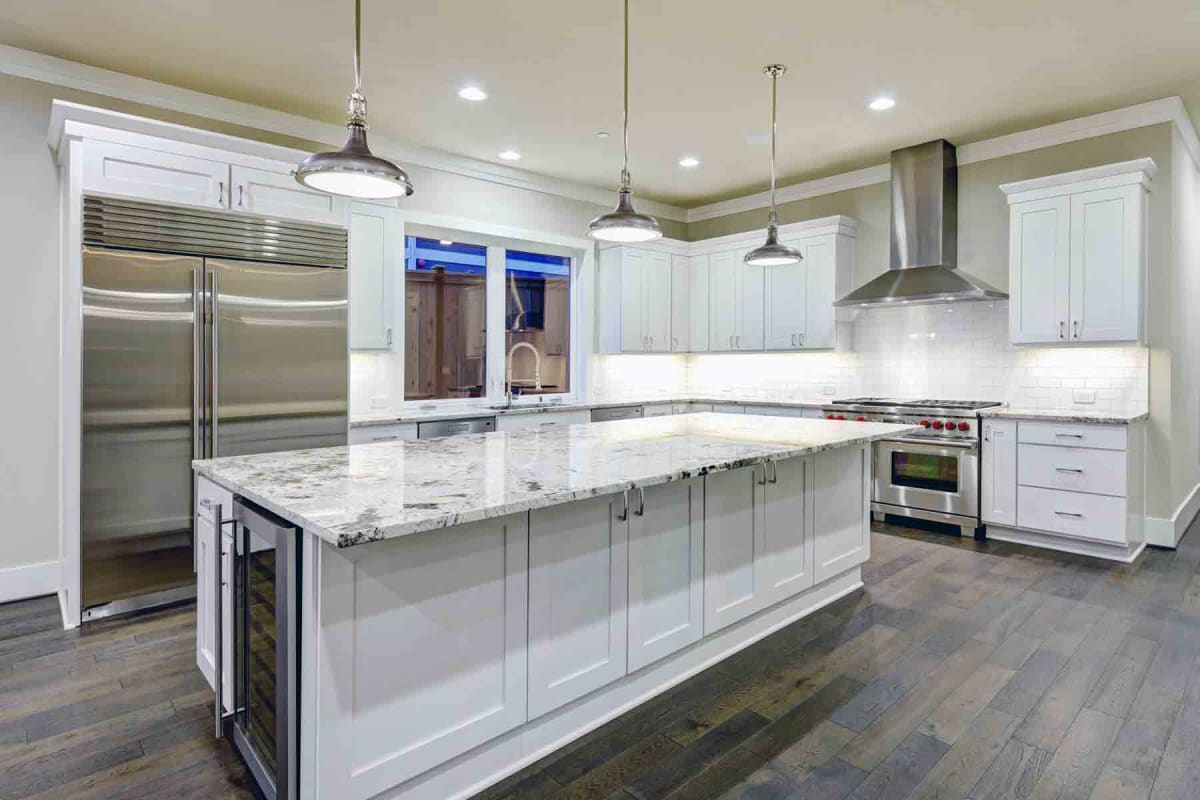
Image Source: res.cloudinary.com
Deciphering the Cost of a Kitchen Island
The kitchen island cost isn’t a simple figure. It’s a mosaic built from several key components: the island itself, its materials, countertops, and the installation process. Let’s dissect each element to give you a clearer picture.
Prefabricated vs. Custom Kitchen Islands: A Cost Comparison
One of the biggest differentiators in kitchen island prices is whether you opt for a prefabricated unit or a custom-built one.
Prefabricated Kitchen Islands
These are typically mass-produced and available in a wide range of styles and sizes. Think of them as ready-to-go solutions.
- Pros:
- Lower Cost: Generally significantly cheaper than custom options.
- Faster Availability: You can often purchase and install them much quicker.
- Variety: Available from big-box stores, online retailers, and furniture shops.
- Cons:
- Limited Customization: You’re limited to existing designs, sizes, and finishes.
- Material Quality: Can sometimes use lower-grade materials compared to custom builds.
- Fit: May not perfectly fit your specific kitchen dimensions.
Average Kitchen Island Cost for Prefabricated:
- Basic portable carts/islands: $150 – $500
- Standard freestanding islands with storage: $500 – $2,000
- Higher-end prefabricated islands with premium finishes: $2,000 – $4,000
Custom Kitchen Islands
These are designed and built to your exact specifications, from size and shape to materials and features.
- Pros:
- Perfect Fit: Tailored to your kitchen’s layout and your needs.
- Unique Design: Reflects your personal style and functional requirements.
- Quality Materials: You can choose higher-quality woods, stones, and hardware.
- Integrated Features: Can easily incorporate sinks, cooktops, wine fridges, etc.
- Cons:
- Higher Cost: Significantly more expensive due to bespoke design and construction.
- Longer Lead Time: Design, fabrication, and installation can take weeks or months.
- Requires Professional Design: You’ll likely need to work with a designer or contractor.
Average Kitchen Island Cost for Custom:
- Custom island with standard materials: $2,000 – $5,000
- Custom island with premium materials and features: $5,000 – $10,000+
The Impact of Kitchen Island Materials Cost
The materials used for the island’s base and its countertop are significant cost drivers.
Base Materials
The structure of the island itself can be made from various materials, each with its own price point.
- Solid Wood (Pine, Poplar): More budget-friendly, good for painting or staining.
- Cost Range: $500 – $1,500 for the base (depending on size and complexity).
- Solid Wood (Oak, Maple, Cherry): More durable and attractive hardwoods.
- Cost Range: $800 – $2,500 for the base.
- Plywood/MDF with Veneer: A good compromise for a wood look at a lower cost.
- Cost Range: $400 – $1,200 for the base.
- Metal (Stainless Steel, Powder-Coated Steel): Modern and durable, often seen in commercial or industrial styles.
- Cost Range: $700 – $2,000 for the base.
- Laminate/Thermofoil: Very budget-friendly, but can be less durable.
- Cost Range: $200 – $800 for the base.
Kitchen Island Countertop Cost
This is often one of the most substantial parts of the kitchen island cost.
- Laminate: The most affordable option.
- Cost Range: $50 – $150 per linear foot.
- Butcher Block (Wood): Warm and practical for food prep, requires maintenance.
- Cost Range: $70 – $250 per linear foot.
- Solid Surface (e.g., Corian): Non-porous and seamless, available in many colors.
- Cost Range: $100 – $200 per linear foot.
- Granite: Durable, heat-resistant, and a popular choice.
- Cost Range: $150 – $300 per linear foot.
- Quartz: Non-porous, stain-resistant, and very durable, mimicking natural stone.
- Cost Range: $200 – $350 per linear foot.
- Marble: Beautiful and luxurious, but softer and more prone to etching/staining.
- Cost Range: $250 – $500+ per linear foot.
- Concrete: Can be cast in place or prefabricated, offering a modern look.
- Cost Range: $200 – $450 per linear foot.
- Stainless Steel: Industrial look, very durable, and heat-resistant.
- Cost Range: $200 – $400 per linear foot.
Table: Typical Kitchen Island Countertop Costs (per linear foot)
| Material | Average Cost (per linear foot) | Notes |
|---|---|---|
| Laminate | $50 – $150 | Budget-friendly, wide design options. |
| Butcher Block | $70 – $250 | Warm look, good for prep, needs sealing. |
| Solid Surface | $100 – $200 | Seamless, non-porous, easy to repair. |
| Granite | $150 – $300 | Durable, heat-resistant, natural beauty. |
| Quartz | $200 – $350 | Very durable, stain-resistant, consistent. |
| Marble | $250 – $500+ | Luxurious, softer, requires care. |
| Concrete | $200 – $450 | Modern, customizable, can be heavy. |
| Stainless Steel | $200 – $400 | Industrial, durable, heat resistant. |
Kitchen Island Installation Cost: The Labor Component
Even if you buy a prefabricated island, you’ll need to account for installation. If you’re going custom, the labor cost kitchen island is integrated into the overall project.
DIY Installation
- When it’s feasible: For simple, freestanding, non-plumbed islands, DIY is possible if you have basic carpentry skills.
- Potential Costs:
- Tools rental/purchase.
- Fasteners (screws, anchors).
- Paint/stain/sealer.
- Your time and effort!
Professional Installation
This is recommended for most situations, especially if you’re installing an island with plumbing, electrical outlets, or if it needs to be permanently affixed to the floor.
- Factors influencing labor costs:
- Complexity: Islands with sink/cooktop hookups, electrical wiring, or intricate designs will cost more to install.
- Location: The cost of labor varies significantly by region.
- Contractor Rates: Experienced contractors typically charge more.
- Island Type: Attaching a heavy stone countertop to a custom base requires more skill and time than placing a portable island.
Average Kitchen Island Installation Cost:
- Simple, freestanding island: $200 – $600
- Island with minor electrical work (outlets): $400 – $900
- Island with plumbing (sink) and electrical: $800 – $2,000+
This cost is often rolled into the overall custom kitchen island price.
Additional Features and Their Costs
Beyond the basic structure and countertop, several optional features can significantly impact the final kitchen island cost.
Storage Solutions
- Drawers vs. Doors: Drawers are generally more expensive due to the hardware and mechanisms involved.
- Specialty Drawers: Pull-out trash/recycling bins, spice racks, or pot/pan organizers add to the cost.
- Open Shelving: Often more budget-friendly than closed cabinetry.
- Wine Racks/Cabinets: Add a premium.
Integrated Appliances
- Microwave Drawer: $400 – $1,000+
- Dishwasher (Compact): $600 – $1,200+
- Beverage Fridge/Wine Cooler: $500 – $2,000+
- Cooktop (Induction/Gas): $500 – $1,500+
- Sink: $200 – $800+ (depending on material and type)
- Garbage Disposal: $100 – $300+
Electrical and Plumbing
- Electrical Outlets/USB Ports: $100 – $300 per outlet/installation.
- Under-counter lighting: $50 – $200+ depending on the type and extent.
- Plumbing for Sink/Dishwasher: Can add $500 – $1,500+ depending on existing infrastructure and complexity.
Other Features
- Seating (Overhang/Bar): Cost of materials and potential support brackets.
- Custom Paint/Stain: $200 – $600+ for professional finishes.
- Decorative Elements: Corbels, trim, specialized hardware can add up.
Budgeting for Your Kitchen Island
Now that you have a grasp of the various cost components, let’s talk about how to budget effectively.
Step 1: Define Your Needs and Wants
Before looking at kitchen island prices, clearly outline what you want the island to do for you.
- Functionality:
- Is it primarily for prep space?
- Do you want to eat at it (island seating)?
- Do you need storage for specific items (pots, pantry staples)?
- Will it house appliances (sink, cooktop, microwave)?
- Do you need electrical outlets for small appliances?
- Size and Shape:
- Measure your kitchen carefully. Ensure there’s adequate clearance (at least 36 inches, ideally 42-48 inches) around the island for comfortable movement.
- Consider U-shaped, L-shaped, or galley kitchens – does an island fit well?
- Style:
- What is the overall aesthetic of your kitchen (modern, farmhouse, traditional)? The island should complement this.
- Material Preferences:
- Do you have a dream countertop material? What are your preferences for the island base?
Step 2: Set Your Realistic Budget
Based on your needs, research average kitchen island cost ranges for different types and materials. Be honest about what you can afford.
- Start with a Wishlist: List all the features you’d love to have.
- Prioritize: Identify must-haves versus nice-to-haves. If your dream island is out of budget, what compromises can you make?
- Contingency Fund: Always add a buffer of 10-20% to your budget for unexpected costs or to upgrade a feature you hadn’t initially considered.
Step 3: Research and Get Quotes
Once you have a clearer idea of what you want, start researching specific options.
- For Prefabricated Islands:
- Visit large home improvement stores (Home Depot, Lowe’s).
- Browse online retailers (Wayfair, Amazon, Overstock).
- Check out furniture stores that offer kitchen islands.
- For Custom Islands:
- Contact kitchen designers or cabinet makers.
- Get multiple quotes from different contractors or carpenters. Be sure to specify the exact materials, dimensions, and features you want.
- Ask for references and look at their portfolios.
Step 4: Factor in All Costs
Don’t forget the less obvious expenses:
- Delivery Fees: Especially for large or custom pieces.
- Installation: If not included in the custom quote.
- Plumbing/Electrical Work: If you need new hookups.
- Permits: Some areas may require permits for electrical or plumbing modifications.
- Sales Tax: Varies by location.
- Finishing Touches: Paint, hardware, lighting, etc.
Cost Breakdown Examples
Let’s look at a few hypothetical scenarios to illustrate the kitchen island cost.
Scenario 1: The Budget-Friendly Option
- Type: Prefabricated, rolling island cart with butcher block top.
- Materials: Pine base with laminate finish, solid wood butcher block countertop.
- Features: Two drawers, lower shelf.
- Installation: DIY.
- Estimated Cost:
- Island Purchase: $300 – $700
- Butcher Block Countertop: $200 – $500
- Hardware/Finishes: $50 – $100
- Total Estimated Cost: $550 – $1,300
Scenario 2: The Mid-Range Island
- Type: Freestanding, non-rolling island.
- Materials: Plywood base with painted finish, quartz countertop.
- Features: Two cabinet doors, two deep drawers, electrical outlet.
- Installation: Professional.
- Estimated Cost:
- Prefabricated Island Base: $1,000 – $2,000
- Quartz Countertop (approx. 6 ft): $1,200 – $2,100
- Electrical Outlet Installation: $200 – $300
- Professional Installation: $400 – $700
- Total Estimated Cost: $2,800 – $5,100
Scenario 3: The High-End Custom Island
- Type: Custom-built, permanently affixed island.
- Materials: Solid maple base with custom paint, granite countertop with a decorative edge.
- Features: Integrated sink and faucet, pull-out trash bin, two sets of drawers with soft-close glides, under-counter lighting, electrical outlet.
- Installation: Professional, including plumbing and electrical.
- Estimated Cost:
- Custom Cabinetry/Base: $2,000 – $4,000
- Granite Countertop (approx. 8 ft): $1,200 – $2,400
- Sink & Faucet: $400 – $800
- Specialty Drawer Hardware: $200 – $400
- Electrical & Plumbing Work: $1,000 – $2,000
- Professional Installation: $800 – $1,500
- Total Estimated Cost: $5,600 – $11,100+
Frequently Asked Questions (FAQ)
Q: What is the average kitchen island cost for a small kitchen?
For a small kitchen, you might opt for a smaller, simpler island. A prefabricated island or a custom-designed one with basic materials could range from $800 to $3,000. If you need it to be mobile, a high-quality rolling cart might be in the $400 to $1,000 range.
Q: Can I save money by buying an island without a countertop?
Yes, in some cases. If you plan to source your countertop separately or want a unique material like a reclaimed wood slab, buying the island base without a pre-installed top can save you money. However, ensure the base is designed to accept the countertop you intend to use, and factor in the cost of countertop installation if you can’t do it yourself.
Q: Who should I hire to install a kitchen island?
For simple, freestanding islands that don’t require plumbing or electrical work, you might be able to install it yourself if you have carpentry skills. For islands with integrated sinks, cooktops, or electrical outlets, it’s best to hire licensed professionals such as:
* Cabinet installers
* General contractors
* Licensed plumbers
* Licensed electricians
Many cabinet makers or kitchen remodeling companies will offer full installation services as part of a custom package.
Q: How much space do I need for a kitchen island?
You need at least 36 inches of clearance around the island for basic functionality (walking around it). However, 42-48 inches is recommended, especially if you plan to open appliance doors (like a dishwasher or oven), pull out chairs, or have multiple people moving around the kitchen. Ensure you can comfortably open cabinets and drawers on the perimeter.
Q: Is a kitchen island worth the cost?
For most people, yes. A well-designed kitchen island can significantly increase storage, prep space, and seating. It often becomes the central hub of the kitchen, improving workflow and adding aesthetic appeal, which can also increase your home’s value. The return on investment depends on how well it meets your needs and how it’s integrated into your kitchen.