
So, how much overhang do you need for kitchen island seating? Generally, a 10-inch overhang is good for comfortable seating. A 12-inch overhang is even better for more legroom. You can go up to 15 inches for a more spacious dining feel.
When planning your kitchen island, the overhang is a crucial element. It’s not just about aesthetics; it directly impacts functionality, comfort, and even safety. Getting the island countertop overhang depth just right ensures your island serves its purpose beautifully and practically.
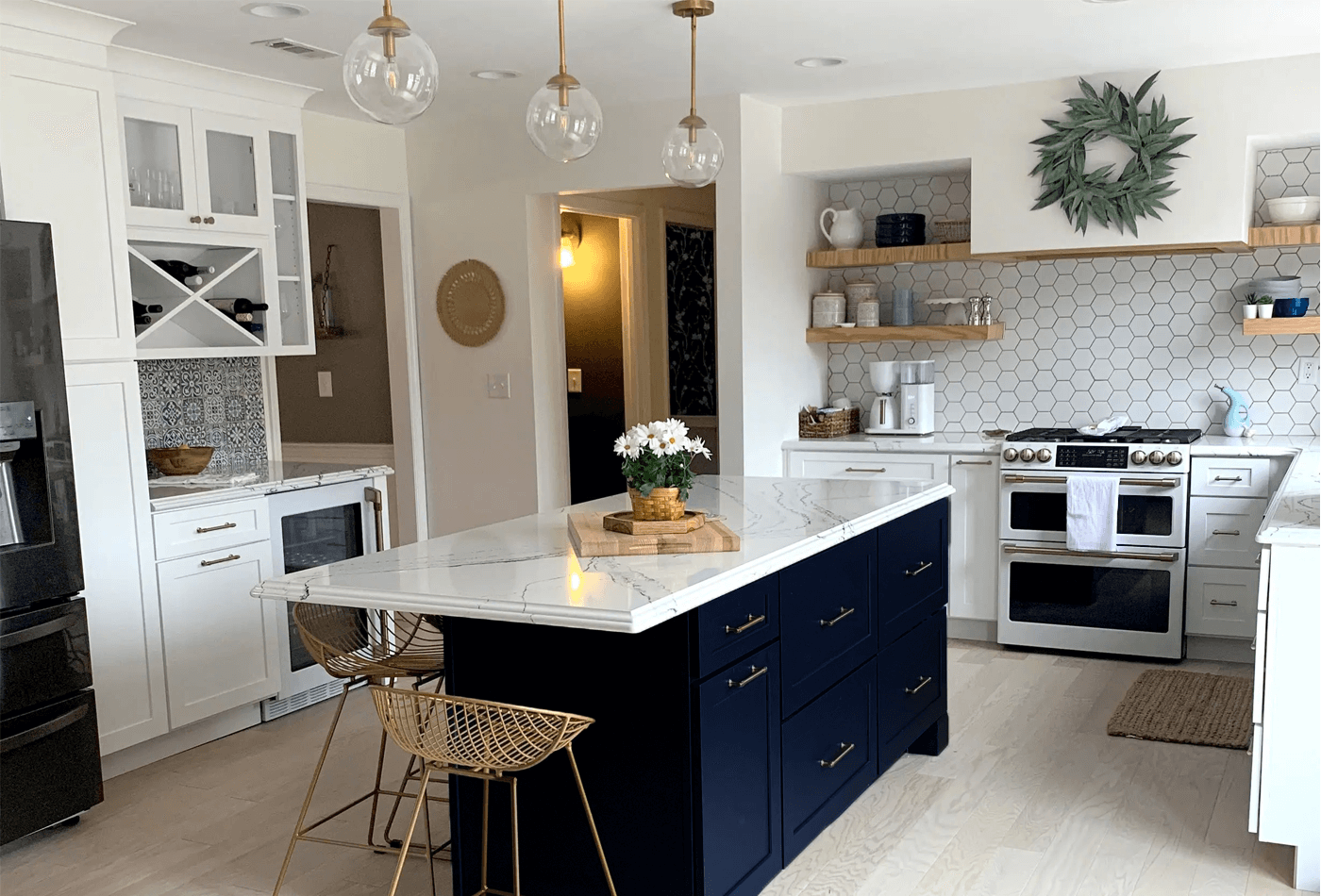
Image Source: dropinblog.net
Deciphering the Ideal Island Overhang
The ideal overhang for your kitchen island depends on its intended use. Are you planning for casual breakfast bar seating, a more formal dining space, or simply a bit of extra countertop prep area? Each scenario calls for a different approach to overhang.
Standard Kitchen Island Overhang
What is a standard kitchen island overhang? Typically, a standard overhang ranges from 1 inch to 1.5 inches. This minimal overhang is primarily for aesthetic balance and provides a slight edge to the countertop, preventing drips from running down cabinet bases. It’s not designed for seating.
Minimum Overhang for Kitchen Island
What is the minimum overhang for kitchen island needs? The absolute minimum overhang needed to prevent water and spills from dripping directly onto cabinetry is usually around 1 inch. However, this is purely functional and offers no seating or aesthetic protrusion.
The Importance of Overhang Depth
The depth of your overhang for island countertop plays a vital role in several key areas:
- Seating Comfort: Sufficient overhang allows people to sit comfortably without their knees bumping into the island base.
- Legroom: It provides essential space for legs, making it a pleasant place to eat or work.
- Aesthetics: An overhang can break up the visual bulk of an island, creating a more balanced and inviting appearance.
- Functionality: It can provide a natural place to rest arms or place serving dishes.
Kitchen Island Seating Overhang: A Deeper Dive
When your kitchen island is intended for seating, the overhang becomes paramount. Let’s explore the specifics for different seating arrangements.
Island Countertop Overhang Depth for Seating
The island countertop overhang depth for seating is where you’ll see the most variation. It’s directly tied to the type of seating and how people will use the space.
-
For Casual Seating (Stools): If you’re envisioning a place for quick breakfasts, homework sessions, or casual chats while someone cooks, a kitchen island seating overhang of 10 to 12 inches is generally recommended.
- 10 inches: This is a good starting point. It offers enough space for most people to sit comfortably on stools without feeling cramped. Your thighs will fit beneath the countertop.
- 12 inches: This provides a bit more generous legroom, which is especially beneficial if you have taller guests or want a more relaxed seating experience. This is a very popular choice for many households.
-
For Dining Overhang for Kitchen Island: If you plan to use your island as a primary dining area, you’ll want a more substantial overhang. Think of it as a dining table extension.
- 12 to 15 inches: This range allows for more comfortable dining. People can sit with their plates in front of them without feeling too close to the person opposite or the island’s base. A 15-inch overhang offers a good amount of elbow room and is often considered ideal for a dining-style setup.
How Much Overhang for Island with Stools?
The question of “how much overhang for island with stools?” often leads to the 10-12 inch recommendation. This is because stools, by their nature, have a smaller footprint and people sitting on them tend to lean forward slightly. The 10-12 inch depth allows for this posture and provides adequate knee clearance.
Bar Seating Overhang
For dedicated bar seating overhang, the same principles apply. Whether it’s a formal bar area or a more casual breakfast bar, the 10-15 inch range is your sweet spot.
- Counter Height Seating (approx. 36 inches): A 10-12 inch overhang is typically sufficient for comfortable seating.
- Bar Height Seating (approx. 42 inches): A 12-15 inch overhang provides better comfort for bar-height seating, offering more legroom.
Fathoming Overhang Support
A substantial overhang, especially one designed for seating, requires proper support. Without it, the countertop can crack or even break. The type of material used for your countertop also influences the amount of support needed.
Countertop Material and Support Needs
Different materials have varying strengths and flexibilities:
- Granite and Quartz: These are very strong and dense materials. They can often support a 10-12 inch overhang without additional support, especially if the countertop is at least 3 cm thick. However, for overhangs exceeding 12 inches, or if the material is thinner, support becomes crucial.
- Marble: While beautiful, marble is softer than granite and quartz. It’s more prone to chipping and cracking. For marble, it’s advisable to use support for overhangs of 6 inches or more, and definitely for any seating overhang.
- Butcher Block: Wood countertops are durable but can flex. Overhangs of 10-12 inches are usually manageable, but for longer spans or seating, consider support.
- Laminate: Laminate is generally less strong and can sag over time with significant overhangs. Support is almost always recommended for any overhang exceeding the standard 1-1.5 inches.
Types of Overhang Support
There are several ways to provide support for your island countertop overhang:
-
Seating Support Brackets: These are L-shaped metal brackets that are installed on the underside of the countertop and attach to the island’s base cabinets or structural supports. They are a common and effective solution.
- Styles: Available in various thicknesses and styles, from simple angles to more decorative wrought iron.
- Placement: Strategically placed to provide maximum strength, usually every 24-30 inches, depending on the countertop material and overhang length.
-
Knee Braces: Similar to brackets, knee braces are angled supports that connect the underside of the countertop to the cabinet face. They can be made of wood or metal.
-
Overhanging Support Panels/Gussets: These are solid panels (often made of plywood or the same material as your cabinets) that are fitted between the countertop and the cabinet base. They offer substantial support, especially for larger overhangs, and can be integrated seamlessly into the island’s design.
-
The Island Base Itself: In some designs, the island’s structural base, particularly if it has substantial vertical supports or thicker panels, can provide inherent support. This is common in custom-built islands.
-
Overhang for Kitchen Island with Waterfall Edge Overhang: In a kitchen island with waterfall edge overhang, the countertop material extends vertically down the sides of the island. This design inherently provides some structural support to the countertop. However, if the waterfall edge is not continuous and there is an open seating area, additional support might still be necessary for the seating overhang itself. The thickness of the waterfall edge material also contributes to its strength.
Table: Recommended Overhang Depths and Support Needs
| Intended Use | Recommended Overhang (Depth) | Support Typically Needed? | Notes |
|---|---|---|---|
| Decorative Edge | 1 – 1.5 inches | No | Minimal overhang for aesthetics and drip prevention. |
| Light Prep/Serving Area | 4 – 6 inches | Potentially | For a slight protrusion, may need support if material is less dense. |
| Casual Seating (Stools) | 10 – 12 inches | Yes (especially > 10″) | Essential for comfortable knee and leg room. |
| Dining Area | 12 – 15 inches | Yes | For comfortable dining with plates and elbows. |
| Extended Dining/Workspace | 15+ inches | Always | Requires robust, well-planned support. |
| Kitchen Island with Waterfall Edge | Varies (consider seating) | Depends on seating area | Waterfall edge adds some inherent strength, but seating still needs support. |
Factors Influencing Your Overhang Decision
Beyond the primary use, several other factors should guide your choice of island overhang.
Seating Capacity and User Comfort
- How many people will use it? If your island is frequently a hub for multiple people, ensuring ample elbow room and legroom is critical.
- What is the average size of your household members? Taller individuals will appreciate a more generous overhang.
- What kind of seating? Stools generally require less depth than chairs with arms.
Countertop Material and Thickness
As previously discussed, the material’s inherent strength and thickness are major determinants of how much overhang it can safely accommodate. Always consult with your countertop fabricator about their recommendations for unsupported overhangs based on the specific material you choose.
Island Size and Shape
- Longer islands: Can often support slightly larger overhangs due to the distributed weight.
- Curved islands: The radius of the curve can influence how the overhang behaves and where support is most needed.
- Island Base Design: A solid, well-constructed base with strong internal framing will provide better support than a more open or less robust design.
Clearance and Traffic Flow
- Walkway Width: Ensure that the overhang doesn’t impede essential traffic paths around the island. You need enough space to walk comfortably behind seated guests. A minimum of 36 inches for a walkway is often recommended, but 42-48 inches is even better if space allows, especially with seating.
- Chair/Stool Clearance: When people are seated, they will pull chairs or stools out from the island. Factor in this space when planning your island’s placement within the kitchen.
Aesthetic Considerations
While functionality is key, the visual impact of the overhang is also important.
- Proportion: The overhang should look proportional to the overall size and mass of the island. A tiny overhang on a massive island can look awkward, and a very deep overhang on a small island might overwhelm it.
- Line of Sight: Consider how the overhang affects the visual lines of your kitchen.
Safety First
- Tripping Hazards: Ensure that the overhang doesn’t create a sharp corner that could be a tripping hazard, especially in busy kitchens. Rounded corners on overhangs can mitigate this risk.
- Sharp Edges: Any exposed edge of the countertop, especially with a significant overhang, should be properly finished and potentially eased (slightly rounded) for safety.
Common Mistakes to Avoid
When planning your kitchen island overhang, be aware of these common pitfalls:
- Insufficient Overhang for Seating: This is the most frequent error, leading to uncomfortable seating and guests having to perch awkwardly.
- Ignoring Support Requirements: Believing that any countertop can support a large overhang without reinforcement is a recipe for disaster.
- Over-Reliance on Stool Stability: While sturdy stools are important, they don’t replace the need for a well-supported countertop.
- Not Accounting for Chair/Stool Clearance: Forgetting to leave enough space for people to pull out their seating can make the island unusable.
- Sacrificing Traffic Flow: A beautiful island with an overhang is no good if it makes your kitchen impossible to navigate.
Optimizing Your Kitchen Island with Seating
If you’re aiming for kitchen island seating overhang, here’s a checklist to ensure you get it right:
- Define the Primary Use: Is it for eating, working, or just casual perching?
- Choose Your Seating: Stools, chairs, or a combination? Consider their size and how they are used.
- Measure for Legroom: Aim for at least 10 inches for comfortable stool seating, 12-15 inches for dining.
- Select Your Material: Understand its strength and consult fabricators.
- Plan Your Support: Decide on brackets, braces, or panels based on overhang depth and material.
- Consider Clearance: Ensure adequate walkways and space for pulling out seating.
- Visualise the Proportions: Make sure the overhang looks balanced with the island’s overall size.
How Much Overhang for Island with Stools: The Recap
To reiterate how much overhang for island with stools, the sweet spot is typically 10 to 12 inches. This provides enough legroom for most users, allowing them to sit comfortably without their knees hitting the island’s base. Always ensure this overhang is adequately supported.
Frequently Asked Questions (FAQ)
Q1: What is the minimum overhang for a kitchen island without seating?
A1: The minimum overhang for a kitchen island without seating is generally 1 to 1.5 inches. This provides a slight edge for aesthetics and to help prevent spills from running down cabinet sides.
Q2: Can I have a 15-inch overhang for my kitchen island seating?
A2: Yes, a 15-inch overhang is excellent for dining-style seating at a kitchen island, offering ample legroom and a comfortable dining experience. However, this depth will always require proper support.
Q3: Do I need support for a 10-inch kitchen island overhang?
A3: For a 10-inch overhang, support is highly recommended, especially for seating. While some very strong materials like thick quartz or granite might handle it with careful fabrication, it’s best practice to add support like seating brackets to ensure longevity and prevent potential cracking.
Q4: How much space do I need between the edge of the island and chairs?
A4: You need enough space for people to comfortably pull out their chairs. Typically, allow at least 30-36 inches from the edge of the island (including the overhang) to the nearest wall or obstacle for comfortable seating and circulation.
Q5: Does a waterfall edge affect the overhang support needs?
A5: In a kitchen island with waterfall edge overhang, the vertical countertop pieces add some structural integrity to the island. However, if the waterfall edge doesn’t cover the entire side where seating is planned, you will still need to provide specific support for the seating overhang portion of the countertop. The thickness of the waterfall edge material itself will also play a role in its inherent strength.
Q6: What is a “dining overhang for kitchen island”?
A6: A “dining overhang for kitchen island” refers to the portion of the countertop that extends beyond the island’s base, specifically designed to accommodate seating for dining. This typically ranges from 12 to 15 inches or more for comfortable eating.
By carefully considering these details, you can ensure your kitchen island’s overhang is not only stylish but also perfectly functional for your needs.