
What is the ideal clearance around a kitchen island? The ideal clearance around a kitchen island is typically between 36 and 42 inches (91 to 107 cm) for walkways and active work areas. However, more space, up to 48 inches (122 cm) or even 60 inches (152 cm), is recommended for high-traffic zones or when multiple people will be working in the kitchen simultaneously. This ensures comfortable movement, safe access to appliances and cabinets, and an overall functional kitchen layout.
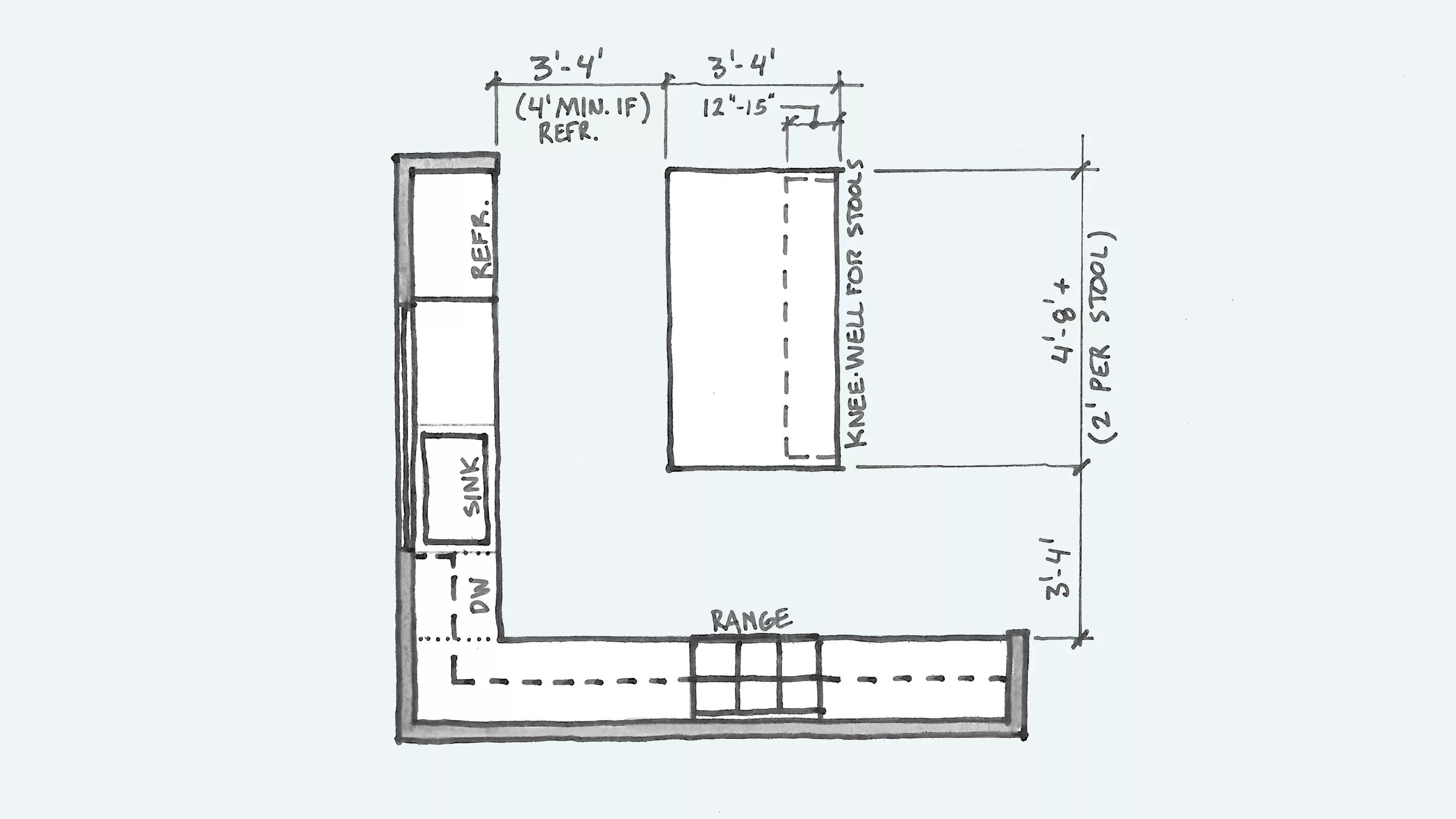
Image Source: www.boardandvellum.com
Fathoming the Foundations: Why Space Matters for Your Kitchen Island
Your kitchen island is often the heart of the home, a central hub for cooking, socializing, and casual dining. But its true effectiveness hinges on something often overlooked: the space around it. Kitchen island spacing isn’t just about aesthetics; it’s a critical design element that dictates the kitchen traffic flow, safety, and overall usability of your culinary space. Too little room, and your kitchen becomes cramped and awkward. Too much, and it can feel disconnected and inefficient. This guide will delve into the essential measurements you need to consider when planning or revamping your kitchen island.
Deciphering the Core Needs: Walkways and Work Zones
The primary purpose of the space around your kitchen island is to facilitate movement and provide functional work zones. This is where the concept of walkway around island becomes paramount. Think about how you and your family use the kitchen: prepping meals, grabbing ingredients, entertaining guests, or simply passing through. Each activity requires a certain amount of clear space.
The Golden Rule: Minimum Clearance for Movement
The generally accepted minimum for clearance kitchen island is 36 inches (91 cm). This allows for a single person to walk comfortably behind the island. However, in many real-world scenarios, this minimum can feel tight.
When is 36 inches enough?
* Minimal use: If your kitchen is rarely used by more than one person at a time.
* Secondary walkways: If the space around the island serves as a secondary path, not the primary route.
* Small kitchens: In very compact kitchens where sacrificing a few inches might be necessary.
When is more space essential?
* Multiple cooks: If two or more people frequently work in the kitchen simultaneously.
* High traffic areas: If the island is situated between major thoroughfares in the kitchen.
* Appliance access: If you need to open oven doors, dishwasher doors, or refrigerator doors on the side of the island.
* Seating: If you plan to incorporate seating at the island.
Optimizing for Efficiency: Ideal Spacing Recommendations
To ensure smooth and efficient operation of your kitchen, aim for more generous clearances:
- 36-42 inches (91-107 cm): This is the sweet spot for most kitchens, allowing comfortable passage and basic work activities. It’s ideal for the most common kitchen island spacing.
- 42-48 inches (107-122 cm): This provides excellent maneuverability, especially in larger kitchens or those used by multiple people. It creates a more relaxed and less congested feel.
- 48-60 inches (122-152 cm): This is considered luxurious and is highly recommended for kitchens that are the social hub of the home or for professional-style cooking environments. It allows for easy passage even with appliances or people moving around the island.
Navigating the Nuances: Factors Influencing Your Spacing Decisions
Several factors will influence the ideal kitchen island spacing for your specific needs:
Kitchen Size and Layout
The overall size and shape of your kitchen play a significant role.
- Small Kitchens: In smaller kitchens, you might have to compromise on ideal clearances. Focus on maintaining at least 36 inches in the most critical work zones. Consider a narrower island or one with fewer features to maximize space.
- Medium Kitchens: These kitchens often benefit most from the 36-42 inch range. This allows for a good balance between island size and comfortable movement.
- Large Kitchens: Larger kitchens can accommodate larger islands and more generous spacing (42+ inches). This prevents the island from looking lost in the space and ensures it remains a functional focal point.
Functionality and Usage Patterns
How you use your kitchen is a primary driver of your spacing needs.
- The Culinary Command Center: If you are an avid cook who entertains frequently, prioritize ample workspace and clear pathways. Think about the kitchen work triangle island concept – how easily can you move between the sink, refrigerator, and cooktop with the island in place?
- The Casual Gathering Spot: If your island is primarily for casual dining and socializing, ensure there’s enough room for people to sit and move around without disrupting the cooking flow.
- The Multi-Tasker: For kitchens that serve many purposes, err on the side of more space.
Appliance and Cabinet Access
Don’t forget about the practicalities of opening doors and drawers.
- Appliance Clearance: Ensure there’s enough space to open appliance doors (refrigerator, oven, dishwasher) and pull out drawers without obstruction from the island or other cabinets. This is a crucial aspect of clearance kitchen island.
- Cabinet Doors: If you have cabinets or pantries on the same side of the kitchen as the island, ensure there’s enough space to open those doors comfortably.
Seating Considerations
If you plan to have seating at your kitchen island, this adds another layer of measurement complexity.
The Art of Seating: Counter Stool Spacing and Comfort
Proper counter stool spacing is vital for both comfort and functionality.
- Seat Width: Allow at least 24-30 inches (61-76 cm) of width per person for comfortable seating.
- Knee Space: This refers to the area behind the stool where a person’s knees and legs can fit comfortably. This is also known as island leg clearance from the perspective of the person seated.
- Seating Clearance: This is the space between the edge of the island (where the seating is) and the wall or nearest obstruction behind the stools.
Recommended Seating Clearance:
- Minimum: 36 inches (91 cm) is the absolute minimum if the seating is at a walkway end or against a wall where no one will be walking behind the seated person.
- Recommended: 44-48 inches (112-122 cm) provides ample space for people to sit and for someone to walk behind them without feeling crowded.
- Ideal for high traffic: If people will frequently walk behind seated guests, consider 50-60 inches (127-152 cm).
Island Leg Clearance for Seated Guests
When guests are seated at the island, island leg clearance is essential for their comfort.
- Knee Space Depth: Aim for at least 12-15 inches (30-38 cm) of knee space between the counter edge and the cabinet structure or island legs. This is often achieved through an kitchen island overhang.
- Overhang Depth: A typical kitchen island overhang for seating is 10-15 inches (25-38 cm). This provides sufficient legroom. Ensure the island’s structural support can handle this overhang.
Measuring Up: Practical Steps for Determining Your Spacing
Let’s get down to the practicalities of measuring.
Step 1: Measure Your Kitchen
Start by accurately measuring the dimensions of your kitchen. Note the locations of doorways, windows, existing cabinetry, and appliances.
Step 2: Consider Your Island’s Size and Shape
Before you even think about placement, decide on the potential kitchen island dimensions. Will it be rectangular, square, L-shaped, or curved? Think about its height, depth, and length.
Step 3: Map Out Your Work Zones and Pathways
Visualize how you move through your kitchen. Identify the main traffic patterns.
- Primary Walkway: The main path from the entrance to the sink, refrigerator, or cooktop.
- Secondary Walkways: Paths that might be used less frequently.
- Work Zones: Areas around the sink, stove, and prep areas.
Step 4: Test the Clearance
Use painter’s tape or cardboard to mark out the proposed island dimensions on your kitchen floor. Then, simulate common activities:
- Walk around the taped area.
- Open cabinet doors and appliance doors.
- Imagine people sitting at the island.
- Have another person try to pass by while you’re “at” the island.
This hands-on approach is invaluable for truly grasping the practical implications of your chosen kitchen island spacing.
Comprehending the Components: Key Measurements Explained
Let’s break down the essential measurements and their significance.
The All-Important Walkway: Defining Clear Paths
The walkway around island is your primary concern for efficient kitchen traffic flow.
Minimum Walkway Widths
| Area Type | Recommended Minimum Width | Ideal Width | Notes |
|---|---|---|---|
| Main traffic path | 42 inches (107 cm) | 48 inches (122 cm) | Allows for comfortable two-way traffic or passing. |
| Path behind seating | 44 inches (112 cm) | 48-54 inches (122-137 cm) | Crucial for comfortable passage when people are seated. |
| Path to appliance doors/drawers | 36 inches (91 cm) | 42 inches (107 cm) | Enough space to open doors/drawers fully and still move around. |
| Path between island and counter | 36 inches (91 cm) | 40-44 inches (102-112 cm) | Sufficient for one person to work and another to pass by. |
The Depth of Comfort: Understanding Island Overhang
The kitchen island overhang is more than just an aesthetic feature; it’s critical for seating comfort and workspace.
Overhang Types and Purposes
- Standard Overhang: Typically 10-15 inches (25-38 cm). This is primarily for seating, providing ample legroom.
- Workspace Overhang: Often 1-1.5 inches (2.5-3.8 cm). This allows for a slightly deeper counter or a bullnose edge without encroaching on walkway space.
- Waterfall Edges: Where the countertop material extends vertically down the side of the island. This doesn’t typically affect walkway clearance kitchen island, but impacts the overall visual and physical footprint of the island.
Seating Specifics: Counter Stool Spacing and Island Leg Clearance
When planning for seating, consider these details:
Counter Stool Spacing Guidelines
- Per Person: Allow 24-30 inches (61-76 cm) of horizontal space per stool.
- Behind Stools: Ensure a minimum of 36 inches (91 cm) from the stool edge to the nearest obstruction. Ideally, 44-48 inches (112-122 cm).
Island Leg Clearance and Knee Space
This is about the space directly under the overhang for your legs.
- Minimum Knee Space: 12 inches (30 cm)
- Comfortable Knee Space: 15 inches (38 cm)
- Consider the Island’s Structure: Some islands have legs or cabinets that take up more of this space. The island leg clearance needs to accommodate the seated person’s legs comfortably.
Interpreting Different Scenarios: Case Studies in Kitchen Island Spacing
Let’s look at how these measurements play out in real-world kitchen layouts.
Scenario 1: The Compact Culinary Corner
- Kitchen Size: Small, galley-style or L-shaped.
- Island Type: A smaller, possibly mobile island or a narrower, fixed island.
- Key Measurements:
- Walkway: Prioritize 36 inches (91 cm) on all sides. If seating is at one end, ensure at least 36 inches behind it.
- Overhang: Keep overhangs minimal (10 inches) if seating is at the end. If seating is along one side, a 12-inch overhang might be feasible with 40 inches of clearance behind.
- Island Dimensions: Consider a 24-30 inch deep island to maximize walkway space.
Scenario 2: The Family Hub
- Kitchen Size: Medium, open-plan living area.
- Island Type: A substantial, fixed island with seating for 3-4 people.
- Key Measurements:
- Walkway: Aim for 42 inches (107 cm) on main thoroughfares. If the island separates the kitchen from a dining area, 48 inches is preferable.
- Seating Clearance: 44-48 inches (112-122 cm) behind the seating area is ideal.
- Overhang: 12-15 inches (30-38 cm) for comfortable seating.
- Island Dimensions: A 36-inch deep island is standard, with length dependent on the kitchen size.
Scenario 3: The Entertainer’s Paradise
- Kitchen Size: Large, spacious, often with a gourmet feel.
- Island Type: Large, multi-functional island with extensive counter space and seating.
- Key Measurements:
- Walkway: 48 inches (122 cm) or more on all sides. This allows multiple people to work and move freely.
- Seating Clearance: 50-60 inches (127-152 cm) behind seating if it’s a primary social area.
- Overhang: Generous 15-inch overhangs for maximum seating comfort.
- Island Dimensions: Can be large and deep (48 inches or more) depending on the overall kitchen scale.
Frequently Asked Questions (FAQ)
Q1: Can I have a kitchen island in a small kitchen?
A1: Absolutely! While space is limited, a well-planned island can still be a valuable asset. Consider narrower islands, islands with casters for mobility, or islands that double as dining tables. Prioritize essential clearances, even if it means a slightly smaller island.
Q2: How much space do I need behind a kitchen island with seating?
A2: You need at least 36 inches (91 cm) of clearance behind the seating area, but 44-48 inches (112-122 cm) is highly recommended for comfortable passage.
Q3: What is the standard depth of a kitchen island?
A3: Standard kitchen island depth is typically 24 to 36 inches (61 to 91 cm). The depth will be influenced by whether it’s a single-sided workspace, a double-sided workspace, or includes seating.
Q4: Is 36 inches enough clearance around my kitchen island?
A4: 36 inches (91 cm) is generally considered the minimum clearance for a primary walkway. It allows one person to pass comfortably. However, if your kitchen is high-traffic or you plan for multiple people to work simultaneously, 42 inches or more is preferable.
Q5: What is the recommended kitchen island overhang for seating?
A5: For comfortable seating, a kitchen island overhang of 10-15 inches (25-38 cm) is recommended to provide adequate island leg clearance and knee space.
Q6: How do I balance island size with kitchen traffic flow?
A6: Prioritize functional walkways first. Use tape on the floor to mark out proposed island dimensions and clearances. Simulate movement and use of appliances to assess comfort and efficiency. If traffic flow is compromised, consider a smaller island, a different shape, or a less intrusive placement.
Q7: What are the key considerations for the kitchen work triangle island?
A7: When incorporating an island into your kitchen work triangle island, ensure that the island does not obstruct easy access between the refrigerator, sink, and cooktop. The island should enhance, not hinder, the efficiency of your workflow. Adequate spacing around the island is crucial for this.
By carefully considering these measurements and factors, you can ensure your kitchen island is not just a beautiful addition, but a highly functional and comfortable centerpiece for your home.