
What is cabinet refacing, and how much does it cost? Cabinet refacing is a kitchen remodeling technique that updates the look of your cabinets by replacing only the doors and drawer fronts and applying a new veneer to the existing cabinet boxes. The cost to reface kitchen cabinets typically ranges from $2,000 to $10,000, depending on the size of your kitchen, the materials chosen, and the complexity of the project. This is often a more budget-friendly option compared to a full cabinet replacement.
Revamping your kitchen can feel overwhelming, especially when considering the costs involved. One of the most impactful ways to transform your kitchen’s appearance without a complete overhaul is by refacing your cabinets. This guide delves into the financial aspects of cabinet refacing, offering a comprehensive look at what you can expect to spend. We’ll explore the factors influencing the cabinet refacing cost, break down different material options, and compare refacing to other renovation approaches.
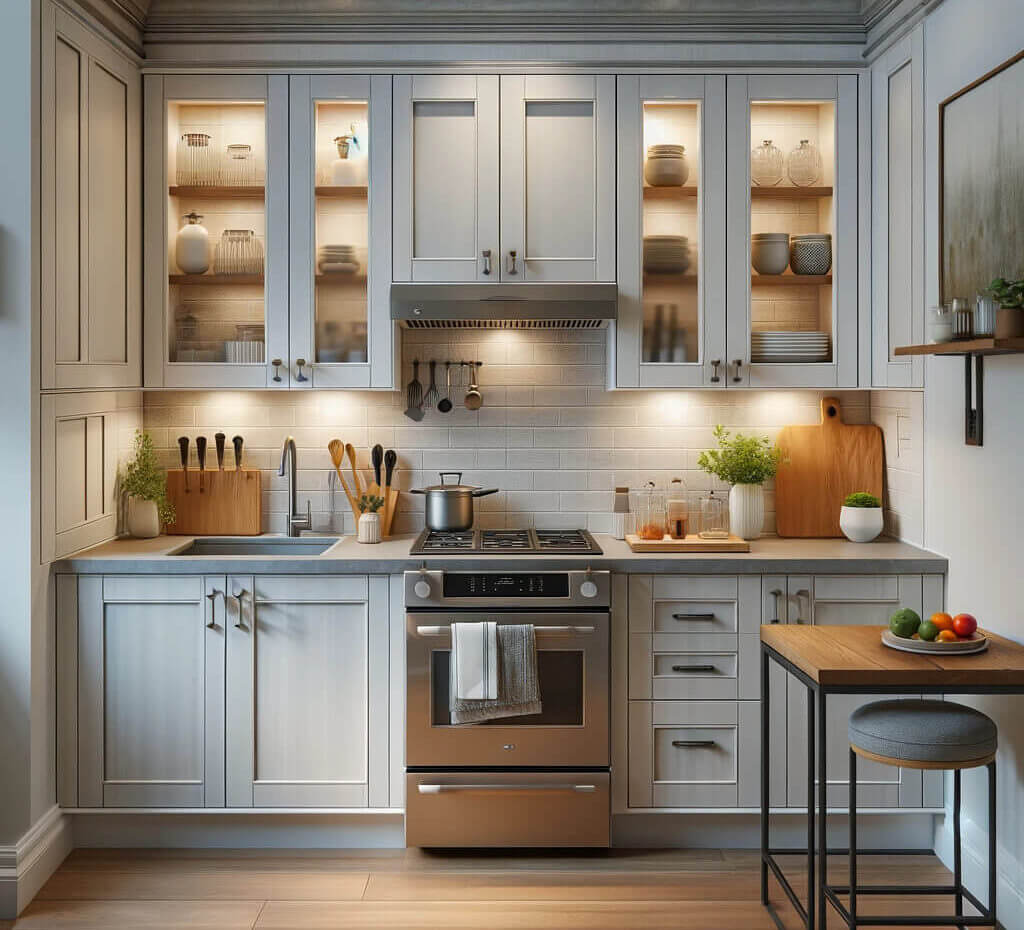
Image Source: modernize.com
Deciphering the Investment: What Influences Cabinet Refacing Costs?
Several key elements contribute to the final price tag when you decide to reface your kitchen cabinets. Understanding these variables will help you budget more accurately and make informed decisions.
Kitchen Size and Cabinet Count
The most significant factor influencing the average cost to reface cabinets is the sheer number of cabinets you have. A larger kitchen with more upper and lower cabinets, as well as more drawers, will naturally require more materials and labor. The complexity of your cabinet layout also plays a role. For example, kitchens with many corner cabinets or specialized storage solutions might incur higher costs.
Material Selection
The materials you choose for your new cabinet doors, drawer fronts, and the veneer applied to the cabinet boxes will greatly impact the overall cabinet refacing cost.
- Veneers: These are thin layers of wood or laminate applied to the existing cabinet frames.
- Laminate Veneers: Generally the most affordable option. They offer durability and a wide range of styles and colors, mimicking wood grains or offering solid finishes.
- Wood Veneers: Provide a more natural and premium look. Common wood species like oak, maple, and cherry will have varying price points. High-end or exotic wood veneers will increase the cost.
- Cabinet Doors and Drawer Fronts: This is where you can really customize the look of your kitchen.
- Laminate Doors: Similar to laminate veneers, these are budget-friendly and come in many finishes.
- Wood Doors: Offer a classic and warm aesthetic. The type of wood, the door style (e.g., shaker, raised panel, flat panel), and any decorative elements will affect the cabinet door replacement cost.
- Thermofoil Doors: These are made from MDF (medium-density fiberboard) covered with a vinyl film. They are relatively inexpensive and come in various finishes, but can be prone to peeling or damage from heat over time.
- Specialty Materials: Options like glass inserts, decorative moldings, or unique hardware can add to the overall cost.
Hardware and Accessories
Don’t forget the cost of new hardware! New knobs, pulls, hinges, and drawer slides can add a significant touch to the finished look. While seemingly small, these items contribute to the overall cost of kitchen cabinet makeover.
- Knobs and Pulls: Prices can range from a few dollars each to $50 or more per piece, depending on the material (e.g., brushed nickel, brass, glass, ceramic) and design.
- Hinges: Updating hinges to a soft-close or European-style (concealed) hinge can improve functionality but will add to the cabinet refacing cost.
- Drawer Slides: If you’re upgrading to full-extension, soft-close drawer slides, factor in this additional expense.
Labor Costs
The cabinet resurfacing labor cost can vary depending on your geographic location, the contractor’s experience, and the complexity of the installation. Most refacing projects involve skilled carpentry and attention to detail.
- DIY vs. Professional Installation: While DIY can save on labor, it requires significant time, skill, and the right tools. For most homeowners, hiring professionals is the preferred route.
- Contractor Rates: Expect to pay an hourly rate or a flat fee for the installation. Get multiple quotes to compare pricing.
Extra Services and Upgrades
Beyond the basic refacing, you might consider additional services that will impact the kitchen cabinet remodel cost:
- New Crown Molding: Adding decorative molding to the top of your cabinets can elevate the look.
- Light Valances: Installing a decorative piece under upper cabinets can provide a finished look and housing for under-cabinet lighting.
- Roll-Out Shelves or Drawer Organizers: Interior upgrades enhance functionality and can be incorporated during the refacing process.
- Under-Cabinet Lighting: While not directly part of refacing, it’s often done concurrently and adds to the overall project cost.
Exploring the Price Spectrum: Average Costs and Ranges
When considering the average cost to reface cabinets, it’s essential to have a general understanding of the price ranges involved. These figures are estimates and can fluctuate based on the factors discussed above.
| Kitchen Size | Refacing Cost Range (Low) | Refacing Cost Range (High) |
|---|---|---|
| Small Kitchen | $2,000 – $4,000 | $4,000 – $7,000 |
| Medium Kitchen | $4,000 – $7,000 | $7,000 – $10,000 |
| Large Kitchen | $7,000 – $10,000 | $10,000 – $15,000+ |
These figures primarily cover the cost of materials (doors, drawer fronts, veneer) and professional installation. Remember to add an allowance for hardware and any additional upgrades.
Cost Breakdown: What You’re Paying For
To better understand where your money goes, consider this typical breakdown of cabinet refacing cost:
- Materials (Doors, Drawer Fronts, Veneer): 50-60%
- Labor (Installation, Preparation): 30-40%
- Hardware (Knobs, Pulls, Hinges): 5-10%
- Miscellaneous (Delivery, Disposal, etc.): 2-5%
Comparing Your Options: Refacing vs. Replacing Cabinets Cost
A common question for homeowners is whether to reface or replace their kitchen cabinets. Both options offer a significant visual upgrade, but the financial implications differ considerably.
Refacing vs. Replacing Cabinets Cost: A Clear Comparison
| Feature | Cabinet Refacing | Cabinet Replacement |
|---|---|---|
| Primary Goal | Update appearance of existing cabinets. | Complete overhaul of cabinet structure and style. |
| Cost | Typically 40-60% of the cost of new cabinets. | Higher upfront cost. |
| Time Frame | Shorter project duration (often 3-7 days). | Longer project duration (weeks, potentially months). |
| Mess & Disruption | Less disruptive, as cabinet boxes remain in place. | More disruptive, with significant demolition and dust. |
| Material Savings | Utilizes existing cabinet boxes, saving on wood/plywood. | Involves all-new materials for boxes and fronts. |
| Customization | Limited to door/drawer styles and finishes. | Full customization of size, style, and layout. |
| Structural Integrity | Relies on the condition of existing cabinet boxes. | New, structurally sound cabinets. |
In essence, if your existing cabinet boxes are in good condition (no water damage, rot, or structural weakness) and you are happy with your current kitchen layout, refacing is often the more economical choice. The refacing vs replacing cabinets cost difference can be substantial, making it an attractive option for budget-conscious homeowners.
The Cost of Kitchen Cabinet Makeover: Beyond Just Refacing
While refacing focuses on the visible elements, a broader cost of kitchen cabinet makeover might include other enhancements. If your cabinets are dated but structurally sound, refacing is a fantastic way to give them a new lease on life.
Factors Affecting Kitchen Cabinet Resurfacing Prices
The term “resurfacing” can sometimes be used interchangeably with refacing, but it’s worth noting that “resurfacing” might also encompass painting or staining existing cabinet doors and frames.
- Painting Cabinets: This is a more labor-intensive DIY project but can be done professionally. The cost to professionally paint kitchen cabinets can range from $2,000 to $7,000 or more, depending on the size of the kitchen and the complexity of the finish. This is often less expensive than refacing if you’re happy with your current door style.
- Staining Cabinets: Similar to painting, staining enhances the natural wood grain. Professional staining typically falls in a similar price range to professional painting.
When you are looking into kitchen cabinet resurfacing prices, be sure to clarify whether the quote includes new doors and drawer fronts (refacing) or simply a refinishing of your existing ones.
Cabinet Front Replacement Cost: A Closer Look
The cabinet door replacement cost is a significant component of the overall cabinet refacing cost. These are the most visible elements of your kitchen cabinets, so their style and material have a big impact.
Pricing Door and Drawer Front Options
The cabinet door replacement cost can vary dramatically based on:
- Material:
- MDF with Laminate/Veneer: $40 – $100 per door/drawer front
- Solid Wood (e.g., Maple, Cherry): $75 – $200+ per door/drawer front
- Thermofoil: $50 – $120 per door/drawer front
- Style:
- Flat Panel (Slab): Generally the most affordable.
- Shaker Style: Moderately priced, very popular.
- Raised Panel/Recessed Panel: Can be more expensive due to more intricate construction.
- Specialty Designs (e.g., beadboard, custom profiles): Higher cost.
- Size: Larger doors and drawer fronts will naturally cost more.
- Finish: Custom paint or stain colors might add to the price.
For example, a medium-sized kitchen might have 10 upper cabinet doors, 10 lower cabinet doors, and 5 drawer fronts. If you opt for mid-range maple shaker doors at $100 each, the cabinet door replacement cost alone would be around $2,500.
The Cost of Kitchen Cabinet Makeover: DIY vs. Professional
Deciding whether to tackle cabinet refacing yourself or hire professionals is a crucial step that significantly impacts the final kitchen cabinet remodel cost.
Professional Installation: Convenience and Expertise
Hiring professionals ensures the job is done correctly and efficiently. The cabinet resurfacing labor cost is included in the overall quote, which typically covers:
- Assessment and Measurement: Accurate measurements are critical.
- Surface Preparation: Cleaning and prepping the existing cabinet boxes.
- Veneer Application: Skillful application of the new veneer to cabinet frames.
- Door and Drawer Front Installation: Precise fitting and alignment.
- Hardware Installation: Attaching new hinges, knobs, and pulls.
- Cleanup: Removing old materials and debris.
The cabinet refacing cost from a reputable contractor will reflect their expertise, warranty, and the quality of materials used.
DIY Refacing: Saving Money, Gaining Experience?
While tempting, DIY cabinet refacing requires a significant commitment of time and skill.
Pros of DIY:
- Cost Savings: You eliminate the cabinet resurfacing labor cost.
- Control: You manage the pace and quality of the work.
Cons of DIY:
- Time Commitment: Can take several weekends or even longer.
- Skill Requirement: Requires precision in measuring, cutting, and applying veneers and doors.
- Tool Investment: You may need specialized tools.
- Potential for Errors: Mistakes can be costly and affect the final appearance.
- Lack of Warranty: If something goes wrong, you’re responsible.
If you’re considering DIY, thoroughly research the process and be realistic about your capabilities. Factor in the cost of materials, tools, and potential mistakes when comparing to professional quotes.
Maximizing Your Investment: Tips for Budgeting and Saving
When planning your kitchen cabinet makeover, there are several strategies to help manage the cabinet refacing cost and ensure you get the best value.
Smart Shopping for Materials
- Compare Quotes: Get at least three detailed quotes from different refacing companies.
- Look for Sales: Many cabinet suppliers and big-box home improvement stores have periodic sales on doors and hardware.
- Consider Material Trade-offs: Laminate or vinyl-wrapped doors can offer a stylish look at a lower price point than solid wood.
- Buy in Bulk (if applicable): If purchasing hardware separately, buying in larger quantities might offer discounts.
Strategic Upgrades
- Prioritize: Decide which upgrades are most important to you. Perhaps new doors and drawer fronts are essential, but you can reuse existing, good-quality hinges for now.
- Stagger Projects: If your budget is tight, consider refacing the main cabinets this year and upgrading drawer slides or adding new hardware next year.
Timing Your Project
- Off-Season Savings: Contractors might offer slightly lower rates during slower periods (often winter months).
- Sales Events: Keep an eye out for holiday sales or seasonal promotions.
Frequently Asked Questions About Cabinet Refacing Costs
Q1: Is cabinet refacing significantly cheaper than replacing cabinets?
Yes, generally, cabinet refacing can be 40-60% less expensive than completely replacing your kitchen cabinets. This is because you are reusing the existing cabinet boxes, saving on the cost of new materials and construction.
Q2: What is included in the cabinet refacing cost?
The typical cabinet refacing cost includes new cabinet doors, new drawer fronts, and a new veneer or laminate applied to the exposed cabinet frames (boxes). It usually also covers professional installation. Hardware, such as knobs and pulls, may or may not be included, so clarify this with your contractor.
Q3: How long does the cabinet refacing process take?
The actual installation process for refacing usually takes about 3 to 7 days, depending on the size of your kitchen and the complexity of the project. This is significantly faster than a full cabinet replacement, which can take several weeks or even months.
Q4: Can I reface cabinets that are damaged or outdated?
Cabinet refacing is ideal for cabinets that are structurally sound but have outdated styles or finishes. If your cabinet boxes have significant water damage, rot, or structural issues, replacement might be a better option. A professional can assess the condition of your existing cabinets.
Q5: What affects the cabinet door replacement cost within a refacing project?
The cabinet door replacement cost is primarily influenced by the material (e.g., wood species, laminate, thermofoil), the style of the door (e.g., shaker, raised panel, slab), the finish, and the size of the doors and drawer fronts. Customization options will also increase the price.
Q6: What is the difference between refacing and resurfacing cabinets?
While the terms are sometimes used interchangeably, refacing typically involves replacing doors and drawer fronts and applying a new veneer to the cabinet boxes. Resurfacing can sometimes refer to simply painting or staining existing doors and boxes to refresh their appearance. The kitchen cabinet resurfacing prices can be lower if it only involves refinishing.
Q7: What is the average cost to reface cabinets for a standard-sized kitchen?
For a standard-sized kitchen, the average cost to reface cabinets typically falls between $4,000 and $10,000. This range depends heavily on the materials chosen for the doors and drawer fronts and the overall scope of the project.
Q8: Does cabinet refacing include new hardware?
Often, new hardware like knobs and pulls is an additional cost, though some contractors may offer packages that include basic hardware. It’s crucial to confirm what is included in your cabinet refacing cost quote.
Q9: What is the cabinet front replacement cost per door?
The cabinet front replacement cost can range from $40 to over $200 per door or drawer front, depending on the material, style, and finish.
Q10: When is a full cabinet replacement more cost-effective than refacing?
A full cabinet replacement might be more cost-effective if your current cabinet boxes are in poor condition (warped, damaged, or structurally unsound), if you need to significantly change your kitchen’s layout, or if you desire a completely custom cabinet design that refacing cannot accommodate. The overall kitchen cabinet remodel cost for replacement will be higher, but it offers a complete fresh start.
Conclusion: A Smart Investment in Your Kitchen’s Future
Cabinet refacing offers a compelling solution for homeowners looking to update their kitchen’s aesthetics without the significant expense and disruption of a full cabinet replacement. By carefully considering the factors that influence the cabinet refacing cost, from material choices to labor, you can make an informed decision that fits your budget and design aspirations. Whether you opt for laminate doors for a modern, budget-friendly update or choose a rich wood veneer for a classic feel, refacing provides a substantial transformation for your kitchen. Remember to obtain detailed quotes, compare options, and consider the long-term value this renovation can bring to your home.