
The average cost to unclog a kitchen sink typically ranges from $100 to $300 for basic issues, but it can climb to $400 or more for more complex problems or when requiring specialized services. This cost encompasses the plumber’s labor, potential parts, and the method used to clear the blockage.
A clogged kitchen sink is a common household annoyance. From food scraps and grease to foreign objects, many things can lead to a stubborn blockage. When your sink refuses to drain, you’ll likely be wondering about the kitchen sink clog cost and how much you might have to spend to get it back in working order. This guide will delve into the factors influencing the unclogging kitchen drain price, what you can expect from a drain cleaning service prices, and the plumber rates for sink unclogging.
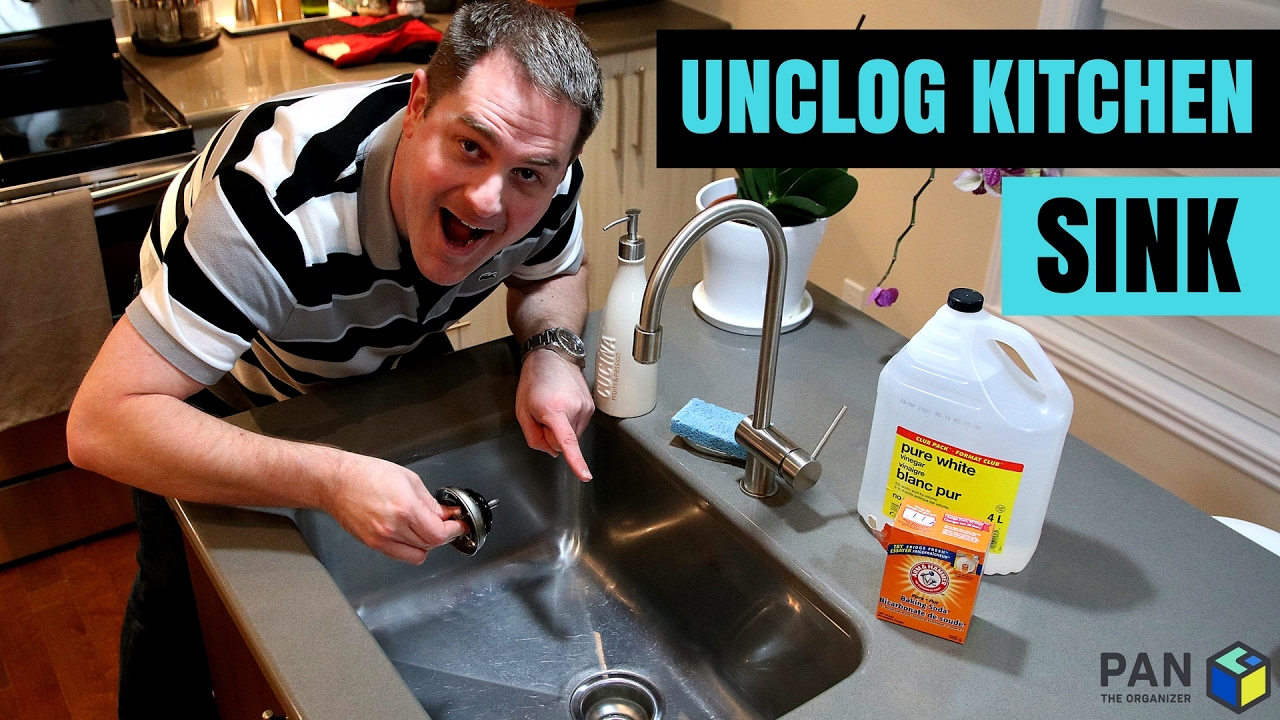
Image Source: i.ytimg.com
Deciphering the Factors Affecting Your Bill
Several elements contribute to the overall expense of clearing a kitchen sink blockage. It’s not a one-size-fits-all scenario. Here’s a breakdown of what influences the final price:
Severity of the Clog
The most significant factor is how bad the clog is. A minor blockage that’s easily accessible might only require a simple plunging or snaking. These are generally less expensive. However, if the clog is deep within the pipes, caused by hardened grease, or involves multiple blockages, it will naturally take more time and specialized equipment to resolve, increasing the average cost to fix blocked sink.
Type of Clog
Different materials cause different types of clogs.
- Grease and Fat Buildup: This is a frequent culprit. As grease cools, it solidifies, creating sticky, stubborn blockages. Removing these often requires more than just mechanical methods; sometimes hot water or specialized enzymatic cleaners are used.
- Food Scraps: Small particles can accumulate, especially if a garbage disposal isn’t used or if fibrous food waste is put down the drain.
- Foreign Objects: Accidental drops like silverware, bottle caps, or small toys can cause immediate and significant blockages. Removing these can be tricky.
- Tree Roots (in main lines): While less common for kitchen sinks specifically unless the issue is with the main drain line, roots can infiltrate pipes and cause extensive blockages.
The Method Used for Clearing
The tools and techniques a plumber employs directly impact the cost.
Plunging
This is often the first line of defense and can sometimes be done by the homeowner. Professional plumbers might use specialized plungers that create a stronger seal and more force. If this is all that’s needed, the cost will be on the lower end.
Drain Snaking (Augering)
This involves using a long, flexible metal cable with a corkscrew-like end. The plumber feeds the snake into the drain to break up or pull out the obstruction. The cost of drain snake service can vary based on the length and type of snake used, and the time it takes to navigate the pipes.
Hydro-Jetting
For tougher clogs, especially those involving grease buildup or sediment, hydro-jetting is a powerful option. It uses high-pressure water to blast away blockages. This is a more advanced technique and generally costs more than snaking.
Chemical Drain Cleaners
While readily available to consumers, professional plumbers may use stronger, more targeted chemical solutions in some cases. However, due to potential pipe damage and environmental concerns, these are often a last resort or used in conjunction with other methods.
Camera Inspection
If the plumber can’t locate the blockage or suspects damage within the pipes, they might use a camera inspection. This involves sending a small camera through the pipes to see the exact problem. This adds to the overall cost.
Plumber’s Labor Rates
Plumber rates for sink unclogging are a major component of the final bill. These rates can vary significantly based on:
- Geographic Location: Plumbers in major metropolitan areas generally charge more than those in rural areas due to higher overhead costs.
- Company Reputation and Experience: Established companies with a strong reputation might command higher rates but often offer more reliable service.
- Time of Service: Emergency calls, weekend work, or after-hours service usually come with a premium. Expect to pay more for immediate assistance outside of standard business hours.
The Complexity of the Pipe System
The layout of your plumbing can also play a role. Older homes may have more intricate pipe configurations, or pipes made of materials that are more prone to clogs or damage. The accessibility of the drainpipe from the sink also matters; if it’s hard to reach, it will take more time and effort.
Additional Repairs Needed
Sometimes, a clog might be a symptom of a larger problem. For instance, a persistent clog could indicate a partially collapsed pipe or a break in the drain line. In such cases, the kitchen sink drain repair cost will be added to the unclogging fee. Similarly, if a clog causes a kitchen sink overflow repair cost, this will be factored in.
Understanding Common Unclogging Methods and Their Pricing
Let’s explore the typical methods plumbers use and what they generally cost.
Drain Snaking/Augering
This is perhaps the most common method for clearing kitchen sink clogs.
- How it works: A plumber inserts a flexible metal cable (the snake) into the drain. The cable is rotated to break through the clog or hook onto it to be pulled out.
- Cost: The cost of drain snake service typically falls within the range of $100 to $250 for a standard kitchen sink. This price usually includes the plumber’s labor and the use of the equipment. If the clog is very deep or difficult to reach, it might be on the higher end of this spectrum.
Hydro-Jetting
This is a more powerful and often more expensive method for stubborn clogs.
- How it works: A hose with a specialized nozzle is inserted into the drain. Water is then propelled through the nozzle at very high pressure, effectively blasting away grease, soap scum, sediment, and other tough blockages.
- Cost: Hydro-jetting is generally more expensive than snaking, with prices ranging from $200 to $400 or more for a single drain. The higher cost reflects the specialized equipment and the effectiveness of the process for severe buildup. This method is particularly effective for clearing extensive grease buildup in kitchen pipes.
Camera Inspection
When the cause or location of the clog isn’t obvious, a camera inspection is crucial.
- How it works: A flexible rod with a waterproof camera at the end is fed into the drain. The live feed is displayed on a monitor, allowing the plumber to see exactly what’s causing the problem, its location, and the condition of the pipes.
- Cost: A camera inspection usually adds $100 to $250 to the total bill, but some companies might include it in a more comprehensive service package or waive the fee if extensive work is performed. This is a valuable diagnostic tool that can prevent unnecessary repairs and ensure the correct solution is applied.
Enzymatic Drain Cleaners
For organic blockages, plumbers might recommend or use enzymatic cleaners.
- How it works: These cleaners use natural enzymes to break down organic waste like grease and food particles. They work over time and are considered gentler on pipes than harsh chemical cleaners.
- Cost: If a plumber uses these as part of their service, the cost is usually incorporated into the overall labor charge. Buying them over-the-counter is generally inexpensive, but professional application might involve a service fee.
What to Expect When a Plumber Arrives
When you call a plumber for a clogged sink, here’s a general outline of the process and what you should anticipate:
- Initial Assessment: The plumber will likely ask about the symptoms – when did the clog start, what do you think might have caused it, are other drains affected?
- Visual Inspection: They’ll look at the sink, faucet, and any visible parts of the drainpipe.
- Tool Selection: Based on the initial assessment, they’ll choose the appropriate tools – plunger, snake, or possibly a camera.
- Unclogging Process: They will proceed with the chosen method to clear the blockage. This might involve inserting a snake, running water to test the drain, or using hydro-jetting.
- Testing: After clearing the clog, they will run water to ensure the drain is flowing freely and check for any leaks.
- Cleanup: They will clean up any mess made during the process.
- Recommendations: They might offer advice on preventing future clogs, such as avoiding pouring grease down the drain or using a drain strainer.
- Billing: You’ll receive an invoice detailing the services performed and the costs.
Homeowner’s Role in Cost
Your actions before calling a plumber can influence the final bill.
- DIY Attempts: If you’ve already tried several DIY methods that failed, you might have inadvertently pushed the clog further down the pipe, making it harder to remove and potentially increasing the service cost. However, simple plunging is usually fine.
- Information Provided: Giving accurate information about the problem can help the plumber diagnose the issue more quickly.
Factors That Can Increase the Kitchen Sink Drain Repair Cost
While the basic unclogging kitchen drain price is often predictable, several scenarios can lead to higher expenses.
Emergency or After-Hours Calls
If your sink is completely blocked at 10 PM on a Sunday, you’ll likely pay an emergency service fee. This can add $50 to $150 or more to the standard rate.
Stubborn and Deep Clogs
Clogs that are very deep in the pipe system, or those that are extremely dense (like solidified grease), will require more time and effort from the plumber. This means more labor costs.
Pipe Damage or Deterioration
If the blockage is a result of damaged pipes (cracks, collapses, or severe corrosion), the kitchen sink drain repair cost will be separate from the unclogging service. This could involve patching, replacing sections of pipe, or more extensive work. For example, if a clogged pipe has burst, the kitchen sink overflow repair cost would be substantial, covering both the blockage and the pipe repair.
Multiple Clogged Drains
If the clog affects more than just the kitchen sink (e.g., bathrooms, laundry room), the problem might be in the main sewer line. Clearing a main line clog is a more involved job and will cost significantly more than a single sink issue.
Need for Specialized Equipment
While snaking is standard, if the plumber determines hydro-jetting or a camera inspection is essential for proper diagnosis and resolution, these specialized services will increase the overall price. The price to remove kitchen sink blockage using hydro-jetting will reflect this.
Comparing Drain Cleaning Service Prices
When researching companies, it’s helpful to get quotes from a few different providers. Here’s what to consider when comparing drain cleaning service prices:
- Upfront Pricing vs. Hourly Rates: Some companies offer flat-rate pricing for common services like unclogging a sink, which can be easier to budget. Others charge by the hour, plus materials. Be sure to ask for an estimate before work begins.
- Service Call Fees: Many plumbers charge a fee just for coming to your home, even if they don’t perform any work. Ask if this fee is waived if you proceed with their services.
- Guarantees and Warranties: Does the company guarantee their work? If the clog returns within a certain period, will they come back and fix it for free or at a reduced rate? This can be a sign of a reputable company.
- Parts and Materials: If new parts are needed (e.g., a new P-trap due to damage), ensure these are itemized on the quote.
Average Cost Breakdown Table
To give you a clearer picture, here’s a general breakdown of what you might expect to pay:
| Service Type | Estimated Cost Range | Notes |
|---|---|---|
| Basic Sink Unclogging (Plunger/Simple Snake) | $100 – $200 | Minor clogs, easily accessible. |
| Moderate Sink Unclogging (Longer Snake/More Time) | $150 – $300 | Deeper clogs, tougher buildup requiring more effort. |
| Stubborn Clogs (Hydro-Jetting) | $200 – $400+ | Severe grease, sediment, or hardened buildup. |
| Drain Snaking Service Only | $100 – $250 | This is the core service for most clogs. |
| Camera Inspection | $100 – $250 | Often added if the cause is unclear or pipe damage is suspected. May be included in higher-tier services. |
| Emergency/After-Hours Service | +$50 – $150+ | Added on top of the standard service fee for calls outside normal business hours. |
| Pipe Repair/Replacement | $200 – $1000+ | If the clog is due to damaged pipes, this cost is additional. |
Please note these are average costs and can vary significantly by region and provider.
Preventing Future Kitchen Sink Clogs
The best way to avoid high kitchen sink clog cost is prevention. Here are some tips:
Be Mindful of What Goes Down the Drain
- No Grease or Fats: Never pour cooking oil, butter, lard, or other fats down the sink. They solidify in pipes and are a primary cause of clogs. Wipe greasy pans with paper towels before washing.
- Scrape Food Scraps: Scrape all food debris from plates and pots into the trash or compost bin before rinsing them.
- Limit Starchy and Fibrous Foods: Things like rice, pasta, coffee grounds, eggshells, and vegetable peels can accumulate and form blockages, especially when combined with grease. Use a strainer.
- Garbage Disposal Care: If you have a garbage disposal, run cold water while using it and for about 30 seconds after turning it off. Avoid putting fibrous materials, bones, or large amounts of food down it.
Regular Maintenance
- Pour Boiling Water: Periodically pour a kettle of boiling water down the drain. This can help melt away minor grease buildup before it becomes a problem.
- Baking Soda and Vinegar: A mixture of baking soda followed by vinegar, allowed to fizz for a few minutes, and then flushed with hot water can help keep drains clean. This is a safe, natural method for minor maintenance.
- Use Drain Strainers: These simple devices catch food particles and other debris, preventing them from entering the pipes. Clean them regularly.
Professional Drain Cleaning
Consider scheduling periodic professional drain cleaning, especially if you have an older home or frequently experience slow drains. This proactive approach can identify and clear minor issues before they escalate into major clogs.
When to Call a Professional vs. DIY
While you can tackle very minor sink clogs yourself, knowing when to call a professional is crucial to avoid causing more damage or incurring higher costs.
DIY Is Suitable For:
- Minor Slow Drains: If the water is just draining a bit slower than usual.
- Very Recent Clogs: If you know you just dropped something down the drain or poured some grease.
- Plunging: A simple cup plunger can often dislodge minor blockages effectively.
- Boiling Water/Baking Soda & Vinegar: For very light grease or minor buildup.
Call a Professional For:
- Complete Blockages: If the sink is completely full of water and won’t drain at all.
- Persistent Clogs: If your DIY attempts haven’t worked after a couple of tries.
- Multiple Clogged Fixtures: If the problem extends beyond your kitchen sink, indicating a potential main line issue.
- Foul Odors: Persistent bad smells from the drain can indicate a serious blockage or sewer line problem.
- Water Backing Up: If water backs up in other drains when you use the sink.
- Suspected Pipe Damage: If you hear gurgling noises, or notice leaks around the pipes.
Calling a professional ensures the correct diagnosis and use of appropriate equipment, potentially saving you money and hassle in the long run. The price to remove kitchen sink blockage by a professional is an investment in restoring your kitchen’s functionality and preventing further plumbing issues.
Frequently Asked Questions (FAQ)
Q1: What is the average cost to unclog a kitchen sink?
A1: The average cost to unclog a kitchen sink typically ranges from $100 to $300 for basic issues. However, more complex clogs or services like hydro-jetting can push the price to $400 or more.
Q2: How much do plumbers charge for drains?
A2: Plumbers often charge an hourly rate that can vary from $75 to $200 per hour, plus a potential service call fee. For drain unclogging specifically, flat rates are common, as mentioned above. The how much do plumbers charge for drains question depends on the severity and method used.
Q3: What is the cost of a drain snake service?
A3: The cost of drain snake service for a kitchen sink generally falls between $100 and $250, depending on the length of the snake needed and the time it takes to clear the blockage.
Q4: Can I unclog my kitchen sink myself?
A4: For minor slow drains or very recent blockages, you might be able to unclog it yourself using a plunger, boiling water, or a baking soda and vinegar mixture. However, for stubborn clogs, it’s best to call a professional to avoid further pipe damage.
Q5: What if the clog is due to grease buildup?
A5: Grease buildup often requires more than simple plunging. Professional methods like hydro-jetting are very effective at breaking down grease. The unclogging kitchen drain price for a grease clog might be higher due to the need for specialized methods.
Q6: What does a kitchen sink drain repair cost?
A6: The kitchen sink drain repair cost is separate from unclogging. It depends entirely on what needs to be repaired – a small leak could cost under $100, while replacing a section of pipe could be several hundred dollars or more.
In conclusion, while the prospect of a clogged kitchen sink can be frustrating, knowing the typical costs and factors involved can help you prepare. By understanding the kitchen sink clog cost and implementing preventative measures, you can keep your kitchen running smoothly and avoid unexpected plumbing bills.