
The cost to replace kitchen cabinets can range widely, from a few thousand dollars for basic stock options to tens of thousands for high-end custom designs. This price depends on many factors, including cabinet size, materials, hardware, and whether you hire professionals for installation.
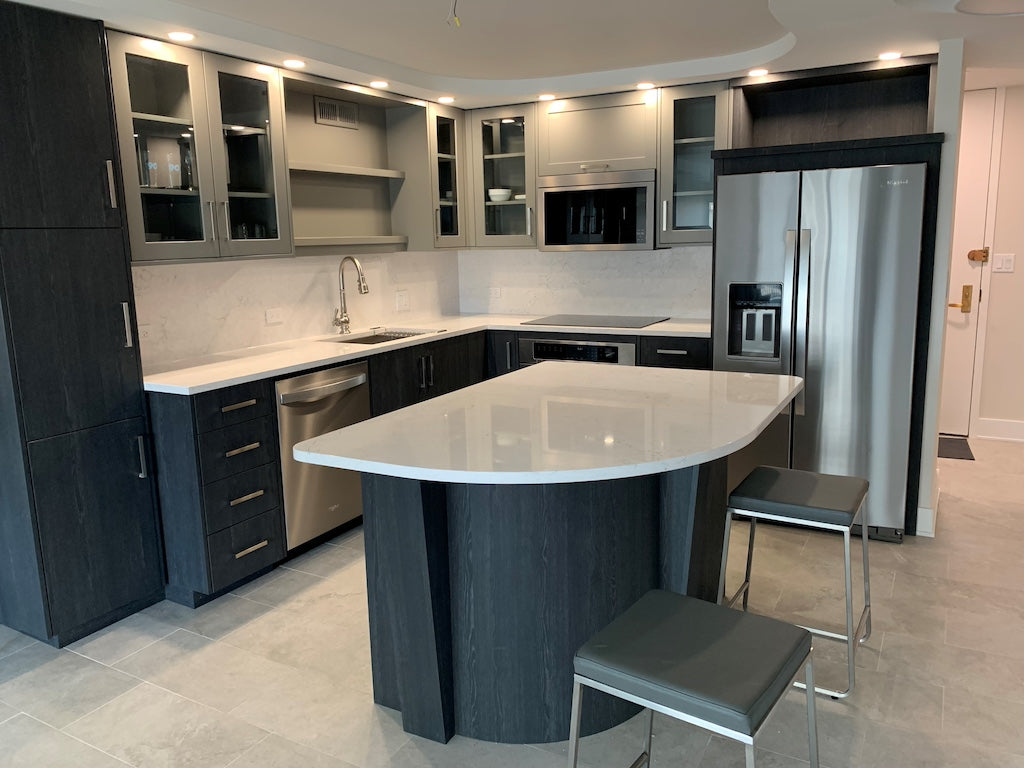
Image Source: homecarpetone.com
Decoding Your Kitchen Cabinet Replacement Budget
Thinking about a kitchen makeover? New cabinets are often the star of the show, but they can also be a significant part of the overall cost. Let’s dive into what goes into the kitchen cabinet replacement cost and how you can plan your finances effectively.
Why Are Kitchen Cabinets So Pricey?
Several elements contribute to the final bill when you decide it’s time for a change. The more you know, the better you can budget and the happier you’ll be with the outcome.
Factors Influencing Kitchen Cabinet Cost
- Size of Your Kitchen: This is perhaps the most obvious factor. A larger kitchen needs more cabinets, which means more materials and more labor.
- Cabinet Style: From simple Shaker doors to ornate raised panels, style plays a big role. More intricate designs usually cost more.
- Cabinet Materials: The type of wood or material used for your cabinets is a major cost driver.
- Hardware: Knobs, pulls, and hinges, while small, can add up.
- Countertops: While not part of the cabinets themselves, new countertops often go hand-in-hand with cabinet replacements, and they have their own significant costs.
- Labor: Who is doing the work? DIY saves money on labor, but professional installation ensures quality and saves you time and potential headaches.
Estimating the Average Kitchen Cabinet Price
So, what’s a realistic number to aim for? The average kitchen cabinet price can vary greatly, but here’s a general idea:
- Stock Cabinets: These are pre-made and come in standard sizes. They are the most budget-friendly option. You might expect to pay anywhere from $100 to $400 per linear foot.
- Semi-Custom Cabinets: These offer more choices in terms of style, finish, and size than stock cabinets. The price typically falls between $150 to $600 per linear foot.
- Custom Cabinets: Built to your exact specifications, these offer the most flexibility and highest quality but come with the highest price tag. Expect to spend $300 to $1,000+ per linear foot.
The Cabinet Renovation Cost Estimator: What to Expect
To get a more precise idea, you’ll want to use a cabinet renovation cost estimator. These tools often ask for:
- The dimensions of your kitchen.
- The number of linear feet of cabinetry you need.
- Your preferred cabinet style and material.
- Whether you’re opting for stock, semi-custom, or custom cabinets.
- Installation costs (DIY vs. professional).
Generally, for a complete kitchen cabinet replacement, you could be looking at a range of $4,000 to $15,000 or more for the cabinets alone. This doesn’t include installation, countertops, or other kitchen upgrades.
Diving Deeper: Cost to Refurnish Kitchen Cabinets vs. Replacement
Before you commit to full replacement, it’s worth considering alternatives like refacing or refinishing. This is where the cost to refurnish kitchen cabinets comes into play, and it can offer significant savings.
Cabinet Refacing: A Cost-Effective Alternative
Cabinet refacing involves keeping your existing cabinet boxes and frames but replacing the doors and drawer fronts. New veneer or laminate is also applied to the visible surfaces of the cabinet boxes.
Cabinet refacing cost comparison often shows it to be about 30% to 50% less expensive than replacing all your cabinets.
- Pros of Refacing:
- Significantly lower cost.
- Faster installation time than full replacement.
- Less disruptive to your kitchen.
- New look and feel without changing the cabinet layout.
- Cons of Refacing:
- You’re still working with the existing cabinet boxes, which might have underlying issues or limitations.
- Limited options for changing the cabinet layout or adding new features.
- The interior of the cabinets remains the same.
Cabinet Refinishing: The Budget Option
Refinishing is the most budget-friendly option. It involves sanding down the existing cabinets and applying a new stain or paint.
- Pros of Refinishing:
- The lowest cost option.
- Can dramatically change the look of your kitchen if done well.
- Can be a DIY project, saving on labor.
- Cons of Refinishing:
- Labor-intensive, especially for DIY.
- Results depend heavily on the skill of the person doing the refinishing.
- Doesn’t address worn-out cabinet boxes or hardware.
Understanding Kitchen Cabinet Materials Cost
The material of your cabinets is a crucial factor in determining the overall kitchen cabinet materials cost.
Popular Cabinet Materials and Their Costs:
- MDF (Medium-Density Fiberboard):
- Cost: Generally the most affordable option.
- Pros: Smooth surface ideal for painting, stable, consistent.
- Cons: Susceptible to moisture damage, can be heavy, less durable than solid wood.
- Particleboard:
- Cost: Very inexpensive, often used in the cheapest stock cabinets.
- Pros: Affordable.
- Cons: Least durable, prone to sagging under weight, highly susceptible to moisture, not good for painted finishes.
- Plywood:
- Cost: Mid-range to high-end, depending on the veneer.
- Pros: Strong, durable, resistant to moisture and warping, good for painted or stained finishes. Often used for cabinet boxes.
- Cons: Can be more expensive than MDF or particleboard.
- Solid Wood:
- Cost: Varies greatly by wood species.
- Common Woods & Relative Costs:
- Oak: Moderately priced, durable, prominent grain.
- Maple: Mid-to-high price, smooth grain, takes paint and stain well.
- Cherry: High price, rich color, smooth grain, beautiful aging.
- Hickory: High price, very strong, distinctive grain.
- Alder: Moderately priced, soft wood, good for rustic looks, takes stain well but can be blotchy.
- Birch: Moderately priced, similar to maple, smooth grain.
- Pros: Durable, beautiful, can be repaired, adds value to home.
- Cons: Can be expensive, susceptible to humidity changes (though less so than MDF/particleboard).
- Laminate & Thermofoil:
- Cost: Generally affordable to mid-range.
- Pros: Durable, easy to clean, resistant to scratches and stains, wide variety of colors and finishes.
- Cons: Can chip or peel over time, difficult to repair if damaged.
How Much Do Custom Kitchen Cabinet Prices Vary?
Custom kitchen cabinet prices can fluctuate dramatically based on the chosen materials, the complexity of the design, and the reputation of the cabinet maker.
- Material Choice: Solid hardwood like cherry or hickory will significantly increase the price compared to birch or alder. High-quality plywood for boxes is also a factor.
- Design Complexity: Intricate joinery, decorative moldings, specialized inserts (like pull-out shelves or spice racks), and unique door styles all add to the cost.
- Finish: Custom finishes, multi-step staining, or unique paint applications will be more expensive than standard factory finishes.
- Hardware: High-end drawer slides, soft-close hinges, and designer pulls can add hundreds or even thousands to the total cost.
- Cabinet Maker’s Reputation & Location: Experienced, in-demand cabinet makers will typically charge more. Prices can also be higher in areas with a higher cost of living.
As a rough guide, expect custom kitchen cabinet prices to start around $500 per linear foot and easily go up to $1,500 per linear foot or more for premium materials and complex designs.
The Hidden Costs: Installation and Other Expenses
Don’t forget that the installing new kitchen cabinets cost is a significant piece of the puzzle.
Labor Cost for Kitchen Cabinets
- Professional Installation: If you hire a professional contractor or cabinet installer, expect to pay $50 to $150 per hour, or a flat fee that can range from $500 to $2,000 or more per day, depending on the complexity and size of the job. Some installers may charge a percentage of the cabinet cost, typically 10% to 25%.
- DIY Installation: This saves on labor costs, but you’ll need to factor in the cost of tools, potential mistakes, and the significant time investment.
Other Potential Costs:
- Demolition and Disposal: If you’re removing old cabinets, there will be costs associated with their removal and disposal.
- Plumbing and Electrical: If your new cabinet layout requires moving plumbing or electrical outlets, this will add to the cost.
- Backsplash: New cabinets often mean a new backsplash to match.
- Hardware: Knobs, pulls, hinges – these can add $5 to $50+ per piece.
- Delivery Fees: Some cabinet suppliers charge for delivery.
- Permits: Depending on your location and the scope of work, you might need building permits.
Budgeting for Your Kitchen Cabinet Project: Smart Tips
Creating a realistic budget is key to a successful kitchen cabinet replacement.
1. Get Detailed Quotes:
- Always get at least three detailed quotes from different contractors or cabinet suppliers.
- Ensure quotes include the cost of cabinets, hardware, delivery, installation, and disposal of old cabinets.
- Ask for a breakdown of costs.
2. Factor in a Contingency Fund:
- It’s wise to add 10% to 20% to your total budget for unexpected expenses. Kitchen renovations are notorious for uncovering hidden issues.
3. Prioritize Your Needs:
- What are your must-haves versus your nice-to-haves? If your budget is tight, you might need to compromise on certain features or materials.
- Could you reuse existing hardware if it’s in good condition?
4. Explore Different Options:
- Compare stock, semi-custom, and custom cabinets.
- Consider cabinet refacing or refinishing if your existing boxes are sound.
- Look for sales and discounts from cabinet suppliers.
5. DIY Smartly:
- If you’re comfortable with DIY, consider taking on some tasks yourself to save money, such as removing old cabinets or painting/refinishing. However, be realistic about your skills and time.
Creating Your Kitchen Cabinet Replacement Plan
Let’s break down how to approach your project.
Step 1: Measure Your Kitchen and Plan the Layout
Accurate measurements are crucial. Draw a floor plan of your kitchen, marking the location of windows, doors, appliances, and plumbing. Decide if you want to change the layout or keep it the same. This will help you determine how many linear feet of cabinetry you need.
Step 2: Choose Your Cabinet Style and Type
- Style: Modern, traditional, transitional, farmhouse, Shaker, slab, raised panel, etc.
- Type: Stock, semi-custom, or custom.
Step 3: Select Your Materials and Finishes
Based on your budget and desired aesthetic, choose your cabinet box material, door material, and finish (paint, stain, laminate).
Step 4: Pick Your Hardware
Decide on hinges, drawer slides, knobs, and pulls. Soft-close features and full-extension drawer slides are popular upgrades that improve functionality.
Step 5: Get Quotes and Compare
Reach out to cabinet suppliers and contractors for quotes. Compare not just prices but also the quality of materials, warranties, and customer reviews.
Step 6: Schedule Installation
Once you’ve chosen your cabinets and installer, schedule the installation. Ensure your kitchen is cleared and ready for the work to begin.
Common Cabinet Styles and Their Cost Implications
The style of your cabinet doors and frames can significantly impact the price.
Shaker Style Cabinets
- Description: Characterized by a simple, clean design with a flat center panel and square edges. Very popular for its versatility.
- Cost: Generally mid-range. Often available in stock, semi-custom, and custom options.
- Cost Factor: Relatively simple construction makes them more affordable than ornate styles.
Slab (Flat Panel) Cabinets
- Description: Feature a single, flat door and drawer front. Offers a minimalist, modern look.
- Cost: Can be very affordable, especially in MDF or laminate.
- Cost Factor: Simplest construction, often the least expensive option.
Raised Panel Cabinets
- Description: The center panel is raised, creating depth and a more traditional or formal appearance.
- Cost: Mid-range to high-end, depending on the wood and detailing.
- Cost Factor: More complex construction process than Shaker or slab doors.
Recessed Panel Cabinets
- Description: Similar to Shaker but with a slightly beveled or recessed edge around the center panel.
- Cost: Similar to Shaker, mid-range.
- Cost Factor: Slightly more detail than slab, less than raised panel.
Inset Cabinet Doors
- Description: The doors and drawer fronts are set into the cabinet frame, creating a flush, seamless look. This requires precise craftsmanship.
- Cost: High-end.
- Cost Factor: Requires meticulous fitting and alignment, increasing labor and material costs.
Frequently Asked Questions (FAQ)
Q1: What is the average cost to replace kitchen cabinets for a small kitchen?
For a small kitchen (around 100-150 sq ft), you might expect the kitchen cabinet replacement cost to be between $3,000 and $8,000, depending on the materials and whether you choose stock or semi-custom options. Custom cabinets could push this figure higher.
Q2: Can I save money by installing cabinets myself?
Yes, doing the installation yourself can save on labor cost for kitchen cabinets, which can be a significant portion of the total. However, you need to be comfortable with measuring, cutting, leveling, and securing cabinets, as mistakes can be costly to fix.
Q3: What’s the difference in cost between refacing and replacing cabinets?
Generally, cabinet refacing cost comparison shows it to be about 30-50% less than full replacement. If you have solid cabinet boxes and like your current layout, refacing is a great way to update the look for less.
Q4: How much does it cost to replace just the cabinet doors?
Replacing just the doors can range from $1,000 to $5,000 or more, depending on the material, style, and number of doors. This is part of the cabinet refacing process.
Q5: What are the cheapest cabinet materials?
MDF and particleboard are typically the cheapest materials for cabinet construction, often found in entry-level stock cabinets. Laminate and thermofoil are also budget-friendly options for door fronts and finishes.
Q6: Does the finish affect the cabinet price?
Yes, the finish can impact the price. Painted cabinets are often more expensive than stained cabinets because they require more preparation and multiple coats for a smooth, even finish. Custom finishes or multi-step processes will also add to the cost.
Q7: How long does cabinet installation typically take?
For a professional installation, replacing kitchen cabinets usually takes 2 to 5 days, depending on the size of the kitchen, the complexity of the installation, and any unexpected issues that arise.
By carefully considering these factors and planning your budget diligently, you can successfully navigate the process of replacing your kitchen cabinets and achieve the kitchen of your dreams.