
What is the standard height of base kitchen cabinets? The standard base cabinet height is 34.5 inches from the floor to the top of the cabinet box, before adding a countertop. This standard measurement ensures a comfortable countertop height for most people when a typical 1.5-inch countertop is added, bringing the total to 36 inches. This guide will explore everything you need to know about base kitchen cabinet dimensions, offering insights for your kitchen design or renovation.
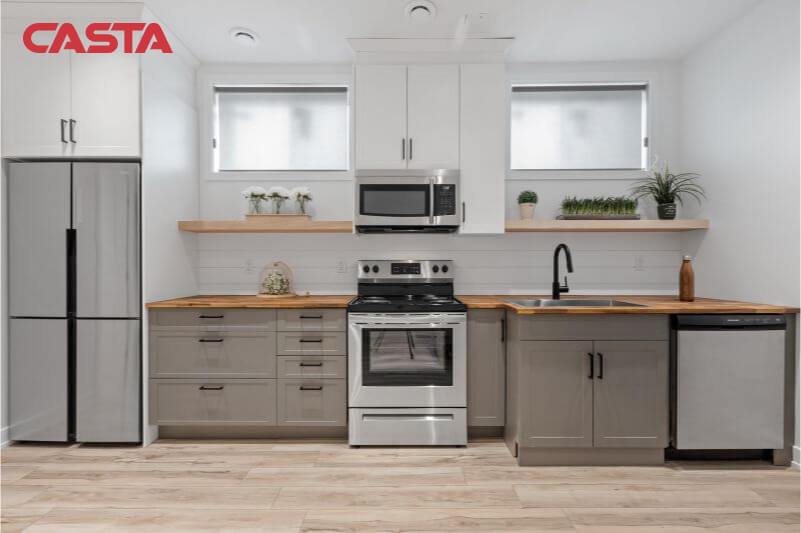
Image Source: castacabinetry.com
Deciphering Base Cabinet Measurements
When planning your kitchen, accurately grasping kitchen cabinet dimensions is crucial. Base cabinets form the foundation of your kitchen workspace, supporting countertops and housing essential storage. Their height, depth, and width all play significant roles in functionality and aesthetics. Let’s delve into the specifics of these measurements.
The Standard Height of Kitchen Cabinets from Floor
As mentioned, the height of kitchen cabinets from floor for base units is typically 34.5 inches. This measurement refers to the cabinet box itself. Why this specific height? It’s a result of ergonomic considerations and historical evolution. Early kitchens often featured much lower counters, but as kitchens became more central to home life and people grew taller, the standard began to shift upwards. The 34.5-inch measurement, when combined with a standard 1.5-inch countertop, creates the widely accepted 36-inch countertop height. This height is comfortable for most adults to stand and work at without excessive bending or reaching.
It’s important to note that this is a standard base cabinet height, and custom solutions can vary. However, for the vast majority of kitchens, this 34.5-inch measurement is the starting point.
Common Kitchen Cabinet Sizes: Beyond Height
While height is a primary concern, common kitchen cabinet sizes also encompass depth and width. Understanding these dimensions is key to planning efficient cabinet layouts and ensuring adequate storage and workspace.
- Base Cabinet Depth: The base cabinet depth is generally 24 inches for the cabinet box. This depth provides substantial storage space and a stable platform for your countertop. It also allows for sufficient base cabinet clearance behind appliances like refrigerators and ovens, if they are built-in.
- Base Cabinet Width: Base cabinet widths vary significantly to accommodate different kitchen layouts and needs. You’ll find standard widths like 9 inches, 12 inches, 15 inches, 18 inches, 21 inches, 24 inches, 30 inches, 36 inches, and even wider. These widths are often dictated by the available wall space and the desired functionality of each cabinet. For example, a 36-inch base cabinet might be used for a sink base or as a large drawer unit.
The interplay between these dimensions – height, depth, and width – defines the overall footprint and utility of each base cabinet in your kitchen.
Fathoming Base Cabinet Clearance and Spacing
Proper base cabinet clearance and strategic base cabinet spacing are vital for both usability and safety in the kitchen. These elements ensure you can open cabinet doors and drawers freely, move around comfortably, and access your appliances without obstruction.
Under Cabinet Clearance: Working Comfortably
The space between your countertop and the upper cabinets is known as under cabinet clearance. While this primarily relates to upper cabinets, it’s worth mentioning as it impacts the overall kitchen workflow. A standard under cabinet clearance is typically 18 inches. This allows ample room for countertop appliances, task lighting, and comfortable movement while working at the counter. The base cabinet clearance also considers the space needed to access the drawers and doors of the base cabinets themselves.
Base Cabinet Spacing: The Kitchen Work Triangle
Thoughtful base cabinet spacing is integral to creating an efficient kitchen layout, often guided by the concept of the kitchen work triangle (connecting the sink, refrigerator, and stove).
- Working Aisles: Ensure sufficient clearance between base cabinets and other kitchen elements like islands or opposite countertops. A minimum of 36 inches is recommended for comfortable passage, with 42-48 inches being ideal, especially in high-traffic areas or kitchens where multiple people cook. This space allows for opening cabinet doors and drawers without hitting walls or other obstacles.
- Appliance Integration: Consider the required base cabinet clearance for appliances. Built-in ovens, dishwashers, and refrigerators often have specific installation requirements regarding surrounding cabinet space for ventilation and access. Always consult the appliance manufacturer’s specifications.
Interpreting Kitchen Cabinet Measurements for Design
Accurate kitchen cabinet measurements are the bedrock of a successful kitchen design. Whether you are ordering pre-fabricated cabinets or opting for custom solutions, precise measurements prevent costly mistakes and ensure a seamless installation.
Measuring Your Existing Kitchen
Before you even think about new common kitchen cabinet sizes, you need to measure your current kitchen space accurately.
- Wall Lengths: Measure the length of each wall where cabinets will be installed. Measure from corner to corner.
- Wall Heights: Measure the height from the floor to the ceiling. This is important for planning upper cabinets and for identifying any potential obstructions like soffits.
- Window and Door Openings: Measure the width and height of all windows and doors. Also, note their distance from corners and from the floor. This will dictate cabinet placement and require careful planning for base cabinet spacing.
- Appliance Locations: Precisely measure the space allocated for existing or planned appliances. This includes refrigerators, stoves, dishwashers, and microwaves. Note any existing plumbing or electrical outlets.
- Obstructions: Identify and measure any features that might interfere with cabinet installation, such as radiators, vents, pipes, or electrical boxes.
Standard Base Cabinet Height vs. Customization
While the 34.5-inch standard base cabinet height is widely used, there are situations where customization is beneficial.
- Accessibility: For individuals using wheelchairs or those with specific accessibility needs, lower countertop heights might be preferred. This would involve custom-height base cabinets.
- Ergonomics for Different Heights: While 36 inches is generally comfortable, some taller individuals might find a slightly higher countertop height more comfortable. Conversely, shorter individuals might prefer a slightly lower counter.
- Appliance Specifications: Certain specialized appliances, like professional-grade ranges or warming drawers, may require specific cabinet dimensions, including height.
When considering custom heights, always factor in the planned countertop thickness to achieve your desired final countertop height.
Comprehending Base Cabinet Depth and Its Impact
The 24-inch base cabinet depth is a cornerstone of kitchen design, but understanding its implications is key.
Storage Capacity
The substantial base cabinet depth of 24 inches allows for deep shelves and drawers, maximizing storage potential. This depth is ideal for storing larger kitchen items like pots, pans, small appliances, and bulk pantry goods. Drawer units, especially, benefit from this depth, offering easier access to items at the back compared to deep shelves.
Countertop Overhang
The standard 24-inch base cabinet depth typically allows for a 1.5-inch countertop overhang. This overhang serves several purposes:
- Aesthetics: It provides a finished look and can contribute to the overall style of the kitchen.
- Functionality: It protects the cabinet boxes from spills and makes it easier to clean the countertop’s edge.
- Knee Space: In some areas, like breakfast bars or areas with seating, the overhang provides comfortable knee space.
The total depth of a base cabinet with a standard countertop is therefore approximately 25.5 inches.
Clearance Considerations Revisited
The 24-inch base cabinet depth also influences base cabinet clearance. When cabinets are placed against a wall, the 24-inch depth, plus any countertop overhang, means the front of the cabinet protrudes a certain distance from the wall. This is factored into aisle measurements and clearance planning. Ensuring adequate base cabinet clearance means you can open doors and drawers without them hitting walls or other obstructions.
The Variety in Common Kitchen Cabinet Sizes
Beyond the standard height and depth, the variety in widths is what allows for the customization of your kitchen layout.
Standard Base Cabinet Widths and Their Uses
Here’s a look at some common kitchen cabinet sizes for base cabinets and their typical applications:
| Width (Inches) | Typical Use | Notes |
|---|---|---|
| 9 | Narrow storage, filler pieces | Often used for wine racks, pull-out spice racks, or as filler. |
| 12 | Smaller drawers, corner solutions | Good for narrower drawer stacks or to fill smaller gaps. |
| 15 | Drawer units, trash pull-outs, smaller cabinets | Versatile for various storage needs. |
| 18 | Drawer units, trash pull-outs, standard cabinets | A very common size for multiple uses. |
| 21 | Drawer units, standard cabinets | Offers slightly more space than 18-inch cabinets. |
| 24 | Drawer units, sink bases, standard cabinets | A workhorse size, often used for sink bases and general storage. |
| 27 | Larger drawer units, standard cabinets | Provides more capacity for larger items. |
| 30 | Large drawer units, sink bases, appliance garages | Excellent for maximizing storage in key areas. |
| 36 | Sink bases, large drawer units, pot-and-pan drawers | Ideal for high-use areas and bulky items. |
| 42 | Corner cabinets (often require filler) | Specifically designed for corner configurations, often with lazy susans. |
| 48+ | Appliance garages, custom applications | Larger units typically used for specific appliance integration or needs. |
Planning with Kitchen Cabinet Measurements
When you’re ready to plan, meticulous kitchen cabinet measurements are essential.
- Layout the Floor Plan: Draw your kitchen to scale, including walls, windows, doors, and existing plumbing/electrical.
- Designate Cabinet Zones: Decide where you want your sink, stove, refrigerator, and other major appliances.
- Select Cabinet Sizes: Based on your floor plan and appliance placement, choose the appropriate common kitchen cabinet sizes to fill the available space. Consider how the widths will work together to create functional storage.
- Account for Fillers and Trim: You may need filler strips to bridge gaps between cabinets and walls or between cabinets themselves. These are usually a few inches wide and are factored into the overall base cabinet spacing.
- Specify Door and Drawer Styles: The internal kitchen cabinet dimensions are generally standard, but the external appearance (door style, hardware) is a matter of personal preference.
Elevating Your Kitchen: Customizations and Considerations
While standards exist for a reason, the beauty of kitchen design lies in its adaptability.
Raised Base Cabinets: An Alternative Height
Can you have base cabinets that are taller than the standard 34.5 inches? Yes, you can opt for raised base cabinets. This often involves adding a “toe kick height” of 4 to 6 inches or more, in addition to the standard cabinet box, resulting in a higher countertop height. This might be done for aesthetic reasons or to create a specific functional zone within the kitchen. However, it’s crucial to consider the impact on ergonomics and the overall flow of the kitchen. Always ensure adequate base cabinet clearance is maintained for doors and drawers.
ADA Compliance and Accessibility
For kitchens designed for accessibility, such as those meeting Americans with Disabilities Act (ADA) guidelines, the standard base cabinet height of 34.5 inches is often adjusted. ADA guidelines typically recommend a countertop height of 34 inches maximum, with at least 27 inches of clearance from the floor to the underside of the cabinet for wheelchair access. This requires custom-designed base cabinets with shallower depths and modified heights to ensure proper base cabinet clearance and usability.
Frequently Asked Questions (FAQ)
Q1: What is the standard depth of base kitchen cabinets?
A1: The standard base cabinet depth is 24 inches for the cabinet box, before adding a countertop.
Q2: Can I install base cabinets of different heights?
A2: Yes, while a standard base cabinet height of 34.5 inches (before countertop) is common, you can opt for custom heights to suit your needs, such as for accessibility or specific appliance requirements. Always ensure you calculate the final countertop height accurately.
Q3: How much space do I need between my base cabinets and island?
A3: A minimum of 36 inches is recommended for base cabinet clearance and comfortable passage, with 42-48 inches being ideal in busier kitchens. This ensures you have enough base cabinet spacing to open doors and drawers freely.
Q4: What is the typical countertop height in a kitchen?
A4: The typical countertop height is 36 inches, achieved by combining a 34.5-inch standard base cabinet height with a 1.5-inch countertop.
Q5: What does “base cabinet clearance” refer to?
A5: Base cabinet clearance refers to the open space needed around base cabinets to allow for the opening of doors and drawers, as well as comfortable movement and access to appliances. This also relates to under cabinet clearance for upper cabinets.
Q6: What are some common kitchen cabinet sizes for width?
A6: Some common kitchen cabinet sizes for width include 9, 12, 15, 18, 21, 24, 30, 36, and 42 inches, with the choice depending on the available space and desired function.
Q7: Why is the standard base cabinet height 34.5 inches?
A7: The standard base cabinet height of 34.5 inches, when paired with a 1.5-inch countertop, results in a 36-inch countertop height, which is ergonomically suited for most adults for general kitchen tasks.
By carefully considering these kitchen cabinet dimensions and planning your base cabinet spacing, you can create a kitchen that is both beautiful and highly functional.