
What is the standard upper kitchen cabinet height? The most common upper cabinet height is 30 inches, though they can also be found in 36-inch and 42-inch heights. The crucial measurement for upper cabinets is the spacing between them and the base cabinets, which is typically 18 inches.
When planning your kitchen renovation or even just a simple refresh, one of the most fundamental decisions you’ll make revolves around your cabinetry. While the aesthetics of door styles and finishes often grab the spotlight, the practical dimensions of your cabinets are equally, if not more, important for creating a functional and comfortable cooking space. This is particularly true for upper kitchen cabinets. Their height and placement directly impact workflow, accessibility, and the overall visual balance of your kitchen. Let’s dive deep into the world of upper cabinet dimensions, exploring standard sizes, common spacing, and the factors that influence these choices.
Image Source: images.squarespace-cdn.com
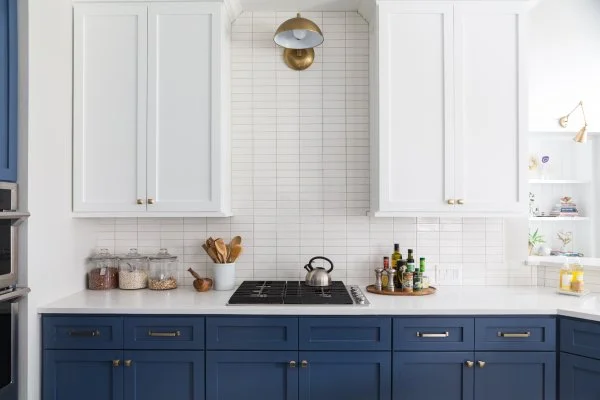
Deciphering Upper Cabinet Height
The height of upper cabinets, also known as wall cabinets, is a critical element in kitchen design. It’s not just about how much storage you get; it’s about how easy it is to reach items, how the cabinets look with the rest of your kitchen, and how much usable space you have for activities like food preparation.
Common Upper Cabinet Heights
While a degree of customization is always possible, the kitchen cabinet industry generally adheres to a set of standard sizes to ensure compatibility and ease of installation. For upper cabinets, these standard heights are usually measured in inches and commonly fall into a few key categories:
- 30 inches: This is by far the most prevalent upper cabinet height. It strikes a good balance between providing ample storage and maintaining comfortable reachability for the average person.
- 36 inches: Offering more vertical storage, 30-inch cabinets are a popular choice for those who need extra space for dishes, glassware, or pantry items. They can make a kitchen feel taller and more grand.
- 42 inches: These are the tallest standard upper cabinets and are often used in kitchens with higher ceilings or when maximizing storage is the absolute priority. They require a taller backsplash or a greater countertop to upper cabinet distance for comfortable use.
Table 1: Common Upper Cabinet Heights
| Standard Height (inches) | Typical Use Cases | Benefits | Considerations |
|---|---|---|---|
| 30 | Standard kitchens, good for most users, balances storage and accessibility. | Excellent accessibility, common and widely available, works with standard ceiling heights. | May not offer as much storage as taller options. |
| 36 | Kitchens with 8-foot ceilings, families needing more storage, a popular mid-range. | Increased storage capacity, visually appealing, generally accessible. | Might require slightly more effort to reach top shelves for shorter individuals. |
| 42 | Kitchens with 9-foot or higher ceilings, maximizing storage in tall spaces. | Maximum storage, creates a grand visual impact, ideal for high ceilings. | Can be difficult to reach the top shelves without a step stool; requires taller backsplash. |
Factors Influencing Upper Cabinet Height Choices
The decision on which upper cabinet height to choose isn’t made in a vacuum. Several factors come into play:
- Ceiling Height: This is arguably the most significant factor. If you have standard 8-foot ceilings, 30-inch or 36-inch cabinets are generally the most practical. For 9-foot or taller ceilings, 42-inch cabinets become a viable and often aesthetically pleasing option. Installing cabinets that nearly reach the ceiling can create a sense of grandeur and maximize storage.
- User Height: The height of the primary users of the kitchen is important for comfortable access. Taller individuals might find even 30-inch cabinets easy to reach the top shelves of, while shorter individuals might prefer a slightly lower placement or a more accessible height.
- Storage Needs: How much do you need to store? If you have a large family or entertain frequently, you might lean towards taller cabinets. If your needs are more modest, standard 30-inch cabinets might suffice.
- Aesthetics and Kitchen Layout Measurements: The visual proportion of cabinets to the rest of the kitchen is key. Taller cabinets can make a smaller kitchen feel more cramped if not handled carefully. Conversely, in a large kitchen, shorter upper cabinets might look disproportionate. The overall kitchen layout measurements are crucial for achieving balance.
- Backsplash Design: The height of your upper cabinets directly impacts the visible backsplash area. Taller cabinets mean less backsplash, which might influence your material choices or design.
Comprehending Spacing: The Crucial Countertop to Upper Cabinet Distance
Beyond the cabinet’s own height, the space between the upper and base cabinets – the area where your countertop sits – is paramount for kitchen functionality. This is often referred to as the “working zone” of the kitchen.
Standard Countertop to Upper Cabinet Distance
The industry standard for the distance between the countertop and the underside of upper cabinets is 18 inches. This measurement is critical for several reasons:
- Ergonomics and Workflow: An 18-inch gap provides ample room for most people to work comfortably on the countertop without hitting their heads on the cabinets above. It allows for typical kitchen tasks like chopping vegetables, mixing ingredients, and using small appliances.
- Appliance Fit: This spacing is designed to accommodate most standard countertop appliances, such as toasters, blenders, and coffee makers. It also allows space for taller items like standing mixers or even small microwaves if they are placed on the counter.
- Backsplash Installation: The 18-inch space is also the typical height for a kitchen backsplash. This allows for a substantial area to protect the wall from splashes and stains, and it also provides a canvas for decorative tiles or other backsplash materials.
Table 2: Standard Spacing and Implications
| Measurement | Standard Distance | Importance |
|---|---|---|
| Countertop to Upper Cabinet | 18 inches | Crucial for comfortable working, accommodating appliances, and providing adequate backsplash space. Affects overall kitchen ergonomics. |
| Base Cabinet Height | 36 inches | The standard height for base cabinets, providing a stable work surface at a comfortable height. |
| Total Countertop Height (Avg.) | ~36 inches | When combined with the standard 18-inch clearance, this means the bottom of the upper cabinets is typically around 54 inches from the floor (36″ base + 18″ clearance). |
Adjusting the Standard Spacing
While 18 inches is the norm, there are instances where this spacing might be adjusted:
- Increased Spacing (e.g., 20-24 inches): This can be beneficial in a few scenarios:
- For Taller Individuals: A slightly larger gap can enhance comfort for very tall people.
- For Specific Appliances: If you plan to house taller appliances like certain microwave models or decorative range hoods on the counter, you might opt for more space.
- Aesthetic Preferences: Some designers prefer a more open feel, with more wall space visible between the counter and cabinets.
- Decreased Spacing (e.g., 15-17 inches): This is less common and generally discouraged for primary work areas. It might be considered in very specific situations, such as:
- Maximizing Upper Cabinet Storage in Smaller Kitchens: In very compact spaces, a slightly reduced gap might be used to fit taller upper cabinets. However, this can compromise usability and create a feeling of being closed in.
- Specialized Applications: Certain built-in features might dictate a different spacing.
Important Note on Cabinet Clearance: When adjusting this spacing, always consider the practical implications for your daily use. Too little cabinet clearance can make working uncomfortable, while too much can make it difficult to reach the upper cabinets.
Fathoming Kitchen Layout Measurements and Cabinet Spacing
The precise measurements and spacing of your kitchen cabinets are integral to a well-functioning kitchen layout. Every inch matters when it comes to creating an efficient and pleasant cooking environment.
Standard Kitchen Cabinet Dimensions Recap
Let’s briefly touch upon the dimensions of the other main cabinet type to paint a fuller picture:
- Base Cabinets: These are typically 34.5 inches tall before the countertop is added. With a standard 1.5-inch countertop, this brings the total countertop height to 36 inches. Base cabinets are usually 24 inches deep.
- Upper Cabinets: As discussed, common heights are 30, 36, and 42 inches. Standard depth for upper cabinets is usually 12 inches. Widths vary significantly, from 9 inches up to 36 inches or more, depending on the cabinet’s purpose and location.
The Interplay of Cabinet Spacing and Layout
The 18-inch countertop to upper cabinet distance is a cornerstone of most kitchen layout measurements. It influences:
- Work Triangle Efficiency: Proper spacing ensures smooth movement between the sink, refrigerator, and stove, which are the traditional points of the kitchen work triangle.
- Countertop Usability: It maximizes the usable countertop surface area by allowing for comfortable movement and appliance placement.
- Appliance Placement: It dictates where you can place appliances like microwaves, toasters, and coffee makers. Some people opt for over-the-range microwaves, which are mounted above the stove and require a different clearance consideration for the stovetop. However, for countertop placement, the 18-inch rule is key.
- Visual Harmony: Consistent spacing contributes to a balanced and pleasing aesthetic throughout the kitchen. When cabinet spacing is uneven or too small, it can make the kitchen feel cluttered or awkward.
Cabinet Spacing and Workflow Considerations
- Task Zones: Different zones in the kitchen might benefit from slight variations. For example, the space above a primary prep area might be left at the standard 18 inches, while the space above a secondary counter might be adjusted if a taller appliance is permanently stationed there.
- Accessibility: For individuals with mobility issues, wider clearances and lower upper cabinets might be incorporated. This is a crucial aspect of universal design.
Variations and Customization
While standards provide a great starting point, kitchens are deeply personal spaces. Customization is common and often necessary to achieve the perfect balance of form and function.
Beyond the Standard Heights
- Shorter Upper Cabinets: In some vintage styles or specific design approaches, shorter upper cabinets might be used, perhaps paired with taller backsplashes or open shelving. However, these are less common for functional, primary storage.
- Taller Upper Cabinets: As mentioned, 42-inch cabinets are the tallest standard. For ceilings significantly higher than 9 feet, custom cabinets can be built to fill the entire space from countertop to ceiling, often incorporating a lift mechanism for the highest shelves.
Customizing the Countertop to Upper Cabinet Distance
As we’ve discussed, adjusting the 18-inch standard can be done, but with careful consideration. If you’re using a microwave that sits on the counter and needs more vertical space, you might opt for 20 or 21 inches. If you have a very short user and want easier access to the top shelves, you might reduce it slightly, but this should be done cautiously.
Table 3: Customizing Spacing – Pros and Cons
| Adjusted Spacing | Potential Benefits | Potential Drawbacks |
|---|---|---|
| 20-24 inches | Better for taller users, accommodates taller counter appliances, more open feel. | Can make upper cabinets harder to reach, might require taller backsplash materials. |
| 15-17 inches | Maximizes upper cabinet storage in compact spaces. | Can feel cramped, may not accommodate standard appliances, can be uncomfortable for users. |
Achieving the Right Look and Feel
The height and spacing of your upper cabinets contribute significantly to the overall aesthetic of your kitchen.
Visual Balance and Proportion
- Matching Heights: In a linear kitchen, using cabinets of the same height creates a clean, consistent look.
- Varying Heights for Interest: Some designs incorporate cabinets of different heights – for instance, a shorter cabinet over a sink or a taller cabinet over a pantry area – to add visual interest. However, the countertop-to-cabinet spacing usually remains consistent to maintain workflow.
- Stacking Cabinets: For very high ceilings, stacking two sets of cabinets is a popular solution. For example, 30-inch cabinets could be stacked on top of 15-inch cabinets, creating a total of 45 inches of cabinet height, leaving a smaller, decorative backsplash area. This requires careful planning to ensure the upper cabinets are still somewhat accessible or used for less frequently needed items.
The Role of the Backsplash
The backsplash plays a vital role in bridging the gap between the countertop and the upper cabinets. The standard 18-inch space allows for a significant backsplash, which can be a focal point for design.
- Material Choices: Tile, stone, glass, or even metal can be used for backsplashes, and the available space dictates how elaborate a design can be.
- Impact of Spacing: A wider gap means more backsplash material and a greater potential visual impact. A narrower gap means less backsplash, which can simplify the design or allow for a more subtle statement.
Frequently Asked Questions (FAQ)
Q1: Can I install upper kitchen cabinets that are shorter than 30 inches?
While possible, it’s generally not recommended for standard kitchens as it significantly reduces storage and can look disproportionate. Shorter cabinets might be used in very specific design contexts or for decorative purposes.
Q2: What is the standard depth of upper kitchen cabinets?
The standard depth for upper kitchen cabinets is 12 inches. This provides ample storage without protruding too far into the room and interfering with countertop use.
Q3: Should I match the height of all my upper cabinets?
It depends on your kitchen layout and design goals. While matching heights create a uniform look, varying heights can add visual interest, especially in kitchens with different functional zones or architectural features. The key is to maintain consistent countertop-to-cabinet spacing for functionality.
Q4: Can I put taller upper cabinets if I have an 8-foot ceiling?
You can technically install 36-inch upper cabinets with an 8-foot ceiling, but it will leave only 12 inches for the backsplash. This can look cramped and make it difficult to place appliances on the counter. 30-inch cabinets are generally preferred for 8-foot ceilings.
Q5: How do I determine the right countertop to upper cabinet distance for my kitchen?
The standard 18 inches is the most common and functional. Consider the height of the primary users and any specific appliances you plan to keep on the counter. If you’re unsure, consulting with a kitchen designer is advisable.
Q6: What are some alternatives to upper cabinets?
Open shelving, glass-front cabinets, or a combination of both can be excellent alternatives or additions to traditional upper cabinets. These can lighten the feel of the kitchen and display decorative items.
Q7: Does the distance between base cabinets and upper cabinets affect kitchen traffic flow?
Yes, the 18-inch clearance is vital for comfortable movement. If this space is too narrow, it can hinder the efficiency of the kitchen’s workflow and make it feel congested.
By carefully considering the standard upper cabinet height and the crucial countertop to upper cabinet distance, alongside your specific needs and kitchen layout measurements, you can ensure your kitchen is both beautiful and a joy to work in.