
What is the ideal kitchen island height? The ideal kitchen island height generally falls between 34 and 36 inches, aligning with standard countertop heights. This range provides comfortable working surfaces and accommodates most standard seating options. Can I have a kitchen island that is a different height? Absolutely! While standard heights are common, a custom kitchen island height can be tailored to your specific needs, activities, and aesthetic preferences.
Choosing the right height for your kitchen island is more than just an aesthetic decision; it’s a functional one that impacts your comfort, workflow, and the overall usability of your kitchen. Whether you’re prepping meals, enjoying a casual breakfast, or entertaining guests, the height of your island plays a crucial role. This comprehensive guide will delve into everything you need to know to find your perfect kitchen island height and dimensions, ensuring your kitchen is both beautiful and highly functional.
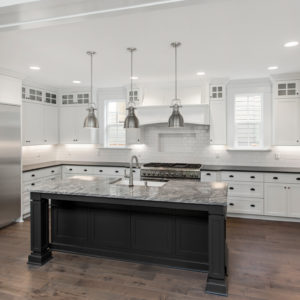
Image Source: www.missionwest.biz
Deciphering Kitchen Island Height Standards
The concept of a “standard” kitchen island height is rooted in ergonomics and practical kitchen design. Most kitchen countertops, including those on islands, are set at approximately 36 inches from the floor. This height is chosen for several reasons:
- Ergonomics for Food Preparation: This height allows most individuals to stand comfortably while chopping vegetables, mixing ingredients, or rolling dough without excessive bending or reaching. It promotes good posture and reduces strain during extended periods of kitchen work.
- Accommodating Standard Appliances: Many built-in kitchen appliances, such as ovens and dishwashers, are designed to fit seamlessly under standard-height countertops.
- Seating Compatibility: A 36-inch island height works well with standard counter-height stools, which typically have a seat height of around 24-26 inches. This allows for a comfortable legroom and dining experience.
However, it’s important to note that the “standard” isn’t a rigid rule. The optimal kitchen island height can vary based on the primary use of the island and the heights of the individuals who will be using it most frequently.
Counter Height Island vs. Bar Height Island
When selecting a kitchen island, you’ll encounter two primary height categories: counter height and bar height. Each serves different purposes and requires different seating.
Counter Height Islands
- Typical Height: 34-36 inches.
- Purpose: These islands are primarily designed as extensions of your kitchen workspace. They offer a comfortable surface for food preparation, cooking, and casual dining.
- Seating: They are best paired with counter-height stools, which typically have a seat height of 24-26 inches. This allows for a natural seating position where diners are roughly at the same level as those working at the island.
- Integration: Counter-height islands blend seamlessly with your existing kitchen countertops, creating a unified and flowing workspace.
Bar Height Islands
- Typical Height: 40-42 inches.
- Purpose: Bar height islands are designed to mimic the experience of a bar or pub. They are ideal for quick meals, snacks, or as a social gathering spot where people can stand or sit on tall stools.
- Seating: They require bar-height stools, which typically have a seat height of 28-30 inches. This higher seating allows for comfortable conversation and separation from the main kitchen work area.
- Advantages: The elevated height can help hide the mess of food preparation from guests and create a more distinct dining or social zone.
Beyond the Standard: Exploring Custom Kitchen Island Height
While standard heights offer a convenient starting point, a custom kitchen island height can elevate your kitchen’s functionality and comfort to a new level. Consider these scenarios where a custom height might be beneficial:
- Very Tall or Short Users: If the primary cooks in your household are significantly taller or shorter than average, adjusting the kitchen island workspace height can make a substantial difference in comfort and reduce physical strain. For instance, a taller individual might prefer an island closer to 38 inches for a more comfortable prep height.
- Specific Activities: If your island will be the primary spot for a particular activity, like baking or crafting, you might adjust the height accordingly. Bakers, for instance, might find a slightly lower surface more comfortable for kneading dough.
- Multi-Level Islands: You can incorporate different heights within a single island. A lower section can serve as a prep area, while a higher section acts as a bar or serving station. This versatility caters to various needs and enhances the island’s functionality.
- Accessibility: For individuals with mobility issues, a lower island height or a section of the island at an accessible height can be a crucial design consideration.
When considering a custom kitchen island height, measure the comfortable working height for the primary users of your kitchen. Stand at your current countertops and see what feels natural for chopping, mixing, and general tasks. This hands-on approach is invaluable.
Fathoming Kitchen Island Dimensions: Length and Depth
Beyond height, the overall dimensions of your kitchen island – its length and depth – are critical for both functionality and fitting within your kitchen’s layout.
Island Length
The length of your kitchen island will depend on several factors, including the size of your kitchen, the desired functionality, and the clearance you need around it.
- Minimum Clearance: A crucial consideration for island length is the space around it. You need adequate clearance for walkways, opening cabinet doors, and pulling out chairs.
- Working Clearance: For areas where drawers or appliances might be opened, aim for at least 36 inches of clearance.
- Walkways: Main traffic paths should have at least 42-48 inches of clearance. In less trafficked areas, 36 inches might suffice, but more is always better.
- Functionality and Workspace:
- Small Kitchens: In smaller kitchens, even a narrow island (around 36-48 inches in length) can provide valuable counter space and storage without overwhelming the room.
- Medium Kitchens: Islands ranging from 60-72 inches in length can offer a good balance of workspace, seating, and storage.
- Large Kitchens: Larger kitchens can accommodate islands of 84 inches or more, providing ample prep space, extensive storage, and potentially room for a sink or cooktop.
- Seating Integration: If you plan to seat people at your island, factor in the space needed for each person. Allow at least 24 inches of linear space per person at the island. For a comfortable dining experience, consider adding an overhang.
Island Depth
Island depth is primarily dictated by its intended use and the components it houses.
- Standard Countertop Depth: Most kitchen countertops are 24 inches deep. This allows for standard cabinet construction and sufficient workspace.
- Standard Island Depth (Single Sided Workspace): Islands designed primarily for prep and storage often mirror the standard countertop depth, ranging from 24 to 25 inches. This allows for standard cabinet installation.
- Islands with Seating (Overhang): When incorporating seating, the island depth needs to increase to accommodate the overhang.
- Minimum Overhang for Seating: To comfortably seat someone, you’ll need an overhang of at least 10-12 inches. This provides enough legroom.
- Total Depth with Seating: An island with seating typically ranges from 36 to 42 inches in total depth (including the base cabinet depth and the overhang).
- Islands with Sinks or Cooktops: Islands that will house a sink or cooktop may require a greater depth to accommodate the necessary cabinetry, plumbing, electrical, and ventilation requirements, as well as provide adequate clearance from the edge for safety and functionality. These can range from 30 inches to 36 inches or more.
Table 1: Guideline for Kitchen Island Dimensions
| Feature | Minimum Recommended | Standard Range | Maximum (Large Kitchens) |
|---|---|---|---|
| Island Height | 34 inches | 34-36 inches | 38 inches+ (custom) |
| Island Length | 48 inches | 60-72 inches | 84 inches+ |
| Island Depth | 25 inches | 25-36 inches | 36 inches+ |
| Seating Overhang | 10 inches | 12 inches | 15 inches+ |
| Clearance | 36 inches | 42-48 inches | 48 inches+ |
Note: These are general guidelines. Always measure your kitchen and consider your specific needs.
Optimizing Your Kitchen Island Workspace Height
The kitchen island workspace height is arguably the most critical factor for comfort and efficiency. Let’s delve deeper into how to optimize this aspect.
The Ergonomic Advantage of the Right Height
An improperly sized island can lead to backaches, neck strain, and general discomfort. The goal is to find a height that allows you to work naturally.
- Elbow Height is Key: A good rule of thumb is that your elbow should be bent at about a 90-degree angle when working at the island. This allows for relaxed shoulders and efficient movement.
- Consider Multiple Users: If different people of varying heights will use the island extensively, consider a multi-level design or a height that accommodates the most frequent user.
Adjusting for Specific Kitchen Tasks
While 36 inches is a good all-around height, some tasks might benefit from slight adjustments:
- Baking and Kneading: Many bakers prefer a slightly lower surface, around 30-33 inches, for tasks that involve significant kneading or rolling. This allows for better leverage and less strain on the back.
- High-Heat Cooking (Cooktops): If your island will feature a cooktop, consider the required clearances for ventilation and safety. The overall island height might be influenced by the appliance specifications.
- Serving and Dining: For casual dining or serving food, a higher surface (like a bar height island) can be more appropriate.
Incorporating a Kitchen Island Workspace Height
When designing or purchasing an island, look for features that enhance the workspace:
- Integrated Cutting Boards: Some islands come with pull-out cutting boards that can be set at a specific height, offering a dedicated and ergonomic prep surface.
- Adjustable Shelving: While not directly related to height, adjustable shelving within the island can help organize your kitchen tools and ingredients, making your workspace more efficient.
The Practicalities of Kitchen Island Dimensions
Beyond the ideal measurements, several practical considerations influence your final kitchen island dimensions.
Space Planning and Layout
Before committing to any dimensions, carefully plan your kitchen layout.
- Measure Your Kitchen: Accurately measure the available space in your kitchen, noting the location of doorways, windows, existing appliances, and cabinetry.
- Create a Floor Plan: Sketch out your kitchen on paper or use online design tools to visualize how the island will fit. Experiment with different placements and sizes.
- Consider Traffic Flow: Ensure that your island doesn’t obstruct essential traffic paths. You should be able to move freely around the kitchen, even when appliances or cabinets are open.
Material Considerations and Depth
The materials you choose for your countertop and island construction can also impact the overall depth and weight.
- Countertop Thickness: Standard countertop thickness is typically 1.5 inches. Thicker countertops (e.g., 2 inches or more) will add to the overall height and can also influence the perceived scale of the island.
- Cabinet Construction: The depth of the base cabinets will form the core of your island. Standard base cabinets are usually 24 inches deep.
- Structural Support: If you plan to overhang the island significantly for seating or a waterfall countertop design, ensure adequate structural support is incorporated into the island’s construction to prevent sagging.
Island Depth for Integrated Appliances
If your island will house appliances like a sink, dishwasher, or cooktop, this will significantly influence the required depth.
- Sinks: Undermount sinks typically require a deeper countertop base for proper installation and support. A minimum of 25 inches depth is usually recommended for sink bases.
- Dishwashers: Standard dishwashers are designed to fit into a 24-inch deep cabinet, but ensure enough clearance for the door to swing open fully.
- Cooktops: Cooktops have specific clearance requirements for ventilation and heat resistance. Consult the manufacturer’s specifications for precise depth and overhang needs.
Frequently Asked Questions About Kitchen Island Heights and Dimensions
Here are some common questions people have when planning their kitchen island:
Q1: What is the minimum distance needed between my island and my cabinets/appliances?
A1: A minimum of 36 inches is recommended for walkways and general movement. For areas where you’ll frequently open drawers, appliances, or cabinet doors, aim for 42-48 inches.
Q2: Can I have a kitchen island that is taller than my countertops?
A2: Yes, you can have a kitchen island that is taller than your standard countertops, especially if you want to create a distinct bar area for seating. This often results in a multi-level island design.
Q3: What is the best height for a kitchen island if I love to bake?
A3: For frequent baking activities that involve kneading and rolling, a slightly lower island height, perhaps between 30-33 inches, can be more comfortable and ergonomically beneficial.
Q4: How much overhang do I need for bar stools?
A4: For comfortable seating, you’ll need an overhang of at least 10-12 inches for bar stools. This provides sufficient legroom.
Q5: What are the standard kitchen island dimensions?
A5: Standard kitchen island heights are typically 34-36 inches. Standard depths for workspace islands are around 24-25 inches, while islands with seating can be 36-42 inches deep. Standard lengths can vary greatly but often range from 60-72 inches.
Q6: How do I determine the optimal kitchen island height for my family?
A6: The optimal kitchen island height is best determined by measuring the comfortable working height for the primary users. Stand at your current countertops and find the height where your elbows are at a 90-degree angle when chopping or working.
Q7: What are the implications of island depth on kitchen workflow?
A7: A deeper island provides more workspace and storage but can reduce clearance if your kitchen is small. A shallower island might offer better flow in tighter spaces but provides less functional surface area.
Q8: Is a counter height island or a bar height island better for my kitchen?
A8: A counter height island is generally more versatile as a workspace and for casual dining. A bar height island is better if you want a dedicated social gathering spot or a distinct dining area.
Q9: How does island length affect seating capacity?
A9: Each person seated at an island typically requires about 24 inches of linear space. Therefore, a longer island will accommodate more seating.
Q10: What if I want a custom kitchen island height that is different from the standard?
A10: A custom kitchen island height is entirely achievable. Consult with a kitchen designer or cabinet maker to ensure the height is ergonomically sound and fits your overall kitchen design and functionality goals.
By carefully considering these aspects of kitchen island height and dimensions, you can create a kitchen that is not only aesthetically pleasing but also a highly functional and comfortable space for cooking, dining, and gathering. Remember to prioritize your needs and how you intend to use your island to find the perfect fit.