
What is the standard kitchen cabinet height? Generally, base cabinets are 34.5 inches tall, and wall cabinets are typically 30 inches or 42 inches tall, though other heights are available. This guide will delve deeper into the specifics of kitchen cabinet heights to help you create a functional and beautiful kitchen.
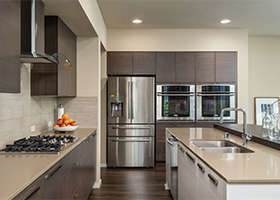
Image Source: www.lampertlumber.com
Deciphering Kitchen Cabinet Dimensions
Choosing the right cabinet height is crucial for both the aesthetics and the functionality of your kitchen. It affects how you use the space, how easily you can reach items, and the overall flow of your kitchen design. Let’s explore the key dimensions that determine how tall kitchen cabinets should be.
Base Cabinet Dimensions: The Foundation of Your Kitchen
Base cabinets are the workhorses of your kitchen. They sit on the floor and support your countertops, providing essential storage and workspace.
Standard Base Cabinet Height: The most common standard kitchen cabinet height for base cabinets is 34.5 inches. This measurement is taken from the floor to the top of the cabinet box, before the countertop is added. When a standard 1.5-inch thick countertop is installed, the total countertop height for kitchens becomes 36 inches. This 36-inch height is considered the ergonomic standard for most people, allowing comfortable food preparation and easy access.
Base Cabinet Depth: While height is critical, wall cabinet depth is also important to consider for base cabinets. Standard base cabinet depth is 24 inches. This depth provides ample space for drawers and shelves to store pots, pans, dishes, and appliances. Deeper base cabinets might be available, but 24 inches is the most common and functional depth for most kitchen layouts.
Adjusting Base Cabinet Height: It’s important to note that the 34.5-inch base cabinet height is a starting point. Custom kitchen designs or specific needs might require adjustments. For example, if you plan to use a thicker countertop, you might opt for slightly shorter base cabinets. Conversely, if you need a higher workspace, you might choose taller base cabinets or a combination of base cabinets and furniture-style legs.
Wall Cabinet Dimensions: Reaching for Storage
Wall cabinets, also known as upper cabinets, provide valuable storage space above your countertops. Their height and placement significantly impact the kitchen’s usability and visual appeal.
Standard Wall Cabinet Height: The standard kitchen cabinet sizes for wall cabinets vary, but common heights include 30 inches, 36 inches, and 42 inches. The choice depends on ceiling height, the desired storage capacity, and the aesthetic you want to achieve.
- 30-inch tall wall cabinets: These are often used when there’s a shorter distance between the countertop and the ceiling, or when a less imposing look is desired. They offer a good amount of storage without feeling overwhelming.
- 36-inch tall wall cabinets: These are a very popular choice, offering a substantial amount of storage and filling more of the vertical space, especially in kitchens with standard 8-foot ceilings.
- 42-inch tall wall cabinets: These are best suited for kitchens with higher ceilings (9 feet or more). They maximize storage space and can create a grander, more integrated look by reaching closer to the ceiling.
Upper Cabinet Clearance: The Crucial Gap: The space between the countertop and the bottom of the wall cabinets is known as upper cabinet clearance. The standard and most recommended clearance is 18 inches. This 18-inch gap provides enough room to comfortably work at the countertop without bumping your head on the cabinets, even when using appliances like blenders or mixers. It also accommodates standard backsplash heights.
Wall Cabinet Depth: Typical wall cabinet depth is 12 inches. This depth is sufficient for storing most kitchen items like glasses, plates, bowls, and pantry staples. Deeper wall cabinets are less common due to potential accessibility issues and their tendency to encroach on workspace.
Kitchen Layout Proportions: Creating Harmony
The kitchen layout proportions are essential for a well-designed space. The height of your cabinets plays a significant role in achieving a balanced and functional layout.
Consider your ceiling height. For standard 8-foot ceilings, 30-inch or 36-inch wall cabinets with an 18-inch clearance are generally ideal. If you have higher ceilings, 42-inch wall cabinets can be used, but always ensure there’s adequate space above them to avoid a cramped feeling. Leaving a small gap between the top of the wall cabinets and the ceiling (e.g., 6-12 inches) can add a polished look and prevent the cabinets from appearing too heavy.
Ergonomic Kitchen Cabinet Height: Designing for Comfort
An ergonomic kitchen cabinet height prioritizes comfort and ease of use for the primary users of the kitchen. While standard heights work for many, personalizing cabinet dimensions can greatly enhance the kitchen experience.
Adjusting for Height: If the primary cook is significantly taller or shorter than average, adjustments to the base cabinet height can be considered. For taller individuals, increasing the base cabinet height by a few inches (e.g., to 37-38 inches before countertop) can reduce bending and improve comfort. For shorter individuals, standard heights are usually manageable, but custom-designed lower cabinets could be an option if significant discomfort is a concern.
Accessibility: When designing for accessibility, especially for individuals with mobility issues, ADA compliant kitchen cabinet height becomes paramount. ADA guidelines suggest a minimum countertop height of 34 inches and a knee clearance of at least 27 inches from the floor to the underside of the countertop or cabinet. This allows wheelchair users to comfortably access and use the kitchen workspace. It’s important to consult specific ADA requirements for precise dimensions.
Fathoming Kitchen Cabinet Installation Height
The kitchen cabinet installation height is not just about the cabinet boxes themselves but also the overall structure of your kitchen. Proper installation ensures that your cabinets are level, secure, and positioned correctly for optimal functionality.
Base Cabinet Installation
- Leveling: Base cabinets are installed on a level floor. If your floor is uneven, shims are used to ensure the cabinets are perfectly level. This is critical for the proper functioning of drawers and doors.
- Anchoring: Base cabinets are typically secured to the wall studs for stability. This prevents them from tipping forward.
- Countertop Integration: The final height of your base cabinets, plus the countertop thickness, determines the overall working surface height. Ensure this measurement aligns with your ergonomic needs and design goals.
Wall Cabinet Installation
- Stud Finding: Wall cabinets are anchored directly to wall studs. Using a stud finder is essential for secure mounting.
- Height Measurement: The kitchen cabinet installation height for wall cabinets is typically measured from the finished floor to the bottom of the cabinet. As mentioned, an 18-inch clearance is standard. However, this can be adjusted. Some designers opt for 20 inches for a more spacious feel or less for specific design aesthetics or appliance needs (like over-the-range microwaves).
- Leveling: Wall cabinets must be perfectly level both horizontally and vertically. This ensures doors hang straight and the cabinets look professional.
- Securing: Wall cabinets are screwed into the studs. For heavier loads or when studs aren’t perfectly placed, mounting with appropriate hardware and possibly additional bracing might be necessary.
Exploring Standard Kitchen Cabinet Sizes and Types
Beyond height, standard kitchen cabinet sizes encompass width and depth, contributing to the overall kitchen layout proportions.
Base Cabinet Sizes
- Widths: Base cabinets come in standard widths from 9 inches to 60 inches, with common increments of 3 inches (e.g., 12″, 15″, 18″, 21″, 24″, 27″, 30″, 33″, 36″). Wider cabinets are often used for sinks or specialized storage solutions.
- Depths: As discussed, 24 inches is the standard depth.
Wall Cabinet Sizes
- Widths: Similar to base cabinets, wall cabinets are available in widths from 9 inches to 60 inches or more, typically in 3-inch increments.
- Depths: 12 inches is the standard depth.
Specialty Cabinets
- Sink Base Cabinets: These are typically wider than standard base cabinets (e.g., 30-42 inches) to accommodate a sink and plumbing. Their height is the standard 34.5 inches.
- Corner Cabinets: These are designed to fit into corners and have specialized dimensions to maximize space.
- Appliance Garage Cabinets: These are often shorter wall cabinets designed to house small appliances, keeping countertops clutter-free. Their height will vary depending on the appliance.
- Pantry Cabinets: These can be floor-to-ceiling units or taller base cabinets designed for extensive food storage.
Considering ADA Compliant Kitchen Cabinet Height
For kitchens that need to be accessible to everyone, ADA compliant kitchen cabinet height is a critical consideration. The Americans with Disabilities Act (ADA) sets standards to ensure accessibility.
Key ADA Dimensions for Kitchens:
- Countertop Height: A clear floor space should be provided for approach. The recommended countertop height for ADA compliant kitchen cabinet height is between 28 inches and 34 inches from the finished floor.
- Knee Clearance: There must be a knee space beneath the countertop, measuring at least 27 inches high, 30 inches wide, and 19 inches deep.
- Reach Height: For accessible elements, the reach range should be considered. Forward reach should not be over 48 inches, and side reach should not be over 54 inches.
When incorporating ADA compliance, custom modifications to standard cabinet heights and layouts may be necessary. This often involves creating specific pull-out shelves or workspaces that meet the required dimensions.
Bringing It All Together: Planning Your Cabinet Heights
When planning your kitchen cabinet heights, consider these key factors:
- Ceiling Height: This is the primary driver for wall cabinet height.
- Your Height and Preferences: For an ergonomic kitchen cabinet height, think about how you use your kitchen and if standard heights feel comfortable.
- Countertop Material: Thicker countertops will impact the final working height.
- Appliance Placement: Consider the height requirements for appliances like over-the-range microwaves or built-in ovens.
- Aesthetics: The desired look and feel of your kitchen will influence cabinet proportions.
- Accessibility Needs: If ADA compliance is a requirement, ensure all dimensions meet the specified standards.
Table: Common Kitchen Cabinet Dimensions
| Cabinet Type | Standard Height (inches) | Standard Depth (inches) | Typical Clearance to Countertop (inches) |
|---|---|---|---|
| Base Cabinets | 34.5 | 24 | N/A (supports countertop) |
| Wall Cabinets | 30, 36, 42 | 12 | 18 |
| Countertop | 36 (with 34.5″ base) | Varies | N/A |
Note: These are standard dimensions. Custom options are widely available to suit specific needs and design preferences.
Frequently Asked Questions (FAQ)
Q1: Can I mix different heights of wall cabinets?
A1: Yes, you can absolutely mix different heights of wall cabinets. This is a common design technique to add visual interest and accommodate different storage needs or ceiling heights within the same kitchen. For example, you might use taller cabinets over a sink or a pantry area and shorter cabinets elsewhere.
Q2: What is the standard height for a kitchen island?
A2: Kitchen islands typically follow the same countertop height for kitchens as the main countertops, which is usually 36 inches. However, some islands might incorporate seating areas with a higher countertop (bar height at 42 inches) or a lower countertop for specific prep tasks.
Q3: How much space should be between my countertop and wall cabinets?
A3: The upper cabinet clearance is typically 18 inches. This is the most functional and comfortable distance for most people to work at their countertops without feeling cramped.
Q4: What if I have very high ceilings? Can I have cabinets that go all the way to the ceiling?
A4: Yes, for very high ceilings (9 feet and above), it’s common and often aesthetically pleasing to install taller wall cabinets, such as 42-inch or even custom-height cabinets, to reach closer to the ceiling. Leaving a small gap (6-12 inches) can still provide a polished look and avoid a feeling of being overwhelmed.
Q5: Is there a difference in cabinet height for different cabinet door styles?
A5: The standard kitchen cabinet sizes and heights generally apply regardless of the door style (e.g., shaker, raised panel, flat panel). The height of the cabinet box is determined by the overall design, not the door style itself.
Q6: What is considered an ergonomic kitchen cabinet height for someone who is very tall?
A6: For someone who is significantly taller than average, increasing the base cabinet dimensions can improve comfort. You might consider base cabinets that result in a countertop height of 37-38 inches instead of the standard 36 inches. This reduces the need to bend over while working.
Q7: Can I install cabinets at a non-standard height?
A7: Yes, custom cabinetry allows for non-standard heights. If you have specific needs, such as a unique ceiling height, a desire for more or less storage, or ergonomic considerations, custom cabinets can be made to fit your exact requirements.
By carefully considering these dimensions and factors, you can ensure your kitchen cabinets are not only beautiful but also perfectly suited to your needs, creating a more functional and enjoyable space.