
Can you make a living room brighter? Yes, you absolutely can make a living room brighter by using a combination of natural and artificial light sources, smart placement, and the right fixtures. This guide will walk you through the essential design secrets to transform your living room into a bright and inviting space.
Your living room is the heart of your home. It’s where you relax, entertain guests, and spend quality time with family. Proper lighting is key to making this space feel welcoming and functional. Too little light can make a room feel gloomy and cramped, while too much can feel harsh and uninviting. The secret lies in layering different types of light to create a balanced and appealing atmosphere.
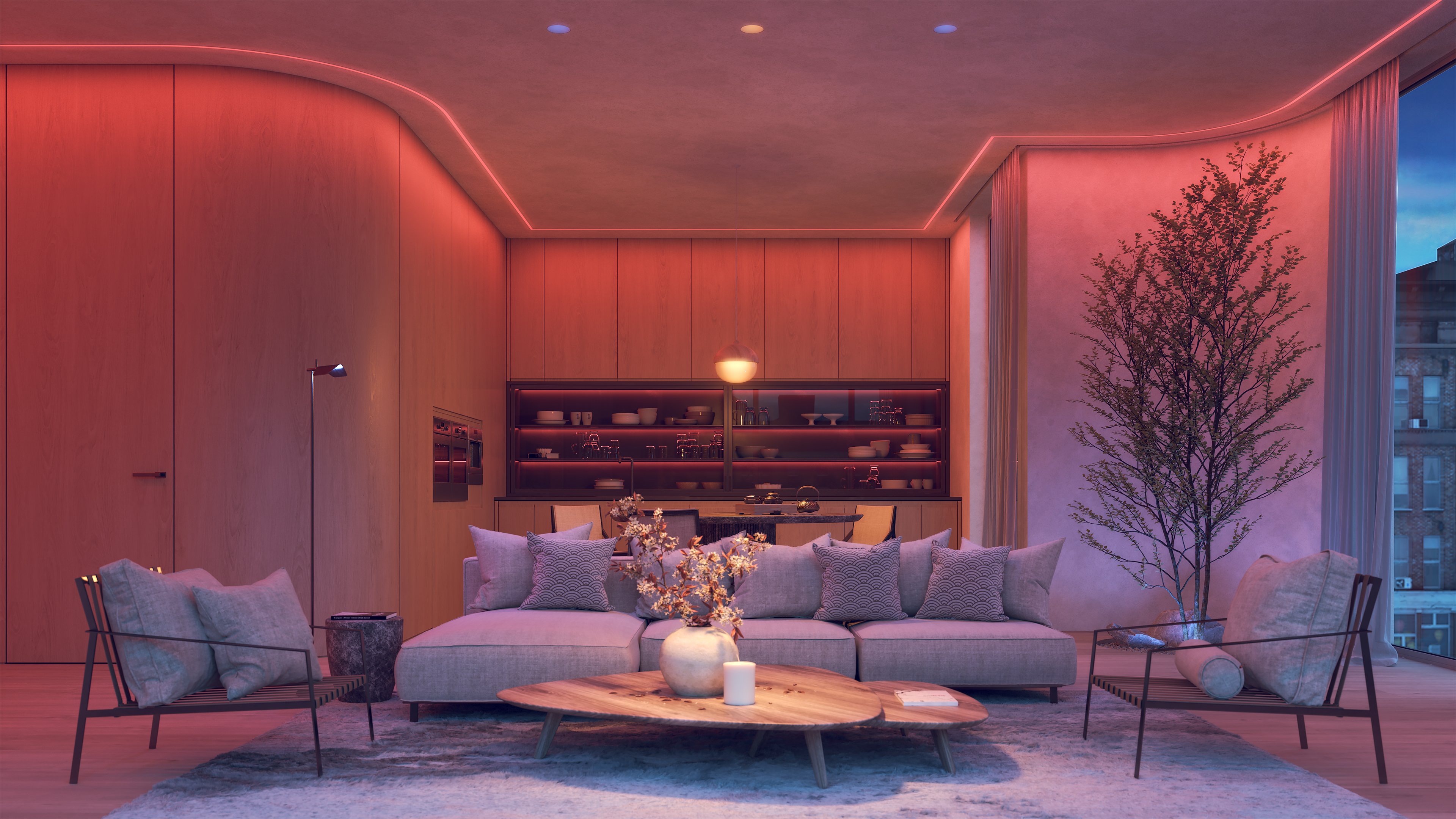
Image Source: www.lightology.com
Harnessing the Power of Natural Light Living Room
The best light is free light! Maximizing natural light is the first and most crucial step in illuminating your living room.
Maximizing Window Potential
- Keep windows clear: Avoid heavy, dark curtains that block sunlight. Opt for sheer or light-colored drapes that allow light to filter through. You can also use blinds or shades that can be easily adjusted to control the amount of light entering the room.
- Clean your windows regularly: It sounds simple, but clean windows let in significantly more light than dirty ones. Make this a part of your regular cleaning routine.
- Strategic furniture placement: Arrange your furniture so that it doesn’t block windows. Consider placing seating areas near windows to take full advantage of the natural illumination.
- Mirrors are your best friend: Position mirrors opposite windows or on adjacent walls to reflect and amplify natural light, bouncing it deeper into the room.
Reflective Surfaces and Colors
- Light paint colors: Light walls and ceilings are your allies. Whites, creams, pastels, and light grays reflect natural light much better than darker hues, making the entire space feel brighter.
- Glossy finishes: Consider using semi-gloss or satin finishes on walls or trim. These finishes reflect more light than matte finishes.
- Shiny decor: Incorporate metallic or glass elements in your decor. Shiny picture frames, decorative trays, or even a crystal chandelier can catch and bounce light around the room.
Layering Artificial Light Living Room Effectively
Once you’ve maximized your natural light, it’s time to build upon it with artificial light. This is where the magic of layering truly comes into play, creating different moods and functionalities. The goal is to create a cohesive and inviting ambient lighting living room that serves as the foundation, then add specific task lighting living room and accent lighting living room as needed.
The Three Pillars of Lighting Design
- Ambient Lighting: This is the general, overall illumination of the room. It’s the light that makes the room usable and comfortable. Think of it as the base layer.
- Task Lighting: This is focused light for specific activities, such as reading, crafting, or working.
- Accent Lighting: This type of lighting is used to highlight architectural features, artwork, or decorative objects, adding depth and drama.
Implementing Ambient Lighting Living Room
Ambient lighting provides the main source of light for your living room. It should be soft, diffused, and spread evenly throughout the space.
Ceiling Fixtures for General Glow
- Recessed lighting: These are ceiling lights that are installed within the ceiling. They provide a clean, modern look and distribute light evenly. For a softer glow, use them with a dimmer switch living room.
- Flush or semi-flush mounts: These fixtures are mounted directly to the ceiling or hang down a short distance. They are excellent for providing widespread light in rooms with lower ceilings.
- Chandeliers: While often seen as decorative, a well-chosen chandelier can provide excellent ambient light. Opt for designs that spread light upwards and outwards rather than just downwards.
Floor Lamps Living Room for Softness
Floor lamps living room are incredibly versatile for ambient lighting.
- Uplighting floor lamps: These lamps direct light upwards towards the ceiling. The light then bounces back down, creating a soft, diffused, and indirect light that fills the room without harsh shadows.
- Torchiere lamps: A type of uplighting floor lamp, torchiere lamps have a bowl-shaped shade that directs light upwards. They are a classic choice for creating a warm, ambient glow.
- Multi-head floor lamps: Some floor lamps have adjustable heads that can be positioned to provide both upward ambient light and directional task light.
Table Lamps Living Room for Warmth
Table lamps living room are perfect for adding pools of warm light and contributing to the overall ambient feel.
- Strategic placement: Place table lamps on side tables next to sofas and armchairs. This creates inviting areas for reading and conversation.
- Layering heights: Use table lamps of varying heights to add visual interest and distribute light at different levels. A taller lamp on one side table and a shorter one on another can create a dynamic look.
- Shade selection: The shade of a table lamp is crucial. Frosted or opaque shades will diffuse light more effectively, creating a softer glow than clear or translucent shades.
Mastering Task Lighting Living Room
Once your ambient lighting is in place, you need to ensure you have sufficient light for specific activities.
Reading Nooks and Cozy Corners
- Adjustable floor lamps: A floor lamp with an adjustable arm and head is ideal for directing light precisely where you need it for reading. Place one next to your favorite armchair.
- Swing-arm wall sconces: These can be mounted on the wall beside a reading chair and offer excellent flexibility, allowing you to move the light closer or further away as needed.
Entertainment and Media Areas
- Avoid glare: For areas around televisions, avoid direct, harsh lighting that can cause glare. Consider indirect lighting or lamps placed behind or to the sides of the TV.
- Subtle accent lighting: LED strips can be placed behind the TV or on shelves to provide a soft, ambient glow that is easy on the eyes during movie nights.
Desks and Workspaces
- Desk lamps: A dedicated desk lamp is essential for any home office area within your living room. Look for adjustable lamps that can be positioned to illuminate your work without creating shadows.
Adding Sparkle with Accent Lighting Living Room
Accent lighting is the finishing touch that adds personality and visual interest to your living room.
Highlighting Artwork and Decor
- Picture lights: These small, focused lights are mounted directly above artwork to illuminate it.
- Track lighting: Adjustable track lights can be aimed at specific pieces of art or decorative objects.
- Spotlights: Small, directional spotlights can be placed on shelves or furniture to highlight decorative items.
Architectural Features
- Wall washers: These fixtures are designed to wash a wall with light, drawing attention to texture or features.
- Uplighting plants or architectural elements: Place small spotlights at the base of plants or in corners to draw the eye upwards and add a dramatic effect.
Creating Mood and Ambiance
- Dimmer switch living room: This is your most powerful tool for creating mood. A dimmer switch living room allows you to adjust the intensity of your ambient lighting, creating anything from bright and airy to cozy and intimate. Install them on your main overhead lights and even on some floor and table lamps.
- Smart bulbs: With smart bulbs, you can control not only brightness but also color temperature and even color, allowing for endless mood-setting possibilities.
Strategic Lighting Placement Living Room
Where you put your lights is just as important as the type of lights you choose. Good lighting placement living room ensures that light reaches all the necessary areas and creates a well-balanced illumination.
The 10-20-30 Rule (A Guideline)
While not a strict rule, consider this:
- 10% Ambient: This is your foundational, general lighting.
- 20% Task: Focused light for activities.
- 30% Accent: To highlight features and add drama.
(Note: The percentages are flexible and depend on the room’s size, function, and your personal preferences.)
Creating Zones
Think about how you use your living room. Do you have a reading corner? A space for playing board games? A TV viewing area?
- Reading zone: Place an adjustable floor lamp or a wall sconce beside seating.
- Conversation zone: Use table lamps on side tables to create warm pools of light around seating arrangements.
- General circulation paths: Ensure these areas are well-lit with ambient lighting to avoid tripping hazards.
Avoiding Common Pitfalls
- The single overhead light: Relying on just one central overhead light often leads to a flat, uninviting atmosphere with harsh shadows in the corners.
- Ignoring corners: Dark corners can make a room feel smaller and less inviting. Use floor lamps or uplights to bring light into these areas.
- Too much glare: Ensure that light sources are not directly in your line of sight, especially when seated. Use shades and diffusers to soften the light.
Fixture Types and Their Impact
The type of light fixture itself plays a significant role in how light is distributed and the overall aesthetic.
Floor Lamps Living Room: Versatility in Every Corner
| Lamp Type | Best Use | Light Direction | Aesthetic Impact |
|---|---|---|---|
| Torchiere | General ambient light, corner illumination | Upwards | Creates a soft, diffused glow, opens up space |
| Arc Lamp | Over sectional sofas, reading nooks | Downwards, directed | Modern, provides focused light without a table |
| Pharmacy Lamp | Side tables, task lighting | Downwards, focused | Classic, provides directed light for activities |
| Tripod Lamp | Modern aesthetic, ambient or task | Various | Stylish, can provide both ambient and task light |
| Tree Lamp | Multiple reading lights, general ambient | Upwards, multiple | Functional, can illuminate multiple areas |
Table Lamps Living Room: Adding Warmth and Style
| Lamp Type | Best Use | Light Direction | Aesthetic Impact |
|---|---|---|---|
| Buffet Lamp | Console tables, entryways | Downwards, diffused | Elegant, adds height and a welcoming glow |
| Accent Lamp | Side tables, shelves | Various | Adds decorative touch, creates intimate pools of light |
| Task Lamp | Desks, reading corners | Directed, focused | Functional, provides precise illumination |
| Banker’s Lamp | Desks, traditional decor | Downwards, focused | Classic, provides good task lighting for reading |
The Role of Bulbs and Dimmers
The light bulb and the ability to control it are critical components of your lighting strategy.
Choosing the Right Bulb
- Color Temperature:
- Warm White (2700K-3000K): This is the most common and preferred temperature for living rooms. It mimics incandescent bulbs, creating a cozy, inviting, and relaxing atmosphere.
- Cool White/Daylight (4000K-6500K): These bulbs produce a bluer, crisper light. They are better suited for task lighting or areas where you need to focus, but can feel harsh for general living room ambiance.
- Lumens: This measures the brightness of the bulb. A living room typically needs a good amount of lumens for ambient lighting, but dimmable options are key.
- LEDs: These are energy-efficient and long-lasting. They come in a wide range of color temperatures and brightness levels, making them the ideal choice for most applications.
The Magic of a Dimmer Switch Living Room
A dimmer switch living room is a game-changer for creating ambiance.
- Mood control: Instantly adjust the mood from bright and lively to soft and intimate.
- Energy saving: Dimming lights not only saves energy but also extends the life of your bulbs.
- Task flexibility: You can dim bright ambient lights to create a softer backdrop for task or accent lighting.
Table: Light Temperature and Mood
| Color Temperature (Kelvin) | Mood/Effect | Best Use in Living Room |
|---|---|---|
| 2700K-3000K (Warm White) | Cozy, Relaxing, Warm | Ambient lighting, reading, general living space |
| 3000K-4000K (Neutral White) | Balanced, Bright | Task lighting, areas needing good visibility |
| 4000K-6500K (Cool White) | Crisp, Energetic | Home office areas, high-focus tasks (use sparingly) |
Frequently Asked Questions (FAQ)
Q1: How many lights do I need in my living room?
A1: There isn’t a fixed number, but aim for at least three light sources to create layers: one ambient, one task, and one accent. More is often better, as long as they are layered thoughtfully.
Q2: Can I use a single ceiling light as my only light source?
A2: While possible, it’s generally not recommended. A single overhead light can create a flat, uninviting atmosphere and leave corners in shadow. Layering multiple light sources provides much better ambiance and functionality.
Q3: What is the best type of lighting for reading in the living room?
A3: Task lighting is essential for reading. An adjustable floor lamp with a focused beam, a swing-arm wall sconce, or a directional table lamp placed near your reading chair are excellent choices.
Q4: How do I make a small living room feel brighter?
A4: Maximize natural light, use light paint colors on walls and ceilings, incorporate mirrors, and use layered artificial lighting with dimmers. Avoid bulky, dark fixtures.
Q5: Should my living room lighting be warm or cool?
A5: For most living rooms, warm white light (2700K-3000K) is preferred as it creates a cozy and inviting atmosphere. Cooler light can be used for specific task areas if needed, but generally, warmer tones are best for relaxation and ambiance.
By carefully considering natural light, layering artificial light sources, strategically placing your fixtures, and choosing the right bulbs and dimmers, you can transform your living room into a beautifully illuminated and inviting space that you’ll love spending time in.