
Image Source: lh5.googleusercontent.com
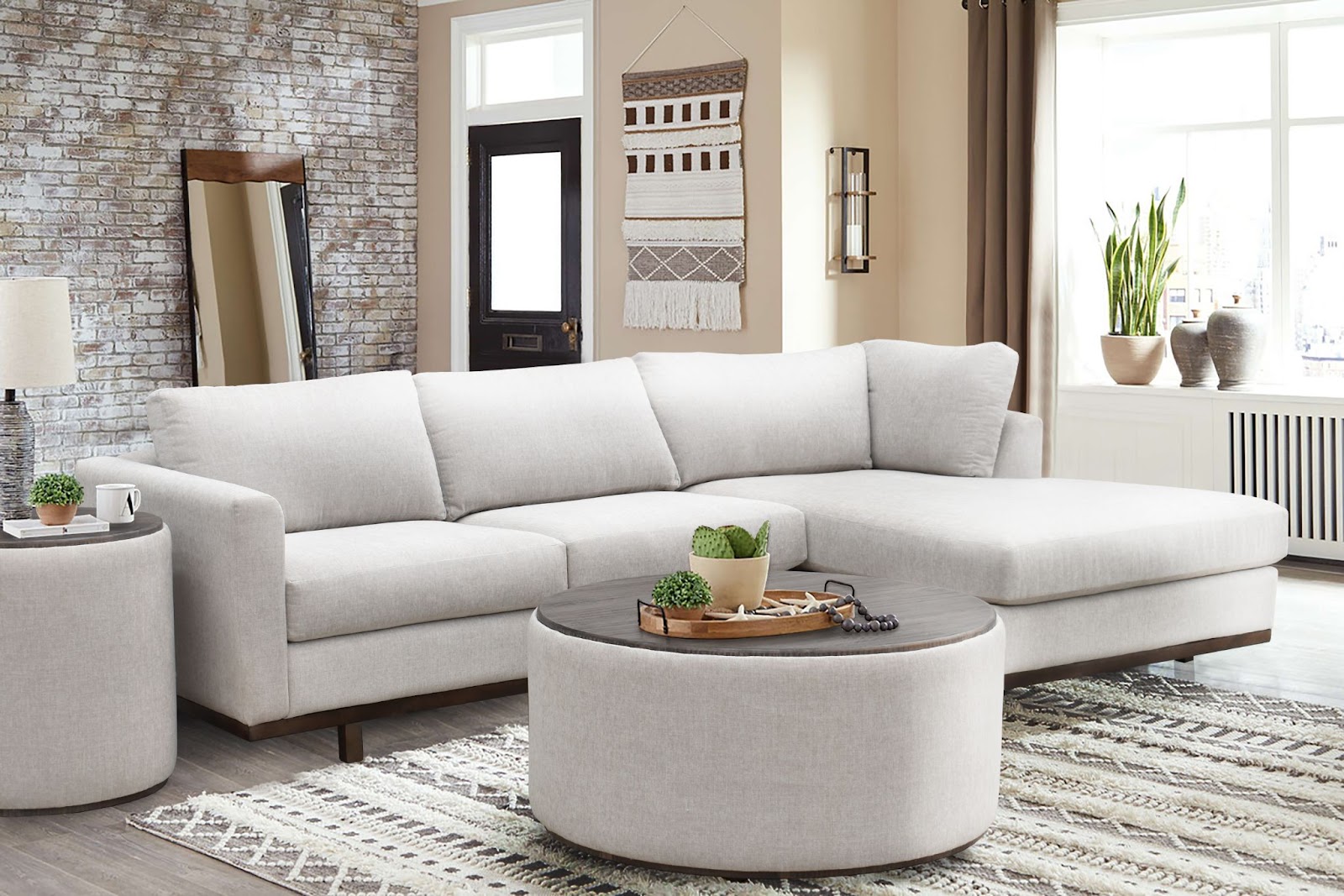
Mastering Small Spaces: How To Arrange A Sectional In A Small Living Room
Can you put a sectional in a small living room? Yes, you absolutely can! Arranging a sectional in a small living room is achievable with smart planning and the right approach. This guide will delve deep into arranging a small couch and sectional in a tiny room, offering practical solutions for maximizing sectional living room potential and providing excellent small sectional ideas. We’ll cover essential furniture arrangement for small homes, focusing on petite living room furniture arrangement and tight space sectional placement.
The Allure of the Sectional in Compact Quarters
Sectionals, with their inviting L- or U-shaped configurations, often seem reserved for sprawling living rooms. However, their inherent ability to define zones, offer ample seating, and create a cozy anchor makes them surprisingly well-suited for smaller spaces. The key lies in thoughtful selection and strategic sectional layout small space execution. Instead of viewing a sectional as a bulky obstacle, think of it as a versatile tool for transforming your petite living room into a comfortable and stylish hub.
Deciphering Your Space: The Crucial First Step
Before even thinking about placing a sectional, the most vital step is to thoroughly assess your small living room. This isn’t just about measuring; it’s about truly comprehending the flow, function, and limitations of your space.
Measuring with Meticulous Care
- Measure Everything: Grab your tape measure and note down the length and width of your living room. Don’t forget to measure ceiling height, and the placement and size of windows and doors.
- Account for Traffic Flow: Mark out essential pathways. How will people move from the entrance to other parts of the house? Where do you naturally walk? A sectional shouldn’t block these vital routes.
- Identify Obstacles: Note the location of radiators, vents, outlets, and light switches. You don’t want your sectional to cover these essential features.
- Consider Scale: Even if a sectional fits physically, does it feel right? A massive, overstuffed sectional can overwhelm a tiny room, making it feel even smaller. Look for sectionals with a lower profile and cleaner lines.
Visualizing the Possibilities: Layout Tools
- Graph Paper Blueprint: Draw your room to scale on graph paper. Then, cut out paper templates of potential sectional pieces (measured to scale) and move them around on your blueprint. This is a classic, effective method.
- Online Room Planners: Many furniture retailers and design websites offer free online room planners. These tools allow you to virtually place furniture in a 3D model of your room, offering a realistic preview.
- Augmented Reality (AR) Apps: Some apps use your phone’s camera to overlay virtual furniture into your actual room. This can be incredibly helpful for visualizing how a sectional will look and fit in your unique space.
Selecting the Perfect Petite Sectional
Not all sectionals are created equal, especially when it comes to smaller rooms. The right sectional will enhance your space, not detract from it. This is where small sectional ideas truly shine.
Key Considerations for Small Space Sectionals:
- Size and Proportions: This is paramount. Look for sectionals designed for apartments or small spaces. These often have shallower depths, shorter overall lengths, and a more compact design.
- Configuration:
- Right-Arm or Left-Arm Facing: This refers to the orientation of the longer part of the sectional. Choose based on your room’s layout and how you want to direct the seating.
- Channeled or Modular: Modular sectionals offer flexibility. You can often rearrange the pieces or even detach them to create different configurations, which is a huge advantage in a small room.
- Chaise Lounge vs. Full Sofa + Loveseat: A chaise lounge can offer a reclined spot without the bulk of a full chaise section.
- Legs and Openness: Sectionals with visible legs create a sense of airiness and make the room feel larger. They allow light to flow underneath, preventing the furniture from feeling too heavy. Avoid sectionals that sit directly on the floor.
- Color and Material:
- Light Colors: Lighter upholstery colors can make a space feel brighter and more open.
- Texture: A subtle texture can add visual interest without overwhelming the space.
- Durability: Choose materials that are easy to clean, especially if you have pets or children.
- Arm Style: Slim, track arms or armless designs will take up less visual and physical space than bulky rolled arms.
Popular Sectional Types for Tight Spaces:
| Sectional Type | Best For | Considerations for Small Spaces |
|---|---|---|
| Apartment Sectional | Specifically designed for smaller footprints. | Often have shallower depths and more compact dimensions. |
| Modular Sectional | Flexibility and adaptability. | Can be reconfigured; pieces can be used independently. |
| Chaise Sectional | Added lounging comfort. | Choose a chaise with a smaller footprint or a chaise ottoman. |
| Sofa with Recliner | Comfort and reclining feature. | Opt for wall-hugger recliners to save space. |
Strategic Sectional Layout Small Space Solutions
Once you have your sectional and a clear picture of your space, it’s time for the arrangement. This is where small living room layout tips are crucial for successful tight space sectional placement.
The Corner Classic: Maximizing Wall Space
This is often the go-to for sectional in a tiny room scenarios. Placing the sectional in a corner utilizes often-underused wall space and can create a defined seating area.
- The L-Shape Against Two Walls: Position one side of the sectional against a long wall and the shorter side against an adjacent wall.
- Benefits: This creates a cozy, enclosed feel and often leaves the center of the room open for a coffee table or additional seating. It’s a great way to define a “zone” within a larger, open-plan space.
- Considerations: Ensure the corner placement doesn’t block natural light from windows or create awkward dead space.
- The Floating Corner: If your room is slightly wider, you might be able to float the sectional slightly away from the walls, still in a corner configuration. This can create a bit more airflow and prevent the furniture from feeling “stuck.”
- Benefits: Adds a touch of sophistication and allows for better light penetration.
- Considerations: Requires a bit more room than a wall-hugging arrangement.
Freeing Up the Center: Floating Your Sectional
Don’t be afraid to break away from the walls! Arranging a small couch or sectional in the middle of the room can sometimes create a more dynamic and functional layout.
- Facing the Focal Point: If you have a fireplace, TV, or a beautiful view, position your sectional to face it. This naturally draws the eye and makes the sectional the star of the room.
- Benefits: Creates a conversational arrangement and highlights architectural features or entertainment areas.
- Considerations: Ensure there’s still enough space behind the sectional for circulation.
- Creating Zones in Open-Plan Living: In open-concept homes, a sectional can act as a visual divider between the living area and a dining room or kitchen.
- Benefits: Clearly defines different functional zones without the need for walls.
- Considerations: Use the back of the sectional as an opportunity for storage, such as a console table or a narrow bookshelf.
Optimizing for Flow: Navigating Around the Sectional
No matter where you place your sectional, prioritizing space-saving sectional ideas means ensuring smooth traffic flow.
- Minimum Clearance: Aim for at least 18-24 inches of clearance around the sectional for comfortable movement.
- Think About Doors: Ensure doors can open fully without hitting the sectional.
- Access to Windows: Don’t completely block windows. If possible, leave a gap for light and ventilation.
The Art of Accessory Placement: Enhancing Your Sectional
The furniture is in place; now it’s time to layer in the accessories to truly make your maximizing sectional living room a success.
Coffee Tables: The Essential Companion
Choosing the right coffee table is crucial for a petite living room furniture arrangement.
- Round or Oval Tables: These tend to be more forgiving in tight spaces as they have no sharp corners to bump into and can facilitate better flow.
- Nesting Tables: Offer versatility. Use them when you need extra surface space and tuck them away when you don’t.
- Ottoman as a Coffee Table: A upholstered ottoman with a tray on top can double as a coffee table and extra seating or a footrest. Look for options with hidden storage.
- Scale is Key: Ensure your coffee table isn’t too large or too small for your sectional. It should be about two-thirds the length of your sectional.
Side Tables: Functional Friends
Side tables are indispensable for holding drinks, lamps, and decorative items.
- C-Shaped Tables: These can tuck neatly under the sectional, bringing the surface close to you without taking up extra floor space.
- Slim Pedestal Tables: Offer a small footprint with a stable surface.
- Consider Height: Side tables should generally be the same height as the arm of your sectional.
Lighting: Setting the Mood
Good lighting can make a small room feel much larger and more inviting.
- Layer Your Lighting: Combine overhead lighting, floor lamps, and table lamps to create depth and ambiance.
- Tall, Slim Floor Lamps: These draw the eye upward, creating a sense of height.
- Wall-Mounted Sconces: Eliminate the need for floor or table space entirely.
Rugs: Anchoring the Arrangement
A well-chosen rug can define the seating area and make your sectional feel more grounded.
- Size Matters: The rug should be large enough that at least the front legs of your sectional (and any accompanying chairs) are on it. A rug that’s too small can make the room feel disjointed.
- Light Colors and Patterns: Lighter-colored or subtly patterned rugs can help a small space feel more open.
Decorative Touches: Personalizing Your Space
- Mirrors: Strategically placed mirrors can reflect light and create the illusion of more space. A large mirror behind the sectional or on an adjacent wall can be transformative.
- Wall Art: Vertical artwork can draw the eye upward, enhancing the sense of height.
- Throw Pillows and Blankets: Add comfort and color. Opt for a few well-chosen pillows rather than an abundance that can make the sectional look cluttered.
Space-Saving Sectional Ideas and Tricks
Beyond the initial placement, there are clever ways to maximize the utility of your sectional in a small living room.
Embrace Built-In Storage
- Sectionals with Storage Ottomans: Many sectionals come with ottomans that lift to reveal hidden storage, perfect for blankets, books, or magazines.
- Consider a Storage Chaise: Some chaise sections also offer hidden storage underneath.
Vertical Space is Your Friend
- Tall, Narrow Bookcases: Place these next to or behind the sectional to provide storage without eating up floor space.
- Floating Shelves: Use these above the sectional for books, photos, or decorative items.
Multifunctional Furniture
- Storage Coffee Tables: As mentioned earlier, ottomans with storage or coffee tables with drawers can be invaluable.
- Nesting Tables: Offer flexible surface area.
Strategic Placement of Other Furniture
- Armless Chairs: If you need more seating, consider armless accent chairs that can be tucked closer to the sectional.
- Slim Console Tables: Place behind the sectional if it’s floating, offering a surface for lamps or decor, and potentially even housing slim storage drawers.
Frequently Asked Questions About Sectionals in Small Living Rooms
Q1: What is the best sectional configuration for a small living room?
A: The best configuration often depends on your specific room layout, but generally, a two-piece sectional (a sofa and a chaise, or a sofa and a corner piece) is ideal for small spaces. Modular sectionals also offer great flexibility.
Q2: Can I put a large sectional in a small living room?
A: While tempting, a truly large or overstuffed sectional can overwhelm a small room. Focus on sectionals designed for smaller spaces or apartments, which have shallower depths and more compact dimensions. Scale is key.
Q3: How do I avoid my sectional making my small living room feel cramped?
A: Choose a sectional with visible legs, opt for lighter upholstery colors, and ensure there is adequate clearance for traffic flow. Avoid bulky armrests and consider sectionals with a lower profile. Mirrors can also help create an illusion of more space.
Q4: What type of coffee table works best with a sectional in a small living room?
A: Round or oval coffee tables are often best as they don’t have sharp corners and facilitate better movement. Nesting tables or ottomans with storage are also excellent space-saving options. Ensure the table’s scale is appropriate for the sectional.
Q5: How much space should I leave around a sectional in a small room?
A: Aim for at least 18-24 inches of clearance around the sectional to allow for comfortable traffic flow. You should also ensure that doors can open fully without obstruction.
By carefully measuring, selecting the right piece, and employing strategic arrangement techniques, you can absolutely master the art of fitting and styling a sectional in your small living room. It’s about making smart choices that prioritize both comfort and functionality, transforming your compact space into a chic and inviting retreat.